In This Guide
- What Exactly Is a Bougainvillea?
- The #1 Secret to Bougainvillea Bliss: Forget What You Know
- Choosing Your Bougainvillea: A World of Color and Form
- Feeding and Fertilizing: Less is More
- The Pruning Puzzle: When and How to Cut
- The Winter Worry: Overwintering Your Bougainvillea
- Solving the "Why Won't It Bloom?" Mystery
- Pests and Problems: Surprisingly Few
- Creative Ways to Grow Bougainvillea
- Bougainvillea FAQs: Your Quick-Fire Questions Answered
- A Final, Honest Thought
Let's be honest, you probably landed here because you typed "buganvilias plant" into Google. It happens all the time. That tricky spelling trips up even the most enthusiastic gardeners. But don't worry, you're in the right place. We're talking about the same stunning, paper-flowered vine that can turn a bland wall or a boring patio into a tropical paradise. The bougainvillea plant (see, there's the correct spelling) is one of those show-stoppers that makes gardening worth every minute.
I remember my first one. A sad-looking little thing in a 6-inch pot from a big-box store. I was convinced I could get it to climb my porch trellis. I watered it lovingly every other day. It died. Turns out, loving a bougainvillea to death is a real thing. They're not like your average petunia. They have personality. They're tough, they're dramatic, and they have very specific, almost contradictory needs. Get it right, and they'll reward you with months of unbelievable color. Get it wrong, and well... you get a thorny, leafy stick.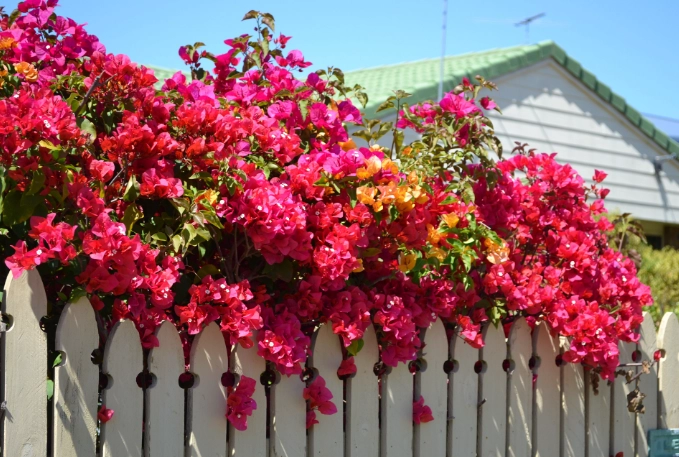
So, let's ditch the confusion and the spelling mistakes. This isn't a stuffy botanical manual. This is a down-to-earth, from-one-gardener-to-another guide on how to actually live happily with a bougainvillea plant. We'll cover the good, the bad, the thorny, and the breathtakingly beautiful.
What Exactly Is a Bougainvillea?
First, a tiny bit of botany so you know what you're dealing with. Those vibrant pink, purple, orange, or red "flowers" you adore? They aren't flowers. Nope. They're called bracts—specialized leaves that have evolved to be colorful to attract pollinators. The actual flowers are the tiny, white, trumpet-shaped things nestled in the center of those bracts. The plant is putting on a colorful leaf show to say, "Hey, pollinators, over here!"
It's a native of South America, found in places like Brazil and Peru. That tells you a lot about what it wants: sun, heat, and well-drained soil. It's a woody vine that can be trained as a climber, a sprawling shrub, a ground cover, or even a weeping standard (tree-form). And those thorns? They're mean. This is not a plant for a high-traffic area where kids or pets play. It's a plant for admiration from a slight distance.
The #1 Secret to Bougainvillea Bliss: Forget What You Know
This is the most important thing I can tell you. To grow a happy bougainvillea, you need to unlearn common gardening habits. They thrive on what I call "benign neglect."
Think of it as a cactus with a flair for the dramatic. It wants to be a bit stressed. Pampering it is the quickest way to a green, flowerless, leggy mess.
Sunlight: There's No Such Thing as Too Much
If you can't give it at least 6 hours of direct, blazing, unfiltered sun, reconsider this plant. Seriously. 8+ hours is ideal. It uses that sun to fuel the production of those colorful bracts. Less sun equals more green leaves and fewer "flowers." It's that simple. A north-facing balcony or a shady garden corner is a death sentence for blooms.
I've seen them thriving in the harshest, most reflective spots—against a south-facing white wall, in a concrete patio container. They love the heat bounce.
Watering: The Delicate Dance of Drought
This is where most people fail. Bougainvilleas are incredibly drought-tolerant once established. Their watering needs are the polar opposite of, say, a hydrangea.
- For potted plants: Water deeply, until water runs out the drainage holes. Then, let the soil dry out completely before you even think about watering again. Stick your finger in the soil up to the second knuckle. If it's dry, wait another day or two. I'm not kidding. Soggy soil leads to root rot, yellow leaves, and no flowers.
- For in-ground plants: After the first season to establish roots, they need very little supplemental water. They'll often do just fine on rainfall alone in many climates.
Choosing Your Bougainvillea: A World of Color and Form
Not all bougainvillea plants are created equal. The variety you choose depends on your space and vision. Here's a quick breakdown of some popular types.
| Variety Name | Bract Color | Growth Habit & Best For | Special Notes |
|---|---|---|---|
| 'Barbara Karst' | Vivid Magenta-Red | Vigorous vine/climber. Fences, walls, arbors. | A classic, tough, and fast-growing. Can get very large. |
| 'California Gold' | Golden Yellow | Large shrub or vine. Makes a bold statement. | Sunlight intensity affects color. Less sun can mean paler bracts. |
| 'Raspberry Ice' | Hot Pink | Variegated shrub. Containers, mixed borders. | Leaves are green and cream. Slower grower, less thorny. |
| 'Miss Alice' (White) | Pure White | Shrub or small tree. Patios, poolside. | Known as a "thornless" variety (fewer, smaller thorns). |
| 'Vera Deep Purple' | Rich, Deep Purple | Compact shrub. Perfect for pots and small spaces. | One of the best for container culture. Blooms heavily. |
My personal favorite for a container is 'Vera Deep Purple.' It stays manageable, blooms its head off, and that color against a white wall is just stunning. The 'Barbara Karst' I planted against my back fence, however, is a beast. A beautiful, flowering beast that requires serious annual pruning to keep it from swallowing the gate.
Feeding and Fertilizing: Less is More
You don't need a complicated fertilizer regimen. In fact, too much nitrogen (the first number on the fertilizer bag) will give you a huge, lush, green bush with few to no flowers.
What you want is a fertilizer that promotes blooming. Look for a formulation with a higher middle number (Phosphorus) and a lower first number (Nitrogen). Something like a 5-10-10 or a 6-8-10 is ideal. A bloom-booster fertilizer for hibiscus or citrus often works well.
- Frequency: Feed lightly during the active growing season (spring through summer). Once a month is plenty for potted plants. In-ground plants might only need feeding 2-3 times a season.
- Stop in Fall: As growth slows, stop fertilizing. You don't want to encourage tender new growth right before cooler weather hits.
The Pruning Puzzle: When and How to Cut
Pruning is essential for shape and, crucially, for encouraging more blooms. Bougainvilleas flower on new growth. No new growth, no new color.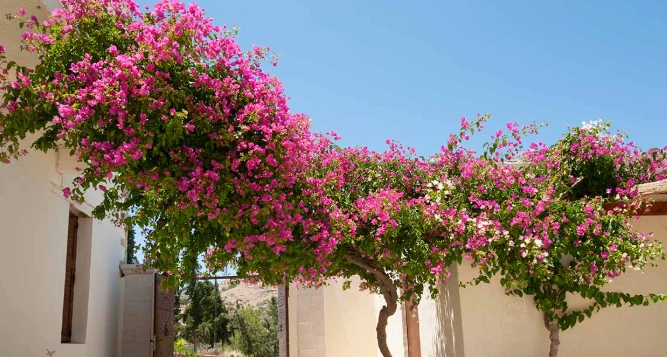
Best Time to Prune: Right after a flush of blooms starts to fade, or in late winter/early spring before the new growth surge. Avoid heavy pruning in late fall.
How to Prune:
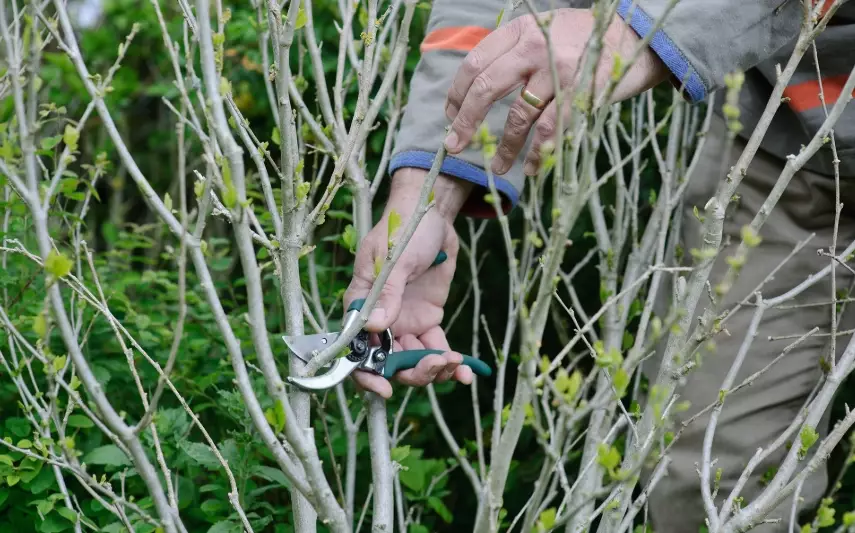
- For shape and size: Don't be shy. You can cut back long, leggy vines by one-third to one-half. Always cut just above a leaf node (the point where a leaf joins the stem).
- To encourage branching: Pinch or snip off the soft tips of new shoots. This tells the plant to send out multiple side shoots from that point, creating a bushier plant with more potential flowering sites.
- Clean-up: Always remove any dead, diseased, or crossing branches.
The Winter Worry: Overwintering Your Bougainvillea
This is the big anxiety for gardeners outside the warmest zones (USDA zones 9-11). Bougainvilleas are tender to frost. A hard freeze will kill them.
For Potted Plants (The most common scenario):
- Bring it in: Before the first frost, move your pot to a bright, cool indoor spot. A south-facing window in a garage, sunroom, or spare room that stays above 40°F (5°C) is perfect.
- Dormancy is okay: It will likely drop some or all of its leaves. Don't panic. This is normal. Water very sparingly—just enough to keep the roots from completely desiccating, maybe once a month.
- No fertilizer, no fuss. Let it rest.
For In-Ground Plants in Marginal Zones:
- Heavy mulch around the base can protect the root crown.
- Some gardeners build a temporary frame and drape frost cloth over the plant on cold nights.
- Be prepared that a severe winter might kill it back to the roots. It may resprout from the base in spring if the roots survived.
Solving the "Why Won't It Bloom?" Mystery
This is the most common cry of the bougainvillea owner. Let's troubleshoot.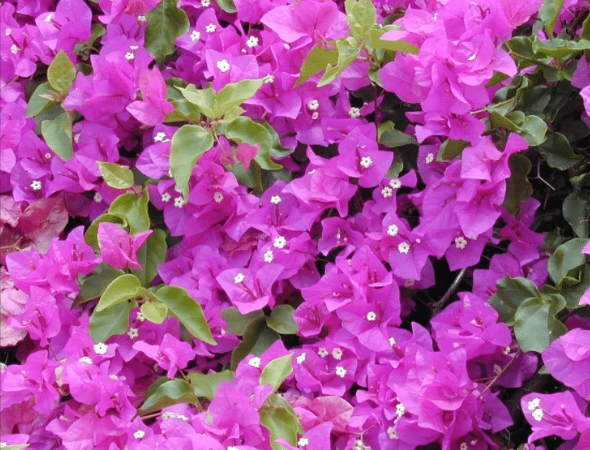
The Usual Suspects (in order of likelihood):
- Not enough sun. This is culprit #1, 95% of the time.
- Too much water. Constantly wet feet keep it in vegetative growth mode.
- Too much nitrogen fertilizer. You're feeding it lawn food.
- Pot is too big. The roots are comfortable and see no need to reproduce (flower).
- It was just pruned. Be patient. It needs time to push new growth, which will then flower.
Fix the underlying condition, and with time and patience, it should start blooming.
Pests and Problems: Surprisingly Few
Honestly, a healthy bougainvillea plant in the right conditions has very few issues. Its thorny nature deters a lot of critters.
- Aphids/Caterpillars: Occasionally, you might see these on new growth. A strong blast of water from the hose usually dislodges aphids. For caterpillars, pick them off by hand (wear gloves!).
- Leaf Miners: These create squiggly lines on the leaves. The damage is mostly cosmetic. Remove and destroy affected leaves.
- Root Rot: The only serious disease, caused by overwatering/poor drainage. Prevention is key. Once it sets in, it's often fatal.
Creative Ways to Grow Bougainvillea
Don't just think "vine on a wall." They're incredibly versatile.
- Container Star: The absolute best way for most people. Allows for perfect soil and water control, and you can move it to follow the sun or bring it indoors.
- Espalier: Train it flat against a trellis on a wall in a formal pattern.
- Bonsai: Yes, really! Their woody stems and tolerance for pruning make them excellent subjects for bonsai.
- Hanging Basket: Some of the more trailing, less-thorny varieties (like 'Singapore Pink' or 'La Jolla') can create a spectacular flowering cascade.
- Living Fence/Privacy Screen: Let a vigorous variety like 'Barbara Karst' cover a chain-link fence. It's beautiful and impenetrable.
Bougainvillea FAQs: Your Quick-Fire Questions Answered
Let's hit those specific questions you might be Googling at midnight.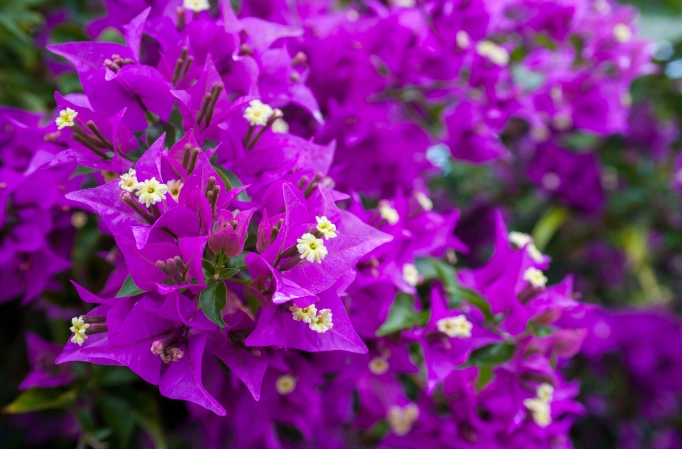
A Final, Honest Thought
The bougainvillea plant isn't for the faint of heart or the over-waterer. It demands a specific set of conditions. But when you provide them—when you give it that hot, sunny, slightly thirsty, and cramped life—it repays you with a loyalty and a visual spectacle that few other plants can match.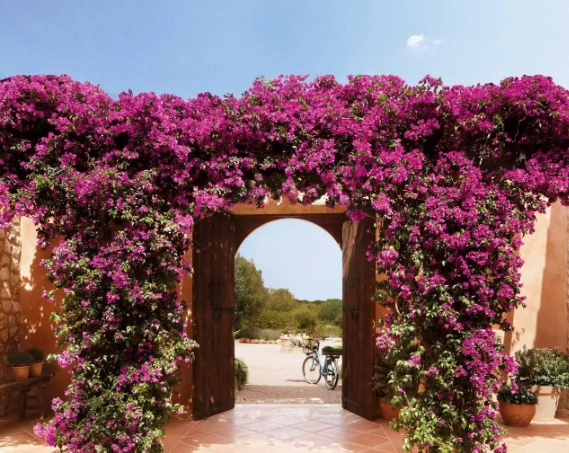
It teaches you to be a less helicoptering gardener. It rewards restraint. And on a summer day, when it's a solid mass of color that hums with bees, you'll forget all about the thorns and the spelling challenges. You'll just be glad you gave this magnificent, dramatic plant a home.
Start with one in a pot. Place it in the sunniest spot you own. Resist the watering can. See what happens. I think you'll be hooked.
Comments