In This Guide
- What Exactly Are Potato Vines?
- Getting Started: How to Plant and Grow Potato Vines
- The Complete Care Guide for Thriving Potato Vines
- Solving Problems: Yellow Leaves, Pests, and Diseases
- Top Varieties of Potato Vines to Try
- Creative Uses in the Garden
- Overwintering and Propagation
- Frequently Asked Questions (The Real Ones Gardeners Ask)
Let's talk about potato vines. You know, those vigorous, sometimes stunning, occasionally frustrating plants that can either be the star of your container garden or the bane of your existence if they get out of hand. I've been there—both admiring their lush, colorful foliage and then spending a whole afternoon trying to untangle them from my roses. The term "potato vines" isn't just about one plant. It usually points to two main characters: the sprawling, colorful foliage of ornamental sweet potato vines (Ipomoea batatas) and the leafy, above-ground growth of the plants we grow for edible tubers (Solanum tuberosum). They're different botanical families, but they share a common thread—incredible vigor and a set of needs that, if you get right, lead to spectacular results.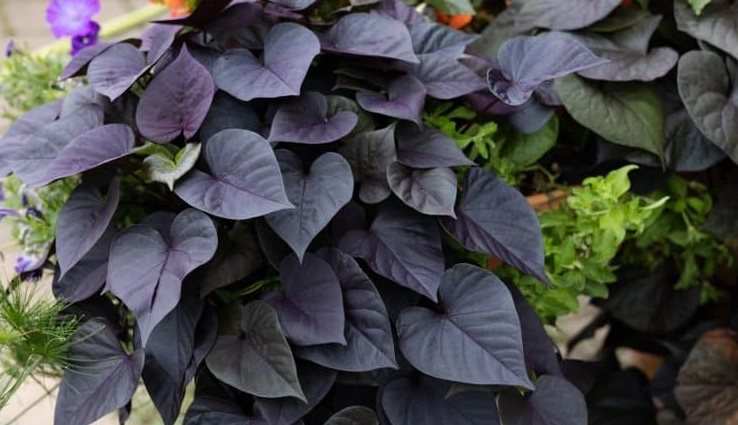
This guide is for anyone who's typed "potato vines" into Google. Maybe you just bought a beautiful chartreuse sweet potato vine for your hanging basket and want to keep it alive. Maybe your edible potato plants are looking spindly and you're worried about your harvest. Or perhaps, like my neighbor last summer, you're desperately searching for ways to stop ornamental potato vines from taking over your entire flower bed. We'll cover it all. I'll share what's worked for me, what's failed miserably, and the practical, no-nonsense advice you need to succeed.
What Exactly Are Potato Vines?
First things first, clearing up the confusion. When people search for information on potato vines, they could be looking for one of two very different plants. Getting this wrong is the first step to disappointment.
The ornamental sweet potato vine is a tropical perennial grown almost exclusively for its stunning foliage. You'll find it in shades of lime green, deep purple, almost black, and variegated pink and white. It's a cousin of the morning glory, and it shows in its rapid, trailing habit. You won't get worthwhile tubers from these, though they might produce some small, stringy ones. Their job is to look pretty, and they're exceptionally good at it. The Royal Horticultural Society, a leading gardening authority, lists them as fantastic foliage plants for summer containers.
Then there's the vine of the common potato plant.
This is the green, leafy part that grows above the soil when you plant a seed potato. Its health is directly linked to the size and quantity of the potatoes growing underground. A weak, sparse vine usually means a poor harvest. These vines are part of the nightshade family (alongside tomatoes and peppers) and can be toxic if ingested in large quantities, which is a crucial safety point for households with pets or small children.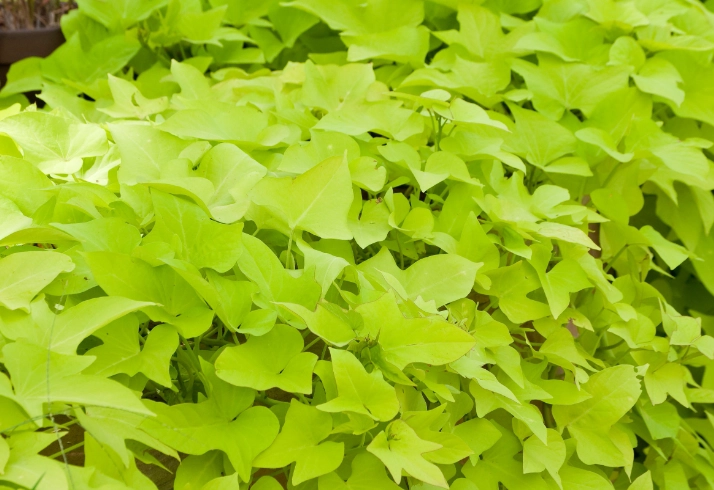
Getting Started: How to Plant and Grow Potato Vines
This is where the fun begins. The method depends entirely on which type of potato vine you're dealing with.
Growing Ornamental Sweet Potato Vines
These are ridiculously easy to propagate, which is part of their appeal. You can buy small starter plants in spring, but why not make more for free?
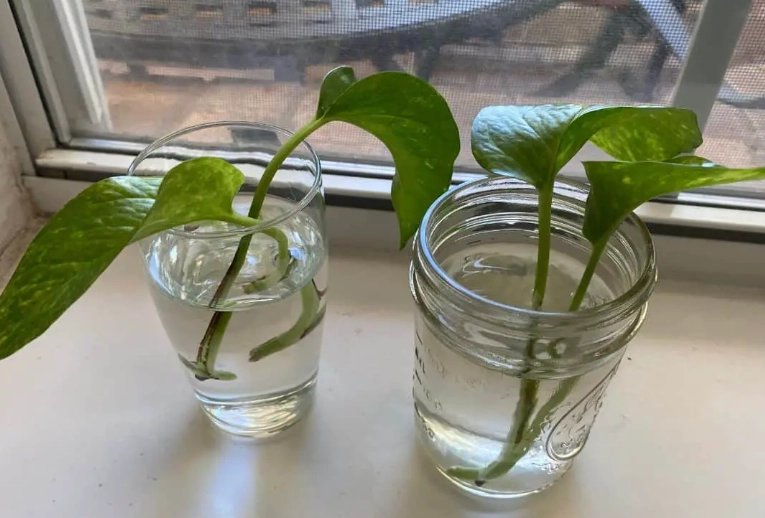
- From Cuttings: This is my go-to method. Snip a piece of stem about 4-6 inches long, just below a leaf node. Pull off the leaves from the bottom half and stick it in a glass of water. In a week or so, you'll see roots. Wait until they're an inch or two long, then pot them up. I've done this on my kitchen windowsill in February to get a head start on the season.
- From Tubers: If you managed to save a tuber from last year's plant (or bought one), you can treat it like a dahlia. In early spring, place it in a pot with moist potting mix, keep it warm, and wait for "eyes" to sprout. Once the sprouts are a few inches tall, you can pot up the whole thing or carefully cut the tuber into pieces, each with a sprout, to make multiple plants.
They demand warmth. Don't even think about putting them outside until nighttime temperatures are consistently above 50°F (10°C). They'll just sit there, looking miserable, and a cold snap can kill them outright. They thrive in full sun to partial shade. The more sun for the purple and black varieties, the deeper the color. The chartreuse ones can handle a bit more shade and might even prefer it in very hot climates to prevent leaf scorch.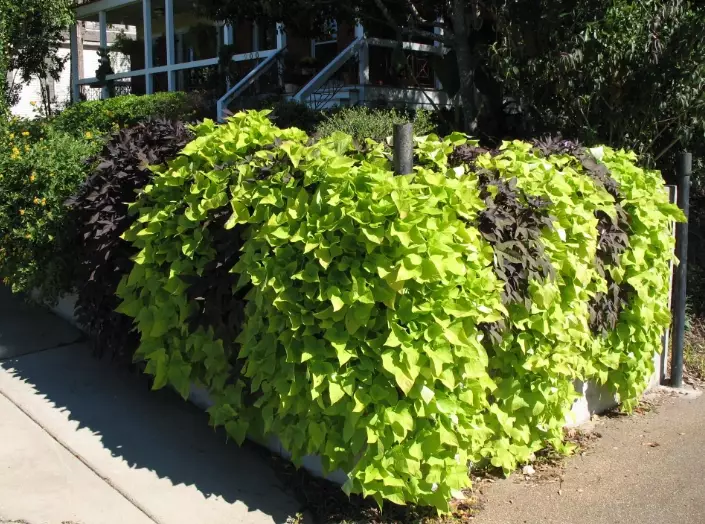
Growing Vines from Edible Potato Plants
Here, the goal isn't the vine itself, but the vine as an engine for tuber production. You start with "seed potatoes"—which are just small potatoes saved for planting. Get certified disease-free ones from a garden center or reputable online supplier; using grocery store spuds is a gamble with disease and sprout inhibitors.
The classic methods are trenching and hilling. You plant the seed potato in a trench or hole and, as the vines grow, you gradually mound soil (or straw) around the base. This encourages more tubers to form along the buried stem and protects them from sunlight, which turns them green and toxic. The University of Minnesota Extension's guide to growing potatoes is an excellent resource for this process, emphasizing the importance of this hilling for a good crop.
Now, here's a personal opinion: the "potato tower" or "bag" method you see all over Pinterest? I've tried it multiple times with mediocre results. The idea of harvesting a tower full of spuds is seductive, but often the yield isn't significantly better than in-ground planting, and keeping the soil consistently moist throughout the tall container is a chore. It's not a magic bullet. Sometimes, simple is best.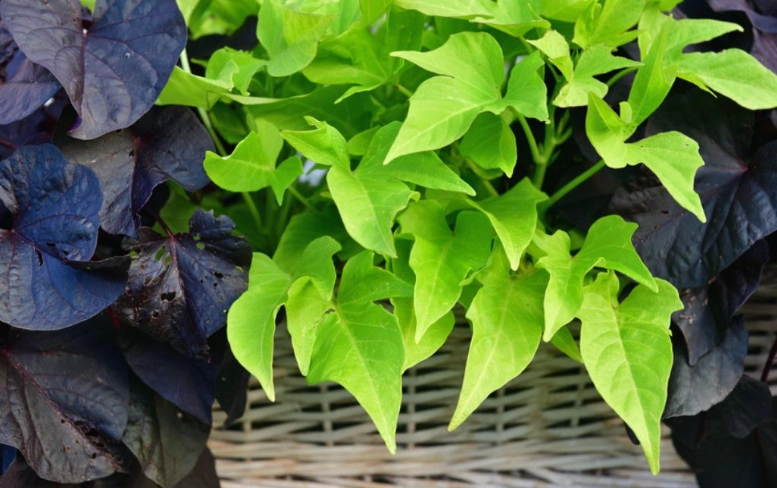
| Method | Best For | Key Advantage | Potential Drawback |
|---|---|---|---|
| In-Ground Hilling | Traditional gardeners with space | Excellent yield, natural soil insulation | Requires more space, harder to harvest |
| Containers/Bags | Patios, small spaces, poor soil | Easy harvest, less digging, good drainage | Dries out faster, can overheat |
| Straw Mulch Method | Weedy areas, heavy soil | Clean harvest, excellent weed suppression | Needs abundant straw, may attract slugs |
The Complete Care Guide for Thriving Potato Vines
Once they're growing, keeping them happy is straightforward if you nail a few key points.
Sunlight and Temperature
Both types are sun lovers. Aim for at least 6 hours of direct sun. Ornamental vines in too much shade become leggy—stretching out with lots of stem and fewer leaves—and their colors fade. Edible potato vines in insufficient sun will produce fewer and smaller tubers. They're warm-weather fans but not desert lovers. Intense, scorching heat (consistently above 95°F/35°C) can stress them, causing wilting and slowed growth.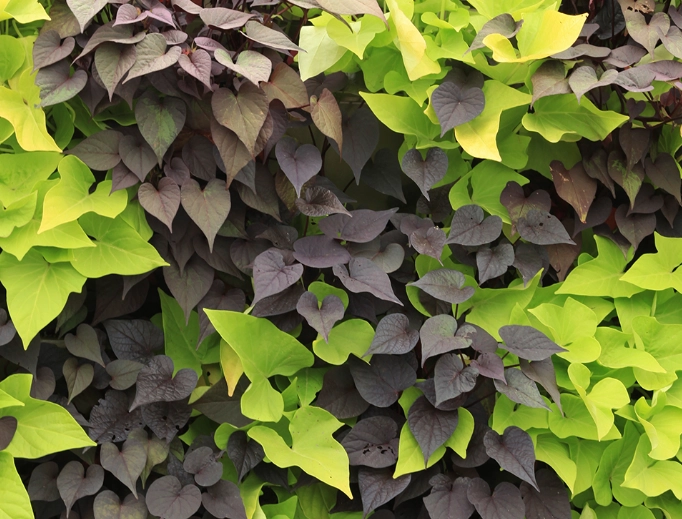
Watering: The Biggest Make-or-Break Factor
This is where most people slip up. Potato vines like consistent moisture but absolutely hate soggy, waterlogged feet. It's a delicate balance.
- Ornamental Vines in Pots: They're thirsty. Check them daily in summer. Water deeply until it runs out the bottom, then let the top inch of soil dry out before watering again. A wilted sweet potato vine usually perks up quickly with a drink, but repeated severe wilting stresses the plant.
- Edible Potato Plants: Even moisture is critical, especially from the time flowers appear until the vines start to yellow and die back at the end of the season. This is when the tubers are bulking up. Inconsistent watering (cycles of drought and flood) is a prime cause of misshapen potatoes or hollow heart. A good layer of mulch helps tremendously.
Feeding and Soil
Ornamental sweet potato vines aren't heavy feeders. A balanced, water-soluble fertilizer every 3-4 weeks during peak growth is plenty. Too much nitrogen, and you get all leaves and even more rampant growth with less vibrant color.
For edible potatoes, soil fertility is huge. They prefer a slightly acidic soil (pH 5.0-6.5). Mix in plenty of compost before planting. A fertilizer higher in phosphorus and potassium (the second and third numbers on the bag) promotes good root and tuber development. The National Gardening Association has detailed soil prep guides that are worth a look.
I made the mistake one year of using a very nitrogen-rich manure on my potato bed. The vines were magnificent—lush, dark green, and over six feet tall. It was a jungle. Come harvest time, I dug up a disappointingly small number of golf-ball-sized potatoes. The plant put all its energy into the vine, not the tubers. Lesson learned.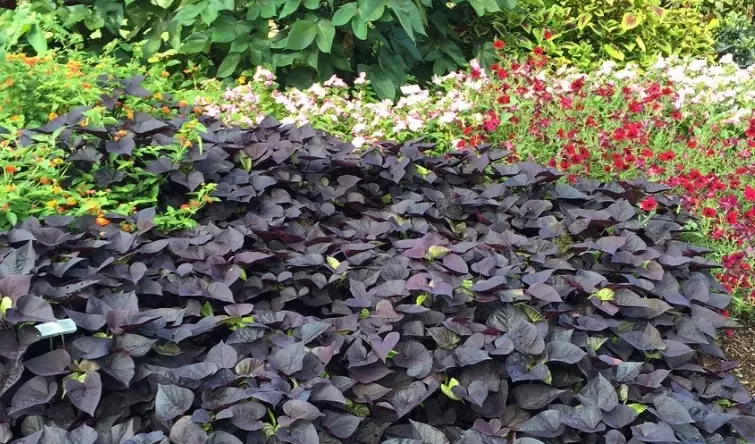
Pruning and Controlling the Spread
Ah, pruning. For ornamental sweet potato vines, this is essential gardening, not optional. If left alone, they can send runners several feet long in a single season.
Don't be shy. Pinch back the tips regularly to encourage bushier, denser growth. If a stem gets too long and scraggly, cut it back by half or more. You can root those cuttings! This constant tip-pinching is the secret to those full, overflowing baskets you see at the botanical garden. For edible potatoes, pruning isn't done unless you're trying to contain space. Some gardeners "top" the vines if they get too tall and floppy to prevent wind damage.
Solving Problems: Yellow Leaves, Pests, and Diseases
When your potato vines start looking sad, here's a diagnostic guide.
Yellow Leaves
- Lower, older leaves: Often natural aging, especially late in the season for edible potatoes. Could also be a sign of early blight (fungal spots accompany the yellowing).
- Widespread yellowing: The classic sign of overwatering and root rot. Let the soil dry out.
- Yellowing with green veins: This points to a nutrient deficiency, often iron or magnesium, particularly in containers. Try a chelated iron supplement or Epsom salts (magnesium sulfate).
Common Pests
Flea beetles: They leave a "shot-hole" pattern on leaves, especially on young edible potato plants. Row covers early in the season are the best defense.
Aphids: They cluster on new growth. A strong blast of water usually dislodges them.
Colorado potato beetles: The arch-nemesis of edible potato growers. These striped yellow-and-black beetles and their ugly red larvae can defoliate a plant. Hand-picking is effective for small plantings. For severe cases, spinosad-based organic insecticides work.
Sweet potato weevils: A serious pest in warmer climates that tunnels through vines and tubers. Using certified pest-free plants is crucial. The USDA has specific quarantine and management information for this pest.
Diseases to Watch For
Early & Late Blight: The infamous disease that caused the Irish Potato Famine. Causes dark spots on leaves that spread, eventually killing the vine. Promote good air circulation, water at the soil level (not overhead), and remove infected plants. Never compost them.
Root Rot (Fusarium/Pythium): Caused by soggy soil. The plant wilts, yellows, and dies. Prevention via well-draining soil is the only cure.
Top Varieties of Potato Vines to Try
If you're browsing at the garden center, here are some standout performers. I've grown most of these.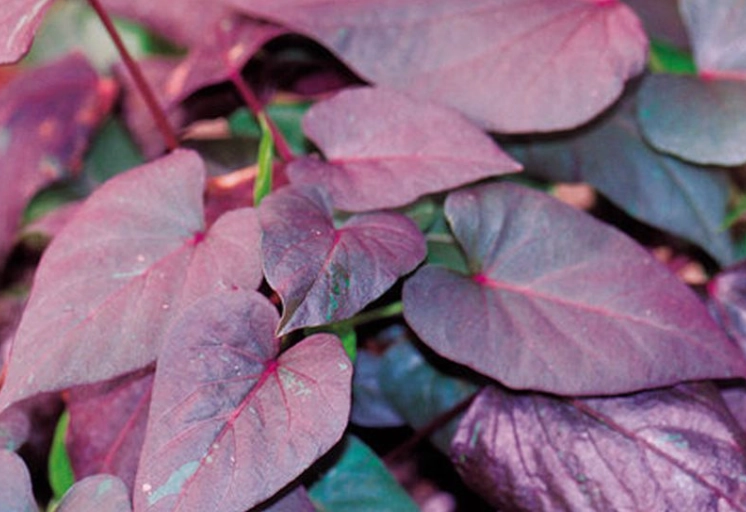
Ornamental Sweet Potato Vine Hall of Fame
- 'Marguerite': The classic, vibrant lime-green. It's almost fluorescent. Incredibly vigorous and lights up shady corners. My absolute favorite for brightening up dark plant combinations.
- 'Blackie': Deep purple, almost black, deeply lobed leaves. Stunning contrast against silver or bright green plants. Slightly less aggressive than 'Marguerite' in my experience.
- 'Sweet Caroline Sweetheart Red': A more restrained, bushier series. Heart-shaped leaves in a beautiful burgundy-red. Great if you want the color but fear the takeover.
- 'Tricolor' (also called 'Pink Frost'): Variegated green, white, and pink. Absolutely gorgeous but can be a bit more temperamental—often slower growing and less tolerant of extreme heat or cool weather.
Notable Edible Potato Types (Based on Vine Habit)
- Early Season (Vines mature quickly): 'Yukon Gold', 'Red Norland'. Their vines die back sooner, which is great for short seasons.
- Main Season (Large, robust vines): 'Russet Burbank', 'Kennebec'. These produce big plants and need the full season.
- Compact/Bush Types: 'French Fingerling', some 'Potato Bush' varieties. Their vines are more contained, ideal for containers or small spaces.
Creative Uses in the Garden
Beyond just trailing from a pot, potato vines are design workhorses.
Use the ornamental types as a "spiller" in container recipes. They're the standard for a reason. Try them as a fast-growing annual ground cover in a bare spot—just be prepared to pull it all out at season's end. I've seen them trained up a small, lightweight trellis for a vertical foliage effect, which looks surprisingly elegant.
For edible potato vines, some gardeners with limited space use them in edible landscaping. The plants have a nice, bushy form and simple white or purple flowers. Just remember they'll leave a gap when you harvest.
Overwintering and Propagation
Ornamental sweet potato vines are tender perennials. In frost-free climates, they grow year-round. For the rest of us, you have options:
- Take Cuttings: In late summer, take several cuttings, root them in water, and pot them up. Keep them as houseplants in a sunny window over winter. They often get leggy indoors, but you can keep trimming them back to encourage bushiness until it's time to go outside again.
- Save the Tuber: Before the first frost, dig up the plant, shake off the soil, and you'll often find a tuber (or several). Let it dry for a day, then store it in slightly moist peat moss or vermiculite in a cool (50-60°F), dark place like a basement. Re-sprout it in spring.
Edible potato plants are annuals. You harvest the tubers, and the vine cycle is complete.
Frequently Asked Questions (The Real Ones Gardeners Ask)
So there you have it. Potato vines, in all their forms, are dynamic, sometimes demanding, but ultimately rewarding plants. Whether you're after a cascade of color or a harvest of homegrown potatoes, understanding what's happening above ground is key to success below it. Start with the right plant for your goal, give it the sun, water, and food it needs, and don't be afraid to give it a haircut. Now go get your hands dirty.
Comments