In This Guide
- Why Are Haworthias So Popular (And Rightfully So)?
- Navigating the Haworthia Jungle: A Handful of Common Types
- The Golden Rules of Haworthia Care (Forget the Generic Advice)
- Propagation: Making More Little Haworthias
- Common Problems and How to Fix Them (The Real Talk)
- Answers to Questions You're Probably Searching For
- Wrapping It Up: My Final Thoughts
Let's be honest. The world of succulents can be intimidating. You see these perfect, sculptural plants on Instagram, living in pristine white pots, and think, "I could never keep that alive." Then you bring home a cute little rosette, water it with love, and watch it slowly turn to mush. Sound familiar?
I've been there. I've killed my share of plants. But then I found Haworthias, and honestly, they changed the game for me. They're forgiving, they're weirdly beautiful, and they don't demand a sun-drenched south-facing window to survive. If you've ever struggled with succulents, or if you're just looking for a chill, low-maintenance plant buddy, you're in the right place. This isn't a scientific paper. It's the guide I wish I'd had when I started.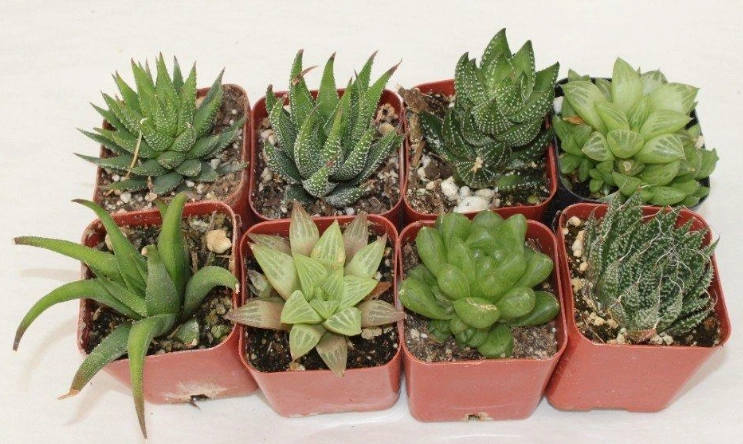
Why Are Haworthias So Popular (And Rightfully So)?
It's not just hype. These plants earn their keep. First off, they're the perfect candidate for that shelf or desk that gets some light, but isn't a blazing sun portal. Most common haworthia varieties thrive in bright, indirect light. That's a big deal for apartment dwellers or anyone with less-than-ideal windows.
They're also slow growers. You won't need to repot them every six months. This makes them ideal for small spaces, terrariums (open ones, please!), and creating long-lasting arrangements. Their form is their flower—tight geometric rosettes, some with translucent "leaf windows," some with bumpy white tubercles, others with fierce spines. They're living sculptures.
And here's the real kicker for beginners: they give you clear signals. An underwatered Haworthia will get a bit wrinkled and its leaves will close up tighter. An overwatered one turns yellow or black and mushy. Once you learn their language, it's easy to respond.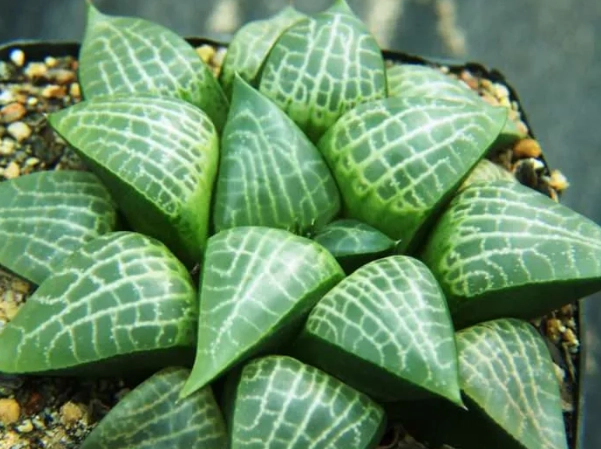
Navigating the Haworthia Jungle: A Handful of Common Types
The taxonomy of Haworthias can get... messy. Experts reclassify them, and common names are all over the place. Don't let that scare you. For us home growers, focusing on the visual groups and their general needs works perfectly. Here are the ones you'll most likely encounter.
The "Window" Haworthias
These are the magical ones. Plants like Haworthia cooperi and Haworthia truncata have translucent tips at the ends of their leaves. They use these "windows" to channel light down into the buried part of the leaf body—an amazing adaptation to growing partially buried in their native habitat to avoid the harsh sun. They look like little clusters of green gems.
The "White Zebra" Haworthias
This is the classic. Haworthia fasciata (the true Zebra Plant) and the more common Haworthia attenuata are famous for their horizontal white bands or raised white bumps (tubercles). They form neat, pointed rosettes. H. attenuata is everywhere, super tough, and often mislabeled as fasciata. The main difference? Fasciata usually has smooth inner leaf surfaces, while attenuata has bumps on both sides. Honestly, both are great starters.
The "Bumpy" or Retuse Haworthias
Think Haworthia retusa or Haworthia bayeri. These form low, star-shaped rosettes with chunky, triangular leaves that often have beautiful, intricate patterning of lines and dots. They're collector favorites for their incredible diversity and artistry.
So which one should you get first?
| Haworthia Type | Best For... | Light Preference | My Personal Note |
|---|---|---|---|
| Haworthia attenuata (Zebra) | Absolute beginners, low-light tolerance champs. | Bright indirect to medium light. | Nearly indestructible. My go-to gift plant. |
| Haworthia cooperi var. truncata | Those who love unique, "alien" looks. | Bright indirect light. Can scorch easily. | Water carefully. Its plump leaves are prone to rot if over-loved. |
| Haworthia limifolia (Fairy Washboard) | Adding texture. Has pronounced horizontal ridges. | Bright indirect light. | Grows steadily and offsets freely. Very satisfying. |
| Haworthia pumila (Now Tulista pumila) | The patient collector. Large, stunning, slow. | Brighter indirect light, some morning sun. | Expensive and slow, but a true centerpiece. Don't overwater! |
The Golden Rules of Haworthia Care (Forget the Generic Advice)
Most succulent care sheets are written for Echeverias. Haworthias play by slightly different rules. Here’s what actually works.
Light: They Don't Want a Sunburn
This is the biggest mistake people make. They hear "succulent" and blast it with full sun. Bad idea. While they need good light to maintain compact form and color, most Haworthias prefer bright, filtered, or indirect light. An east-facing window is perfect. A west or south window is fine if you diffuse the light with a sheer curtain, or place the plant a few feet back from the glass.
Signs of too much sun: Leaves turn red, purple, or brown (not a healthy stress color, but a scorch), they get crispy, and the plant may stop growing. Signs of too little light: The rosette starts to stretch out, becoming "leggy," the leaves elongate, and the color fades to a dull green. The plant is reaching for light.
Watering: The Soak-and-Desert Method
Overwatering is the #1 killer. Haworthias store water in their leaves. They are built for drought. Your goal is to mimic a desert thunderstorm followed by a long dry period.
- Wait for dryness: Let the potting mix dry out completely. Stick your finger in the drainage hole. Is it dry? Wait a few more days. Seriously.
- Soak thoroughly: When you water, do it properly. Take the pot to the sink and run water through the soil until it streams freely out the bottom. This ensures the entire root ball gets moisture.
- Drain completely: Let the pot drain fully. Never let it sit in a saucer of water.
- Forget it again: Return it to its spot and don't think about water for a long time.
Frequency? There is no schedule. It depends on your light, temperature, pot, and soil. In a warm, bright room in summer, it might be every 10-14 days. In a cool, low-light spot in winter, it could be once a month or even less. The plant will tell you. Slightly wrinkled, thinner leaves mean it's thirsty.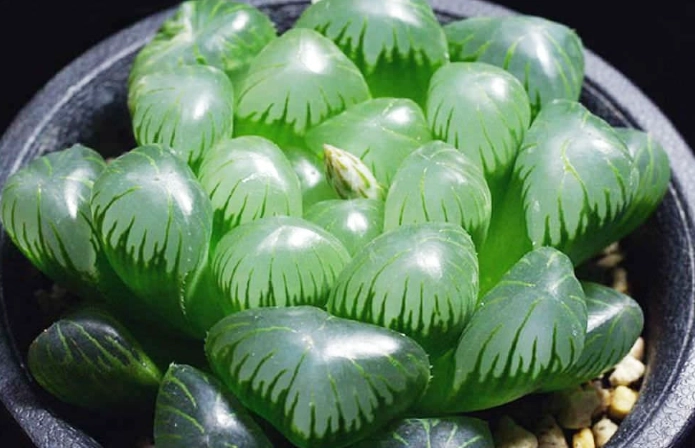
Soil and Potting: It's All About Drainage
This is non-negotiable. Regular potting soil holds too much moisture. You need a gritty, fast-draining mix. You can buy a pre-made cactus & succulent mix, but I find even those hold too much peat. Here's my simple, bulletproof recipe:
- 50% Bagged Cactus & Succulent Soil (like Miracle-Gro or Espoma)
- 50% Inorganic Grit (a mix of perlite, pumice, and/or coarse horticultural sand)
Mix it all up. When you water, it should drain through in seconds. The pot matters too. Unglazed terracotta pots are the gold standard. They're porous, allowing the soil to dry from the sides as well as the top. A drainage hole is mandatory. No debates.
Temperature and Humidity
They like the same temperatures you do. Average room temps (65-80°F / 18-27°C) are perfect. They can handle down to about 50°F (10°C) and up into the 90s°F (30s°C) if not in direct sun. Standard household humidity is fine. You don't need to mist them—in fact, avoid it, as water sitting in the rosette can cause rot.
Propagation: Making More Little Haworthias
One of the joys of haworthias is how readily many species produce offsets, or "pups." These are little clones that grow from the base of the mother plant.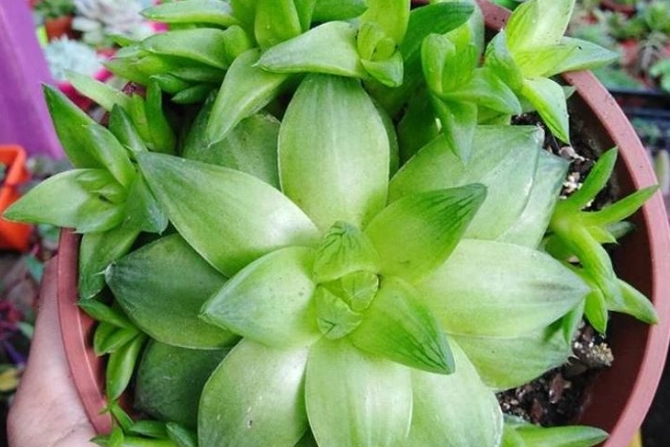
- Wait until the offset is a decent size (about 1/3 the size of the mother plant). It will have its own root system.
- Gently remove the entire plant from its pot. Brush away the soil to see where the pup connects to the mother.
- Using a clean, sharp knife or your fingers, gently separate the pup, trying to keep as many of its roots intact as possible. Sometimes they pop off with a gentle twist.
- Let the pup's wound callus over for a day or two in a dry, shaded spot. This prevents rot when you pot it.
- Plant the pup in a small pot with your dry, gritty mix. Don't water it for about a week. This gives the roots time to settle and seek moisture. Then, give it a light watering and treat it like a mature plant.
You can also grow them from leaf cuttings, but it's slower and less reliable than with some other succulents. Seed propagation is for the ultra-patient collector.
Common Problems and How to Fix Them (The Real Talk)
Let's troubleshoot. Here are the issues you're most likely to face.
Leaves turning mushy, yellow, or black at the base: Classic overwatering and/or poor drainage. Root rot has set in. Action: Stop watering immediately. Take the plant out of its pot. Cut away any black, mushy roots and leaves with a sterile tool. Let the plant dry out for several days, then repot in fresh, dry, gritty mix. Don't water for at least a week. Pray.
Leaves are wrinkled, thin, and curling in: The plant is thirsty. It's using its stored water. Action: Give it a good, thorough soak. It should plump up within a day or two. If it doesn't, the roots may be dead from previous overwatering and can't take up water—you'll need to check the roots as above.
Brown, crispy leaf tips: Could be sunburn if the rest of the leaf is discolored. Could also be a build-up of salts/minerals from tap water or a sign of underwatering over a very long period. Action: Move out of direct sun if suspected burn. You can trim the crispy tip off with clean scissors for aesthetics. Consider using filtered or rainwater if your tap water is very hard.
Plant is stretching, pale, and loose: Not enough light. Action: Gradually move it to a brighter location. The new growth will be compact, but the old stretched part won't shrink back. Eventually, you can behead the compact top and re-root it if the look bothers you.
Mealybugs: The white, cottony pests. They love hiding in the tight spaces between leaves. Action: Isolate the plant. Use a cotton swab dipped in rubbing alcohol to dab each bug. For bad infestations, spray with insecticidal soap or a diluted neem oil solution, getting it into the crevices. Check weekly.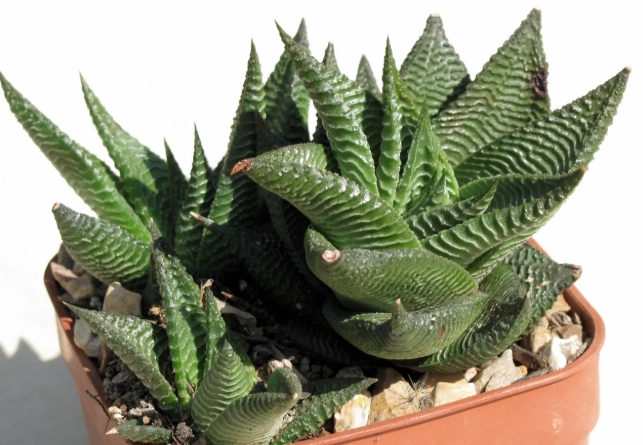
Answers to Questions You're Probably Searching For
Wrapping It Up: My Final Thoughts
Haworthias are the quiet, resilient heroes of the succulent world. They don't scream for attention, but they reward close observation with fascinating forms and textures. They teach you patience and restraint—the two hardest skills for a new plant parent.
Start with a common Zebra plant. Get the feel for its watering needs in your home. Don't be afraid to let it get thirsty. Once you've kept one happy for a season, branch out to the windowed or retuse types. There's a whole world of weird and wonderful haworthias out there for collectors.
For further reading on succulent taxonomy and detailed species information, the International Succulent Introductions site is an incredible, if technical, resource. University extensions, like those from the University of Minnesota, also offer great, science-based general guides on succulent care that reinforce these principles.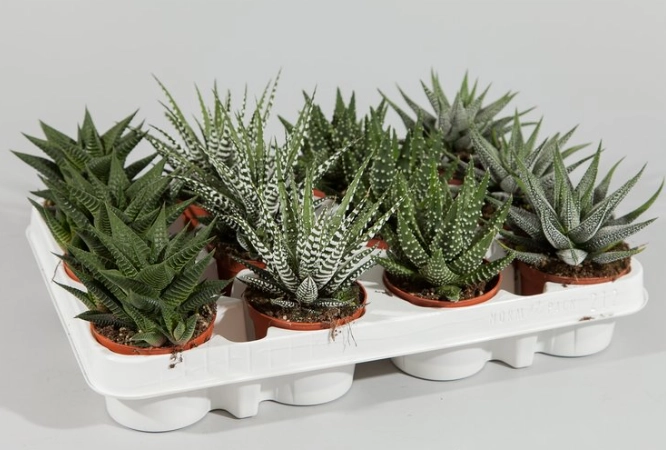
Good luck, and enjoy your Haworthia journey!


Comments