Quick Navigation
- Why Choose Bamboo in Pots? The Benefits Outweigh the Myths
- The First and Most Crucial Step: Picking Your Bamboo
- The Pot and The Soil: Building a Strong Foundation
- The Planting Process and Initial Care
- Ongoing Care: Water, Food, and a Bit of Grooming
- The Inevitable: Repotting and Root Maintenance
- Winter Care for Potted Bamboo
- Common Problems and Solutions for Bamboo in Containers
- Answering Your Burning Questions
- Parting Thoughts and Resources
Let's be honest, the idea of growing bamboo can be a bit intimidating. You've probably heard the horror stories about invasive roots cracking concrete and taking over entire gardens. I know I did, and it kept me from trying bamboo for years. But what if I told you there's a way to enjoy all the beauty and serenity of bamboo without the nightmare? That's the magic of growing bamboo in pots.
It completely changes the game. Containing bamboo in a pot gives you control. You get the elegant, swaying canes and the lovely rustling sound without committing your entire yard to a single plant. Whether you have a tiny balcony, a paved patio, or just want to add a vertical accent to your living room, potted bamboo is a fantastic option. But it's not quite as simple as just shoving any bamboo into any old pot and hoping for the best. I learned that the hard way when my first attempt ended up with yellow leaves and a sad-looking plant.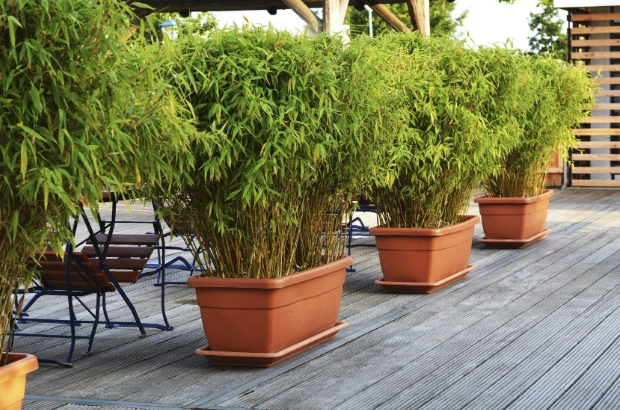
This guide is everything I wish I'd known back then. We're going to walk through the whole process, from picking the right plant to keeping it happy for years. It's not rocket science, but there are some key things to get right.
Why Choose Bamboo in Pots? The Benefits Outweigh the Myths
Most people's first question is "why bother?" If bamboo is so troublesome in the ground, why invite it home at all? Well, when you grow bamboo in pots, you flip its biggest weakness into its greatest strength.
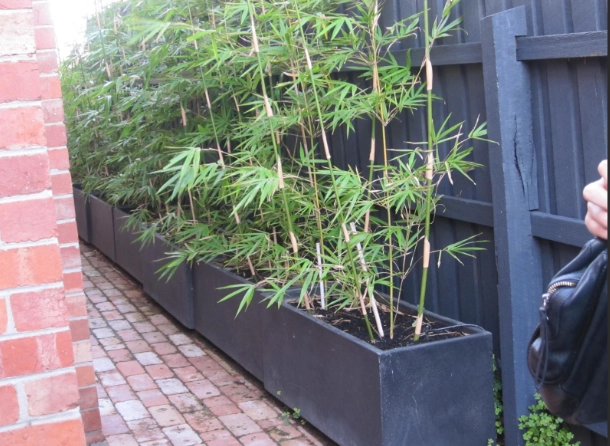
First, there's the obvious: containment. The pot acts as a physical barrier for the roots (the rhizomes, to be precise). This means you can grow even the more vigorous "running" types of bamboo without fear of them spreading where you don't want them. Your neighbors will thank you. This control is the single biggest reason to opt for bamboo in containers.
Then there's flexibility. Your bamboo isn't anchored to one spot. You can move it around to catch the best light, create privacy on a deck for the summer, or bring a tender variety indoors when frost threatens. I rearrange my potted bamboos a few times a year—it's like having movable garden architecture.
For those in colder climates (like me, in a zone 6 area), pots are a lifesaver. Many beautiful bamboos aren't fully hardy in the ground where I live. But by growing them in pots, I can give them extra protection in winter, moving them against a sheltered wall or even into an unheated garage. It opens up a whole new palette of plants.
Of course, it's not all perfect. Bamboo in pots requires more attention than in-ground bamboo. They're dependent on you for all their water and nutrients. They can get root-bound faster. But with the right setup, it's a very manageable relationship.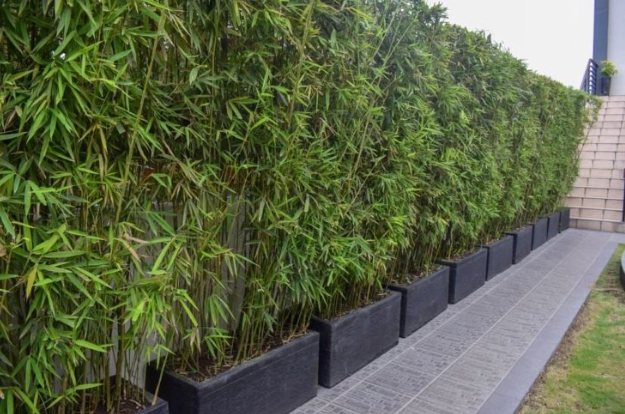
The First and Most Crucial Step: Picking Your Bamboo
This is where most beginners, including past-me, go wrong. You fall in love with a picture of a giant timber bamboo and think, "That'll look great on my apartment balcony." It won't. Choosing the right species or cultivar for container life is 80% of success.
You'll primarily hear about two types: clumping and running. In the ground, this distinction is critical. In pots, it becomes less about invasion and more about growth habit and vigor.
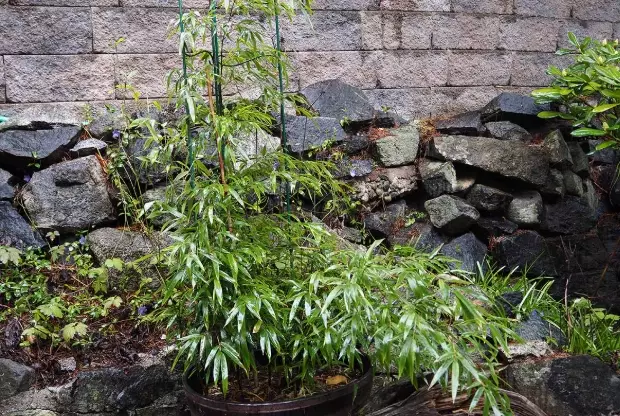
- Clumping Bamboos (Sympodial): These grow in a tight, gradually expanding cluster. They tend to be slower growing and less aggressive. For pots, they are often the lower-maintenance choice because they fill the container more slowly. Examples include Bambusa and Fargesia genera. My Fargesia rufa has been in the same large pot for five years and is only just now needing to be divided.
- Running Bamboos (Monopodial): These send out long underground rhizomes that can travel. In a pot, they hit the walls and circle, creating a dense root mass quickly. They can be more vigorous, which means they might need repotting or root pruning more often. Phyllostachys is the classic running genus. Don't be scared of them for pots—just know they'll be thirstier and hungrier.
Beyond type, you need to think about size, hardiness, and sun requirements. A giant 40-foot Phyllostachys vivax will be miserable and stunted in a small pot. It's cruel to the plant and looks terrible.
Top Bamboo Varieties for Container Success
After killing a few and nurturing many, here's my shortlist of bamboos that genuinely thrive in the confines of a pot. These are tried and true.
| Bamboo Variety | Type | Mature Height in Pot | Key Features & Why It Works | Hardiness Zone |
|---|---|---|---|---|
| Fargesia rufa | Clumping | 6-10 ft | Incredibly cold-hardy, dense foliage, tolerant of some shade. A super forgiving choice for beginners. Doesn't mind being a bit root-bound. | 4-9 |
| Fargesia 'Blue Dragon' | Clumping | 8-12 ft | Beautiful blue-green canes. More upright habit, great for a screen. Vigorous for a Fargesia but still very manageable. | 5-9 |
| Phyllostachys aurea (Golden Bamboo) | Running | 10-18 ft | Classic golden canes. Surprisingly adaptable to pots if given enough space. Its running nature means it fills the pot quickly for a lush look fast. | 6-11 |
| Phyllostachys bissetii | Running | 12-20 ft | One of the toughest and most cold-hardy Phyllostachys. Dark green canes and dense leaf cover. A workhorse for a large container privacy screen. | 4-9 |
| Bambusa multiplex 'Alphonse Karr' | Clumping | 15-25 ft | Stunning canes striped green and gold. Loves heat and sun. Perfect for large pots in warmer climates (or brought indoors in winter in cold areas). | 8-11 |
| Pleioblastus fortunei (Dwarf Whitestripe) | Running (Dwarf) | 1-2 ft | Not all bamboo in pots needs to be tall! This is a stunning groundcover type with white-striped leaves. Perfect for small pots, edging, or as an understory plant. | 6-10 |
My personal favorite for a medium-sized pot is 'Blue Dragon'. It just has a presence. The 'Alphonse Karr' is breathtaking, but it's a diva in anything less than perfect sun and warmth.
The Pot and The Soil: Building a Strong Foundation
You've got your plant. Now it needs a home. This isn't just about looks—the right pot and soil mix are critical for the long-term health of your bamboo in a container.
The Container: Bigger is generally better. Bamboo has a dense, fibrous root system. I recommend starting with a pot at least 18-24 inches in diameter and depth. Depth is crucial for stability, as bamboo can get top-heavy. Material matters too.
- Plastic/Resin: Lightweight, cheap, and retains moisture well. Great for moving plants around. Can look cheap, and may crack in freezing temps if waterlogged.
- Glazed Ceramic: Heavy and stable, excellent for moisture retention. Beautiful finishes. Very heavy when filled, expensive, and can crack in frost.
- Terra Cotta: Breathable, which helps prevent overwatering. Classic look. Dries out very quickly (a major con for thirsty bamboo), heavy, and cracks in freeze-thaw cycles.
- Wood: Insulates roots well, looks natural. Can rot over time. Line with plastic (with drainage holes) to prolong life.
My go-to is a sturdy, frost-proof glazed ceramic or a high-quality plastic pot that mimics another material. Drainage holes are non-negotiable. Bamboo hates soggy feet. If your beautiful pot has no holes, use it as a cache pot—plant in a plain plastic pot with holes and set it inside the decorative one.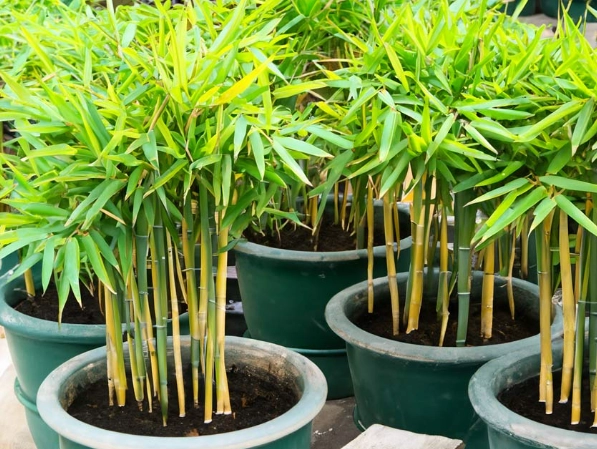
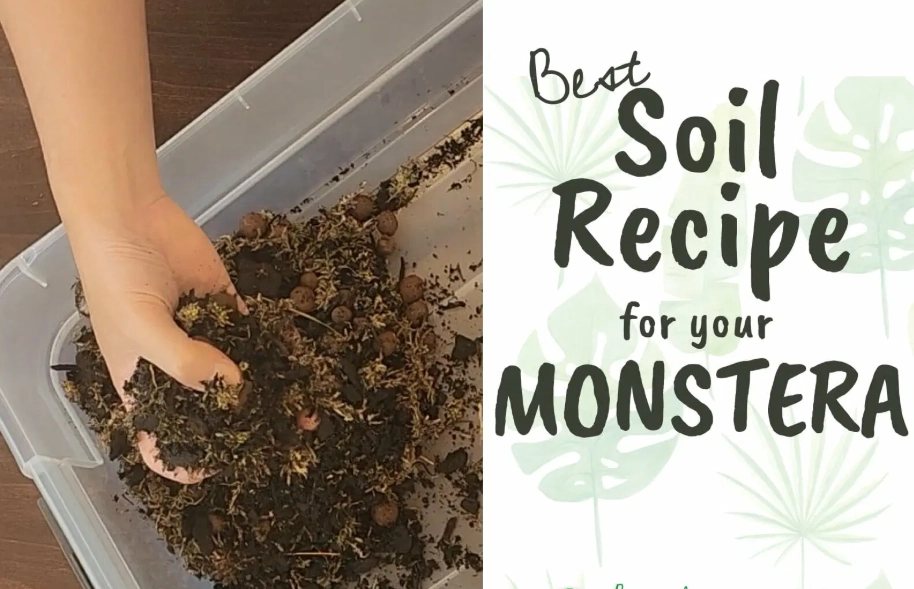
The Soil Mix: Do not use garden soil or heavy, cheap potting mix. It will compact and suffocate the roots. Bamboo needs a mix that is well-draining yet moisture-retentive—a bit of a balancing act.
Here's a mix I've had great success with:
- 50% high-quality, general-purpose potting soil (look for one with perlite)
- 30% compost or well-rotted manure (for nutrients and moisture retention)
- 20% coarse horticultural sand or fine pumice (for drainage and aeration)
You can also add a handful of controlled-release fertilizer granules formulated for trees and shrubs into the mix at planting time. It gives them a gentle, long-term feed.
Think of it as building a comfortable, breathable, nutrient-rich bed for your bamboo's roots.
The Planting Process and Initial Care
Planting day is straightforward. Place a layer of broken pottery or coarse gravel over the drainage holes to prevent soil washout. Add your soil mix so the root ball's top will sit about an inch below the pot's rim. Gently tease out any tightly circling roots if the plant is root-bound—this encourages them to grow outward into the new soil. Position the bamboo, fill in around it with soil, firming gently as you go. Water it thoroughly until water runs freely from the bottom.
Now, the most important rule for new bamboo in pots: Keep it consistently moist for the first growing season. Not waterlogged, but never bone dry. The root system is establishing and can't seek out water on its own. I check mine every other day for the first month or two.
Ongoing Care: Water, Food, and a Bit of Grooming
This is the daily relationship. Bamboo in containers are completely reliant on you.
Watering – The Biggest Challenge
Bamboo is a grass, and grasses are thirsty. In the heat of summer, a large, established bamboo in a pot might need watering every single day. Smaller pots dry out even faster. The leaves will curl lengthwise (like rolling a paper scroll) when desperately thirsty—a clear distress signal. Try not to let it get to that point.
The finger test is your friend: stick your finger into the soil up to the second knuckle. If it feels dry, water deeply until it runs out the bottom. In winter, watering is minimal—just prevent the root ball from completely desiccating, especially for evergreens.
Feeding – Keeping the Growth Lush
Potted plants exhaust nutrients quickly. Feed your bamboo regularly during the growing season (spring to mid-summer). I use a balanced, water-soluble fertilizer (like a 10-10-10 or 20-20-20) every 4-6 weeks. You can also use a slow-release fertilizer applied in spring. Stop feeding by late summer to allow new canes to harden off before winter.
A sign of hunger? Pale green or yellowing leaves (especially older ones) and sluggish new cane production.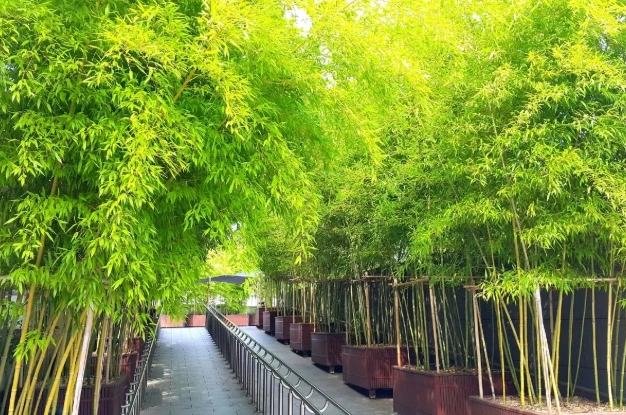
Sunlight and Placement
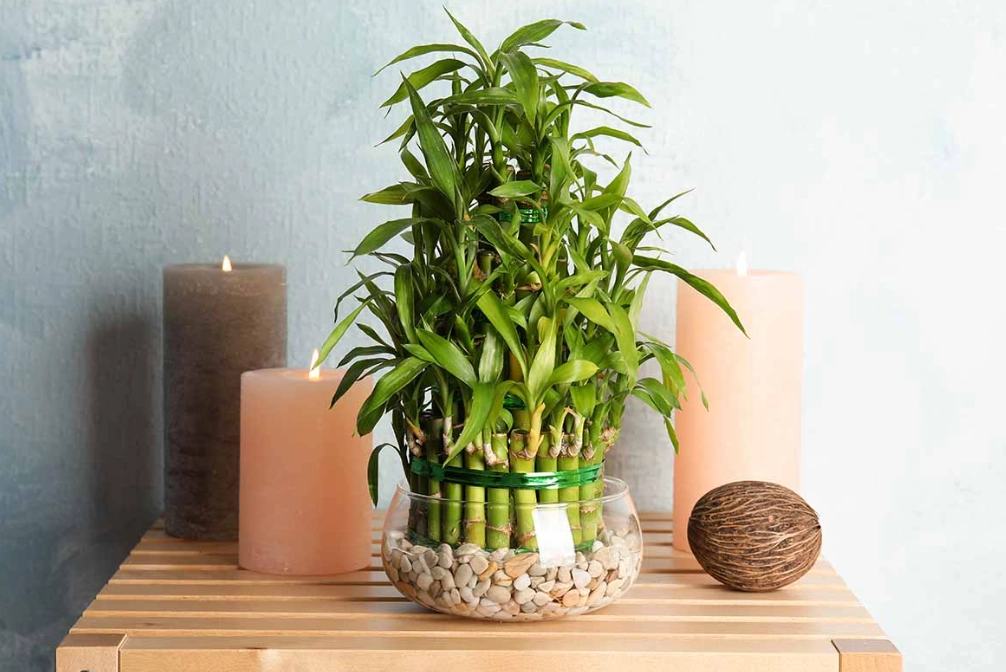
Most bamboos for pots prefer full sun to partial shade. At least 4-6 hours of direct sun is ideal for good cane strength and leaf density. In very hot climates, some afternoon shade can prevent leaf scorch. Indoors, lucky bamboo (Dracaena sanderiana, not a true bamboo) is famously low-light tolerant, but true bamboos need bright, indirect light indoors to survive.
Grooming and Pruning
This is the fun part. You can shape your bamboo. Remove any dead, damaged, or excessively thin canes at ground level to open up the clump and improve air circulation. You can also "limb up" your bamboo by removing the lower branches to show off the handsome canes—this creates a stunning, tree-like effect. Use sharp, clean pruners.
The Inevitable: Repotting and Root Maintenance
Sooner or later, your bamboo will outgrow its pot. You'll see roots circling the surface or poking out the drainage holes. Growth may slow, and it will dry out incredibly fast. Time to repot.
For a clumper, you typically move it to a pot one size larger every 3-5 years. For a vigorous runner, it might be every 2-3 years. The alternative, especially if you want to keep the plant the same size, is root pruning and division.
This sounds scarier than it is. In early spring, before new growth starts:
- Lay the pot on its side and gently slide the entire root ball out.
- Using a sharp saw (an old bread knife works great) or a pruning saw, you can slice off the bottom third or so of the root mass.
- You can also slice vertically around the sides, removing a perimeter of roots.
- Then, replant it in the same pot with fresh soil mix around the trimmed root ball.
This is also how you divide bamboo in pots to make new plants. Just use the saw to cut the root mass into two or more sections, each with several healthy canes, and pot them up individually.
It's like giving your bamboo a haircut and a new pair of shoes.
Winter Care for Potted Bamboo
This is a major concern for many. The roots in a pot are far more exposed to cold than roots in the ground. For bamboo that is borderline hardy in your zone, you need a strategy.
- Insulate the Pot: Bubble wrap, burlap stuffed with leaves, or special pot insulator jackets can make a huge difference. The goal is to protect the roots, not necessarily the leaves.
- Move to Shelter: Push pots against the south side of your house (which is warmer) or into an unheated garage, shed, or porch. The plant doesn't need light if it's fully dormant (deciduous types), but evergreens like most bamboos do need some light. A cold greenhouse is ideal.
- Wind Protection: Winter wind can desiccate and burn leaves. A temporary burlap screen can help.
- Water Occasionally: Check the soil on mild days. Evergreen bamboos continue to lose moisture through their leaves and can die from drought in winter.
Common Problems and Solutions for Bamboo in Containers
Even with the best care, issues pop up. Here’s a quick diagnostic table.
| Problem | Likely Cause | The Solution |
|---|---|---|
| Yellowing Leaves | 1. Overwatering (soggy soil). 2. Underwatering (crispy, dry). 3. Nutrient deficiency (older leaves yellow first). 4. Natural shedding (a few old leaves). |
Check soil moisture. Adjust watering. If soil is wet and smells foul, root rot may have set in—repot. Feed if needed. |
| Leaf Tip Burn (brown tips) | 1. Low humidity (common indoors). 2. Salt/fertilizer build-up in soil. 3. Tap water with high fluoride/chlorine. |
Mist leaves occasionally. Flush the pot thoroughly with water to leach salts. Use filtered or rainwater if possible. |
| Weak, Flopping Canes | 1. Not enough sunlight. 2. Pot is too small/root-bound. 3. Lack of nutrients (especially potassium). |
Move to a sunnier location. Repot or root-prune. Implement a regular feeding schedule. |
| No New Growth | 1. Dormant season (winter). 2. Severely root-bound. 3. Insufficient water or nutrients. |
Be patient in winter. Otherwise, check roots and repot if necessary. Review care routine. |
| Pests (Spider Mites, Mealybugs) | Most common on indoor or stressed plants. Low humidity. | Isolate plant. Wipe leaves with soapy water or use insecticidal soap/neem oil. Increase humidity. |
Answering Your Burning Questions
Parting Thoughts and Resources
Growing bamboo in pots is one of the most rewarding container gardening projects. It's dynamic, architectural, and brings a unique energy to a space. It does ask for a bit more commitment than a petunia, but the payoff is a plant that feels more like a companion.
Start with a forgiving variety like a Fargesia, get a big enough pot with great soil, and commit to checking its water needs regularly. You'll be amazed at how quickly it transforms your patio or balcony.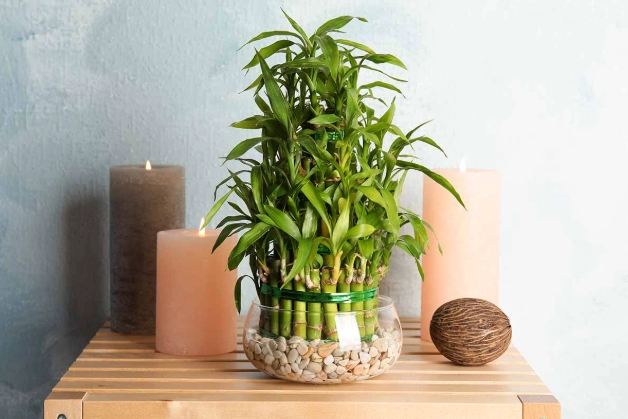
For deeper dives into specific species and their characteristics, I always recommend checking authoritative sources. The American Bamboo Society website is an incredible repository of information from real enthusiasts and experts. For checking the cold hardiness and scientific names of different bamboos, the USDA Plants Database is an invaluable, verifiable resource. It helps cut through the confusion of common names.
So, go ahead. Give bamboo in a pot a try. You might just find it's the most satisfying plant in your garden.
Comments