Quick Navigation
- Why Getting Cactus Watering Right Is a Big Deal
- The Golden Rules: How to Water Cactus the Right Way
- The Seasonal Shifts: Your Year-Round Watering Calendar
- Special Cases and Common Cactus Watering Scenarios
- Top Signs You're Getting It Wrong (Troubleshooting)
- Your Cactus Watering FAQ – Real Questions, Straight Answers
- Putting It All Together: Your Action Plan
Let's be honest. If you've ever killed a cactus, there's a 99% chance you did it with kindness. With water. We've all been there – that little guy on the windowsill looking a bit sad, and your instinct is to give it a drink. Big mistake. Huge. Learning how to water cactus plants is the single most important skill you can master if you want them to live long, happy lives, and maybe even bloom for you. It's not about sticking to a rigid schedule you read online. It's about understanding a desert mindset.
I killed my first cactus, a cute little round Mammillaria, within three months. I watered it every Sunday because that's what I did with my other plants. It turned into a mushy, brown mess. That failure sent me down a rabbit hole of research and conversations with actual cactus growers. What I learned changed everything. This guide is that hard-won knowledge, stripped of confusing jargon, delivered straight.
The Core Idea: Cacti are not like your Monstera or your Peace Lily. They are masters of drought survival, storing water in their stems to last for months. Watering them is not about maintenance; it's about simulating the rare, generous downpours of their native habitats, followed by long periods of bone-dry soil. Get this rhythm wrong, and the roots suffocate and rot. Get it right, and you'll be rewarded with resilient, growing plants.
Why Getting Cactus Watering Right Is a Big Deal
You might think, "It's just a cactus, how complicated can it be?" But the complications are exactly why so many die. Overwatering isn't just giving it too much water once. It's a slow, silent killer caused by soil that stays damp for too long. In that moist environment, opportunistic fungi and bacteria attack the roots, which are designed for arid conditions. The rot starts underground, out of sight, and by the time you see a soft, discolored spot on the base, it's often too late.
Underwatering, while less common, stresses the plant. It will use up all its internal water reserves, causing it to shrivel, wrinkle severely, and stop all growth. It's a cry for help, but one that's much easier to fix than rot.
So, the goal of learning how to water cactus effectively is to hit that sweet spot: a deep, thorough drink that fully saturates the root ball, followed by a complete and rapid drying out of the potting mix. This cycle encourages strong, healthy root growth as the roots stretch out searching for the last bits of moisture.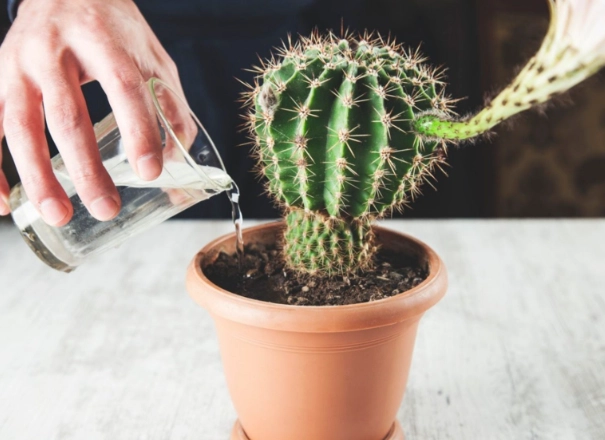
The Golden Rules: How to Water Cactus the Right Way
Forget "once a week" or "once a month." Those are recipes for disaster because they ignore all the variables. Instead, follow these core principles.
Rule 1: Water Only When the Soil is Completely Dry
This is non-negotiable. And I don't just mean the top inch. I mean all of it. The best way to check? Use the "finger test" or, even better, get a cheap wooden chopstick or skewer. Stick it deep into the potting mix, all the way to the bottom near the roots. Leave it for a minute, pull it out, and feel it. If it comes out with any soil sticking to it or feels cool and damp, wait. If it comes out clean, dry, and warm, it's time to water.
For small pots, this might be every 10-14 days in summer. For large, deep pots, it could be 3-4 weeks. You have to check.
Rule 2: Soak It, Don't Sprinkle It
When it's finally time to water, do it properly. A timid little splash on the surface encourages roots to grow upwards, which is bad. You want a deep, thorough soaking that mimics a desert rainstorm.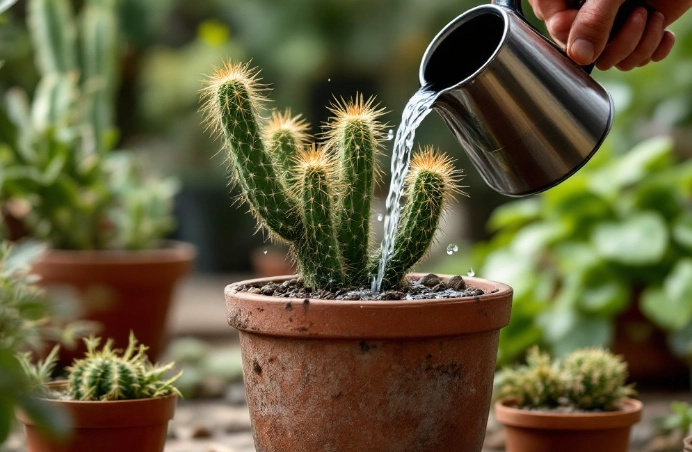
Take your cactus to the sink, bathtub, or outdoors. Pour water evenly over the soil surface until you see a steady stream coming out the bottom. Let it drain completely for 10-15 minutes. Never let the pot sit in a saucer of water. That "bottom watering" technique you see for other plants? For cacti, it can be risky if the soil is too dense, as it may not wick moisture evenly. Top watering is usually safer and more effective.
Rule 3: The Pot and Soil Are Your Watering Co-Pilots
Your watering technique is only as good as your setup. If your cactus is in a pot without a drainage hole, you are basically trying to raise a fish without water. It's fundamentally wrong. Drainage is mandatory.
The soil is even more critical. Standard potting soil holds too much moisture for too long. You need a gritty, fast-draining mix. A good basic recipe is 50% regular potting soil and 50% mineral grit like perlite, pumice, or coarse sand. This creates air pockets and allows water to flow through rapidly, preventing soggy conditions around the roots. Many specialized sellers offer excellent pre-mixed cactus and succulent soils.
Pot material matters too. Terracotta (clay) pots are fantastic for beginners because they are porous and allow the soil to dry out from the sides as well as the top. Plastic or glazed ceramic pots retain moisture longer, meaning you need to wait longer between waterings.
The Seasonal Shifts: Your Year-Round Watering Calendar
This is where most generic guides fail. A cactus's need for water changes dramatically with the seasons and its growth cycle. You can't water the same way in December as you do in July.
| Season | Cactus Activity | Watering Strategy | Key Signs to Watch For |
|---|---|---|---|
| Spring | Growth begins! Increasing light and warmth wake the plant up. | Start increasing frequency gradually. Resume the "soak and dry" method. This is prime growing time. | Look for new, bright green growth at the top or areoles. The plant may feel firmer. |
| Summer | Peak growing season for most cacti. They are actively using water and nutrients. | This is when they need water most frequently. Check soil dryness often (every 7-10 days for many). Water deeply in the morning. | Active growth is obvious. Some species will flower. Soil dries fastest now. |
| Fall | Growth slows down as light decreases and temperatures cool. | Begin to space out waterings significantly. Let the soil stay dry for longer periods between soaks. | Growth slows or stops. The plant is preparing for dormancy. |
| Winter | Dormancy for most cacti. They are essentially sleeping. | Water very sparingly, if at all. For many, once a month or even less is enough. For some in very cold, bright windows, you might withhold water completely from Nov-Feb. | The plant is inactive. It's okay if it looks a bit shriveled. Do NOT fertilize. |
Winter watering is the trickiest. In a warm, sunny greenhouse, a cactus might need a tiny bit of water. In a cool, dim windowsill, it needs none. When in doubt, don't water. A cactus can easily survive 3-4 months without water in cool winter conditions. I give my collection maybe one or two light sips all winter, and they're better for it.
Biggest Winter Mistake: Seeing your cactus near a warm radiator and thinking it needs water. The heat dries the air, but the plant is still dormant. Watering it will likely cause rot because the roots are inactive and can't absorb it. Focus on light, not heat.
Special Cases and Common Cactus Watering Scenarios
Not all cacti are the same. Your environment changes everything. Here’s how to adapt.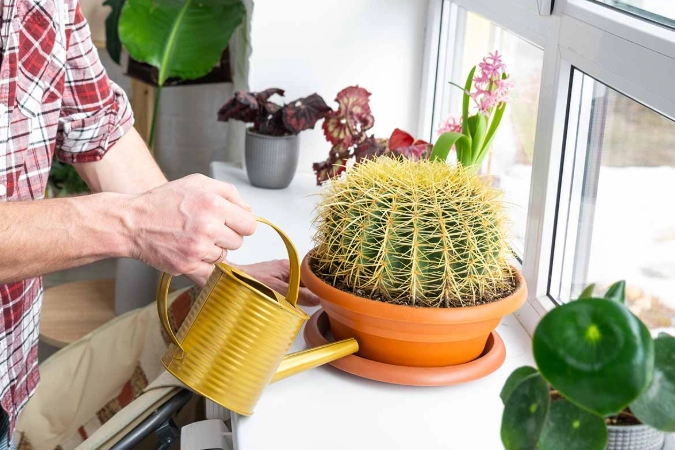
How to Water Cactus Indoors vs. Outdoors
Indoors: The main challenges are lower light and less air circulation, both of which slow soil drying. You will water less frequently than someone with an outdoor cactus. Always err on the side of dryness. A south or west-facing window is ideal. East or north-facing windows often don't provide enough light, leading to etiolation (stretching) and even slower water uptake.
Outdoors: Weather is your co-gardener. Rainfall counts as watering! You must account for it. During hot, dry summer spells, you may need to water weekly. During rainy periods, you may not water at all. Ensure outdoor pots have excellent drainage and are raised off the ground. For in-ground cacti, they are remarkably self-sufficient once established, but during extended droughts, a deep soak can be beneficial.
What About Different Cactus Types?
While the core rules apply, some have subtle preferences.
- Desert Cacti (Saguaro, Barrel, Prickly Pear): These are the classic drought-lovers. They are most forgiving of underwatering and most susceptible to overwatering. Be strict with them.
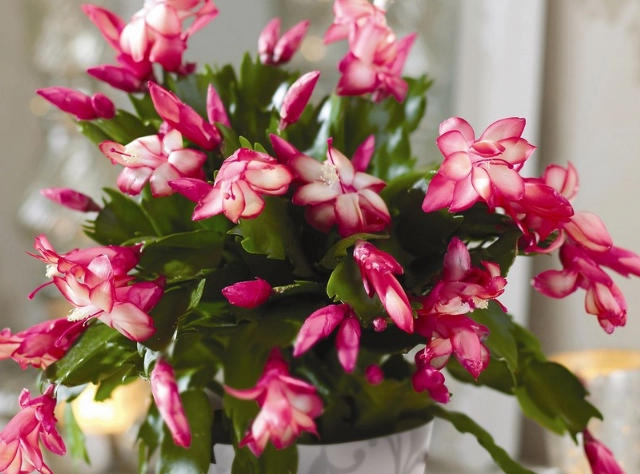
- Jungle Cacti (Christmas Cactus, Easter Cactus): These are epiphytes from rainforests! They need more frequent watering and slightly more moisture-retentive soil (but still well-draining). They also appreciate more humidity. Let the top third of the soil dry out before watering again.
- Seedlings & Young Cacti: Tiny plants in small pots dry out incredibly fast. They need more frequent, gentle waterings to keep the roots established. Don't let their tiny soil ball become a brick.
Top Signs You're Getting It Wrong (Troubleshooting)
Your cactus will tell you what it needs. You just have to learn its language.
Signs of Overwatering (The Emergency):
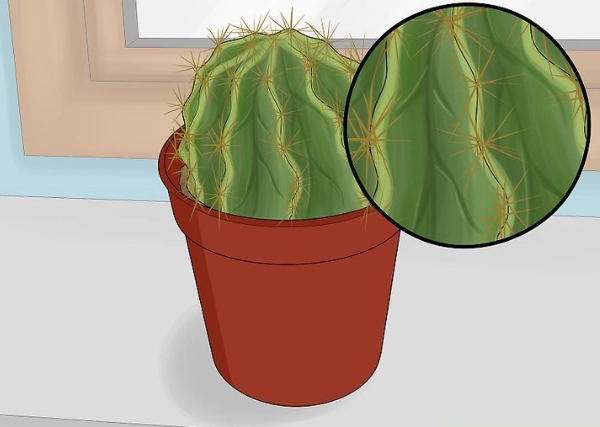
The base or lower stems feel soft, mushy, and may be discolored (yellowish or brownish). The plant might lean or fall over. The soil has a musty smell. If you see this, stop watering immediately. You might try to save it by cutting off all the rot with a sterile knife, letting the cut callous over for a week, and re-rooting it in dry soil. But success isn't guaranteed.
Signs of Underwatering (The Fixable Problem):
The plant looks deflated. The skin is wrinkled or puckered, like a raisin. It may feel lighter than usual. The spines might look dull. The good news? A thorough soak will often plump it back up within 24-48 hours. If it doesn't, the roots may have died back from extreme dryness, and you may need to check for viable roots and potentially re-root it.
What About Yellowing? Yellowing can be tricky. It can be a sign of overwatering (often mushy) or sometimes a sign of nutrient deficiency. Context is key. Feel the firmness.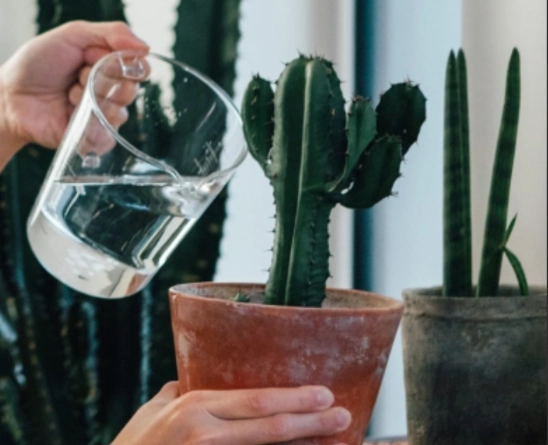
Your Cactus Watering FAQ – Real Questions, Straight Answers
Let's tackle the specific things people actually search for.
Putting It All Together: Your Action Plan
Feeling overwhelmed? Don't be. Start here.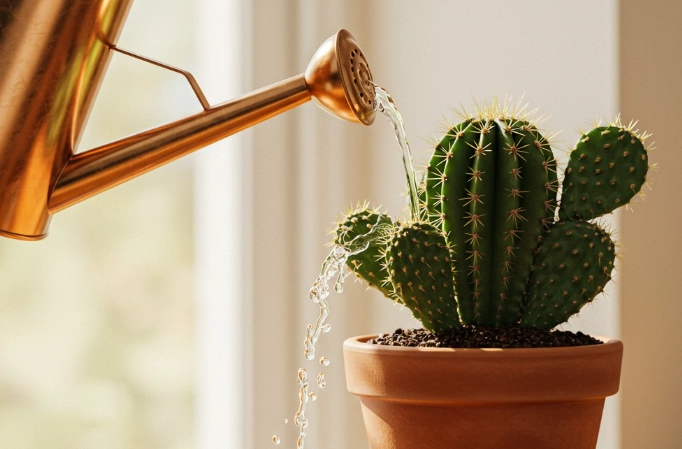
- Check Your Setup: Does your pot have a hole? Is your soil gritty and fast-draining? If not, fix this first. A great soil mix is your best insurance policy.
- Forget the Calendar: Throw out any notion of watering on a schedule.
- Adopt the Check-First Habit: Once a week, do the chopstick test. Don't water unless it comes out completely dry.
- Water Deeply: When it's time, take it to the sink and soak it until water runs free.
- Let it Drain: Put it back in its sunny spot only after it stops dripping.
- Seasonal Adjustment: Water more in spring/summer, less in fall, and barely or not at all in winter.
Learning how to water cactus plants is a journey of observation. You're learning to read the plant and the soil, not following a rigid rule. It becomes intuitive. The fact that you're looking for a guide this detailed tells me you care about getting it right. That's the most important ingredient.
Remember, in the wild, these plants survive some of the harshest conditions on earth by being tough and adaptable. Your job isn't to baby them with constant care, but to provide the right conditions for their natural resilience to shine. When you master the art of the deep, infrequent soak, you'll stop fighting your cactus and start partnering with it. And there's nothing better than seeing that first, unexpected flower bud appear – proof you've finally cracked the code.
Want to dive deeper into the science of arid-plant adaptation? Resources like the U.S. National Park Service's page on desert plants offer fascinating insights into how these incredible organisms are built to thrive on very little water, which reinforces why our watering habits need to be so different.



Comments