Let's be honest. You've seen those pictures of perfect lavender fields, buzzing with bees and smelling like a spa. You buy a plant, stick it in the ground, and by next year it's a sad, woody, or dead clump. I've been there. After a decade of trial and (lots of) error, I've learned that growing lavender isn't hard, but it's incredibly specific. Get a few things wrong, and it fails. Get them right, and you have a resilient, fragrant, and stunningly beautiful garden centerpiece for years.
The secret isn't in constant care, but in setting up the right conditions from day one. Forget what you think you know about watering and rich soil. Lavender thrives on neglect in the right spot. This guide cuts through the fluff and gives you the exact, actionable steps to succeed.
What You'll Learn in This Guide
How to Choose the Right Lavender Variety for Your Garden
This is your first and most crucial decision. Picking the wrong type for your climate is the fastest path to disappointment.
Most garden centers sell English lavender (Lavandula angustifolia). It's the classic, hardiest type, tolerating colder winters (down to about USDA zone 5 with protection). Its scent is sweet and complex, perfect for sachets and cooking. But if you live in a hot, humid area like the American Southeast, English lavender will likely sulk and rot.
That's where most beginners go wrong. They don't match the plant to their weather.
Sunlight and Location: Non-Negotiables
Lavender needs full sun. Not partial sun, not dappled light. A minimum of 6-8 hours of direct, blazing sunlight. More is better. If you don't have this, consider a different plant. It affects everything—scent, oil production, bloom power, and disease resistance.
Think about air flow too. A stagnant, humid corner is a fungal disease incubator. An open, breezy spot is ideal.
Soil: The Make-or-Break Factor
Here's the expert tip most articles gloss over: Lavender doesn't just prefer poor soil; it demands it. Specifically, it needs fast-draining, gritty, alkaline soil. Rich, moisture-retentive, acidic garden soil is a death sentence.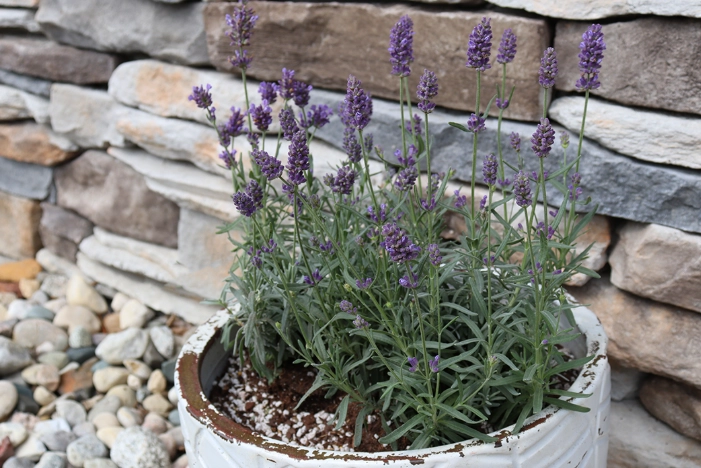
The #1 Killer: "Wet feet." Lavender roots despise sitting in moisture. In winter, wet soil causes root rot faster than cold ever will.
Before you plant anything, do this: Dig a hole about 12 inches deep and fill it with water. If it drains out in less than 30 minutes, you're okay. If it sits for hours, you have a drainage problem. You'll need to either:
- Build a raised bed (at least 12 inches high).
- Amend the soil on a massive scale—I'm talking mixing in a 2-inch layer of coarse builder's sand and a 2-inch layer of pea gravel into the top 12-18 inches of your native soil. Skip the compost here.
Aim for a soil pH between 6.5 and 7.5. If your soil is acidic, a light dusting of garden lime at planting time can help.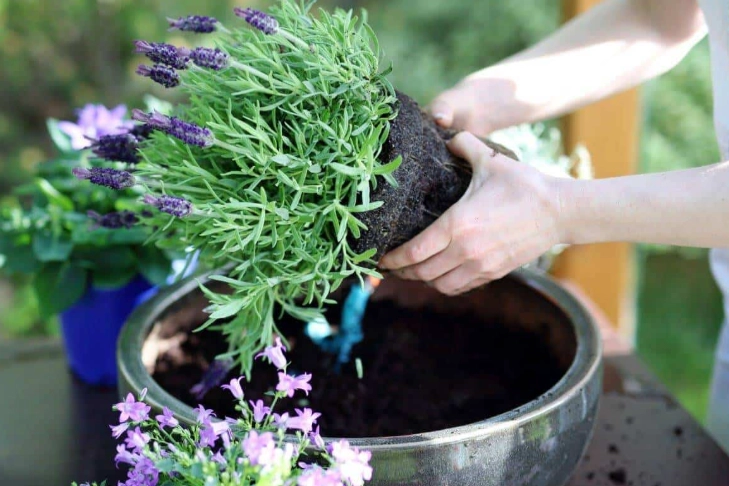
| Lavender Type | Best For Climates Like... | Key Characteristics | Hardiness Zones |
|---|---|---|---|
| English Lavender (L. angustifolia) | Cooler summers, cold winters | Sweetest scent, best for culinary use, most cold-hardy. | 5-8 |
| Lavandin (L. x intermedia) | Hotter, drier summers | Longer stems, higher oil yield, very vigorous grower. 'Grosso' and 'Provence' are popular. | 6-9 |
| Spanish Lavender (L. stoechas) | Hot & humid, mild winters | Showy "bunny ear" blooms, tolerates humidity better. Less fragrant. | 7-10 |
| French Lavender (L. dentata) | Frost-free areas | Toothed leaves, long blooming season. Not frost-tolerant. | 8-11 |
I learned this the hard way in my Zone 7 garden. I planted 'Hidcote' English lavender in a slightly low spot. It survived one winter, looking grim, and was gone by the second. I replaced it with 'Phenomenal' lavandin on a slight mound, and it's now a sprawling, happy beast.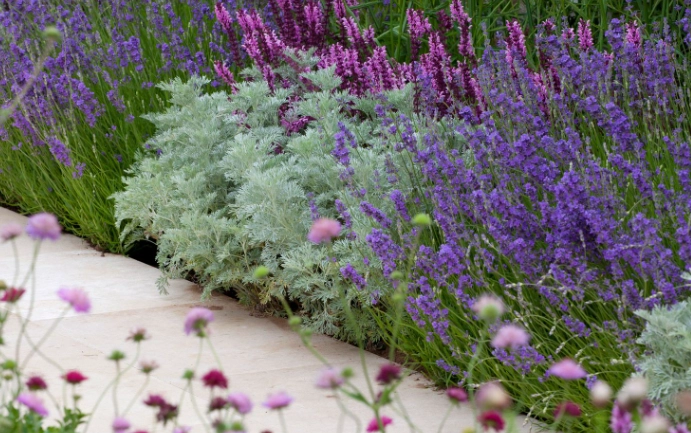
Step-by-Step Guide to Planting Lavender
Timing matters. The best time to plant lavender is in the spring, after all danger of frost has passed. This gives the roots all season to establish before winter. Fall planting can work in mild climates but is riskier in cold areas.
Here’s the exact process:
1. Prep Your Site: Clear weeds and grass. If drainage is poor, build your raised bed or amend the soil as described above.
2. Dig the Hole: Make it twice as wide as the plant's root ball, but only just as deep. You want the crown (where the stem meets the roots) to sit level with or slightly above the surrounding soil to prevent rot.
3. The Planting Mix: Don't just backfill with native soil. Create a mix: 1/3 native soil, 1/3 coarse sand or poultry grit, and 1/3 small pea gravel or perlite. A handful of lime is good if your soil is neutral or acidic.
4. Planting: Gently loosen the root ball. Place the plant in the hole, backfill with your gritty mix, and firm the soil gently. Water deeply once to settle the soil.
5. Spacing: This is critical for air flow. Space plants at least 2 to 3 feet apart. They will fill in. Crowding leads to mold and mildew in the center.
6. Mulch Wisely: Skip organic mulch like bark or straw—it holds moisture and can rot the stems. Use a thin layer (less than an inch) of white pebbles, crushed gravel, or sand. It reflects sun, keeps the crown dry, and looks fantastic.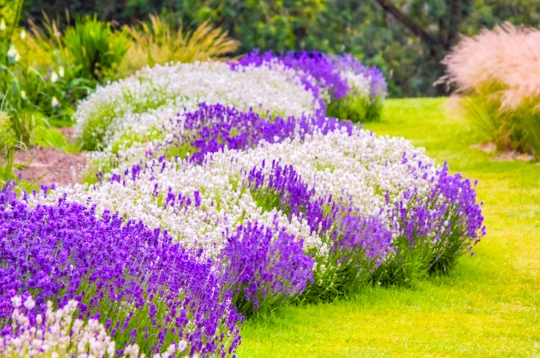
Pro Tip: Water your new lavender deeply once or twice a week for the first growing season. The goal is to encourage deep roots. Then, in year two, stop babying it. Let the rain handle it unless there's a severe drought.
Essential Lavender Care and Maintenance
Established lavender is famously low-care, but two tasks are non-negotiable: pruning and smart watering.
How (and When) to Water Lavender
The mantra is: When in doubt, don't. Check the soil. Stick your finger in it. If it's damp, walk away. Water only when the soil is completely dry several inches down.
Overhead watering is a bad idea. It wets the foliage and invites disease. Use a soaker hose or water at the base. In most temperate climates, once lavender is established (after year one), you'll rarely need to water it.
The Art of Pruning Lavender
This is where most people fail long-term. Without pruning, lavender gets leggy, woody, and splits open in the center. It looks terrible and produces fewer blooms.
You need to prune twice a year.
- Light Summer Prune (After Flowering): Once the main bloom spike fades, shear off about one-third of the green growth, just above the leaves. This encourages a tidy shape and sometimes a second, smaller flush of flowers.
- Heavy Spring Prune (Most Important): In early spring, when you see tiny new green shoots at the base of the plant, it's time. Cut back the plant by about one-third, but never cut back into the old, bare wood where there are no green leaves. Always leave some green growth on each stem. This keeps the plant compact and forces new growth from the base.
If your plant is already old and woody, it's often too late to rejuvenate it severely. It's better to replace it. Prevention through annual pruning is key.
Fertilizing: Less is More
Don't. Seriously. Lavender in decent ground needs no fertilizer. Feeding it, especially with high-nitrogen fertilizers, promotes soft, weak growth that's susceptible to frost and disease. It also reduces fragrance. If you must, a light sprinkle of compost around (not touching!) the plant in spring is plenty.
Troubleshooting Common Lavender Problems
Lavender has few pests—deer and rabbits usually avoid it. Its problems are almost always environmental.
Leggy, Woody Growth: This is due to insufficient pruning. Follow the spring/summer pruning schedule.
Yellowing Leaves (Chlorosis): Often a sign of overwatering or poor drainage. Can also indicate soil that is too acidic. Check your drainage first.
Fungal Diseases (Powdery Mildew, Root Rot): Caused by humidity, poor air circulation, and wet foliage/soil. Improve spacing, ensure full sun, avoid overhead watering, and plant in well-drained soil. In humid climates, choosing Spanish lavender or the hybrid 'Phenomenal' can help.
Plant Dies Over Winter: It's almost never the cold alone. It's cold + wet soil. Ensure perfect drainage before winter hits. A gravel mulch helps keep the crown dry.
Poor or No Flowering: Not enough sun. There's no workaround. It needs to be moved.
Your Lavender Questions, Answered
Why did my lavender plant die over winter?
Nine times out of ten, it was wet soil, not the temperature. Lavender roots rot quickly if they sit in soggy ground during cold months. Heavy clay soil or a planting spot that collects water are the usual culprits. The fix is drastic soil improvement for drainage or planting in a raised bed next time.
How often should you water a lavender plant?
For established plants (over one year old), almost never in climates with regular rainfall. Water only during extended, severe droughts. For new plants, water deeply once or twice a week for the first growing season to help roots establish, then gradually reduce frequency. The top few inches of soil should be completely dry before you even consider watering.
Can I grow lavender in a pot?
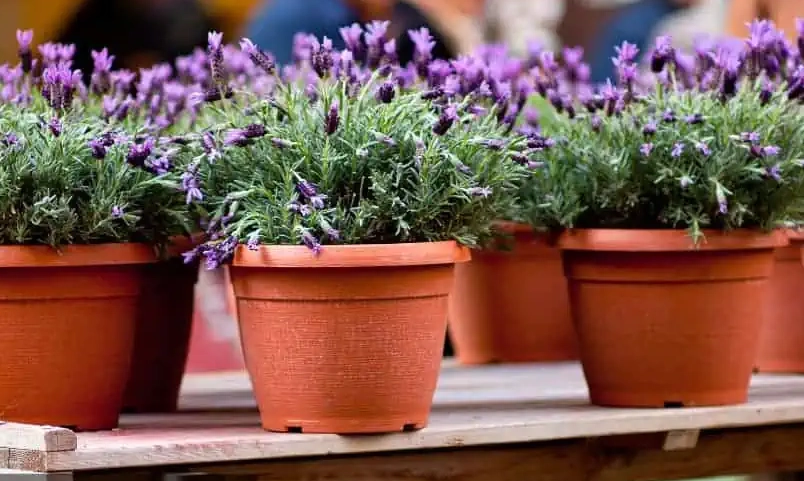
Absolutely, and it's a great solution if you have poor soil. Use a pot at least 12-16 inches in diameter with excellent drainage holes. Your potting mix must be fast-draining: try two parts potting soil to one part coarse sand or perlite. Water only when the soil is bone dry. In winter, in cold climates, move the pot to a sheltered, unheated garage or against a sunny house wall to protect the roots from freeze-thaw cycles.
When is the best time to prune lavender?
Prune twice. Give it a light trim right after the main summer bloom fades to tidy it up. Then, do the major pruning in early spring, just as you see tiny new green growth appearing at the base of the stems. Cut back by about one-third, but be meticulous—never cut back into the old, leafless wood. Always leave some green foliage on every stem.

Comments