You brought home a Hoya carnosa, that beautiful wax plant with its thick, shiny leaves and promise of star-shaped flower clusters. It looked perfect. Now, a few months in, maybe the leaves are a bit soft, or it hasn't grown an inch, and those legendary flowers are nowhere in sight. Sound familiar? Don't worry. The truth is, Hoya carnosa care is straightforward once you stop treating it like your average houseplant. It's a succulent vine with some very specific, but simple, preferences. Get those right, and you'll have a resilient, growing companion for decades.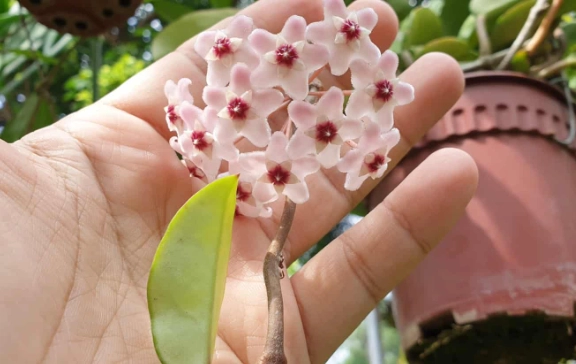
What's in This Guide?
- Understanding Your Hoya Carnosa
- Essential Care Summary (Cheat Sheet)
- Light: The Single Most Important Factor
- Watering Wisely: The Biggest Pitfall
- Soil & Potting: Getting the Foundation Right
- Feeding for Growth and Blooms
- Pruning and Maintenance
- Common Problems and Solutions
- Propagating Hoya Carnosa
- Beyond the Basics: Advanced Tips for Enthusiasts
Understanding Your Hoya Carnosa
This isn't just a leafy green. Hoya carnosa is an epiphyte. In the wild, it grows on trees in tropical forests, clinging to bark with its roots, not buried deep in soil. Its thick leaves store water (making it succulent-like), and its roots need air as much as they need moisture. This single fact explains 90% of its care needs. Forget everything you know about watering your pothos or peace lily.
Essential Care Summary (Cheat Sheet)
Here's the quick-reference table. The devil (and the success) is in the details that follow.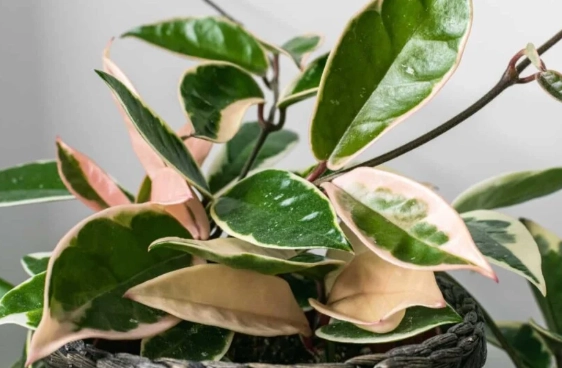
| Care Aspect | What Your Hoya Carnosa Wants | What to Avoid |
|---|---|---|
| Light | Bright, indirect light. East-facing window is ideal. | Direct, hot afternoon sun (scorches leaves). Deep shade. |
| Water | Soak thoroughly, then let soil dry almost completely. | Keeping the soil constantly moist. Watering on a schedule. |
| Soil | Very airy, chunky, and fast-draining mix. | Dense, moisture-retentive potting soil. |
| Pot | Small pot with excellent drainage holes. | An oversized pot. Pots without drainage. |
| Humidity | Average room humidity (40-50%) is fine. | Extremely dry air (below 30% long-term). |
| Temperature | 65-80°F (18-27°C). Can tolerate brief dips to 50°F (10°C). | Cold drafts or temperatures below 50°F. |
| Fertilizer | Balanced, diluted fertilizer monthly in spring/summer. | Heavy feeding in fall/winter. Over-fertilizing. |
Light: The Single Most Important Factor
If you remember one thing, make it this: light is non-negotiable for a happy, blooming Hoya. That "low light tolerant" label is a trap. It might survive in low light, but it will merely exist—no growth, certainly no flowers.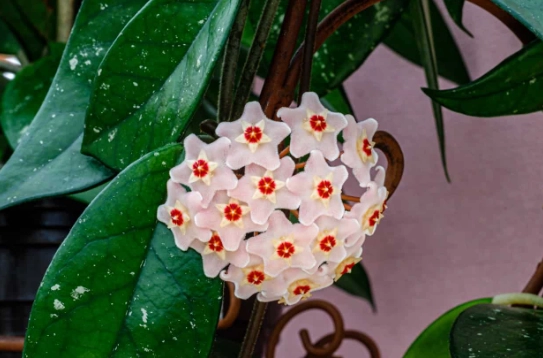
The Goldilocks Zone: Bright, indirect light for most of the day. An east-facing window where it gets gentle morning sun is perfect. A south or west window is great too, but pull it back a few feet or use a sheer curtain to filter the intense afternoon rays. North windows can work if they're very bright.
Here's a pro tip most guides miss: Leaf color tells the story. If your Hoya's new leaves are coming in large, spaced far apart on the vine, and are a very pale green, it's begging for more light. Good, sufficient light results in tighter nodes, slightly reddish stems on new growth, and leaves with a healthy, deep green color.
Watering Wisely: The Biggest Pitfall
Overwatering is the #1 killer. Those succulent leaves hold water, so the plant can handle drought far better than flood.
Forget the Schedule: Do not water every Tuesday. Instead, learn the "heft test." Pick up your plant. Get a feel for its weight right after a good watering. Then, only water again when the pot feels surprisingly light. For a more precise check, stick your finger deep into the soil, near the drainage hole if possible. If it's bone dry, wait another day or two, then water.
How to Water: When it's time, take it to the sink. Water thoroughly until a steady stream runs out the bottom. Let it drain completely. Never let it sit in a saucer of water. In winter, this drying-out period might take three weeks or more. That's normal.
I learned this the hard way. I used the classic "finger in the top inch" method and nearly lost a mature plant to root rot. The top was dry, but the core was a soggy mess. Now, I use a wooden chopstick as a moisture probe, or just rely on the pot's weight.
Soil & Potting: Getting the Foundation Right
This is where most store-bought plants fail. They're often planted in dense, peaty soil that stays wet for ages. You need to mimic its epiphytic roots' need for air.
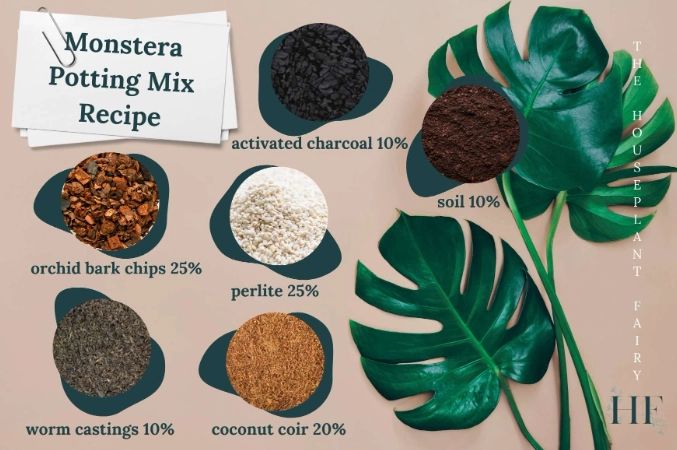
The Ideal DIY Mix: Combine equal parts:
- Orchid bark (for chunkiness and air pockets)
- Perlite or pumice (for drainage and aeration)
- Coco coir or a quality potting mix (for a little moisture retention)
You can also add a handful of horticultural charcoal to keep the mix fresh. This blend drains instantly.
Pot Choice: Terracotta pots are a Hoya's best friend. They're porous, wicking away excess moisture and helping the soil dry evenly. Plastic is okay if you're a very disciplined waterer. Size matters. Hoyas like to be snug. Only repot when the roots are visibly circling the bottom, and only go up one pot size (1-2 inches wider). A pot that's too big holds too much wet soil around the small rootball, inviting rot.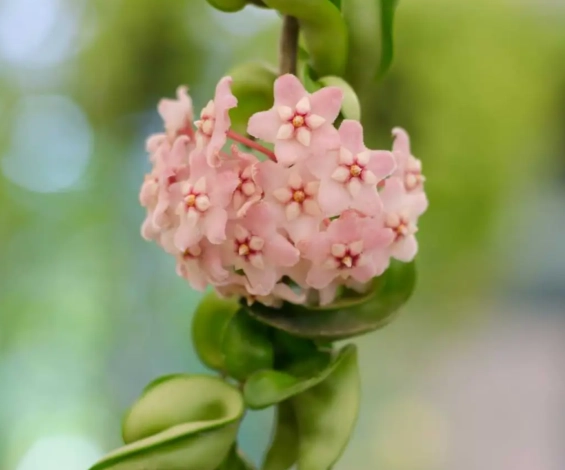
Repotting is best done in spring or early summer. And here's a controversial opinion: you don't need to repot your Hoya every year. Every 2-3 years is often plenty. They bloom better when a bit root-bound.
Feeding for Growth and Blooms
Hoyas aren't heavy feeders. During the active growing season (spring and summer), a monthly dose of a balanced, water-soluble fertilizer (like a 5-5-5 or 10-10-10) diluted to half strength works perfectly. I use a fish emulsion or seaweed-based fertilizer every 4-6 weeks, and my plants respond well.
What about bloom boosters? A fertilizer with a slightly higher phosphorus (the middle number) can encourage flowering, but it's secondary to getting the light right. I've had Hoyas bloom reliably for years with just a balanced feed. Stop fertilizing completely in late fall and winter when growth slows.
Pruning and Maintenance
You can prune to control size or shape, but here's the critical part: Do not cut off the long leafless stems (peduncles) from which the flowers bloom. These are called spurs, and they will produce flowers year after year. Cutting them off resets your bloom clock.
To encourage bushier growth, you can pinch or cut back the main vines. New growth will usually emerge from the node just below your cut. Wipe the leaves with a damp cloth every few months to keep them shiny and efficient at photosynthesis.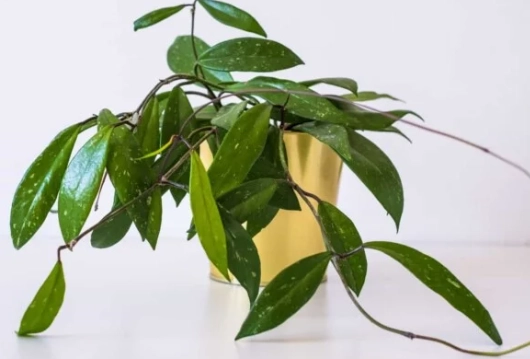
Common Problems and Solutions
Let's diagnose some issues you might face.
Yellowing Leaves
Older leaves yellowing and dropping: Natural senescence, especially if it's just one or two. No worry.
Many leaves yellowing, especially lower ones: Classic sign of overwatering. Check your soil and watering habits immediately.
Leaves Wrinkling or Getting Soft
This is underwatering or, more specifically, the roots being unable to take up water (often due to rot from previous overwatering). If the soil is bone dry, a good soak may plump them up. If the soil is wet and leaves are soft, you likely have root rot.
No Growth
It's either dormant (winter), or more likely, it needs more light or a slight boost from fertilizer (in the growing season). Check light first.
Pests
Mealybugs are the most common. Look for white, cottony masses in leaf axils. Treat with a cotton swab dipped in rubbing alcohol, or use insecticidal soap. Isolate the affected plant.
Propagating Hoya Carnosa
It's incredibly easy and rewarding. Take a cutting with at least 2-3 nodes (the bumps where leaves attach).
Method 1: Water Propagation. Place the cutting in water, ensuring at least one node is submerged. Change the water weekly. Roots should appear in 2-4 weeks. Wait until they're a few inches long before potting in your chunky mix.
Method 2: Direct Soil Propagation. Let the cut end callous over for a day. Then, stick it into a small pot of moist (not wet) propagation mix (like perlite and coco coir). Enclose it in a loosely sealed plastic bag for humidity. Roots form in a few weeks.
I prefer water propagation because I can see the progress. Just be patient—Hoyas are not in a hurry.
Beyond the Basics: Advanced Tips for Enthusiasts
Once you've mastered the core care, you can play.
Encouraging Blooms: Besides perfect light, try giving it a bit of stress. Let it get really root-bound. Expose it to slightly cooler temperatures (low 60s°F) at night in the fall. This can mimic its natural conditions and trigger flowering.
Trellising: Hoyas are climbers. Give them a small trellis, hoop, or even a piece of bark to climb on. They'll attach themselves with their aerial roots and look magnificent.
The Varieties: The basic Hoya carnosa is great, but seek out the stunning cultivars: 'Krimson Queen' (green leaves with creamy-white margins), 'Krimson Princess' (cream centers with green edges), or the compact 'Compacta' (Hindu Rope plant). Care is identical.
Your Hoya Carnosa Questions, Answered
Why is my Hoya Carnosa not flowering?
Light is almost always the culprit. It needs that bright, indirect exposure for several hours a day. An east window is the sweet spot. Also, maturity plays a role—young plants often won't bloom. Be patient, ensure it's getting enough light, and avoid repotting it into a huge container. A bit of root constriction can encourage it to focus energy on reproduction (flowers).
Can I use tap water for my Hoya?
You can, but it's not the best long-term strategy if your water is hard (high in minerals). The calcium and other salts can build up in the soil and cause unsightly brown tips on the leaves. If you see a white crust forming on the soil surface, that's mineral buildup. I use filtered water or collect rainwater. At the very least, let your tap water sit out for 24 hours to allow chlorine to evaporate before using it.
How do I encourage my Hoya to produce more vines?
Strategic pruning is the key. Don't just snip the very end. Find a healthy node on a long vine and cut just above it. The plant will often respond by sending out two new growth points from that node, making it bushier. Do this during the active growing season (spring/summer) for the best response. Also, providing a support to climb can stimulate longer vine growth.
Is Hoya Carnosa toxic to pets?
According to the American Society for the Prevention of Cruelty to Animals (ASPCA), Hoya plants are listed as non-toxic to both cats and dogs. This makes them a safer choice for households with curious pets. However, it's still wise to keep plants out of reach, as chewing on any plant material can cause mild stomach upset in some animals.
Hoya carnosa care boils down to respecting its origins. Think bright forest canopy, occasional tropical downpours followed by dry spells, and roots that breathe. Nail the light and watering, and you're 95% of the way there. This isn't a fussy plant; it's a forgiving one that thrives on a little benign neglect. Give it what it needs, and it might just become a family heirloom, blooming for generations.

Comments