Quick Navigation
- The Non-Negotiables: What Triggers Flowering
- Year-Round Care for a Champion Plant
- Which Holiday Cactus Do You Actually Have?
- Solving the "No Bloom" Mystery: A Troubleshooting Guide
- Beyond the Basics: Pro Tips for a Spectacular Display
- Frequently Asked Questions (The Real Stuff People Google)
- Wrapping It Up: Patience is the Secret Ingredient
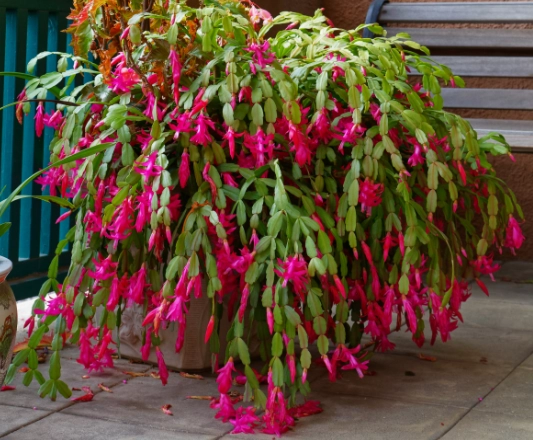
Let's be honest. There's something almost magical about a Christmas cactus in full bloom. In the depths of winter, when most of the garden is asleep, this unassuming plant erupts in a cascade of vivid pinks, reds, purples, or whites. It feels like a little victory. But if you've ever been gifted one of these holiday cacti only to watch it stubbornly refuse to flower the next year, you're not alone. I've been there, staring at a healthy green plant thinking, "What am I doing wrong?"
The truth is, getting that stunning Christmas cactus bloom isn't about having a green thumb. It's about understanding what the plant actually wants, which is often the opposite of what we assume. These aren't true desert cacti; they're epiphytes from the Brazilian rainforests. That one fact changes everything about how we care for them. This guide is the result of years of trial, error, and finally, success. We're going to move beyond the basic advice and dig into the specifics that trigger those gorgeous buds.
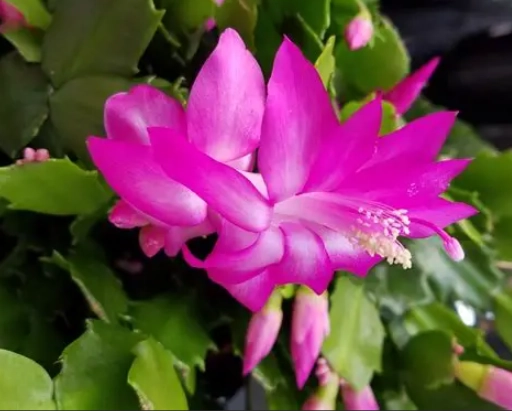
The Non-Negotiables: What Triggers Flowering
People throw around terms like "cool treatment" and "long nights," but what does that really mean in your living room? The Christmas cactus bloom is triggered by a combination of three key environmental factors: cooler temperatures, longer periods of uninterrupted darkness, and a slight reduction in water. Miss one, and the plant might stay perfectly healthy but never set a single bud.
Light & Darkness: The Photoperiod Puzzle
This is the big one. Christmas cacti are short-day plants. To initiate buds, they need about 12-14 hours of complete, uninterrupted darkness each night for several weeks. This doesn't mean a dim room—it means dark. Even a brief burst of light from a streetlamp, a TV, or you opening the fridge can reset the clock.
The daylight hours should still be bright, indirect light. An east or north-facing window is perfect. Too much direct sun, especially in the afternoon, can bleach the segments or stunt growth.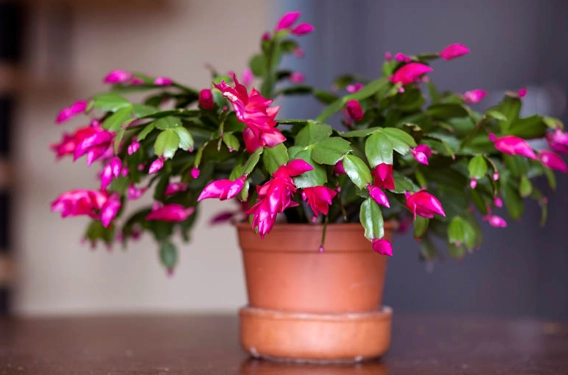
The Cool Factor: Temperature Matters More Than You Think
While darkness sets the stage, cooler temperatures are the supporting actor that seals the deal. Ideal bud-setting temperatures are between 50-60°F (10-15°C). This often happens naturally if your plant is near a window in the fall, as nights get cooler.
My personal failure story? One year I kept my plant in my constantly warm home office (around 72°F/22°C). It got perfect darkness but never bloomed. The warmth essentially told it, "It's still summer, no need to flower." The next fall, I moved it to a cooler bedroom, and bam—buds appeared in weeks.
Watering for Blooms, Not Just Survival
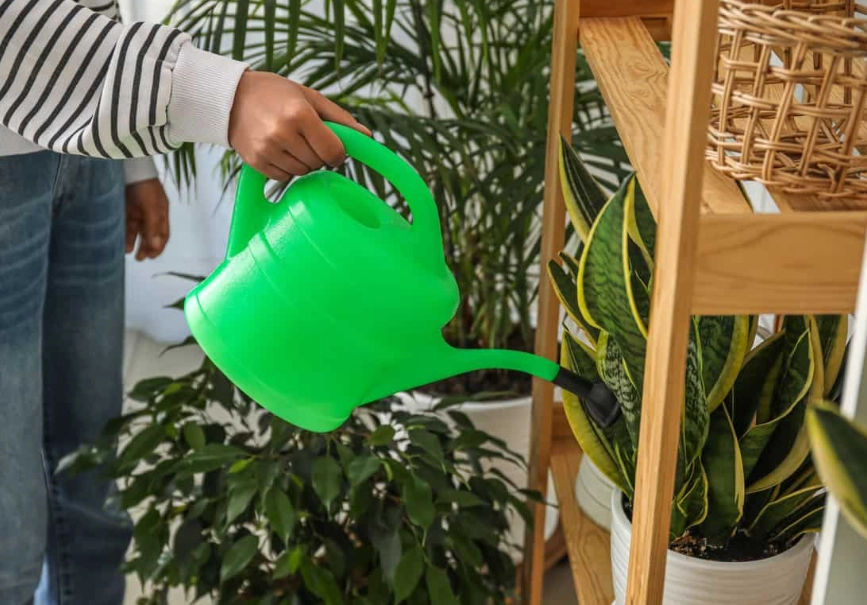
As days shorten and temps drop, the plant's growth slows. Your watering should too. Let the top inch or so of soil dry out completely between waterings. I stick my finger in to check. The goal is to prevent the flat segments from shriveling, but you want the plant to feel just a hint of seasonal stress, which is a natural flowering cue. Overwatering during this period is a surefire way to cause root rot and drop any buds that do form.
Year-Round Care for a Champion Plant
You can't expect a weak, stressed plant to put on a spectacular show. The care you give in spring and summer builds the energy reserves for the winter Christmas cactus bloom.
The Right Soil and Pot
This is where most store-bought plants get it wrong. They're often in dense, moisture-retentive soil. Remember, they're forest plants that grow on trees! They need excellent drainage. A good mix is one part regular potting soil, one part orchid bark or perlite, and one part coarse horticultural sand. The pot must have drainage holes. I'm not a fan of decorative cache pots without holes—they're a root rot waiting to happen.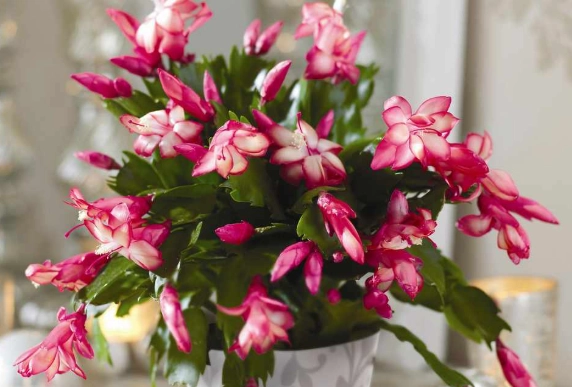
Feeding Schedule
I follow a simple seasonal schedule:
- Spring/Summer (Growth Phase): Feed every 3-4 weeks with a balanced, water-soluble fertilizer (like a 10-10-10) diluted to half strength. I use a fish emulsion sometimes, but it's stinky.
- Late Summer: Switch to a fertilizer higher in phosphorus (the middle number, like a 5-10-5) to encourage budding.
- Fall/Winter (Bud & Bloom Phase): Stop fertilizing completely. The plant isn't growing leaves, and fertilizer can harm developing buds.
Which Holiday Cactus Do You Actually Have?
This caused me years of confusion. "Christmas cactus" is often used as a blanket term, but there are three main types, and their bloom times are slightly different. Knowing which you have sets realistic expectations.
| Type (Common Name) | Scientific Name | Key Identifying Feature (Segment Edges) | Typical Bloom Period | Bloom Color Commonality |
|---|---|---|---|---|
| Thanksgiving Cactus | Schlumbergera truncata | Very pointed, claw-like projections | Late Oct - Nov | Often more vibrant reds, oranges, purples |
| True Christmas Cactus | Schlumbergera x buckleyi | Rounded, scalloped edges (teardrop shapes) | Dec - Jan | Classic pinks, magentas, whites |
| Easter Cactus | Hatiora gaertneri | Bristly little hairs on segment edges | Mar - Apr | Often brilliant scarlet or pink |
Most plants sold in stores before Christmas are actually the Thanksgiving cactus (Schlumbergera truncata). They're easier to force into bloom for retail. If your plant blooms in November, don't panic—you're doing everything right! It's just a different species. The care is nearly identical. For the true Christmas cactus bloom on a Schlumbergera x buckleyi, you might need to be a bit more patient. The Royal Horticultural Society, a great authority on plant identification, has a detailed guide on Schlumbergera species that can help clear up the confusion.
Solving the "No Bloom" Mystery: A Troubleshooting Guide
Your plant is green and happy but bloom-less. Let's play detective.
- Too Much Light at Night: This is culprit #1. Is it near a lamp or a window with streetlights? Move it to a truly dark spot for 12+ hours.
- Not Cool Enough: Is it in a consistently warm room (above 68°F/20°C)? Try a cooler spot like a porch (above 50°F/10°C) or a cooler room for 6-8 weeks.
- Too Much Water: Soggy soil promotes rot, not flowers. Let it dry out more.
- Too Much Nitrogen: Are you using a high-nitrogen fertilizer (first number)? Switch to a bloom booster (higher middle number) in late summer.
- Repotting at the Wrong Time: Repotting in fall can disrupt the budding cycle. Only repot in spring or early summer.
- The Plant is Too Young or Small: A very small, immature plant may not have the energy to bloom. Focus on growing it for a season.
Beyond the Basics: Pro Tips for a Spectacular Display
Once you've mastered the basics, these tips can take your Christmas cactus bloom to the next level.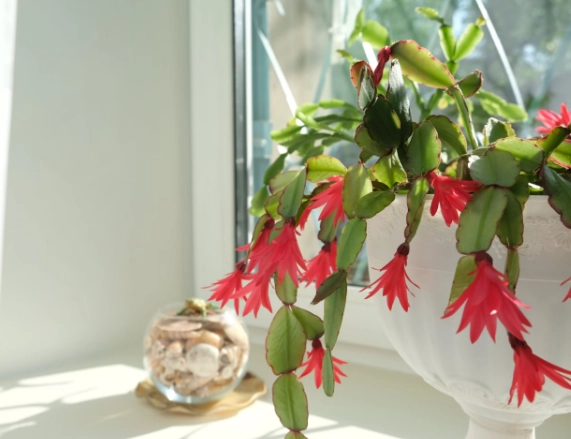
Pruning for More Flowers
About a month or two after it finishes flowering (late winter/early spring), you can pinch or twist off a few segments at the joints. This encourages the plant to branch out. More branches = more tips = more potential flowers next season. You can root these pieces in water or soil to make new plants—great gifts!
What to Do After the Bloom
The show's over. Now what? Give the plant a rest. Water it sparingly for a few weeks. Then, as spring growth begins, resume regular watering and start fertilizing. This is also the best time to repot if needed. The University of Minnesota Extension, a trusted source for horticultural advice, recommends a well-draining potting mix as critical for long-term health.
Summer Vacation Outdoors
If you can, give your plant a summer outdoors in a shaded, sheltered spot (like under a tree or on a covered porch). The increased light intensity (not direct sun) and fresh air supercharge its growth. Just remember to bring it in well before the first fall frost and begin the dark/cool treatment.
Frequently Asked Questions (The Real Stuff People Google)
Wrapping It Up: Patience is the Secret Ingredient
After all this, the most important thing to remember is that these plants operate on their own time. We're trying to gently guide them, not force them. If you provide the right conditions—those crucial weeks of cool temps and long nights, followed by stable care—the Christmas cactus bloom will come. It might not be exactly on December 25th, but when those first colorful tips push out from the ends of the segments, it's worth the wait.
Don't get discouraged by one off year. I've had plants that took a year off after a particularly spectacular show, as if they were exhausted. Just go back to the basics: good light, careful watering, and that critical fall treatment. For more in-depth botanical information, resources like the Missouri Botanical Garden's plant finder are invaluable for confirming care details and species traits.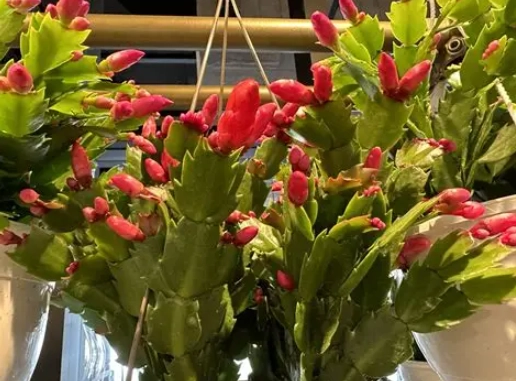
Now, go check on your plant. Feel the soil. Look at its spot. Is it ready for its big night? With a little understanding of what makes it tick, you'll be well on your way to a stunning holiday display.

Comments