Let's cut to the chase: if you're using regular potting soil for your cactus, you're probably killing it slowly. I learned this the hard way when my favorite golden barrel cactus started turning mushy at the base. After a decade of growing cacti, I've realized that soil isn't just dirt—it's the foundation of your plant's health. This guide dives deep into what makes cactus potting soil special, how to mix your own, and the pitfalls to avoid.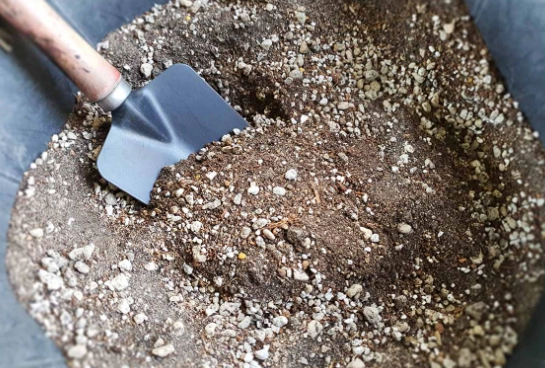
What You'll Learn in This Guide
Why Cactus Soil Isn't Your Average Dirt
Cacti come from arid environments where water drains fast and organic matter is scarce. Their roots are adapted to dry out quickly between rains. Stick them in moisture-retentive soil, and you're inviting root rot. I've seen too many beginners lose plants because they assumed "potting soil" is universal.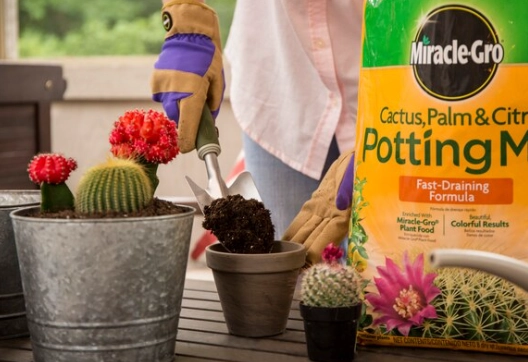
The University of Arizona Cooperative Extension notes that cacti require soil with excellent drainage to mimic their natural habitat. Ordinary mixes hold water like a sponge, which suffocates roots. That's why specialized cactus potting soil focuses on porosity—allowing air and water to flow through without lingering.
Here's a non-consensus point: many experts preach "no organic matter," but I've found that a tiny amount (like 10%) of compost can boost growth without risking rot, as long as the rest is gritty. It's a balance most guides overlook.
The Key Ingredients for a Perfect Mix
Think of cactus soil as a recipe. You need ingredients that promote drainage and aeration. Here's the breakdown: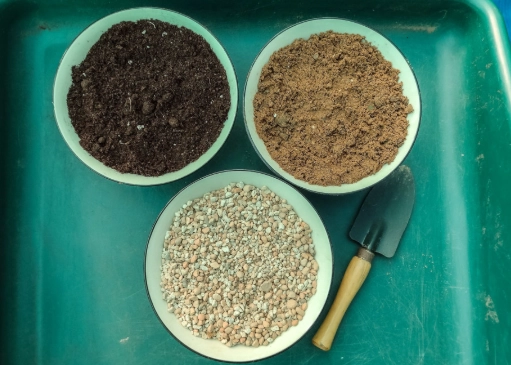
Inorganic Components: The Backbone
These provide structure and prevent compaction. Coarse sand (not beach sand—it's too fine) is a classic. Perlite, those white puff balls, is lightweight and improves aeration. Pumice is my personal favorite; it's porous and doesn't break down over time. Gravel or crushed granite adds weight and drainage.
Organic Matter: The Controversial Bit
Yes, cacti need some nutrients. Peat moss is common, but it can become hydrophobic when dry. Coconut coir is a sustainable alternative that retains moisture evenly. A bit of worm castings or compost adds microbes. The trick is to keep organic content low—aim for 20-30% max. More than that, and you're in trouble.
| Ingredient | Role in Mix | Pros | Cons |
|---|---|---|---|
| Coarse Sand | Improves drainage | Cheap, readily available | Can compact if not mixed well |
| Perlite | Enhances aeration | Lightweight, sterile | Floats to top with watering |
| Pumice | Provides porosity | Durable, doesn't decompose | More expensive |
| Coconut Coir | Retains moisture evenly | Sustainable, pH-neutral | Can hold too much water if overused |
Notice how I didn't include vermiculite? It holds water like a sponge—great for ferns, terrible for cacti. A subtle mistake many make.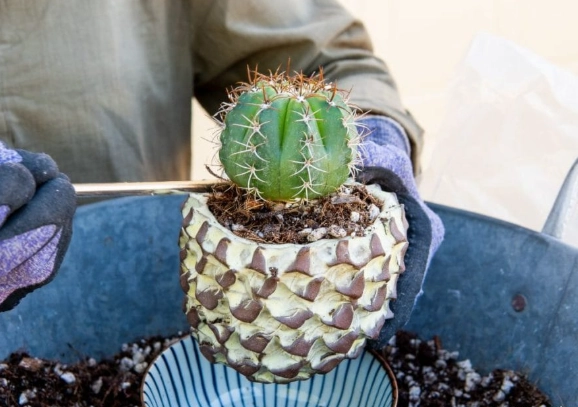
DIY Cactus Soil Recipes You Can Make Today
Mixing your own soil lets you control quality and save money. Here are two recipes I've used for years, tested on everything from prickly pears to rare mammillarias.
Recipe 1: The Basic Starter Mix
Perfect for beginners or common cacti like opuntia. Combine in a large container:
- 2 parts coarse sand (sifted to remove fines)
- 1 part perlite
- 1 part potting soil (a generic one works, but avoid moisture-control types)
Mix thoroughly until uniform. I add a handful of crushed eggshells for calcium—it helps prevent rot in some species. Water it lightly to settle the dust before planting.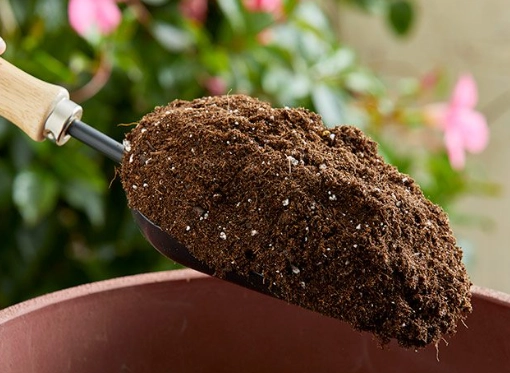
Recipe 2: The Collector's Premium Mix
For sensitive or expensive cacti, this is my go-to. It drains faster and lasts longer.
- 1 part pumice (3/16 inch size)
- 1 part coarse horticultural sand
- 1 part coconut coir
- ½ part crushed lava rock
Optionally, add a tablespoon of bone meal per gallon for slow-release phosphorus. This mix is gritty—when you squeeze a handful, it should fall apart immediately. If it clumps, add more pumice.
I once repotted a struggling saguaro seedling into this premium mix, and within months, it doubled in size. The key is the lava rock; it creates air pockets that roots love.
How to Choose Commercial Cactus Soil
Not everyone has time to mix soil. Store-bought options can work, but you need to read labels carefully. Look for brands that list ingredients like perlite, sand, or pumice high up. Avoid anything with a lot of peat or moisture-retaining crystals.
Based on my trials, here's a quick take:
- Espoma Cactus Mix: Good for beginners, but I find it a bit too organic—I often add extra perlite.
- Bonsai Jack Gritty Mix: Expensive but excellent drainage; it's basically a pre-mixed version of my premium recipe.
- Miracle-Gro Cactus Palm & Citrus Soil: Widely available, but it tends to compact over time. Not my top pick for long-term health.
A pro tip: even with commercial soil, consider amending it. I'll mix in 30% extra pumice to boost drainage. It's a small step that prevents overwatering disasters.
Common Mistakes and How to Fix Them
Over the years, I've seen the same errors crop up. Let's address them head-on.
Using Garden Soil or Topsoil
This is the biggest no-no. Garden soil is dense, often contains pathogens, and lacks drainage. If you've done this, repot immediately with a proper mix. Your cactus might sulk for a week, but it'll recover.
Overwatering in "Fast-Draining" Soil
Even with perfect soil, watering too frequently drowns roots. I check soil moisture with a chopstick—insert it deep; if it comes out clean, it's time to water. In winter, I might water only once a month.
Neglecting to Refresh Soil
Soil breaks down over time. Every 2-3 years, repot your cactus with fresh mix. If you see roots circling the pot or soil turning muddy, don't wait. A client of mine lost a century-old cactus because they never changed the soil—it became as hard as concrete.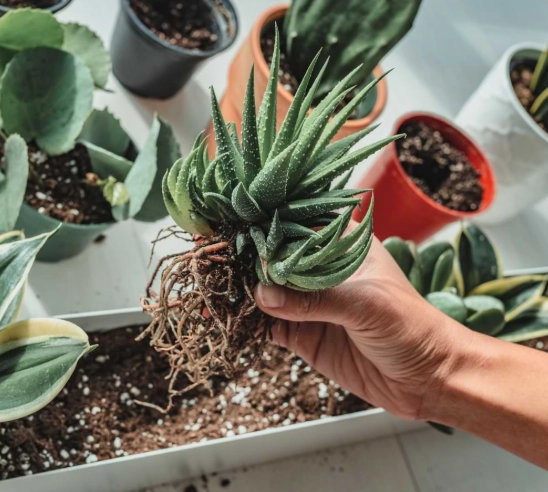
Your Cactus Soil Questions Answered
Getting cactus soil right isn't rocket science, but it does require attention to detail. Start with a well-draining mix, water judiciously, and don't be afraid to experiment. Your plants will thank you with years of growth. If you have more questions, drop a comment—I'm always happy to help fellow cactus enthusiasts.
Comments