Let's be honest. We've all bought a cute little pot of cactus, placed it on a sunny windowsill, and watched it slowly turn into a mushy, brown mess. It happens. The story we tell ourselves is that cacti are impossible to keep alive indoors. But that's not true. The failure usually comes down to a few specific, fixable mistakes—mistakes that most beginner guides gloss over because they're too busy telling you "they love sun and hate water." It's more nuanced than that.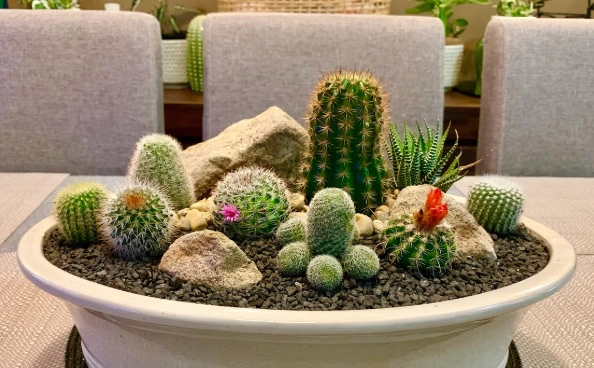
I've killed my share. A beautiful Mammillaria that rotted from the inside out because I used the wrong soil. A tall San Pedro that etiolated in a spot that was just a bit too shady. Over the years, I've learned that success with a pot of cactus isn't about having a green thumb; it's about understanding a few desert-born rules. This guide is for anyone who wants their spiky friend to not just survive, but thrive.
What You'll Learn
How to Choose the Perfect Pot for Your Cactus
You wouldn't wear winter boots to the beach. Don't put your cactus in a pot that works against its nature. The pot is your cactus's foundation, and getting it wrong sets you up for a struggle.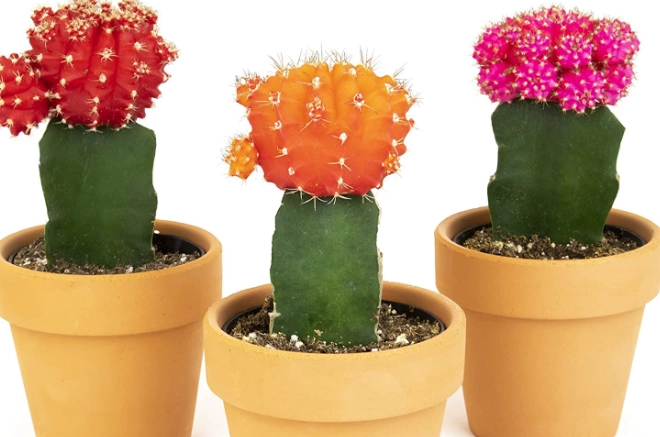
Material Matters: Breathability is Key
Unglazed Terracotta is the classic for a reason. It's porous. Water evaporates through the walls, which helps the soil dry out faster and prevents roots from sitting in moisture. It's forgiving, especially if you're a nervous over-waterer. The downside? It can dry out too fast in very hot, dry climates, and it's heavy.
Glazed Ceramic or Plastic pots are non-porous. They retain moisture much longer. This can be great in arid environments or for certain faster-growing jungle cacti (like Christmas cactus), but it's risky for desert types. If you go this route, you must be extra disciplined with watering and ensure the soil mix is exceptionally gritty.
My personal rule? For any new or fussy cactus, I start with terracotta. Once I know its rhythm, I might repot into something prettier.
The Drainage Hole: Non-Negotiable
This is the hill I will die on. A pot without a drainage hole is a swimming pool with no drain. No amount of "layer of rocks at the bottom" tricks works. Science backs this up—it creates a perched water table, trapping moisture right where the roots are. Always choose a pot with at least one good-sized hole.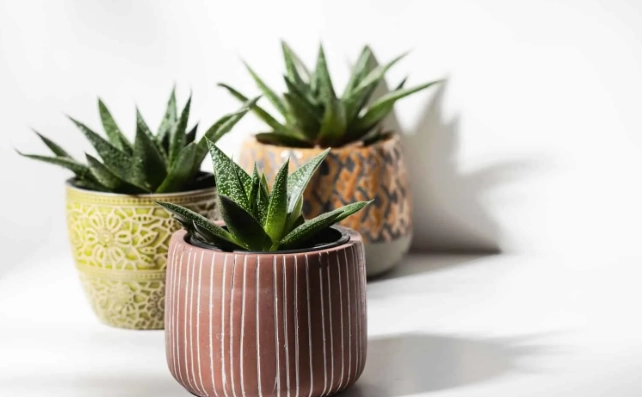
What if you fall in love with a cachepot (a decorative outer pot without a hole)? Simple. Plant your cactus in a plain plastic nursery pot with holes, and then slip that pot inside the beautiful cachepot. For watering, take the inner pot out, water it in the sink, let it drain completely, and then put it back. Problem solved.
Size and Shape: Don't Overpot
A common mistake is giving a small cactus a mansion of a pot. Excess soil holds excess water, which the small root system can't absorb, leading to rot. The new pot should be only 1-2 inches wider in diameter than the root ball. A shallow, wide pot is often better than a deep one for many cacti, as their root systems tend to spread out rather than down.
What's the Best Soil Mix for a Cactus Pot?
If the pot is the house, the soil is the furniture and air inside. Regular potting soil is like a waterlogged sponge—it's a death sentence.
You need a mix that replicates the gritty, fast-draining conditions of a desert wash. Here’s a simple, effective recipe you can make yourself:
- 2 parts regular potting soil: This provides some organic matter and nutrients.
- 2 parts coarse sand or poultry grit: NOT beach sand (too fine and salty). Look for horticultural sand or crushed granite.
- 1 part perlite or pumice: These are volcanic minerals that create air pockets, improve drainage, and don't break down over time.
Mix it all together in a bucket. When you water it, the water should rush through and out the bottom in seconds. If it sits on top and soaks in slowly, you need more grit.
Watering Your Pot of Cactus: Ditch the Schedule
"How often should I water my cactus?" is the wrong question. The right question is, "When does my cactus need water?"
Forget watering every Tuesday. The frequency changes with the seasons, the light, the temperature, and the humidity in your home.
The Golden Rule: Soak it thoroughly, then let it dry out completely. I mean completely.
Here's my method:
- The Test: Stick your finger deep into the soil, about two knuckles down. If you feel any moisture or coolness, wait. For a more accurate test, use a wooden chopstick or a moisture meter.
- The Soak: When it's dry, take the pot to the sink. Water slowly and evenly until water flows freely out of the drainage hole. This ensures the entire root ball gets hydrated.
- The Drain: Let it sit in the sink or on a rack until no more water drips out. This is crucial.
- Seasonal Shift: In spring and summer (active growth), you might do this every 2-4 weeks. In fall and winter, when most cacti are dormant, stretch it to once a month or even longer. I've gone 8 weeks without watering some of my desert pots in a cool, dark winter room.
Light and Temperature: Finding the Desert at Home
Most cacti crave bright, direct light. A south-facing window is ideal in the Northern Hemisphere. An east or west window can work, but you might see slower growth or etiolation (stretching) as the plant reaches for more light.
Here’s a nuance most miss: acclimation. If you buy a cactus from a nursery greenhouse and immediately put it in a blazing south window, it can scorch. Introduce it to strong light gradually over a week or two.
Temperature is easier. They prefer warm conditions (70-85°F / 21-29°C) during the growing season. In winter, a cooler period (50-55°F / 10-13°C) can help trigger dormancy and even encourage spring flowering in some species. Just keep them away from cold drafts and heating vents.
Beyond the Windowsill: Creative Pot of Cactus Displays
A single pot is charming. A curated collection is a statement. Grouping different shapes, sizes, and textures creates visual interest. Use a large, shallow tray as a base to group several pots together. You can even create miniature desert landscapes (cactus terrariums in sealed glass are a terrible idea, but open dish gardens work well).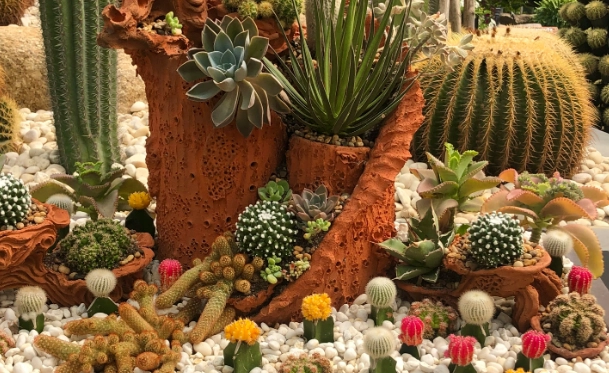
Think about elevation. Use small stands or stack books to create different levels. Mix in other drought-tolerant succulents like Echeveria or Haworthia for contrast. The key is to group plants with similar light and water needs.
Troubleshooting Common Cactus Pot Problems
| Symptom | Likely Cause | Quick Fix |
|---|---|---|
| Base is soft, mushy, brown/black | Root rot from overwatering/poor drainage | Unpot, cut away all rot, let callous, repot in dry mix. Stop watering. |
| Plant is stretching, pale, thin at top | Etiolation - Not enough light | Move to a brighter location. The stretched part won't shrink, but new growth will be compact. |
| Brown, crispy patches on sun-facing side | Sunburn | Move to a spot with indirect light, acclimate slowly to stronger sun. |
| No growth for months | Dormancy (winter) or insufficient light/water (summer) | Check season. In growing season, ensure it's getting enough light and you're watering deeply when dry. |
| White, cottony masses | Mealybugs | Dab with a cotton swab dipped in rubbing alcohol. Isolate the plant. |
Your Cactus Questions, Answered
Can I use regular potting soil for my cactus pot?
Using regular potting soil is one of the most common and fastest ways to kill a cactus. Standard mixes retain far too much moisture, leading to root rot. You must use a gritty, fast-draining mix. A good starting point is a 50/50 blend of regular potting soil and perlite or pumice. For better results, look for a bagged succulent & cactus mix, but even then, I often add extra perlite. The goal is water that flows through the pot in seconds, not minutes.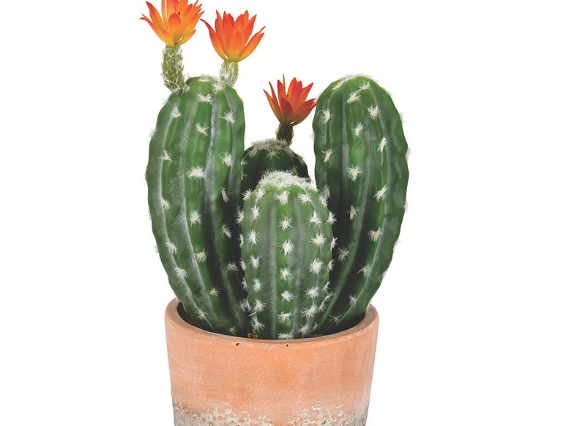
How do I know if my potted cactus needs water?
Forget the calendar. The best method is the "dryness test." Stick your finger or a wooden chopstick deep into the soil. If it comes out completely dry and clean, it's time to water. For extra certainty, lift the pot. A dry pot feels significantly lighter than a freshly watered one. During winter dormancy, you might only water once a month or even less. The plant's need for water slows to a crawl.
My cactus in a pot is getting soft and mushy at the base. What happened?
Softness at the base is almost always a sign of root rot caused by overwatering and/or poor drainage. The damage below the soil line spreads upwards. At this stage, it's an emergency. You need to unpot the cactus immediately. Cut away all soft, brown, or black tissue with a sterile knife until you see only firm, green flesh. Let the cut end callous over for a week, then replant it in fresh, dry, gritty soil. Don't water for another two weeks to encourage new roots. Sometimes you can save the top, but the base is a goner.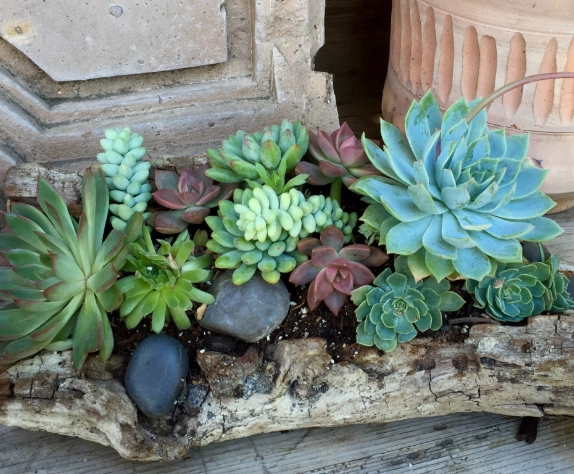
What's the best type of pot for a beginner with cacti?
For your first pot of cactus, choose an unglazed terracotta pot. It's the most forgiving option. The porous clay walls allow excess moisture to evaporate from the soil, reducing the risk of overwatering. It also provides good weight to prevent top-heavy plants from tipping. Make sure it has at least one large drainage hole. Avoid the temptation of a cute pot with no hole; it's a death sentence for the roots no matter how careful you are with watering.
Keeping a pot of cactus isn't about neglect; it's about informed, intentional care. Start with the right foundation—a breathable pot with a hole and gritty soil. Water deeply only when the desert within that pot is truly dry. Give it the brightest light you can. Do these things, and you'll move from cactus killer to cactus curator. The best part? These resilient plants will reward your patience with years of quiet, sculptural beauty, and maybe even a surprising, spectacular bloom.
Comments