Let's be honest. You've probably seen this plant a hundred times. In your dentist's waiting room, in that hipster coffee shop corner, maybe even forgotten on your friend's dimly lit bookshelf. It's the one with the tall, pointy leaves that stand straight up like green swords, often with cool yellow edges or banded patterns. That's the snake plant, or as the science folks call it, Sansevieria trifasciata (though they recently tried to rename it to Dracaena trifasciata – talk about an identity crisis!).
Quick Navigation
- More Than Just a Pretty (Spiky) Face: The Real Benefits
- How Not to Kill Your Snake Plant: The Care Guide That Cuts the Fluff
- Making More Snake Plants: Propagation is Weirdly Satisfying
- Uh Oh, What's Wrong With My Plant? Common Problems Decoded
- Which Snake Plant Should You Get? A Quick Tour of the Family
I got my first one as a gift, a "welcome to your new apartment" present. It sat in a corner, and I basically ignored it for months. When I finally remembered it existed, I was sure it was dead. But nope. It wasn't just alive; it had the audacity to be thriving. That's the moment I fell in love. This plant doesn't just survive neglect; it seems to quietly mock it.
But there's so much more to this spiky friend than just being hard to kill. Why is it in every other interior design magazine? What's the big deal about the NASA study everyone mentions? And if it's so easy, why does yours sometimes get mushy or floppy? We're going to dig into all of that.
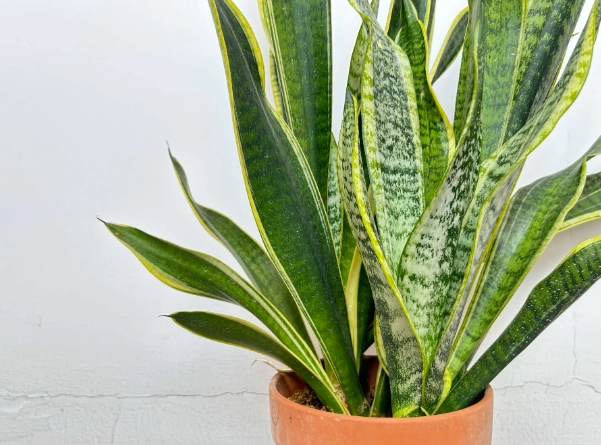 Think you know the snake plant? Stick around. You might be surprised.
More Than Just a Pretty (Spiky) Face: The Real Benefits
Okay, so it looks cool. But the snake plant's resume is seriously impressive. It's not just sitting there looking architectural; it's working overtime.
The Famous Air Purifier
This is the claim to fame. Back in the late '80s, NASA was looking for ways to clean the air in space stations. They published a landmark study (you can read the original report) that tested common houseplants for their ability to remove volatile organic compounds (VOCs) like benzene, formaldehyde, trichloroethylene, xylene, and toluene from the air. Guess who was a top performer?
The snake plant. It's particularly good at absorbing formaldehyde, which is common in cleaning products, toilet paper, tissues, and synthetic fabrics (like that new couch smell). Now, a single plant in a huge room isn't a magic bullet – you'd need a small jungle for a whole-house effect. But in a bedroom or home office? It's a genuine, living air filter. It performs this magic mainly at night through a process called Crassulacean Acid Metabolism (CAM), which leads us to the next point.
"While the practical impact of a single plant in a large, ventilated space is debated, placing a snake plant in a smaller, enclosed area like a bedroom or home office provides a tangible, natural boost to air quality."
The Nighttime Oxygen Producer
Most plants take in carbon dioxide and release oxygen during the day (photosynthesis) and do the opposite at night (respiration). Snake plants, being CAM plants, keep their stomata closed during the day to reduce water loss and open them at night to take in CO2. They then process that CO2 and release oxygen throughout the following day. This unique cycle is why you often hear that snake plants are great for bedrooms – they're theoretically adding fresh oxygen while you sleep. Is it enough to change your blood oxygen levels? Probably not. But the principle is sound, and it certainly doesn't hurt.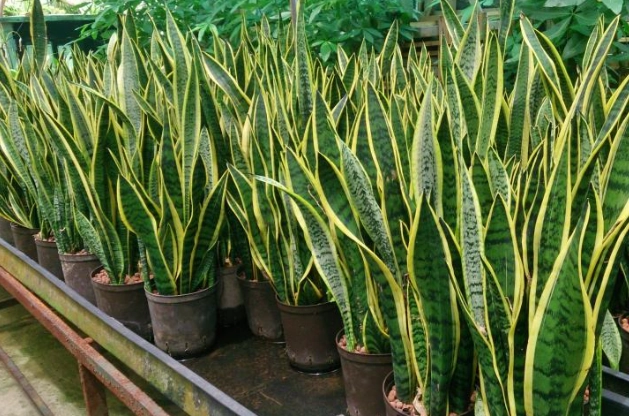
The Low-Key Humidity Helper & Mental Boost
All plants release moisture vapor through transpiration, which can slightly increase the humidity in a dry room. Again, it's a modest effect, but in a winter-heated room, every little bit helps your skin and sinuses.
And let's not forget the simple, proven psychological benefit of having greenery around. Studies from places like the Royal Horticultural Society consistently show that caring for plants reduces stress and improves focus. A snake plant is the perfect gateway into that world because it gives you all the calming vibes with almost none of the anxiety about killing it.
How Not to Kill Your Snake Plant: The Care Guide That Cuts the Fluff
Here's where most guides get it wrong. They say "easy to care for" and leave it at that. But "easy" isn't the same as "no rules." The number one killer of snake plants is, without a doubt, love. Specifically, overwatering love.
Imagine you're a snake plant. You're from arid regions of West Africa. You have thick, succulent leaves that store water for droughts. Your roots are not fans of soggy parties. Now picture a well-meaning human giving you a drink every week "just in case." It's a death sentence.
Watering: The Golden Rule
Forget schedules. Watering every Tuesday is a recipe for disaster. The rule is simple: Soak it, then let it completely dry out. I mean completely. Stick your finger into the soil, all the way to the second knuckle. Is it dry? Wait another week. Is it still a bit damp? Walk away.
In winter, when growth slows and light is lower, you might only need to water once a month, or even less. I've gone six weeks in the winter without watering mine, and they were perfectly happy. A thirsty snake plant is a wrinkled, slightly puckered snake plant. An overwatered one is a mushy, yellowing, collapsing one. The former is easy to fix. The latter often isn't.
Light: It's More Flexible Than You Think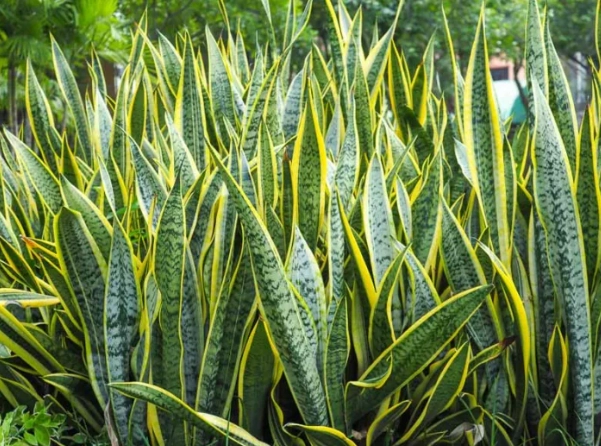
Snake plants are champions of low light. They'll survive in that dim corner. But "survive" and "thrive" are different. In very low light, growth will be extremely slow, almost non-existent, and the vibrant variegation on some types might fade.
They actually prefer bright, indirect light. A spot a few feet back from a south or west-facing window is ideal. They can even handle some direct sun, but harsh afternoon sun through a hot window can scorch the leaves, leaving bleached, crispy patches.
Think of it this way: more light = faster growth and potentially more frequent watering (because the soil dries faster). Less light = slower growth and much less frequent watering.
Soil and Potting: Give Those Roots Room to Breathe
Heavy, moisture-retentive potting soil is the enemy. You need a mix that drains faster than a sink. A good quality cactus/succulent mix is perfect. You can even make your own by mixing regular potting soil with a hefty amount of perlite or coarse sand (like 2 parts soil to 1 part perlite).
They don't need repotting often. In fact, they like being a bit root-bound. You'll know it's time when roots are literally pushing the plant up out of the pot or cracking the pot itself. When you do repot, only go up one pot size (1-2 inches wider in diameter). Too big a pot means too much soil holding too much moisture around a small root system. Recipe for rot.
| Care Factor | What It Wants | What It Tolerates | What Will Kill It |
|---|---|---|---|
| Water | Deep, infrequent soaks. Let soil dry completely between waterings. | Occasional forgetfulness (drought). | Consistently wet soil. Watering on a schedule. |
| Light | Bright, indirect light. | Low light, some direct morning sun. | Pitch darkness for months. Intense, scorching afternoon sun. |
| Soil | Fast-draining cactus/succulent mix. | Regular potting mix amended with perlite. | Dense, water-logged garden soil or clay. |
| Temperature | Average room temps (65-80°F / 18-27°C). | Brief dips to 50°F (10°C). | Sustained freezing temperatures. Hot drafts from heaters. |
| Fertilizer | Half-strength balanced fertilizer, once in spring and once in summer. | No fertilizer at all. | Heavy, frequent feeding, especially in winter. |
Making More Snake Plants: Propagation is Weirdly Satisfying
Once you've kept one alive, you'll want more. The good news? Making baby snake plants is incredibly easy and feels like magic. There are two main ways: division and leaf cuttings.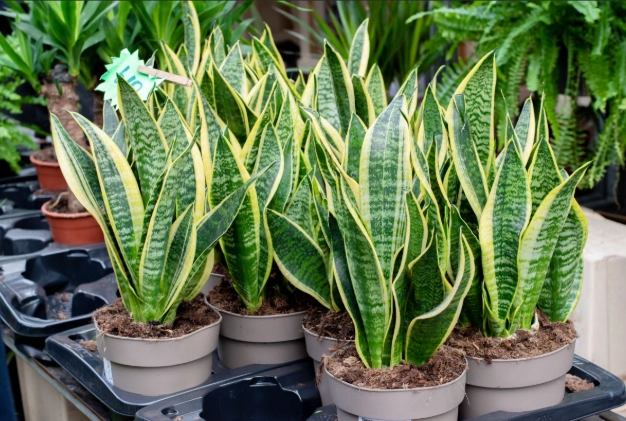
Division (The Fastest Method)
This is for when your plant has produced "pups" or offsets – new shoots coming up from the soil next to the mother plant. When you repot, you can gently separate these pups, ensuring each has some roots attached. Pot them up individually, and boom, you have a new, mature-looking plant instantly. This is the only way to get a perfect clone of variegated types like the Laurentii (yellow edges).
Leaf Cuttings (The Science Project Method)
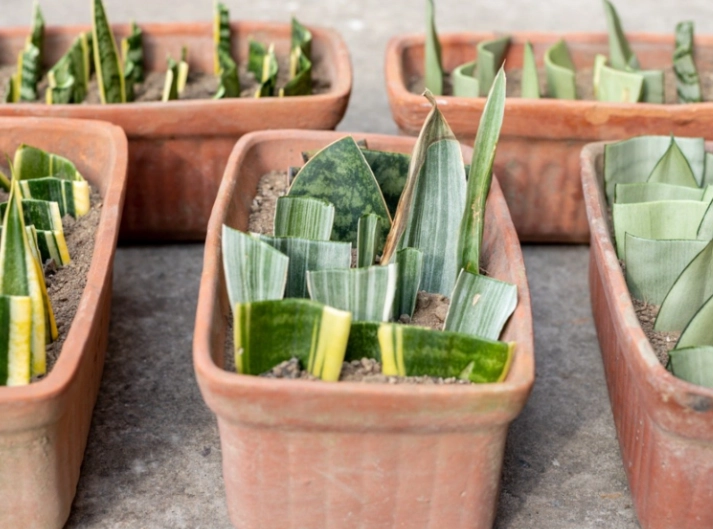
This is fun. You cut a healthy leaf into 3-4 inch segments. Crucial step: let the cut ends dry and callous over for a day or two to prevent rot. Then, stick the bottom end (remember which way was down!) into moist cactus mix or even just water.
If propagating in water, change the water weekly to keep it fresh. Roots will appear in a few weeks. A tiny new shoot (a pup) will eventually emerge from the base. Patience is key; this can take months.
Here's the quirky part: if you take a cutting from a variegated snake plant (like one with yellow edges), the new plant that grows from that leaf cutting will usually revert to the plain green form. The variegation is often a chimera (layers of different genetics), and leaf cuttings don't always carry it through. To keep the stripes, you need to divide.
Uh Oh, What's Wrong With My Plant? Common Problems Decoded
Even the mighty snake plant can have issues. Here’s how to diagnose the SOS signals.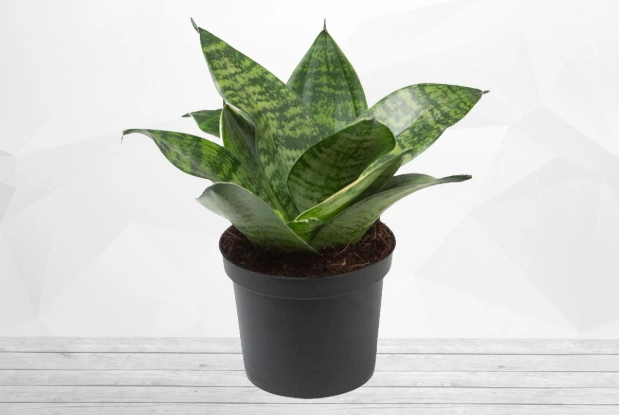
- Soft, Mushy Leaves at the Base: This is the big one. Overwatering/Root Rot. Stop watering immediately. Take the plant out of its pot. Cut away any black, mushy roots and affected leaves with a clean knife. Repot in fresh, dry cactus mix. Don't water for at least a week. Pray.
- Wrinkled, Puckered Leaves: Underwatering. Yes, it's possible, though rare. Give it a good, thorough soak. The leaves should plump back up in a day or two.
- Brown, Crispy Tips or Edges: Usually low humidity or fluoride/chlorine in tap water. You can trim the brown tips off with clean scissors, following the leaf's natural shape. Try using filtered or distilled water, or just let tap water sit out overnight before using.
- Leaves Falling Over/Flopsy: Could be overwatering (if mushy). More commonly, it's etiolation – the plant is stretching desperately for more light, becoming weak and top-heavy. Move it to a brighter spot. You can stake a flopped leaf for support.
- Pests: They're fairly pest-resistant, but mealybugs (look like tiny bits of cotton) or spider mites (fine webbing) can show up. Wipe leaves with a cloth dipped in soapy water or use insecticidal soap. The University of Minnesota Extension's plant diagnostic tool is great for confirming pest issues.
Which Snake Plant Should You Get? A Quick Tour of the Family
"Snake plant" isn't just one plant. There's a whole crew. Choosing one is half the fun.
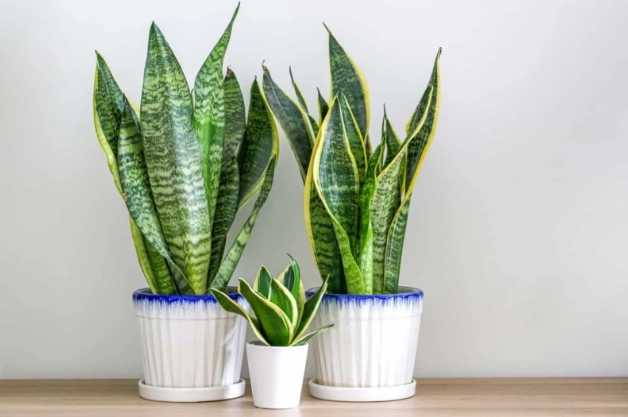
- Sansevieria trifasciata 'Laurentii': The classic. Tall, dark green leaves with striking vertical yellow margins. The poster child.
- Sansevieria trifasciata 'Hahnii': The birdsnest type. Short, stubby leaves that form a rosette. Perfect for small spaces, like a desk.
- Sansevieria cylindrica (Cylindrical Snake Plant): Smooth, round, spear-like leaves that grow straight up. Often braided when sold. Looks incredibly architectural.
- Sansevieria trifasciata 'Moonshine': Gorgeous, wide, silvery-green leaves. A real stunner that brightens up a dark corner.
- Sansevieria trifasciata 'Black Coral' or 'Future Midnight': Very dark green, almost black-looking leaves with subtle silvery bands. Moody and dramatic.
- Sansevieria trifasciata 'Whale Fin': A single, massive, paddle-shaped leaf. It's a conversation starter, for sure.
So, there you have it. The snake plant isn't just a boring old office plant. It's a resilient, air-cleaning, oxygen-boosting, style-giving piece of nature that asks for little and gives back a lot. It's the perfect plant for beginners who are nervous, for busy people who travel, for anyone who wants a touch of green without the drama.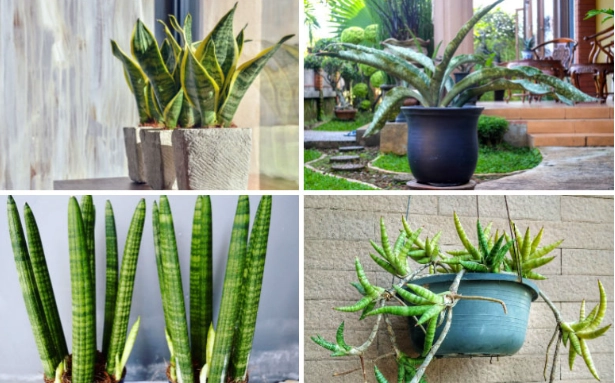
My advice? Just get one. Pick a variety that speaks to you, put it in a pot with a hole, place it in decent light, and then... mostly leave it alone. Learn its rhythm. It might just become your most dependable, and surprisingly rewarding, leafy friend.
And if you do overwater it and it dies? Don't beat yourself up. We've all been there. It's a lesson, not a failure. Now you know for next time. The world is full of snake plants waiting for a second chance with a wiser plant parent.

Comments