Your Quick Plant Guide
Let's be honest: nothing changes a room like a large indoor house plant. It's not just decor; it's a living piece that cleans your air, boosts your mood, and makes your home feel alive. But here's the thing—most guides online give you the same basic tips. After helping hundreds of clients and killing a few plants myself (yes, I've been there), I've learned what really works. This isn't about listing every plant out there; it's about giving you the actionable insights to pick, care for, and thrive with large indoor plants.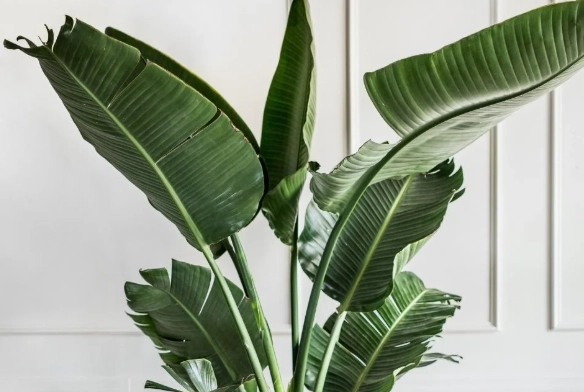
How to Choose the Right Large Indoor Plant for Your Space
You wouldn't buy a sofa without measuring your room, right? Same goes for large indoor plants. I've seen people bring home a gorgeous fiddle leaf fig only to realize it blocks half their window. Start by looking at your space critically.
Assessing Light Conditions Honestly
Light is the biggest make-or-break factor. Don't just guess—observe. Which direction do your windows face? North-facing windows get indirect light, great for plants like the snake plant. South-facing ones are bright, perfect for a bird of paradise. But here's a tip many miss: light changes with seasons. In winter, that sunny spot might become shaded. I recommend using a light meter app for a week to track patterns. It's a game-changer.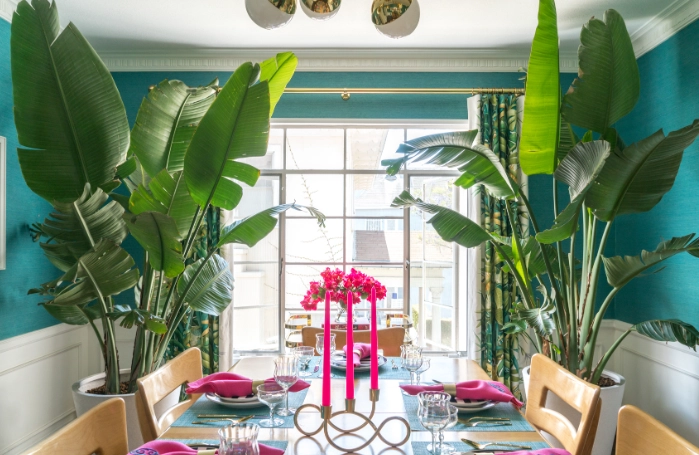
Considering Room Size and Layout
Measure the height and width where you plan to place the plant. Large indoor trees can grow fast; a rubber plant might start at 4 feet but hit 8 feet in a few years. Leave at least 2 feet of clearance from walls for air circulation. People often cram plants into corners, leading to mold issues. Think about traffic flow too—you don't want a monstera blocking a doorway.
Budget matters. Large indoor plants can range from $50 for a young specimen to $500 for a mature one. Nurseries often have sales in spring; check local ones for deals. Online retailers like The Sill offer delivery, but inspect plants upon arrival—I once got a palm with pest eggs hidden under leaves.
My Top 5 Large Indoor House Plants for Real Homes
Based on my experience, these five plants balance beauty, ease, and impact. I've included specifics so you can make a decision today.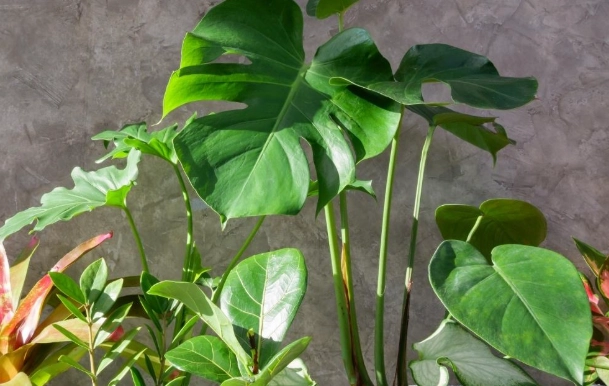
| Plant Name | Light Needs | Watering | Mature Size | Price Range |
|---|---|---|---|---|
| Snake Plant (Sansevieria) | Low to bright indirect | Every 2-3 weeks | 3-4 feet tall | $40-$100 |
| Monstera Deliciosa | Bright indirect | Weekly in summer | 6-8 feet wide | $60-$150 |
| Fiddle Leaf Fig | Bright, direct morning light | When top inch dry | Up to 10 feet | $80-$300 |
| Rubber Plant (Ficus elastica) | Medium to bright indirect | Every 1-2 weeks | 6-10 feet tall | $50-$120 |
| Bird of Paradise | Full sun to bright indirect | Weekly, loves humidity | 5-6 feet indoors | $70-$200 |
The snake plant is my go-to for beginners—it's nearly indestructible and filters air well, backed by NASA's Clean Air Study. Monstera deliciosa? It grows like crazy if you give it a moss pole; without support, it gets leggy. Fiddle leaf figs are trendy but finicky; they drop leaves if moved often. I tell clients to pick one spot and leave it there.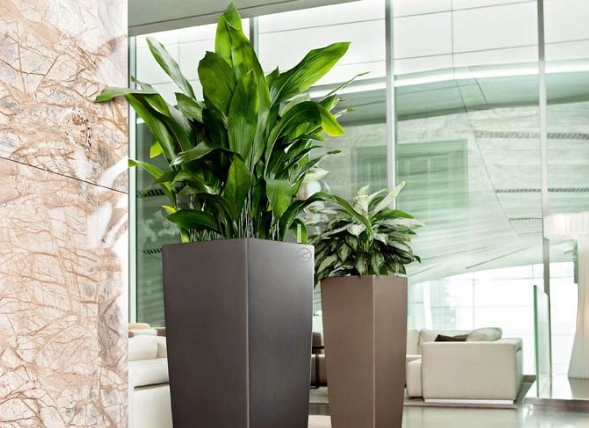
Price varies by size and source. Big-box stores might have cheaper plants, but local nurseries often provide healthier ones with advice. I bought a rubber plant from a nursery for $75; it's thrived for years with minimal fuss.
Common Mistakes You're Probably Making with Large Indoor Plants
Everyone talks about overwatering, but that's just the start. Here are subtle errors I see all the time.
Ignoring root ventilation. Large pots can trap moisture, leading to root rot. Use pots with drainage holes and add a layer of pebbles at the bottom. I learned this the hard way when a beautiful dracaena rotted from the inside—the soil felt dry on top, but the roots were soggy.
Dusting leaves incorrectly. Dust blocks light absorption. Wipe leaves with a damp cloth monthly, but avoid leaf shine products; they clog pores. A client once sprayed hers weekly, and the plant suffocated within months.
Fertilizing too much or too little. Large indoor plants need nutrients, but over-fertilizing burns roots. Use a balanced liquid fertilizer every 4-6 weeks in growing season (spring to fall). In winter, stop—plants are dormant. I prefer organic options like fish emulsion; they're gentler.
Not rotating plants. Light hits one side more, causing uneven growth. Rotate your plant 90 degrees every few weeks. It sounds simple, but most people forget. My monstera used to lean toward the window until I made rotation a habit.
Pro tip: When you buy a large indoor plant, repot it within a month. Nursery soil is often poor quality. Use a well-draining mix—I combine potting soil, perlite, and orchid bark for aeration.
Step-by-Step Care Guide for Large Indoor Plants
Let's break down care into actionable steps. Assume you've just brought home a large indoor plant.
Watering Techniques That Actually Work
Stick your finger into the soil up to the second knuckle. If it's dry, water thoroughly until it drains out the bottom. Never let the plant sit in water—empty the saucer after 30 minutes. For large pots, use a moisture meter; they're cheap and prevent guesswork. I water my fiddle leaf fig every 10 days in summer, but in winter, it might go 3 weeks.
Water quality matters. Tap water with chlorine can harm plants. Let it sit overnight before using, or use filtered water. My rubber plant showed brown tips until I switched to rainwater.
Fertilizing Schedule Based on Growth
During active growth (spring and summer), fertilize every 4-6 weeks. Dilute to half strength to avoid shock. In fall, reduce to once every 8 weeks. Winter? Skip it. I use a 10-10-10 fertilizer for most large indoor plants, but flowering types like peace lilies need more phosphorus.
Signs of over-fertilization: yellow leaves, crusty soil surface. If this happens, flush the soil with water to leach out excess salts.
Pruning and Maintenance
Prune in spring to shape the plant and remove dead leaves. Use clean, sharp shears. For tall plants like fiddle leaf figs, cut above a leaf node to encourage branching. Don't be afraid to cut—it promotes growth. I prune my monstera annually, and it always comes back bushier.
Check for pests monthly. Spider mites love dry conditions; wipe leaves with neem oil solution if you see webbing. I had an infestation on a bird of paradise; catching it early saved the plant.
Answers to Your Tricky Questions About Large Indoor Plants
Large indoor house plants aren't just decor; they're companions that grow with you. Start with one from my top picks, apply these care tips, and avoid the common pitfalls. Remember, every plant has its personality—observe, adapt, and enjoy the process. If you have more questions, drop a comment below; I'm here to help.
Comments