Guide Highlights
- What Exactly Is a Pearl Plant?
- The Non-Negotiable Pearl Plant Care Guide
- Feeding, Pruning, and Maintenance
- Common Pearl Plant Problems and Solutions
- Propagation: How to Make More Pearl Plants for Free
- Popular Pearl Plant Varieties and Cousins
- Frequently Asked Questions About Pearl Plants
- Final Thoughts: Is the Pearl Plant Right for You?
So you brought home a pearl plant, those cute little beads on a string, and now you're staring at it wondering what you've gotten yourself into. I've been there. That first string of pearls I bought looked so perfect in the store, a lush cascade of green pearls, and within a month it was looking a bit... sad. A few shriveled beads, some sections thinning out. I almost gave up on it.
But here's the thing – once you crack the code, the pearl plant (most commonly referring to Senecio rowleyanus, the classic "String of Pearls") is one of the most rewarding and conversation-starting houseplants you can own. It's not as finicky as its delicate appearance suggests, but it does have some non-negotiable needs. This guide is everything I wish I'd known from the start, compiled from years of trial, error, and finally, success.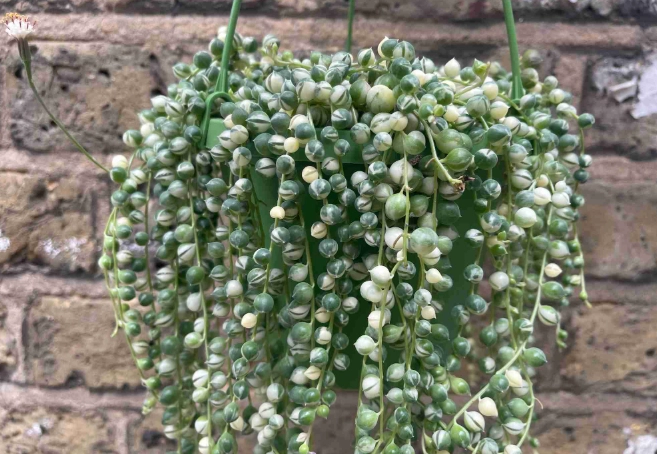
Let's clear up the name first. When people say "pearl plant," they're almost always talking about the String of Pearls (Senecio rowleyanus). Sometimes the term gets mixed up with other bead-like succulents like "String of Tears" or "String of Bananas." For the sake of this deep dive, we're focusing on the iconic round-pearled variety – the true star of the pearl plant world.
What Exactly Is a Pearl Plant?
It's a trailing succulent native to the drier parts of southwest Africa. Those plump, round "pearls" are actually highly modified leaves. They're shaped that way to minimize surface area and maximize water storage – a perfect adaptation for arid environments. The plant grows along the ground in nature, sending out runners that root wherever a node touches soil. In your home, it's happiest spilling gracefully over the edge of a hanging basket or a high shelf.
The charm is undeniable. There's something almost whimsical about it. But its unique biology is why typical houseplant care routines will lead you astray. Treat it like a pothos or a spider plant, and you'll run into problems.
The Non-Negotiable Pearl Plant Care Guide
This is the core of keeping your plant alive and thriving. Forget complex schedules; think about replicating its home environment.
Light: The Biggest Make-or-Break Factor
More light than you think. Seriously. A common reason for leggy growth (long spaces between pearls) and lack of flowering is insufficient light.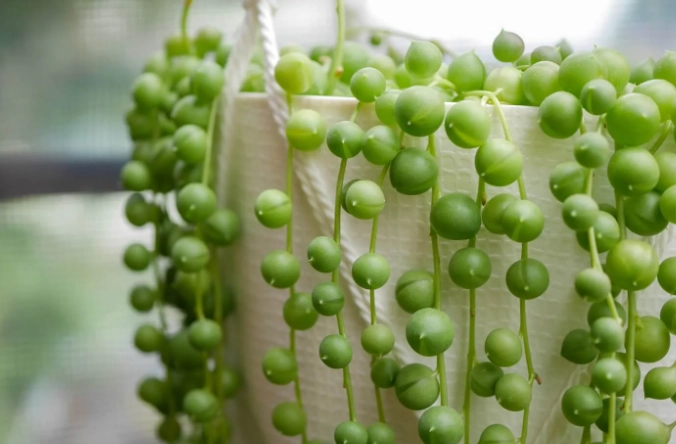
Ideal: Several hours of bright, indirect light. A south or west-facing window is perfect, but you might need to diffuse the strongest afternoon sun with a sheer curtain to prevent scorching (yes, those pearls can get sunburned!). An east-facing window that gets gentle morning sun is also excellent.
Signs it's not getting enough light: The pearls become spaced far apart on the string, the plant grows slowly, and the green color may fade. It just looks stretched and weak.
Can it handle direct sun? Acclimated plants can handle some direct sun, especially morning sun. But introduce it gradually. Sudden, intense afternoon sun will cook the pearls, leaving brown or white scorch marks. I learned this the hard way on a sunny patio – a few strings got crispy tips.
Pro Tip: Rotate your pot every few weeks. The side facing the light will grow denser, and rotating ensures even growth and prevents the plant from leaning heavily in one direction.
Watering: The Delicate Dance
This is where most people, myself included, mess up. The pearl plant is a succulent. It stores water in those beads. Overwatering is the fastest way to kill it, leading to mushy, rotting pearls and stems.
The Foolproof Method: The "soak and dry" method. Don't water on a schedule. Instead, check the soil.
- Check the pearls: Gently squeeze a few pearls near the base of the plant. If they feel firm and plump, hold off on watering.
- Check the soil: Stick your finger about an inch into the potting mix. Is it completely dry? Also, feel the weight of the pot. A dry pot is significantly lighter.
- Soak it: When both the pearls show slight give (they might soften a tiny bit, not shrivel) and the soil is bone dry, take the plant to the sink. Water thoroughly until water runs freely out of the drainage holes. This ensures the entire root ball gets moisture.
- Drain it: Let it drain completely. Never let the pot sit in a saucer of water.
Frequency? It varies wildly. In a hot, sunny spot in summer, it might be every 7-10 days. In a cooler, low-light spot in winter, it could be once a month or even less. Your plant will tell you.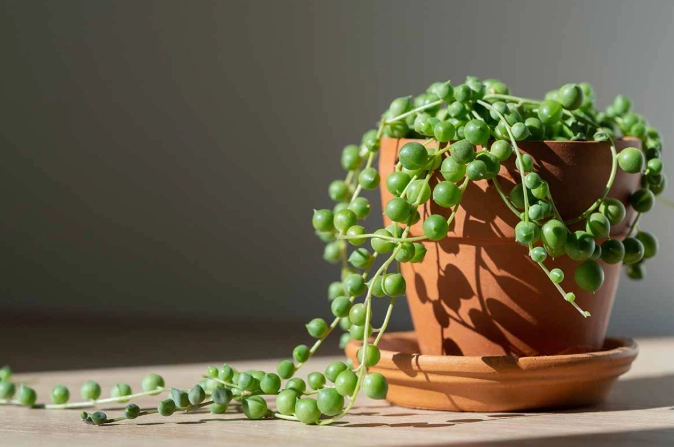
Biggest Warning: Avoid misting your pearl plant. Those pearls don't like to stay wet, and moisture sitting in the crevices between them can encourage rot or fungal issues. They prefer dry air. If you want to increase humidity for other plants, keep this one out of the direct spray.
Soil and Potting: Building the Right Foundation
Regular potting soil holds too much moisture. Your pearl plant needs a mix that drains incredibly fast.
The Perfect Mix: Use a commercial cactus & succulent potting mix as a base. For even better drainage, I personally amend it by mixing in 1-2 parts of perlite or pumice and 1 part of coarse sand. This creates an airy, gritty mix that water flows through quickly, preventing soggy roots. The Royal Horticultural Society recommends a similar well-drained, gritty medium for succulents like Senecio.
The Pot: Drainage holes are non-negotiable. Terracotta pots are fantastic because they are porous and help wick away excess moisture from the soil. The pot shouldn't be too large – a size that's just a bit bigger than the root ball is ideal. A pot that's too big holds wet soil for too long, risking root rot.
Temperature and Humidity
Pearl plants enjoy average room temperatures between 70-80°F (21-27°C) during the growing season. They can tolerate down to about 50°F (10°C) in winter. Keep them away from cold drafts, air conditioning vents, or hot radiators.
Humidity is not a concern. Average household humidity is fine. As mentioned, they don't like high humidity or misting.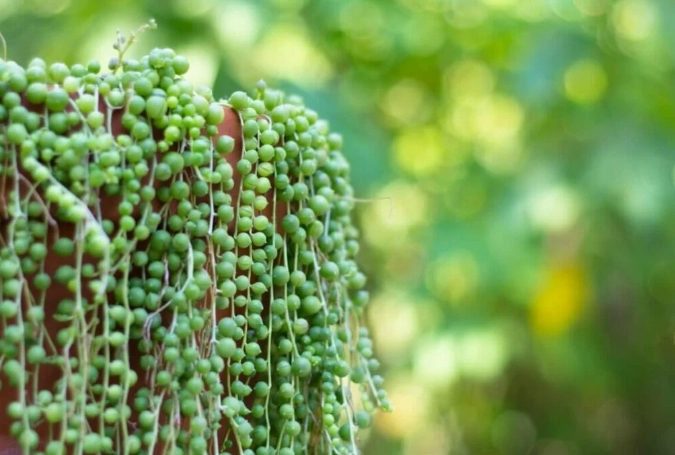
Feeding, Pruning, and Maintenance
Fertilizing: Less is more. Feed only during the active growing season (spring and summer). Use a balanced, water-soluble fertilizer diluted to half-strength once a month. Or use a specialized succulent fertilizer. Do not fertilize in fall and winter when growth slows.
Pruning and Shaping: Don't be afraid to trim! Pruning encourages bushier growth. If a strand gets too long or leggy, simply snip it off. You can use the cuttings to propagate (more on that below). Pinching off the tips of strands will often encourage branching from that point, making the plant fuller.
Cleaning: Dust can accumulate on the pearls, blocking light. Gently wipe them with a soft, dry paintbrush or use a gentle blast of air (like from a camera lens blower).
Common Pearl Plant Problems and Solutions
Let's troubleshoot. Here’s a quick-reference table for the most common issues.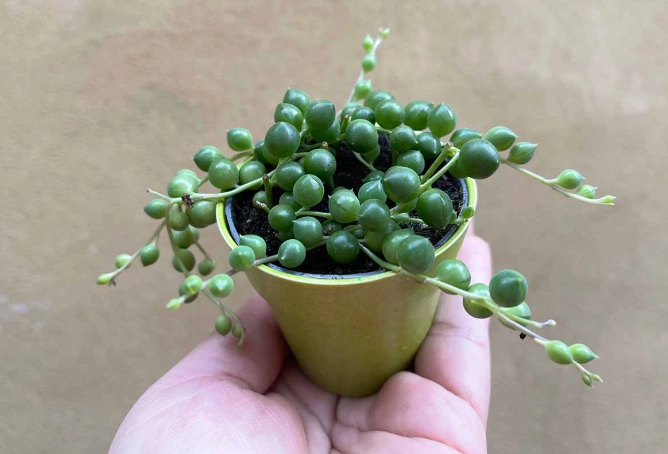
| Problem | Likely Cause | Solution |
|---|---|---|
| Pearls shriveling | Underwatering. The plant is using its stored water. | Give it a thorough soak. The pearls should plump up within a day or two. |
| Pearls turning mushy, yellow, or translucent | Overwatering / Root Rot. This is serious. | Stop watering immediately. Remove the plant from its pot, cut away any black, mushy roots and affected stems. Let it dry out for a day, then repot in fresh, dry succulent mix. Water very sparingly until new growth appears. |
| Long, leggy growth with big gaps | Insufficient light. | Move to a brighter location. You can prune the leggy strands to encourage bushier growth from the base. |
| Brown, dry spots on pearls | Sunburn. | Move to a spot with bright, indirect light. Acclimate slowly to any direct sun. The damaged pearls won't recover, but you can prune them off. |
| Little white cottony spots | Mealybugs. A common pest. | Isolate the plant. Dab each bug with a cotton swab dipped in rubbing alcohol. Check leaf axils and undersides. Repeat weekly until gone. For severe cases, use insecticidal soap or a systemic insecticide labeled for succulents. |
Propagation: How to Make More Pearl Plants for Free
This is the fun part! Propagating a string of pearls is surprisingly easy and a great way to share plants with friends or fill out a sparse pot.
Method 1: The Soil Layering Method (Easiest & Most Reliable)
- Take a healthy, long strand and coil it on top of the soil in the same pot or a new pot.
- Gently press the nodes (the points where pearls meet the stem) into the soil. You can use a bent paperclip or hairpin to hold them down.
- Keep the soil lightly moist (not wet) around these pinned areas.
- In a few weeks, roots will form at the nodes. Once established, you can cut the connecting stem if you wish.
This method works because it mimics how the plant spreads in the wild. I've had the most success with this, as the cutting is still getting some moisture from the mother plant while it roots.
Method 2: Stem Cuttings in Soil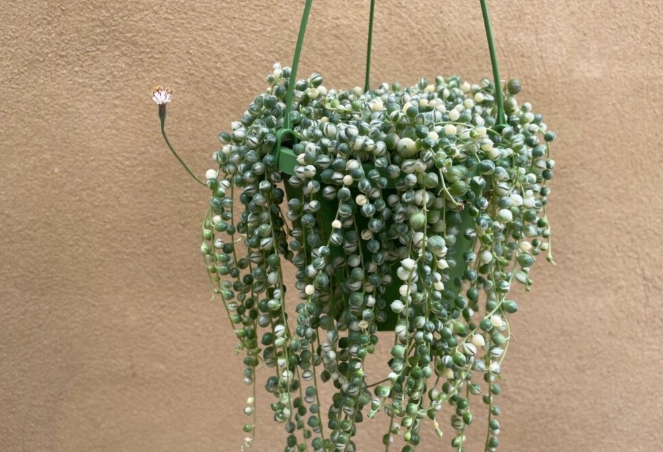
- Cut a healthy strand, about 3-5 inches long.
- Remove a few pearls from the bottom inch of the cutting to expose the stem.
- Let the cut end callous over for a day (this prevents rot).
- Plant the bare stem section in moist succulent mix. You can plant several cuttings in one pot for a fuller look.
- Place in bright, indirect light and keep the soil slightly moist until you see new growth, indicating roots have formed.
Method 3: Water Propagation
Some people have luck with this, but I find it riskier for rot. If you want to try: prepare a cutting as above, let it callous, then place the bare stem in a jar of water, ensuring no leaves are submerged. Change the water weekly. Plant in soil once roots are an inch or two long.
Popular Pearl Plant Varieties and Cousins
While Senecio rowleyanus is the classic, there are a few other beauties in the family worth knowing.
- String of Pearls Variegated: The pearls have creamy white or yellow streaks. It grows a bit slower and needs slightly brighter light to maintain its variegation. Stunning, but can be less forgiving.
- String of Tears (Senecio herreianus): The pearls are more oval-shaped, like raindrops. Care is identical.
- String of Bananas (Senecio radicans): Curved, banana-shaped leaves. Faster growing and often considered slightly more forgiving than the round pearl plant.
- String of Dolphins (Senecio peregrinus): Leaves that look like tiny jumping dolphins. A real conversation piece.
Care for all these is essentially the same – lots of light, careful watering, and gritty soil.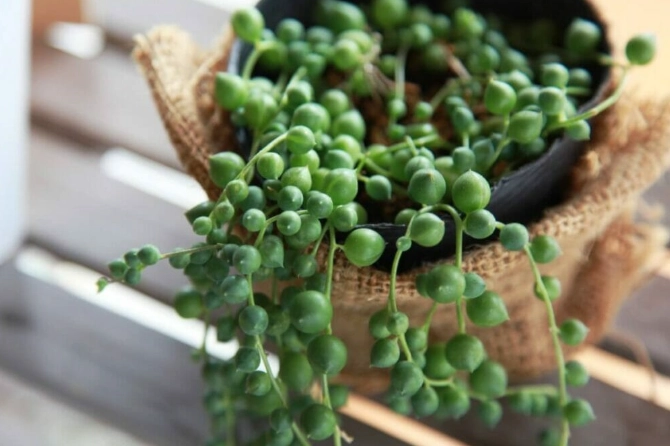
Frequently Asked Questions About Pearl Plants
Final Thoughts: Is the Pearl Plant Right for You?
If you're a chronic overwaterer, this plant might be a tough teacher. But if you can provide a bright spot and learn to check the soil (and the pearls!) before reaching for the watering can, it's an incredibly unique and satisfying plant to grow.
It teaches patience and observation. The payoff is a living sculpture of cascading green beads that looks like nothing else in your collection. Don't be discouraged by initial setbacks. Even experienced gardeners can have a string of pearls fail. Buy a small, healthy plant, follow the principles here – especially on light and water – and you'll be well on your way to mastering the care of this beautiful pearl plant.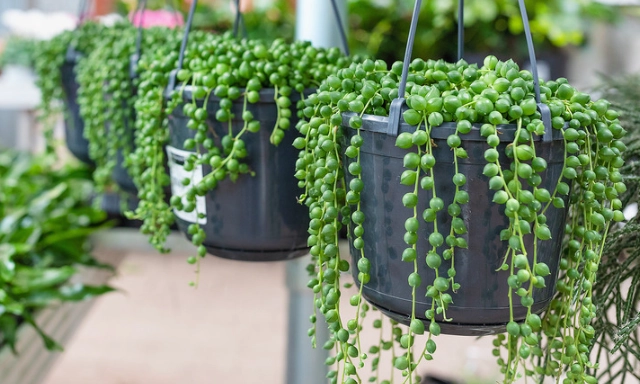
Give it the right conditions, and it will thrive for years.


Comments