Guide Highlights
- Why Choose Star Jasmine for Your Trellis?
- Picking the Right Trellis: It's More Than Looks
- Installation: Getting It Solidly in the Ground
- Planting and Training: The First Two Crucial Years
- Long-Term Care and Pruning Your Masterpiece
- Solving Common Star Jasmine Trellis Problems
- Inspiring Star Jasmine Trellis Ideas
- Frequently Asked Questions (The Stuff You Really Want to Know)
Let's talk about star jasmine. You've probably seen it somewhere—smelled it first, actually. That sweet, intoxicating scent on a warm evening that makes you stop and look around. More often than not, you'll find it spilling over a fence or, better yet, climbing gracefully up a trellis. A star jasmine trellis isn't just a garden structure; it's the frame for a living, breathing, and beautifully scented work of art.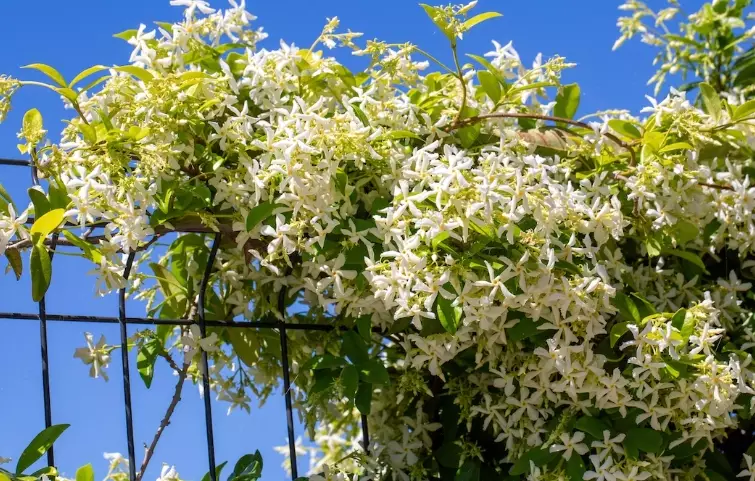
I remember the first time I decided to train star jasmine on a trellis against my bland garage wall. I had more enthusiasm than knowledge, I'll admit. I bought a flimsy trellis, planted the vine too close, and then wondered why it looked sparse and uneven for two years. It was a lesson in patience and planning. But when it finally took off? It transformed the whole side of my house. Now, it's the feature everyone comments on. That's the goal here—to help you skip my mistakes and get that lush, private, fragrant wall right from the start.
Think of this guide as your one-stop shop. We're going beyond just "how to attach a trellis." We'll dig into the why behind each choice, the design ideas you might not have considered, and the nitty-gritty of long-term care that most articles gloss over. By the end, you'll know exactly how to build a star jasmine trellis display that thrives for years.
Why Choose Star Jasmine for Your Trellis?
Not all climbing plants are created equal. You could go with ivy, but it's invasive and can damage surfaces. Wisteria is stunning but can be a heavyweight bully. Star jasmine (Trachelospermum jasminoides), on the other hand, hits a real sweet spot. It's a versatile, evergreen vine that's relatively well-behaved but vigorous enough to give you that satisfying, full coverage.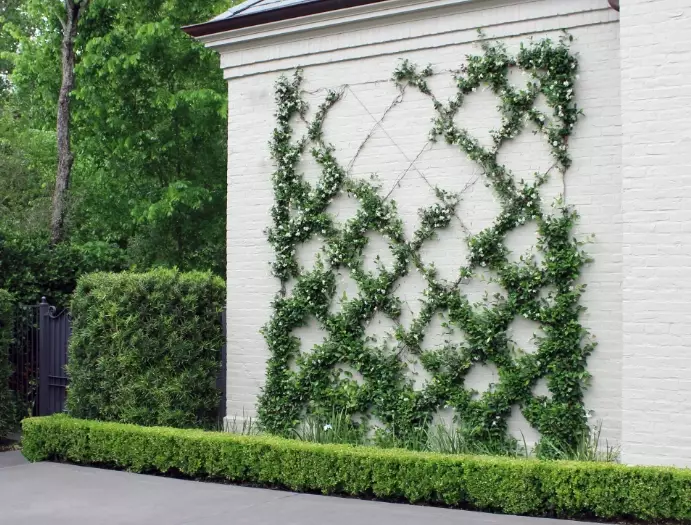
Its main draw is the fragrance. From late spring through summer, it produces clusters of tiny, pinwheel-shaped white flowers that pack an incredible scent, especially in the evenings. It's not overpowering like some gardenias can be; it's just perfect. The glossy, dark green leaves look great year-round, turning a lovely bronze-red in cooler winters, which adds another layer of interest.
It's tough too.
Once established, it's surprisingly drought-tolerant and can handle a range of conditions from full sun to partial shade. According to the Missouri Botanical Garden, a fantastic resource for plant info, it's hardy in USDA zones 8-10, and with protection, it can sometimes survive in zone 7. It's also not a rampant, uncontrollable grower. It climbs by twining, which means it wraps its stems around supports, making it ideal for a trellis where you want some control over its direction.
The Perfect Match: Vine and Structure
This is where the magic happens. A trellis provides the perfect support for star jasmine's twining habit. Unlike a solid wall, a star jasmine trellis allows for air circulation, which is crucial for preventing fungal diseases on the leaves. It also gives you a defined space for the plant to fill, creating a neat, intentional look rather than a wild, sprawling mess. You're essentially building a living wall panel.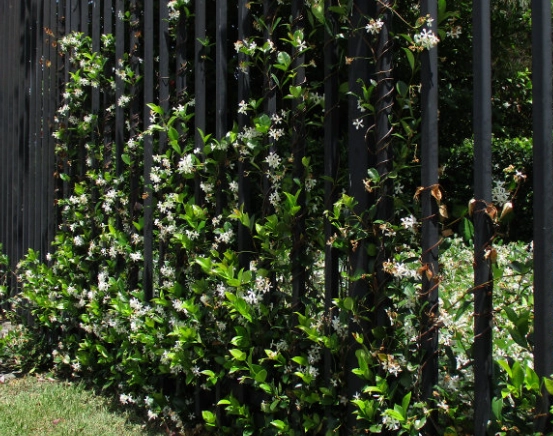
What are you using it for? Privacy from neighbors? Screening an ugly AC unit or trash cans? Pure decoration to frame your front door? A star jasmine trellis can do all of that. The dense foliage creates an excellent visual barrier, and the scent turns a functional screen into a sensory experience.
Here's my take: the cost vs. reward ratio for a star jasmine trellis is one of the best in gardening. A few plants, a well-built support, and some basic care yield a high-impact feature that adds real value—both in how your property looks and how it feels to be there.
Picking the Right Trellis: It's More Than Looks
This is the step where most people, myself included on that first attempt, go wrong. You fall in love with a delicate, ornamental trellis at the garden center without thinking about the future. A mature star jasmine is heavy, especially when wet or after an ice storm. That cute trellis might buckle in a few years. You need to think about material, design, and placement together.
Trellis Material Showdown
Let's break down the common options. This isn't just about what lasts longest; it's about aesthetics, maintenance, and your budget.
| Material | Pros | Cons | Best For |
|---|---|---|---|
| Cedar or Redwood | Naturally rot-resistant, beautiful natural look that weathers to a nice gray, sturdy. | Most expensive option. Requires sealing/staining for maximum longevity. | Permanent, high-visibility features where you want a natural aesthetic. |
| Pressure-Treated Pine | Affordable, very durable against rot and insects due to chemical treatment. | Less attractive (can have a greenish tint initially). Some gardeners have concerns about old treatment chemicals near soil. | Large privacy screens or trellises where the plant will completely cover the structure. |
| Metal (Steel or Aluminum) | Extremely strong and durable, slim profiles offer minimalist look, long-lasting. | Can get very hot in full sun (potential leaf scorch), prone to rust if not galvanized/powder-coated. | Modern garden designs, arched trellises, or very humid climates where wood rots quickly. |
| Vinyl or PVC | Zero maintenance, won't rot or rust, often inexpensive. | Can look cheap or artificial. May become brittle and crack in extreme cold over time. Less environmentally friendly. | Low-budget projects or areas with constant moisture where metal rusts and wood rots. |
| Bamboo | Very affordable, eco-friendly, natural rustic look. | Least durable. Will rot in a few years, especially at ground contact. Not for permanent installations. | Temporary or seasonal supports, container gardening, or a quick, cheap test run. |
My personal favorite for a balance of looks, durability, and cost? Cedar. It just feels right in the garden. The initial sting of the price fades when you see it holding up beautifully a decade later. For a large, painted garden wall trellis that will be completely covered, pressure-treated pine is a practical workhorse.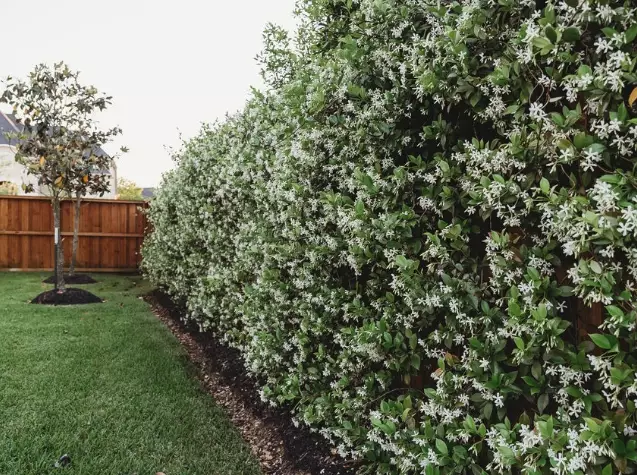
A critical note on metal trellises: If you live in a hot, sunny climate, think carefully. A dark metal star jasmine trellis in full afternoon sun can literally bake the stems and leaves touching it. I've seen it cause damage. Always ensure there's a slight air gap between the trellis and a wall, and consider a light-colored powder coat.
Trellis Designs That Work (And One That Doesn't)
The design dictates how the plant grows and the final effect. Star jasmine is flexible, but some trellis patterns are better partners than others.
- Grid or Lattice: The classic. Squares or diamonds. This is arguably the best pattern for a star jasmine trellis. The frequent intersections give the twining stems countless anchor points, encouraging dense, even coverage. It's foolproof.
- Vertical or Horizontal Slats: Very modern and clean. Horizontal lines can make a space feel wider. The challenge is that the stems have fewer points to grab onto, so you'll need to do a bit more tying and training early on. Once the network of stems is established, it looks stunning.
- Arched or Obelisk: Adds fantastic three-dimensional structure. A star jasmine-covered arch over a garden gate is a dream. Ensure the structure is massively sturdy—the weight and wind load on an arch are significant.
- Fan or Expanding Trellis: Great for covering a wide area from a central planting point, like at the corner of a house.
The design to avoid?
Overly complex, ornate scrollwork with tiny gaps. The jasmine will engulf it, hiding all the detail you paid for, and it's a nightmare to prune. Keep the pattern simple and functional.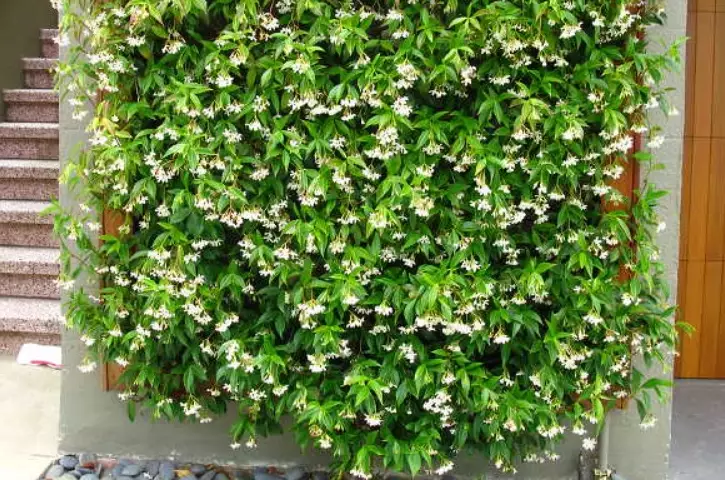
Installation: Getting It Solidly in the Ground
This is the most physical part, but getting it right prevents sagging, leaning, and collapse. A wobbly star jasmine trellis is a heartbreak waiting to happen.
Step-by-Step: Wall-Mounted Trellis
This is the most common method for covering a house wall, fence, or garage.
- Plan and Mark: Decide on the exact location. Use a level to mark the top and sides. Remember to leave at least 3-6 inches of space between the back of the trellis and the wall for air circulation and stem growth. This is non-negotiable for plant health.
- Choose Mounting Hardware: Don't use flimsy picture-hanging hooks. Use sturdy wall anchors suitable for your wall material (brick, siding, wood). For a wooden trellis, I use 2-3 inch exterior-grade screws with rubber or plastic spacers (they look like little tubes) to create that crucial air gap.
- Attach Securely: Have a helper hold the trellis in place. Drill pilot holes through the trellis frame into the wall. Attach at every major intersection of the frame, not just the corners. The weight of the mature vine is substantial.
- Test for Sturdiness: Give it a firm shake. There should be zero rocking or flexing at the mounting points. If it moves, add more screws or use heavier-duty anchors.
Step-by-Step: Freestanding Trellis
For dividing garden rooms or creating a screen in the middle of a yard.
- Dig Post Holes: This is the key to stability. For a 6-foot tall trellis, dig holes at least 2 feet deep for the support posts. The rule of thumb is to bury 1/3 of the total length. Use a post-hole digger.
- Set Posts in Concrete: Place the posts (usually 4x4s) in the holes. Use a level to ensure they are perfectly plumb (vertical) in both directions. Mix quick-setting concrete and pour it into the holes, sloping the top slightly away from the post to shed water. Let it cure fully (24-48 hours).
- Attach Trellis Panel: Once the posts are rock-solid, attach your pre-built lattice or slat panel to them with galvanized deck screws or bolts. A freestanding structure catches more wind, so over-building is better than under-building.
Pro Tip: For a freestanding star jasmine trellis, consider making it a "double-sided" screen. Plant one vine on each side. This will fill in faster and look lush from both angles, perfect for a true garden divider.
Planting and Training: The First Two Crucial Years
You've built a great stage. Now it's time for the star to perform. How you plant and initially guide your star jasmine determines how quickly it covers your trellis.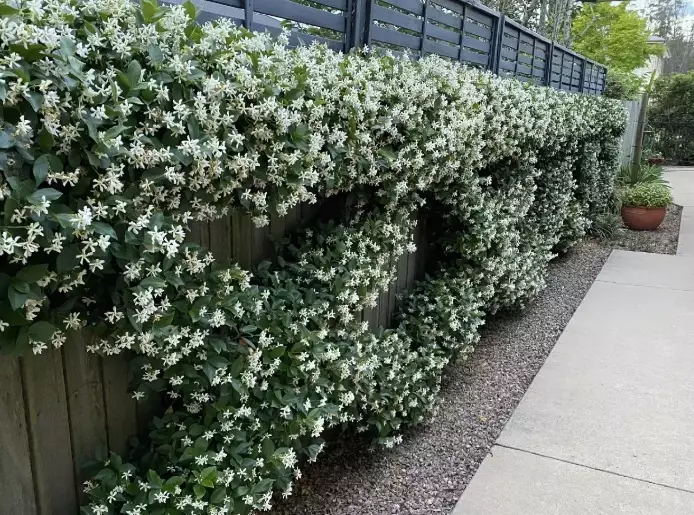
Planting for Success
Dig a hole twice as wide as the root ball but no deeper. The top of the root ball should be level with or slightly above the surrounding soil. Mix some compost into the native soil you'll backfill with. How many plants? For a quick cover on a medium-sized trellis, space plants about 3-4 feet apart along the base. You can do just one and be patient, but two or three will give you a head start.
Water deeply immediately after planting. Apply a 2-3 inch layer of mulch (like bark chips) around the base to retain moisture and suppress weeds, but keep it a few inches away from the main stems to prevent rot.
The Art of Training Vines
Star jasmine won't automatically climb neatly. In its first season, your job is to be a gentle guide.
- Use Soft Ties: Never use wire, string, or zip ties that can cut into growing stems. Use green garden tape, stretchy vinyl plant ties, or even strips of old pantyhose. They're flexible and gentle.
- Weave, Don't Force: As new long shoots (called leaders) grow, gently weave them horizontally through the trellis openings. This is the single best tip for dense coverage. Horizontal training encourages more side shoots (laterals) to sprout all along the stem, filling in the space instead of just having a few long vines racing to the top.
- Be Patient and Persistent: Check on the vines every few weeks during the growing season. Redirect wayward shoots, and tie new growth to the structure. After the first year, the plant will start to grab on and climb more independently.
I made the mistake of just letting mine grow straight up at first. I got long, leggy vines with all the leaves at the top. It took a season of corrective pruning and retraining to fix it. Start with horizontal training from day one.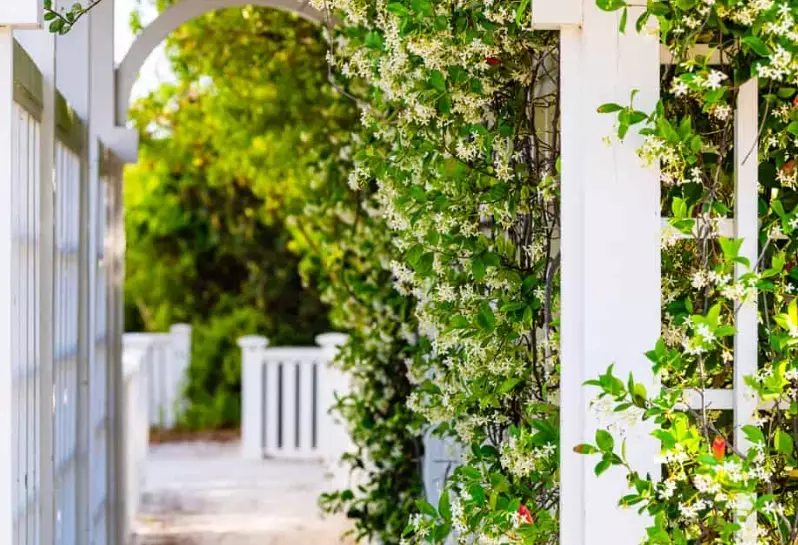
Long-Term Care and Pruning Your Masterpiece
A star jasmine trellis is low-maintenance, but it's not no-maintenance. A little annual attention keeps it looking sharp and healthy.
The Pruning Guide
Prune right after the main flush of flowering ends, usually in late summer or early fall. This gives the plant time to set new buds for next year before winter.
- Tools: Use sharp, clean bypass pruners.
- Goal: Maintain the shape, encourage bushiness, and remove any dead or diseased growth.
- Method: You can be fairly bold. Look for stems that have grown out beyond the trellis boundary—cut them back to a leaf node just inside the frame. To encourage new growth from the base, occasionally cut one or two of the oldest, woodiest stems all the way back to near the ground.
- Renovation: If an old star jasmine trellis has become a tangled, woody mess at the bottom, you can hard-prune it in late winter. Cut the entire plant back to about 1-2 feet from the ground. It will look brutal, but it will rebound with vigorous new growth. Feed and water it well after this treatment.
Feeding and Watering
An established star jasmine is quite tough. Water deeply during prolonged droughts. In early spring, as new growth begins, feed it with a balanced, slow-release fertilizer (like a 10-10-10). A top-dressing of compost around the base each spring is often all it needs. Over-fertilizing, especially with high-nitrogen formulas, can lead to lots of leaves at the expense of those precious fragrant flowers.
Solving Common Star Jasmine Trellis Problems
Even with the best plans, issues pop up. Here's how to tackle the most frequent ones.
- Yellowing Leaves: Usually a watering issue—either too much (soggy soil) or too little. Check soil moisture a few inches down. Can also be a sign of nutrient deficiency (try compost) or poor drainage.
- No Flowers: The big disappointment. The most common causes are too much shade (needs at least 4-6 hours of sun for good blooming), pruning at the wrong time (you cut off the flower buds), or too much nitrogen fertilizer.
- Pests: Generally pest-resistant. Scale insects or spider mites can sometimes appear, especially in dry, dusty conditions. A strong blast of water from a hose can dislodge them. For scale, horticultural oil applied in the dormant season is effective. The University of Minnesota Extension website has great, safe guides on managing garden pests.
- The Trellis is Sagging: This means the installation wasn't sturdy enough. Unfortunately, you'll likely need to carefully detach the vine (a major task), reinforce the trellis mounting or posts, and reattach. Prevention is infinitely easier.
Inspiring Star Jasmine Trellis Ideas
Ready to dream a little? Here are some ways to use a star jasmine trellis beyond the basic wall cover.
- The Privacy Porch: Frame your porch or patio with trellis panels to create an intimate, fragrant outdoor room.
- Camouflage Station: Build a simple three-panel screen to hide utility boxes, compost bins, or an unsightly fence.
- Living Gate: Install an arched trellis over a garden gate. Train the jasmine over the top for a magical entrance.
- Container Elegance: Use a large, heavy pot and a smaller obelisk or fan trellis for a stunning, mobile feature on a deck or balcony. Choose a dwarf variety if possible.
- Poolside Paradise: The evergreen foliage and sweet scent make it ideal for pool fencing or screens, but plant it far enough back that leaf drop isn't a constant pool-cleaning issue.
Frequently Asked Questions (The Stuff You Really Want to Know)
Let's tackle the specific questions that pop up when you're planning a project like this.
---
Building and growing a star jasmine trellis is one of those rewarding projects that pays you back year after year. It's not instant gratification, but the process of training the vines, watching it fill in, and finally being enveloped by its scent on a summer night is part of the joy. It adds architecture, privacy, and a timeless beauty to your garden. Start with a solid plan, build a sturdy support, and be a gentle guide. Your future self, relaxing in your own fragrant, green oasis, will thank you.
Got a tricky spot or a specific idea? The best advice often comes from local nurseries or your county's cooperative extension service (you can find yours via the USDA website). They know your local soil, climate, and pests better than any general guide ever can. Now go build something beautiful.

Comments