Let's be honest. You probably bought a cymbidium orchid, or "boat orchid," because it looked stunning in the store. Those tall sprays of flowers, the lush green leaves – it promised elegance. Then you got it home. Maybe it bloomed for a while, then... nothing. Just a pot of leaves. For years. I've been there. I've also learned, through trial and plenty of error, how to break that cycle. This isn't just a list of facts; it's a roadmap from a fellow plant lover who wants you to succeed where I initially failed. Cymbidiums aren't your typical tropical orchid; they have specific needs, but once you understand their rhythm, they become remarkably resilient and rewarding.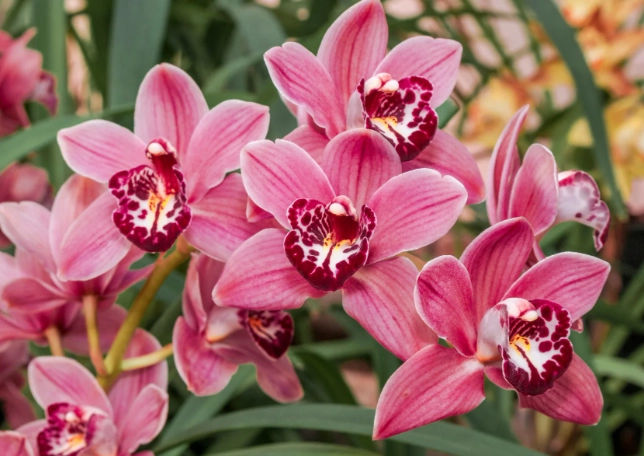
What’s Inside This Guide
Understanding Your Cymbidium: It’s Not a Phalaenopsis
This is the most crucial point. Most indoor orchid advice is written for Phalaenopsis (moth orchids). Following that advice for your cymbidium is a recipe for stagnant growth. Cymbidiums are sympodial orchids, meaning they grow laterally from a rhizome, producing new growths called "pseudobulbs." These fat, oval bulbs at the base are your plant's water and energy storage units. A plump pseudobulb is a happy pseudobulb. They also prefer cooler temperatures than most common houseplants, a fact we'll dive into deeply because it's the key to flowering.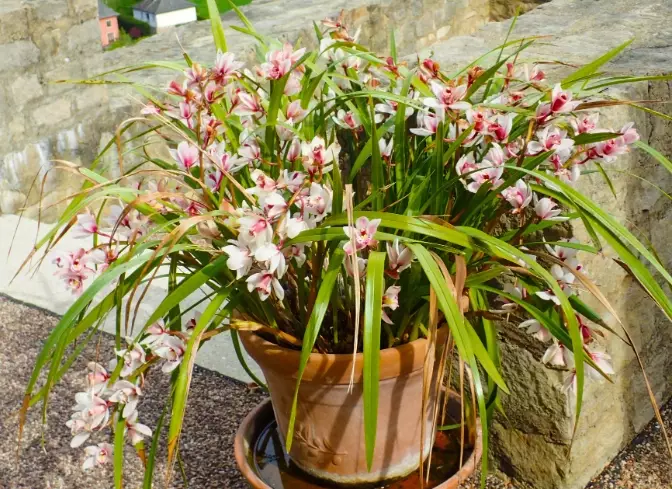
There are two main groups: standard (large, needing more space and cooler temps) and miniature or "compact" hybrids. The minis are often better suited to average home conditions. If you're starting out, look for tags that say 'compact cymbidium'.
Creating the Perfect Growing Conditions
Think of this as setting the stage. Get these elements right, and half your battles are won.
Light: Bright but Not Scorching
Cymbidiums are light-hungry. An east-facing window is ideal. A south or west window works if you diffuse the light with a sheer curtain, especially in summer. The leaf color tells the story: a rich, medium green is perfect. Dark green means not enough light (and likely no flowers). Yellowish or bleached leaves mean too much direct sun.
Temperature: The Cool Down is Non-Negotiable
Here’s the expert nuance everyone glosses over: it's not just about a cool winter. It's about a consistent day-night temperature drop in the fall. From late summer through autumn, they need nights that are 10-15°F (6-8°C) cooler than the days. This diurnal swing is the primary trigger for spike initiation. A perpetually warm, stable apartment (72°F day and night) will give you a forever-green, bloomless plant.
In summer, they enjoy being outdoors in dappled shade. This natural exposure to cooler nights often does the trick.
Potting Mix and Repotting: Don’t Use Regular Potting Soil
They need a coarse, fast-draining mix. A typical orchid bark mix (fine to medium grade) is good. I add extra perlite and some chunkier charcoal. Repot only after flowering, and only when the pot is truly crammed or the medium has broken down (every 2-3 years). They like being slightly pot-bound. When you repot, don't bury the pseudobulbs; they should sit on top of the medium.
The Watering and Feeding Routine That Actually Works
Overwatering is the fastest killer. Underwatering stunts them. The goal is consistent moisture during active growth, not sogginess.
| Season | Watering Frequency | Feeding Strategy | What the Plant is Doing |
|---|---|---|---|
| Spring & Summer (Growth Period) | Water thoroughly when the top inch of mix feels dry. This could be weekly or twice a week depending on heat. | Feed weekly with a balanced orchid fertilizer (e.g., 20-20-20) at half strength. | Producing new pseudobulbs and leaves. Building energy. |
| Late Summer & Fall (Spike Initiation) | Begin to reduce slightly. Let the mix approach dryness between waterings. | Switch to a bloom-booster fertilizer (higher phosphorus, e.g., 10-30-20) every other week. | Cooler nights trigger flower spike development from the base of new bulbs. |
| Winter (Blooming & Rest) | Water less frequently, maybe every 10-14 days. Don't let pseudobulbs shrivel. | Stop fertilizing while in full bloom. Resume lightly after flowers fade. | Flowering! Then a brief rest before spring growth. |
Pro Tip: Water in the morning so leaves dry by night. Water deeply until it runs freely from the drainage holes. Never let the pot sit in a saucer of water. If you’re unsure, wait a day. A slightly thirsty cymbidium recovers faster than a drowned one.
The Big Secret: How to Get Your Cymbidium to Rebloom
This is the #1 question. The answer combines everything above. If your plant has healthy pseudobulbs but won't bloom, 95% of the time it's due to insufficient light during growth season and/or lack of that critical cool temperature drop in fall.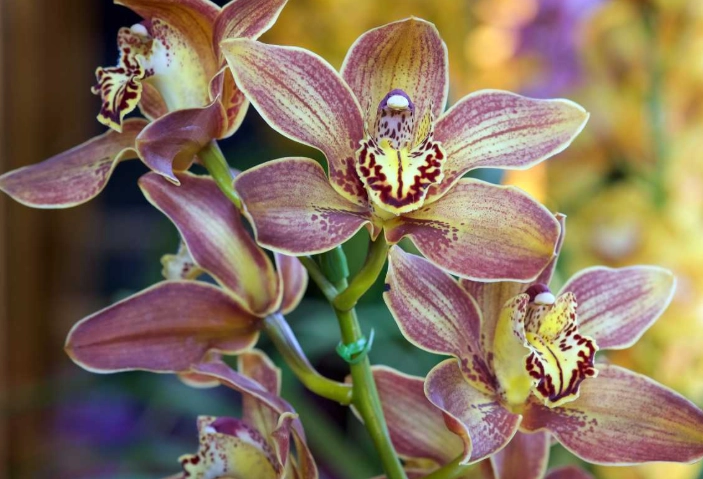
The Forced Bloom Scenario: Let's say it's October and your plant has been indoors all summer. You need to simulate autumn. If possible, place it in a cool room (50-55°F / 10-13°C) at night, like a garage or unheated sunroom, bringing it back to a bright spot during the day (65-70°F). Do this for 4-6 weeks. You should see fat, rounded growths at the base—those are spike initials, not new leaves (which are pointy). Once the spike is a few inches tall, you can bring it to a warmer spot to enjoy the blooms.
This method isn't always convenient, but it works. It's why gardeners in mild climates (like the Pacific Northwest) have cymbidiums blooming effortlessly in their gardens.
Common Problems Solved (Before They Start)
Black tips on leaves? Usually low humidity or salt buildup from fertilizer. Flush the pot with plain water every few months.
Pseudobulbs shriveling? Underwatering or root loss (often from overwatering).
No new growth at all? Check light and temperature. It might be dormant or just unhappy.
Scale or mealybugs? Isolate. Wipe with rubbing alcohol on a cotton swab. Persistent cases need horticultural oil.
The Royal Horticultural Society has excellent, science-backed pest management guides if you encounter serious issues.
Your Top Cymbidium Questions, Answered
The journey with cymbidiums is a long one. They teach patience. You won't get flowers in your first year if you're rehabilitating a store-bought plant. But by giving them strong light, a good summer, a cool autumn, and mindful watering, you're not just keeping a plant alive—you're setting the stage for a spectacular annual performance. Start with the light. Master the watering. Then tackle the temperature. You'll get there.
Comments