In This Guide
- What Exactly Is a Kalanchoe Plant?
- The Non-Negotiables: Core Kalanchoe Plant Care
- The Holy Grail: How to Get Your Kalanchoe to Bloom Again
- Beyond the Basic Blossfeldiana: Other Cool Kalanchoe Varieties
- Common Problems (And How to Fix Them Before It's Too Late)
- Propagation: Making More Kalanchoe Babies
- Frequently Asked Kalanchoe Questions
- Putting It All Together: A Simple Monthly Checklist
Let's be honest. You probably got your first kalanchoe plant because it looked cheerful on a gloomy supermarket shelf, covered in those cute little flowers. It was a gift, maybe, or an impulse buy. And for a while, it was great. Then... the flowers fell off. The leaves got a bit sad. And now it's sitting there, asking you (silently, of course) what it did wrong.
Sound familiar? You're not alone. The kalanchoe is one of those plants that gets marketed as "easy," which is mostly true, but it has its own quiet set of rules. I've killed my share of them by being too nice (read: overwatering). Once I figured out they're more like that independent friend who doesn't need constant check-ins, everything changed.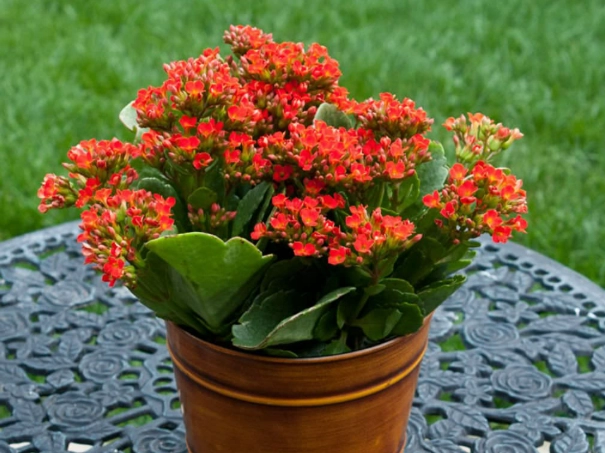
This isn't just another generic care sheet. We're going to dig into what makes a kalanchoe tick, how to actually get it to bloom again (the holy grail!), and why sometimes the "easy" plants need the most nuanced understanding. Whether you're a new plant parent or someone trying to revive a long-term, flower-less resident, this guide is for you.
What Exactly Is a Kalanchoe Plant?
First things first. Kalanchoe (pronounced kal-un-KOH-ee) is a huge genus of tropical, succulent plants. They're part of the Crassulaceae family, making them cousins to jade plants and sedums. Most of the ones we grow as houseplants hail from Madagascar and other parts of Africa.
The key thing to remember? They are succulents. This fact informs everything about their care. Those thick, fleshy leaves aren't just for show—they're water storage tanks. This is the plant's core programming: survive dry periods. When we treat them like a fern or a peace lily, that's when trouble starts.
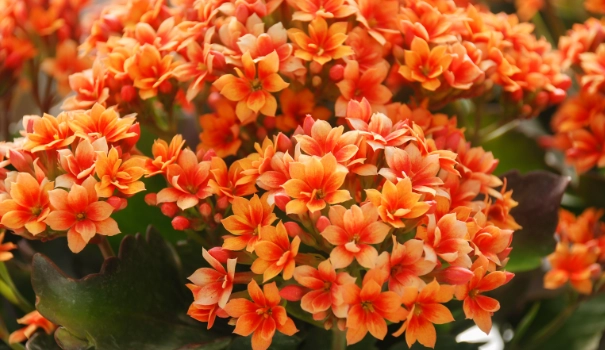
The charming, flowering kalanchoe plant you bring home is often a Kalanchoe blossfeldiana hybrid. Breeders have worked magic on these, creating a rainbow of colors from deep reds to bright yellows, oranges, pinks, and whites.
But beyond the popular blossfeldiana, the kalanchoe genus is wildly diverse. Some are grown for incredible flowers, others for bizarre and fascinating foliage. It's a whole world in one plant family.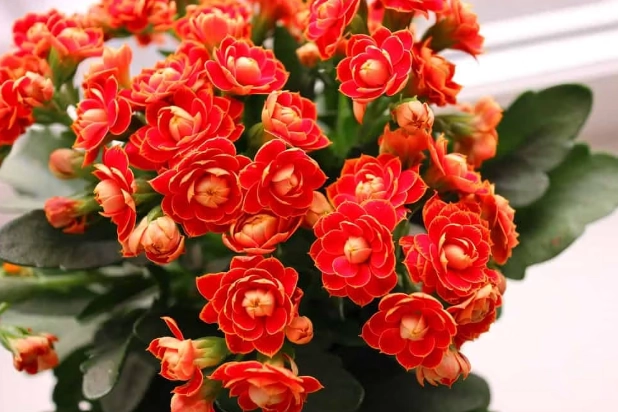
The Non-Negotiables: Core Kalanchoe Plant Care
Getting the basics right is 90% of the battle. Fail here, and no amount of fancy fertilizer will help. Let's break down the big four: light, water, soil, and climate.
Sunlight: Their Best Friend and Worst Enemy
Kalanchoes love bright light. I mean, they crave it. A south or west-facing window is ideal. Without enough light, they get "leggy"—stretching out with long spaces between leaves, reaching pathetically for any sunbeam. The color drains from the leaves, and flowering becomes a pipe dream.
But here's the catch.
Too much direct, scorching afternoon sun in the peak of summer can literally fry them, leaving ugly brown scorch marks on the leaves. It's a balance. Think "bright but filtered" for the harshest summer months. An east-facing window providing gentle morning sun is often perfect year-round.
Pro Tip: If your kalanchoe plant is looking stretched and pale, it's screaming for more light. Gradually move it to a brighter spot over a week or two to avoid shock.
Watering: The Number One Killer
This is where most kalanchoes meet their end. Overwatering leads to root rot, a silent and fast killer for succulents. The rule is simple but hard for many plant lovers to follow: soak it, then forget it.
Stick your finger in the soil. Is the top 1-2 inches bone dry? Good. Now wait a few more days. Seriously. Then water thoroughly until it runs out the drainage hole. Then empty the saucer underneath—no soggy bottoms allowed. In winter, when growth slows, you might only water every 3-4 weeks.
Underwatering is a far lesser sin. A thirsty kalanchoe will have leaves that feel softer, thinner, and may wrinkle slightly. Give it a drink, and it plumps back up in a day or two. An overwatered one turns to mush. There's no coming back from that.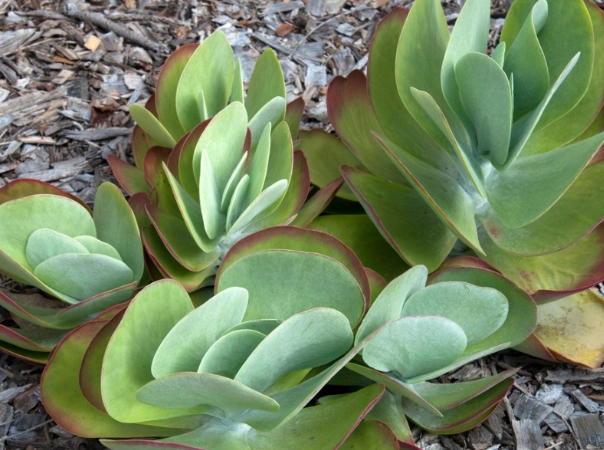
Soil and Potting: Building the Right Foundation
You can't practice good watering habits in bad soil. Regular potting soil holds too much moisture and will compact around the roots. Your kalanchoe needs a loose, sharply draining mix.
A standard cactus or succulent potting mix works. But I like to make my own for even better drainage: 2 parts regular potting soil, 1 part perlite, and 1 part coarse sand or fine gravel. This mix is practically impossible to overwater if you have a pot with a hole.
Which brings us to the pot. Drainage. Hole. Non-negotiable. Terracotta pots are fantastic because they're porous and help wick away excess moisture.
Temperature and Humidity: Keeping It Comfy
Kalanchoes are pretty chill here. Average room temperatures between 60-85°F (15-29°C) are perfect. They don't like the cold. Keep them away from drafty windows in winter, as temperatures below 50°F (10°C) can damage them.
Humidity isn't a big concern. Average home humidity is fine. They don't need misting (in fact, wet leaves can encourage disease). This makes them excellent plants for dry, air-conditioned or heated homes.
The Holy Grail: How to Get Your Kalanchoe to Bloom Again
Okay, here's the big question. You bought it in full bloom. The flowers lasted weeks, even months. Then they faded, and you've had a nice green succulent for a year since. What gives?
Kalanchoe blossfeldiana is a "short-day plant." This is the crucial piece of information most care guides gloss over. It sets its flower buds when it experiences long nights (at least 14 hours of uninterrupted darkness) for about 6 weeks. In our modern homes with lights on in the evening, it never gets the signal to bloom.
The Reblooming Secret: To trick your kalanchoe plant into flowering, you must simulate winter daylengths. Starting in early fall (October), place it in a closet or a completely dark room from 6 PM to 8 AM every single night for 6-8 weeks. During the day, give it bright light. Keep up the normal, sparse watering. After this treatment, you should see tiny flower buds forming. Return it to normal light conditions, and wait for the color show.
It's a bit of work, but the payoff is huge. It also explains why they always flood stores in bloom during winter and spring—commercial growers control light in greenhouses to time it perfectly.
Beyond the Basic Blossfeldiana: Other Cool Kalanchoe Varieties
While *Kalanchoe blossfeldiana* is the superstar, the genus is full of weird and wonderful characters. Exploring these can be a lot of fun if you get hooked on the kalanchoe plant family.
| Variety Name | Common Name | Key Feature | Care Note |
|---|---|---|---|
| Kalanchoe tomentosa | Panda Plant, Chocolate Soldier | Fuzzy, velvety leaves with brown spots on the edges. Looks soft but is tough. | Even more drought-tolerant. Water very sparingly. Avoid getting the fuzzy leaves wet. |
| Kalanchoe daigremontiana | Mother of Thousands, Devil's Backbone | Produces countless tiny plantlets along the edges of its leaves. Prolific to the point of being weedy. | Grows fast. Be prepared to find baby plants everywhere. Almost impossible to kill. |
| Kalanchoe luciae | Paddle Plant, Flapjacks | Large, flat, round leaves that stack like pancakes. Can develop stunning red edges with enough sun. | Loves as much sun as you can give it. The red "sunstress" coloring is desirable. |
| Kalanchoe beharensis | Felt Bush, Elephant's Ear Kalanchoe | Large, triangular, fuzzy leaves on a woody stem. Can get quite large over time. | Needs space. Slow grower. Appreciates bright light to maintain compact growth. |
| Kalanchoe fedtschenkoi | Lavender Scallops, South American Air Plant | Blue-green leaves with lavender edges. Forms dense mounds and is great for hanging baskets. | Very easy to propagate from fallen leaves or stem cuttings. A great beginner variety. |
My personal favorite is the Paddle Plant (*Kalanchoe luciae*). It has such a bold, architectural form, and when it gets those red tips... it's just stunning. It's never flowered for me, and I'm okay with that—the foliage is the main event.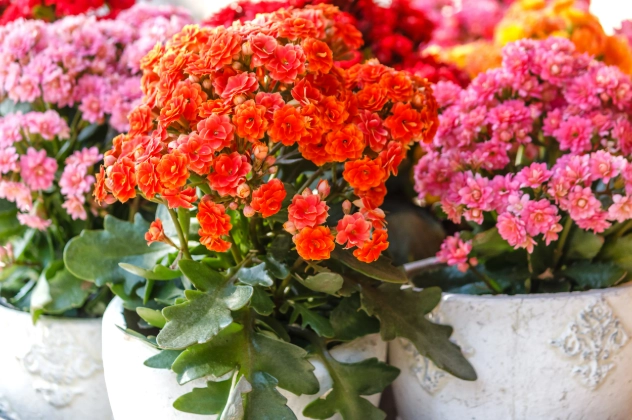
Common Problems (And How to Fix Them Before It's Too Late)
Even with the best care, things can go sideways. Here’s a quick diagnostic guide.
Leggy, Stretched Growth
Symptom: Long stems with wide gaps between leaves.
Cause: Insufficient light.
Fix: Move to a much brighter location. You can also "behead" the plant—cut off the top rosette, let the cut end callous for a few days, and replant it. The old stem will often sprout new branches.
Soft, Mushy Stems or Leaves
Symptom: Leaves turning yellow, translucent, and falling off at a touch. Stem feels soft at the base.
Cause: Root rot from chronic overwatering.
Fix: This is an emergency. Unpot the plant immediately. Cut away all black, mushy roots and any rotten stem with a sterile knife. Let the healthy part dry out for a day or two, then repot in fresh, dry succulent mix. Water very lightly and hope it reroots.
Brown, Crispy Leaf Edges or Scorched Spots
Symptom: Dry, brown patches on the leaves, especially on the side facing the window.
Cause: Sunburn from too much intense, direct sun.
Fix: Move the plant back from the window or use a sheer curtain to filter the afternoon sun. The damaged leaves won't recover, but new growth will be fine.
Powdery White Residue on Leaves
Symptom: Looks like someone dusted your plant with flour.
Cause: Powdery mildew, a fungal disease often spurred by poor air circulation and wet foliage.
Fix: Improve airflow. Isolate the plant. You can wipe leaves with a damp cloth or treat with a fungicide. For a natural approach, a milk spray (1 part milk to 9 parts water) can sometimes help. The Royal Horticultural Society has a good overview of powdery mildew management.
Mealybugs or Aphids
Symptom: Small, cotton-like clusters (mealybugs) or tiny green/black bugs (aphids), often in leaf crevices or new growth.
Cause: Common houseplant pests that love succulent sap.
Fix: Isolate! Wipe off with a cotton swab dipped in rubbing alcohol. For larger infestations, spray with insecticidal soap or neem oil, making sure to get under leaves. Repeat weekly.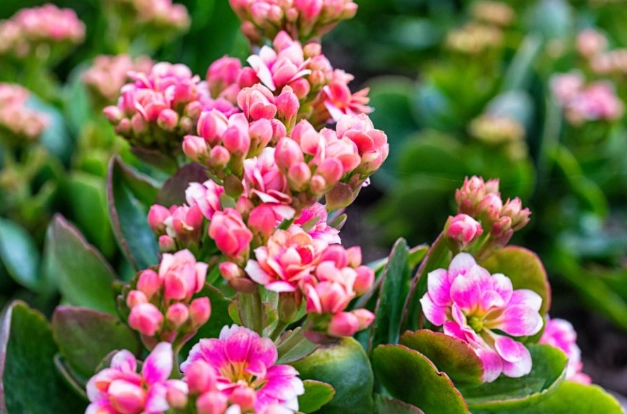
Propagation: Making More Kalanchoe Babies
One of the joys of the kalanchoe plant is how easily it propagates. It's almost comical. You can create new plants in a few ways:
- Leaf Cuttings: Gently twist off a healthy leaf. Let it sit out for a day or two until the broken end callouses over. Then just lay it on top of dry succulent soil. Mist the soil very lightly every few days. Tiny roots and a new baby plant will emerge from the base.
- Stem Cuttings: This is the fastest method. Cut a 3-4 inch piece of stem, remove the bottom leaves, let it callous, then stick it in soil. Water lightly once, then wait for roots.
- Plantlets (for Mother of Thousands): This plant does all the work for you. Just pick the tiny plantlets off the leaf edges and place them on soil. They already have roots!
I've had leaves that fell off during repotting spontaneously root on the windowsill next to the mother plant. They want to live.
Frequently Asked Kalanchoe Questions
Is the kalanchoe plant toxic to pets?
Yes. Unfortunately, kalanchoes contain compounds called bufadienolides, which are toxic to cats and dogs if ingested. The American Society for the Prevention of Cruelty to Animals (ASPCA) lists Kalanchoe as toxic, causing vomiting, diarrhea, and, in rare cases, abnormal heart rhythms. If you have curious pets, keep your kalanchoe out of reach. Consider a high shelf or a room they can't access.
How often should I fertilize my kalanchoe?
Very lightly, and only during the active growing season (spring and summer). A balanced, water-soluble fertilizer (like a 10-10-10) diluted to half-strength once a month is plenty. Do not fertilize in fall or winter, especially if you're trying to force blooms. Over-fertilizing leads to weak, soft growth and salt buildup in the soil.
Why are the bottom leaves on my kalanchoe dying?
A few lower leaves drying up and falling off as the plant grows taller is normal. It's just the plant's way of shedding old growth. However, if many leaves are yellowing and dropping from all over, check your watering habits—it's likely overwatering.
Can I put my kalanchoe plant outside in the summer?
Absolutely! They love a summer vacation outdoors. Acclimate it gradually over a week to avoid sunburn—start in full shade, then dappled light, then its final spot. Choose a location with morning sun and afternoon shade, or bright, filtered light. Bring it back inside well before the first fall frost. You'll be amazed at how much it thrives.
What's the lifespan of a kalanchoe plant?
They can live for many years as perennial plants. However, the classic flowering *Kalanchoe blossfeldiana* often becomes leggy and less attractive after a few years. That's why many people treat them as temporary flowering plants and then propagate from cuttings to create a new, bushier plant. The foliage varieties, like Panda Plant or Paddle Plant, can become long-term, slow-growing companions for decades.
Putting It All Together: A Simple Monthly Checklist
Feeling overwhelmed? Here's a stripped-down, no-fuss routine to keep your kalanchoe happy.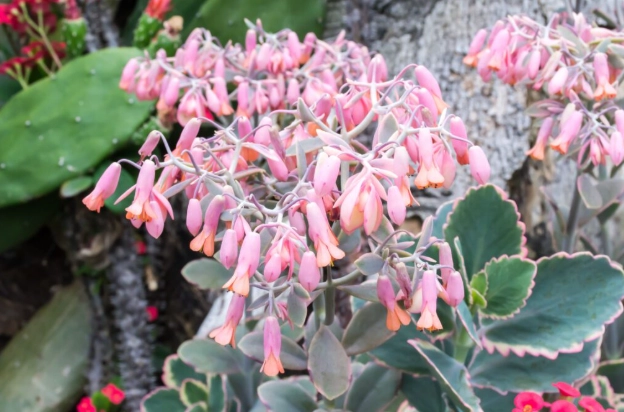
- Weekly: Check the soil with your finger. Only water if it's completely dry deep down. Look for pests.
- Monthly (Spring/Summer): Give a half-strength dose of fertilizer when you water.
- Seasonally (Spring): Consider repotting if it's root-bound or the soil is exhausted.
- Annually (Fall): If you want flowers, start the 6-week "long night" treatment in October.
- As Needed: Wipe dust off leaves with a soft, dry cloth to keep them photosynthesizing efficiently.
The beauty of the kalanchoe plant is its resilience. It forgives the occasional missed watering. It signals its needs clearly if you know what to look for. Once you sync with its succulent rhythm—bright light, infrequent but deep drinks, and a winter nap in the dark—you'll be rewarded with a tough, beautiful plant that might just surprise you with a burst of color year after year.
It's not just a disposable decoration. With a little understanding, it becomes a reliable piece of living green in your home. Give it a try. And maybe, just maybe, don't water it this week.
Comments