What You'll Learn in This Guide
Aloe vera is one of those plants everyone thinks is easy—until theirs starts looking sad. I've been growing aloe for over a decade, and let me tell you, the biggest myth is that it's indestructible. Most people kill it with kindness, especially by overwatering. But get the basics right, and you'll have a thriving plant that even produces pups for years. This guide cuts through the noise with practical, expert-backed tips. We'll cover watering, light, soil, and those annoying brown tips. By the end, you'll know exactly how to care for your aloe plant, whether it's your first or fifth.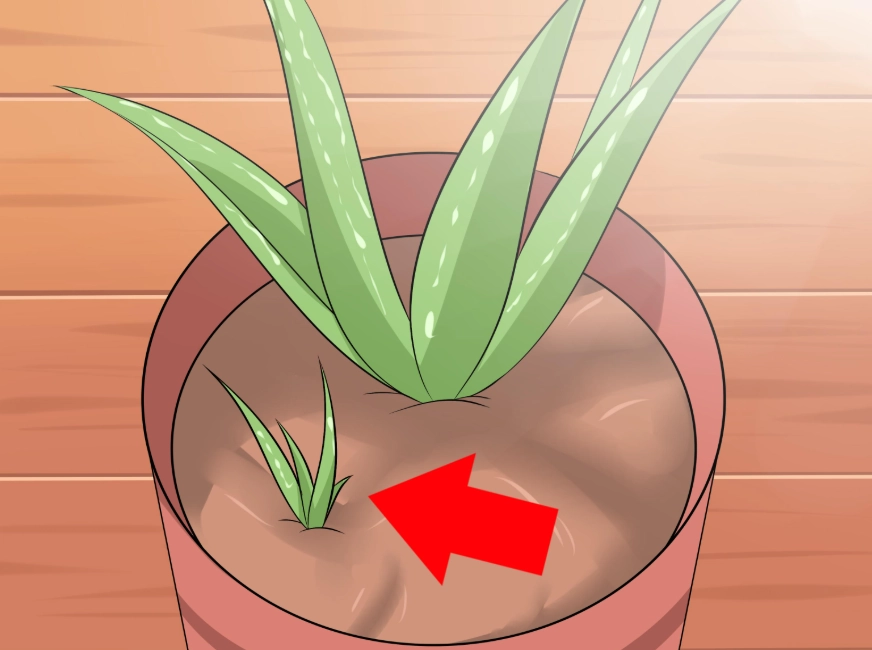
Understanding Aloe Vera: More Than Just a Pretty Succulent
Aloe vera isn't just a decorative plant. It's a succulent native to arid regions, which means it's built to survive with minimal water. The leaves store moisture, so they're thick and fleshy. That's why overwatering is a death sentence—it's like forcing a camel to drink constantly. According to the Royal Horticultural Society, aloe vera is part of the Asphodelaceae family and thrives in dry, sunny conditions. Many beginners treat it like a regular houseplant, but that's where things go wrong. I remember buying my first aloe from a grocery store; it came in a tiny pot with soggy soil, and within weeks, the leaves turned mushy. Lesson learned: aloe needs a different approach.
Its benefits are well-known—the gel is great for burns and skincare—but the plant itself is low-maintenance if you mimic its natural habitat. Think desert vibes: lots of light, little water, and well-draining soil. If you're new to succulents, aloe is a good starter, but don't underestimate it. A study from the University of Florida highlights its drought tolerance, making it ideal for forgetful waterers. But there's a catch: too little light can cause leggy growth, where the plant stretches out awkwardly. So balance is key.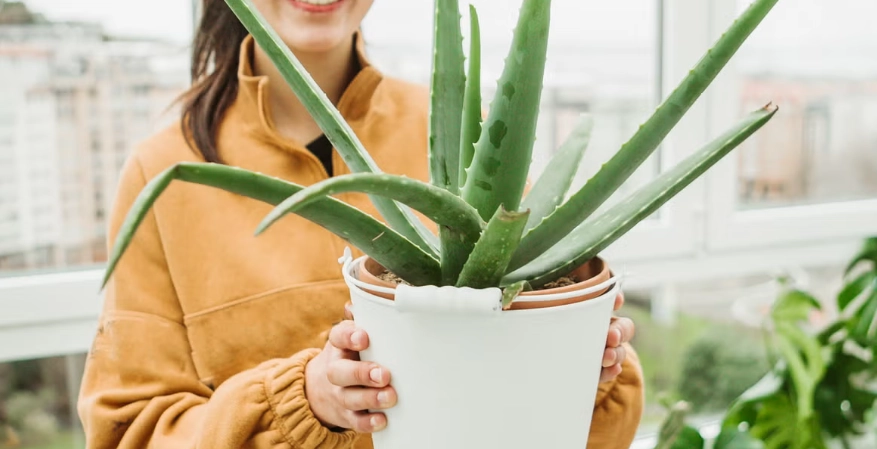
How to Water Your Aloe Plant Without Killing It
Watering is where 90% of aloe care mistakes happen. People see those plump leaves and think it needs frequent drinks. Nope. Aloe vera prefers to dry out completely between waterings. Here's my method: stick your finger into the soil up to the second knuckle. If it feels dry, water it. If it's damp, wait. In most homes, this means watering every 2-3 weeks in summer and every 4-6 weeks in winter. But don't just follow a calendar—check the soil. I've seen plants go a month without water in cool, low-light rooms.
The Golden Rule: Less is More
When you water, do it thoroughly. Pour water until it runs out of the drainage holes, then let the pot drain completely. Never let the plant sit in a saucer of water; that's a shortcut to root rot. Use room-temperature water to avoid shocking the roots. Some experts, like those at the Missouri Botanical Garden, recommend using distilled or rainwater if your tap water is hard, but in my experience, tap water is fine if you let it sit overnight to evaporate chlorine.
Signs You're Overwatering or Underwatering
Overwatering signs: leaves turn brown, soft, and mushy, starting at the base. The plant might feel unstable. Underwatering signs: leaves become thin, wrinkled, and dry, with a dull color. If you see brown tips but the leaves are firm, it could be sunburn or mineral buildup from tap water. I made the overwatering mistake early on—I watered weekly because my other plants needed it, and the aloe rotted from the inside out. Repotting saved it, but it took months to recover.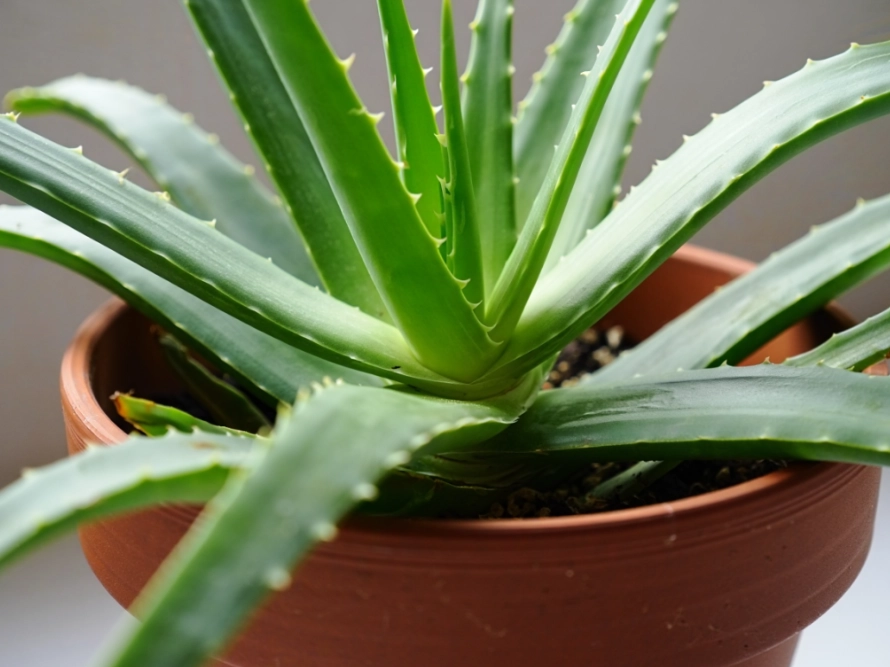
Pro tip: In humid climates, water even less. Aloe's roots need air, and soggy soil suffocates them. If you're unsure, err on the side of underwatering—aloe can bounce back from drought better than from rot.
Light and Temperature: Finding the Sweet Spot
Aloe vera loves bright, indirect light. A south- or west-facing window is ideal. Direct morning sun is fine, but harsh afternoon sun can scorch the leaves, causing brown spots. If you notice the leaves turning reddish or brown, move it to a spot with filtered light. I keep mine on a windowsill with a sheer curtain—it gets plenty of light without the burn.
Temperature-wise, aloe prefers 55-80°F (13-27°C). It can tolerate down to 40°F (4°C) but avoid frost. If you live in a cold area, bring it indoors in winter. Heat isn't a problem as long as it's not combined with overwatering. According to the USDA, aloe is hardy in zones 10-12, but as a houseplant, it adapts to most indoor conditions. The trick is consistency: sudden temperature drops can stress the plant. Mine once sat near a drafty window in winter, and the leaves developed black spots. Moving it to a warmer spot fixed it.
Low light is a common issue in apartments. If your aloe isn't getting enough light, it'll stretch toward the window, becoming leggy and weak. Consider using a grow light for 6-8 hours a day. I've used cheap LED grow lights from online retailers, and they work wonders during dark winters.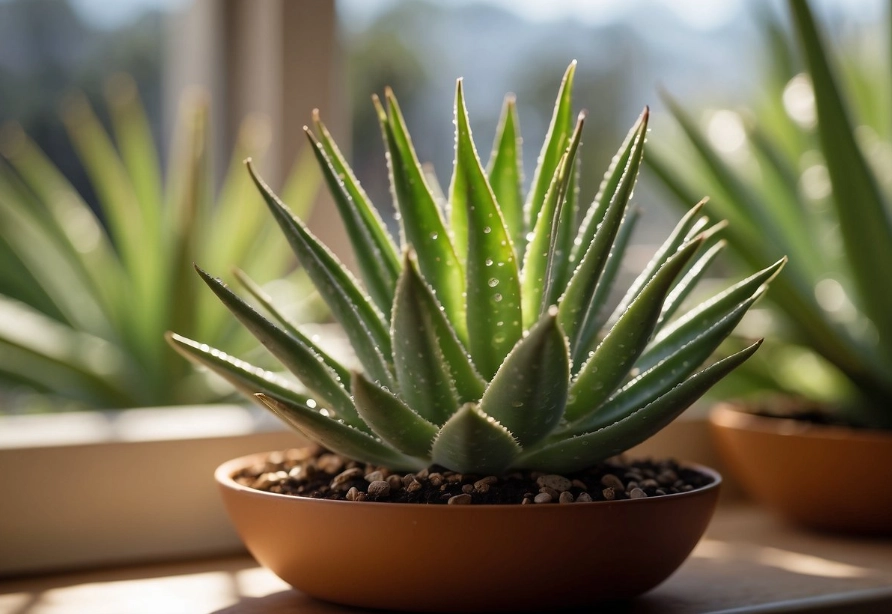
Soil, Potting, and Repotting
The right soil is crucial. Aloe needs well-draining mix to prevent waterlogging. A commercial cactus or succulent soil works, but I prefer to make my own: 2 parts potting soil, 1 part perlite, and 1 part coarse sand. This ensures fast drainage. Avoid heavy, moisture-retentive soils—they're a death trap.
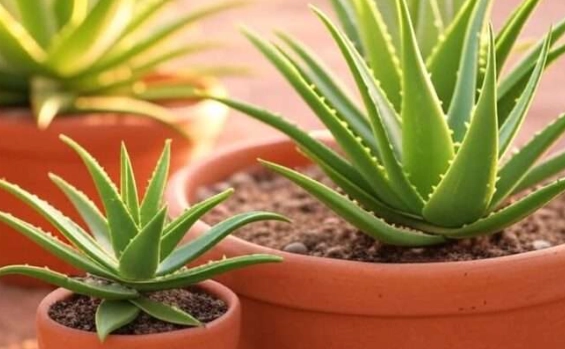
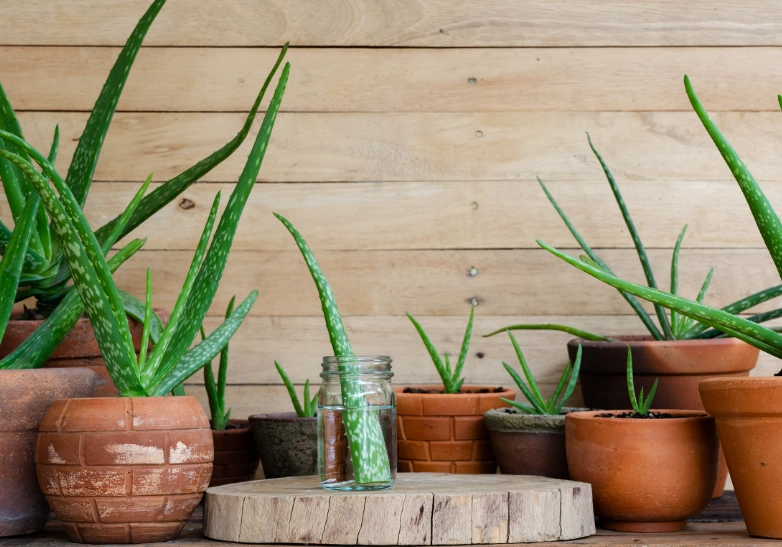
Pot choice matters too. Use a pot with drainage holes. Terra cotta is excellent because it's porous and helps soil dry out faster. Plastic pots retain moisture, so if you use one, water less frequently. Size-wise, choose a pot that's just big enough for the roots. Aloe likes to be slightly root-bound, which encourages blooming and pup production. I repot only when the plant outgrows its container, usually every 2-3 years.
How to Repot Aloe Vera
Repot in spring or early summer. Gently remove the plant, shake off old soil, and inspect the roots. Trim any rotten or dead roots with clean scissors. Place it in a new pot with fresh soil, filling around the roots. Water lightly after a week to let the roots settle. I've repotted dozens of aloes, and the key is to avoid watering immediately—it can cause root shock. Wait until the plant shows new growth.
Here's a quick table for soil components:
| Component | Purpose | Recommended Ratio |
|---|---|---|
| Potting Soil | Provides nutrients | 50% |
| Perlite | Improves drainage | 25% |
| Coarse Sand | Prevents compaction | 25% |
Common Aloe Plant Problems and How to Fix Them
Even with perfect care, issues pop up. Here are the most common ones I've encountered: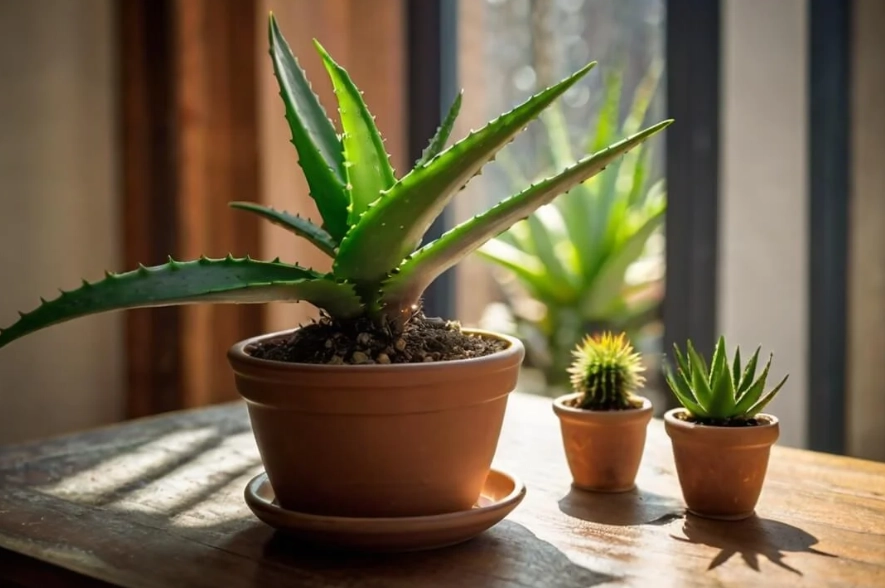
- Brown, soft leaves: Overwatering. Stop watering, repot if roots are rotten, and improve drainage.
- Thin, wrinkled leaves: Underwatering. Water thoroughly and adjust schedule.
- Leggy growth: Insufficient light. Move to a brighter spot or use a grow light.
- Pests like mealybugs: Wipe leaves with alcohol-soaked cotton swabs. For severe cases, use insecticidal soap.
- No new growth: Could be low light, poor soil, or need for repotting. Check all factors.
Fungal infections are rare but happen in humid conditions. If you see black spots, reduce watering and increase air circulation. I once had a plant develop leaf spot from being too close to a humidifier. Moving it away and letting the soil dry cleared it up.
Aloe vera is generally pest-resistant, but scale insects can attach to leaves. Remove them manually or with neem oil. The American Society for Horticultural Science notes that healthy aloe plants rarely attract pests, so focus on overall care.
Aloe Plant Care FAQs Answered
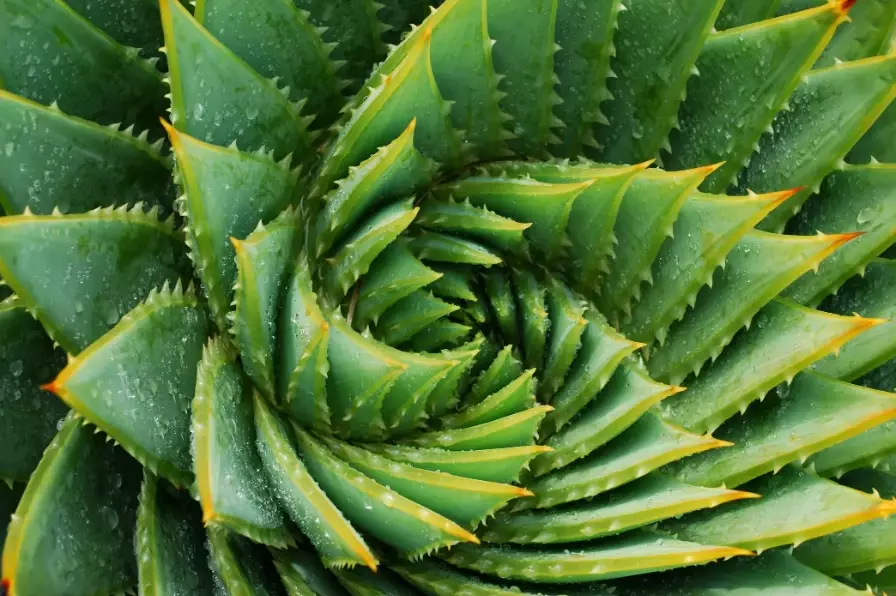 Aloe vera care isn't rocket science, but it requires attention to detail. Focus on light, water sparingly, and use the right soil. If you mess up, don't worry—aloe is resilient. My first plant survived my mistakes and now has multiple pups. Start with these tips, and your aloe will thank you with healthy growth. For more info, check resources like the Royal Horticultural Society's plant guides. Happy growing!

Comments