I've been growing spider plants for over a decade, and let me tell you, they're not as foolproof as everyone says. Sure, they're tough, but I've seen more people kill them with kindness than neglect. If you're here, you probably have a spider plant (Chlorophytum comosum) sitting on your shelf, maybe with a few brown tips, and you're wondering what went wrong. Don't worry—this guide will walk you through everything, from basic care to expert tricks most blogs don't mention.
What You'll Learn in This Guide
- What Makes Spider Plants So Special?
- How to Care for Your Spider Plant: A No-Nonsense Approach
- Propagating Spider Plants: Easy Ways to Get More Plants
- Common Spider Plant Problems and Real Solutions
- Benefits of Spider Plants Beyond Just Looks
- Expert Tips from Years of Trial and Error
- Frequently Asked Questions
What Are Spider Plants and Why Do Everyone Love Them?
Spider plants are those grassy, arching plants with green and white stripes you see in offices and homes. They're native to South Africa, but they've adapted to indoor life like champs. What most people don't realize is that there are a few varieties—like the 'Vittatum' with a central white stripe or the 'Bonnie' with curly leaves. I started with a basic one from a grocery store, and now I have a whole collection.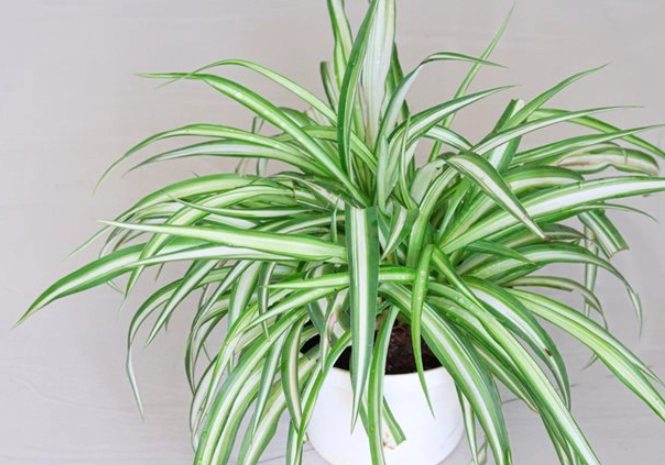
They're popular for a reason. They're non-toxic (great for pets), and they produce these cute little "spiderettes" or babies that hang down, making them look like they're sprouting mini versions of themselves. But here's a non-consensus point: many think spider plants thrive on neglect, but that's only half-true. They tolerate neglect better than most, but to get those lush, vibrant leaves, you need to give them a bit of attention.
The Science Behind Their Resilience
Spider plants have thick, tuberous roots that store water, which is why they can handle dry spells. According to NASA's Clean Air Study, they're also effective at removing toxins like formaldehyde and xylene from the air. That study is often cited, but it's worth noting—it adds to their appeal as air purifiers. I keep one in my bedroom, and while I can't prove it's cleaning the air, it sure makes the room feel fresher.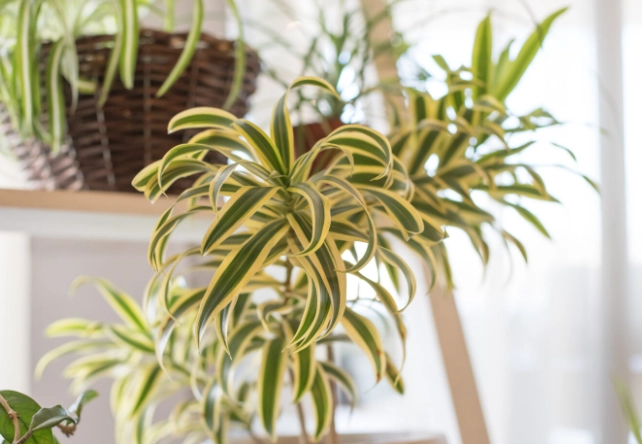
How to Care for Your Spider Plant: A Step-by-Step Guide
This is where most people go wrong. They water too much, or put the plant in direct sun, and then wonder why it's struggling. Let's break it down.
Light Requirements: Finding the Sweet Spot
Spider plants prefer bright, indirect light. Think near a north or east-facing window. If you put them in direct sunlight, especially afternoon sun, the leaves can scorch and turn brown. I made that mistake early on—my plant looked bleached after a week in a south window. On the flip side, too little light makes them leggy and pale. A spot with filtered light is perfect.
Watering: The Most Common Mistake
Here's the big one. Overwatering is the number one killer of spider plants. Their roots rot easily if they sit in soggy soil. I water mine only when the top inch of soil feels dry to the touch. In summer, that might be once a week; in winter, every two to three weeks. Use room-temperature water, and let it drain completely—no saucers full of water underneath.
A trick I learned: if the leaves start to lose their variegation and turn mostly green, it might be getting too much water. Cut back and see if it improves.
Soil and Potting: Setting the Foundation
Use a well-draining potting mix. I mix regular potting soil with some perlite or sand to improve drainage. Spider plants like to be slightly root-bound, so don't repot too often. Every 2-3 years is fine, or when you see roots poking out of the drainage holes. When repotting, go up just one pot size—a huge pot holds too much moisture and can lead to root rot.
Fertilizing: When and How Much
They're not heavy feeders. Fertilize once a month during the growing season (spring and summer) with a balanced, water-soluble fertilizer diluted to half strength. In fall and winter, skip it. Over-fertilizing can cause brown tips, which is ironic because people often think brown tips mean under-fertilizing. It's usually the opposite.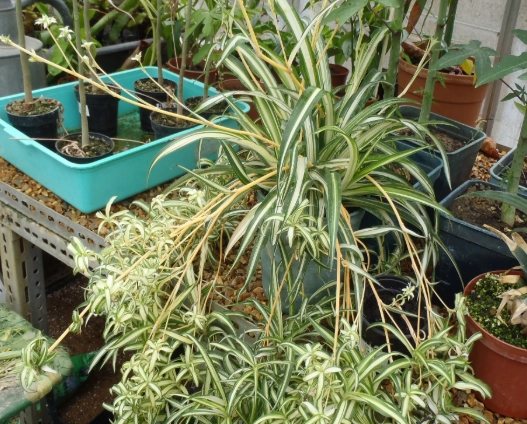
Quick Care Summary: Bright indirect light, water when dry, well-draining soil, and minimal fertilizer. Simple, but the devil's in the details.
Propagating Spider Plants: Easy Ways to Multiply Your Collection
This is the fun part. Spider plants produce spiderettes, which you can root to make new plants. It's so easy that I've given away dozens to friends.
Using Spiderettes: The Natural Method
Wait until the spiderette has a few small roots forming at its base. Then, you can either cut it off and place it in water to root further, or plant it directly in soil while it's still attached to the mother plant. I prefer the water method—it lets you see the roots grow, which is satisfying. Once the roots are an inch or two long, pot it up.
Division: For Mature Plants
If your plant is overcrowded, during repotting, you can gently separate the root ball into sections. Each section should have some roots and leaves. Plant them separately. This is a quick way to get a mature-looking plant fast.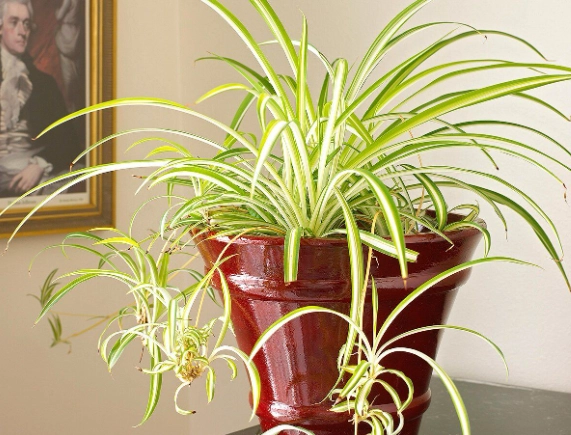
I propagated my first spider plant five years ago, and now I have clones of it all over my house. It's a great way to share plants without spending money.
Common Spider Plant Problems and Real Solutions
Even with good care, issues can pop up. Here's a table to summarize common problems and fixes based on my experience.
| Problem | Likely Cause | Solution |
|---|---|---|
| Brown leaf tips | Overwatering, fluoride in water, low humidity | Use distilled water, reduce watering, mist leaves occasionally |
| Yellow leaves | Too much direct sun, over-fertilizing, natural aging | Move to indirect light, flush soil with water, trim old leaves |
| Leggy growth | Insufficient light | Relocate to a brighter spot, prune back to encourage bushiness |
| No spiderettes | Plant is too young or stressed | Ensure proper care, be patient—mature plants produce more |
Brown Tips: A Deep Dive
This is the most common complaint. Many guides say it's due to tap water fluoride, and while that can be a factor, I've found overwatering is more often the culprit. The roots can't take up nutrients properly when waterlogged, leading to tip burn. Try switching to filtered or distilled water for a few weeks, but also check your watering schedule.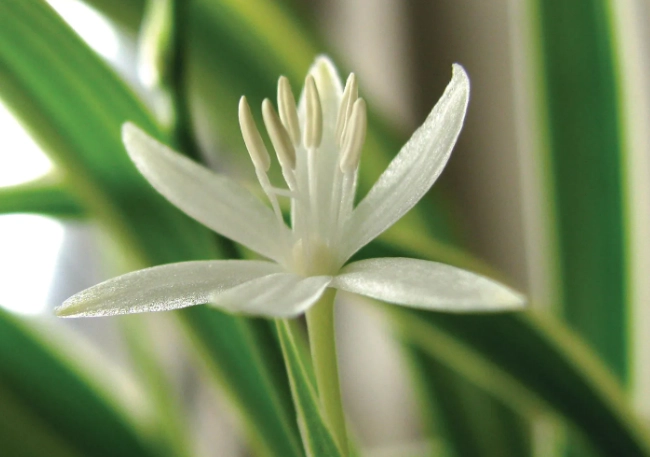
Pests: Prevention and Treatment
Spider plants can attract aphids or spider mites, especially if stressed. I once had a minor infestation from bringing in an outdoor plant. A simple spray of insecticidal soap or neem oil worked. Keep an eye out for webbing or sticky residue—catch it early.
Benefits of Spider Plants Beyond Beauty
They're not just pretty. As mentioned, NASA's research highlights their air-purifying qualities. They're also low-maintenance, making them perfect for beginners or busy people. But here's something less talked about: they can boost your mood. Having a living thing to care for, watching it grow and propagate, gives a sense of accomplishment. My spider plant has survived moves, droughts, and my own learning curve—it's a resilient companion.
Air Purification: What the Research Really Says
The NASA study was conducted in sealed chambers, so real-world effects might be subtle. But every bit helps, especially in stuffy indoor spaces. Pair them with other plants like peace lilies for a better impact.
Expert Tips and Tricks from a Decade of Experience
After growing spider plants for years, here are some insights you won't find everywhere.
The One Thing Most Beginners Get Wrong
They repot too soon. Spider plants thrive when slightly root-bound. I've kept one in the same pot for four years, and it's flourishing. Only repot when growth slows or roots are escaping. This encourages spiderette production too.
Seasonal Care Adjustments
In winter, reduce watering significantly. Indoor heating dries the air, so mist the leaves occasionally to prevent brown tips. In summer, they might need more frequent watering, but always check the soil first. I set a reminder on my phone to check weekly—it helps avoid overwatering.
Another tip: rotate the plant every few weeks to ensure even growth. Otherwise, it leans toward the light and looks lopsided. I do this when I water, so it becomes a habit.
Frequently Asked Questions
Spider plants are forgiving, but they reward good care with lush growth and endless babies. Start with the basics, adjust based on your environment, and don't be afraid to experiment. I've killed a few along the way, but each mistake taught me something. Now, my home is filled with their green, arching leaves—a testament to their resilience and charm.
Comments