Your Quick Guide to Burro's Tail Success
- What Exactly Is a Burro's Tail Plant?
- The Non-Negotiable Care Guide for Your Burro's Tail
- Propagation: Making More Burro's Tail Babies
- Repotting: Handle With Extreme Care
- Common Problems and Their (Actual) Solutions
- Frequently Asked Questions (The Real Ones People Ask)
- Final Thoughts: Keeping It Simple
Let's be honest. You probably saw a picture of a perfect, lush burro's tail plant spilling over the edge of a pot and thought, "I need that." Then you got one, and now you're staring at a sad string of shriveled leaves wondering where it all went wrong. I've been there. My first burro's tail (or donkey tail succulent, same thing) turned into a crispy critter within months. But after killing a few (okay, more than a few) and learning from the mistakes, I finally figured it out.
This isn't just another generic plant care sheet. This is the guide I wish I had when I started. We're going deep on Sedum morganianum – that's its fancy botanical name – and I'm throwing in all the gritty details, the "why" behind the rules, and how to fix the messes you might already be in.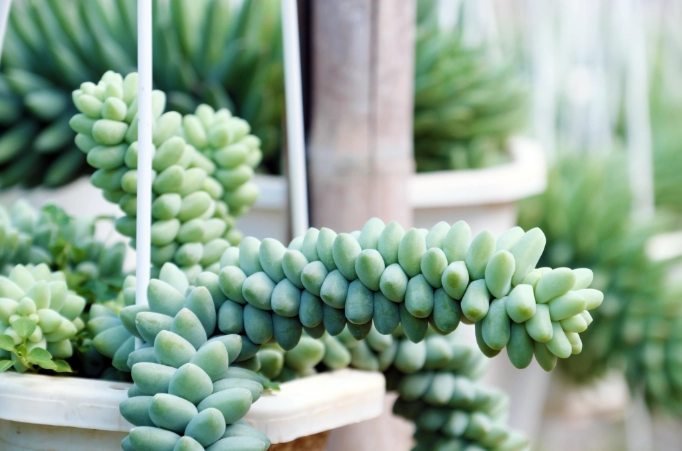
What Exactly Is a Burro's Tail Plant?
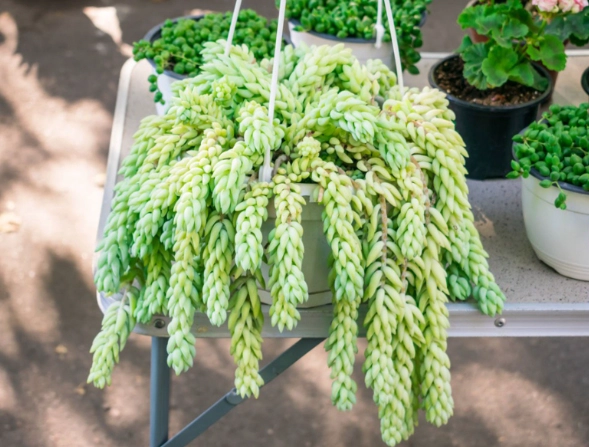
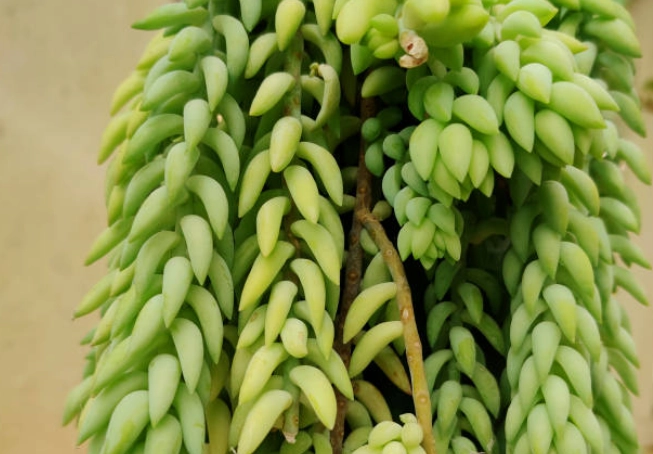
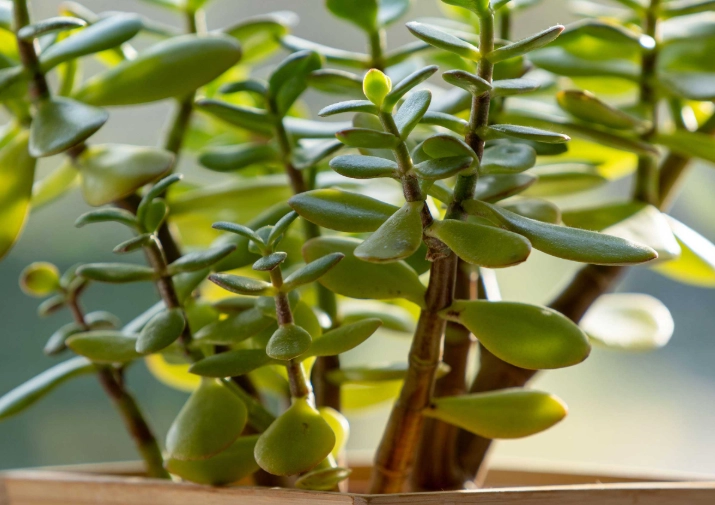
Before we dive into care, let's get to know this plant. Scientifically, it's Sedum morganianum. It's native to southern Mexico and Honduras, where it hangs off rocky outcrops. Those plump, blue-green leaves aren't leaves in the traditional sense; they're water-storage units. Each one is a tiny reservoir, which is your first big clue about how to treat this plant: it hates having wet feet.
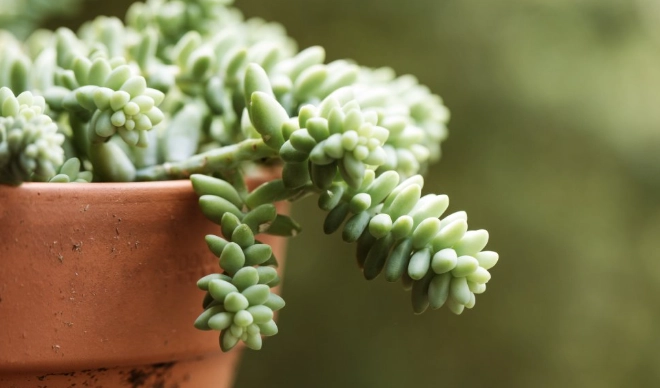
The stems can trail down several feet over time, which is where the "burro's tail" or "donkey's tail" name comes from. It's a slow grower, so don't expect a waterfall overnight. Patience is key. It also produces lovely, star-shaped pink or red flowers at the tips of its stems in the right conditions, though it's rare indoors. I've only had mine flower once, after a particularly sunny summer on the patio.
The Non-Negotiable Care Guide for Your Burro's Tail
Here’s where we separate the thriving burro's tails from the dying ones. This care routine isn't complicated, but it's specific.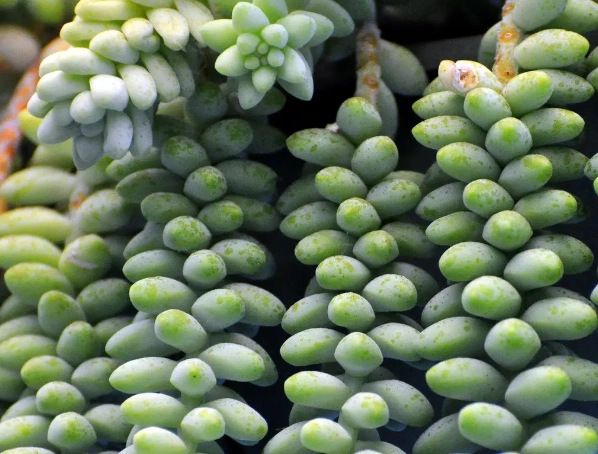
Sunlight: The More, The Better (Usually)
This plant craves bright, indirect light. Think of a spot near a south or east-facing window where the sun's rays are filtered through a sheer curtain. Direct, harsh afternoon sun, especially through a hot window, can actually scorch those delicate leaves, leaving permanent brown marks. I learned this the hard way with a plant I left on a south-facing windowsill in July. Not pretty.
But here's the catch: too little light, and your burro's tail plant will start to "stretch" or etiolate. The spaces between the leaves will get longer, the plant will look sparse and leggy, and it loses that compact, braid-like beauty. If your plant is stretching, it's literally reaching for more light.
Watering: The #1 Killer (and How to Avoid It)
This is the most important section. Overwatering is the fastest way to kill a burro's tail. Those plump leaves hold water, so the plant can go much longer than you think between drinks.
The Golden Rule: Soak it, then let it dry out completely. And I mean completely. Don't just check the surface. Stick your finger a couple of inches into the soil. Is it dry? Wait a few more days. When in doubt, wait it out.
Here’s my personal method, which has never failed me: I use the "leaf test." Gently squeeze a leaf near the base of the plant. If it's firm and plump, the plant is still full of water. If it has a little give, like a slightly under-inflated balloon, it's time to water. If it's wrinkled and soft, it's thirsty.
Frequency depends entirely on your environment (light, temperature, humidity). In the hot, bright summer, I might water mine every 10-14 days. In the dark, cool winter, it can go 4-6 weeks without a drop. A schedule is your enemy. Let the plant tell you.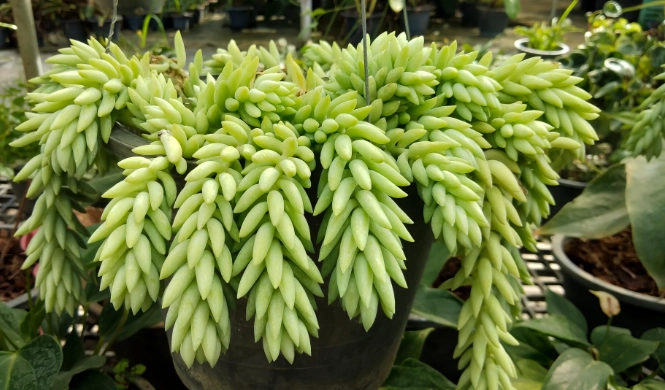
Soil and Potting: Building the Right Foundation
Regular potting soil is a death sentence. It holds too much moisture. Your burro's tail needs a gritty, sharply draining mix that mimics its rocky homeland.
You can buy a pre-mixed cactus & succulent soil, but I find they're often still too moisture-retentive. I make my own blend, and it's made all the difference:
- 2 parts cactus potting mix
- 1 part perlite (for aeration)
- 1 part coarse sand or poultry grit (for drainage)
The pot matters too. Always use a pot with a drainage hole. Terracotta pots are ideal because they're porous and help wick away excess moisture from the soil. Plastic or glazed ceramic pots dry out slower, so you need to be even more careful with watering.
Temperature and Humidity
Burro's tail plants like the same temperatures you do. Average room temperatures between 65-80°F (18-27°C) are perfect. They can tolerate a brief dip down to 40°F (4°C) but aren't frost-hardy. Keep them away from cold drafts in winter and blasts of hot air from heaters.
Humidity isn't a big concern. Average household humidity is fine. In fact, high humidity can slow down soil drying and increase rot risk.
Propagation: Making More Burro's Tail Babies
The good news? If a leaf falls off (and they will, it's just part of life with this plant), you can grow a whole new one. Propagating a burro's tail plant is incredibly easy and rewarding.
There are two main methods:
1. Leaf Propagation (The Slow but Sure Method)
- Gently twist a healthy, plump leaf from the stem. Try to get the whole base without tearing. Let the broken end callous over for 1-3 days. This step is crucial to prevent rot.
- Lay the calloused leaves on top of dry succulent soil. Do not bury them.
- Place in bright, indirect light. Mist the soil very lightly around the leaves every few days only when the soil is completely dry.
- Wait. In a few weeks, you'll see tiny pink roots, then a miniature rosette. This takes patience—sometimes months.
2. Stem Cutting Propagation (The Faster Method)
If you have a long stem, maybe one that got damaged, you can chop and prop.
- Cut a healthy stem a few inches long. Remove some leaves from the bottom inch to expose the stem.
- Let the cut end callous over for 2-5 days.
- Stick the bare stem into dry succulent soil. Don't water it yet.
- Wait about a week, then give the soil a light soak. Roots should develop in 3-4 weeks.
Repotting: Handle With Extreme Care
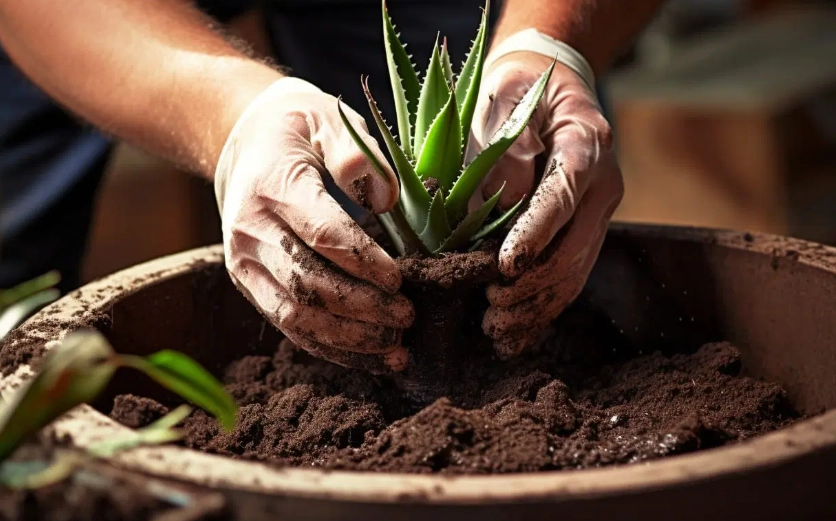
You'll only need to repot your burro's tail plant every 2-4 years, when it's truly root-bound. It prefers being a bit snug. Repotting is a delicate operation because leaves pop off if you look at them wrong.
My step-by-step, leaf-saving strategy:
- Water the plant a few days before repotting. Slightly plump leaves are less likely to fall.
- Lay the pot on its side and gently coax the plant out. Don't pull on the stems.
- Brush away old soil, but be gentle with the roots.
- Place it in its new pot (only slightly larger) with fresh succulent mix at the same depth it was before.
- Do not water for at least a week. This gives any disturbed roots time to heal and prevents rot.
Collect any fallen leaves and propagate them. Consider it a bonus.
Common Problems and Their (Actual) Solutions
Here’s a quick-reference table for diagnosing what's wrong with your donkey tail succulent.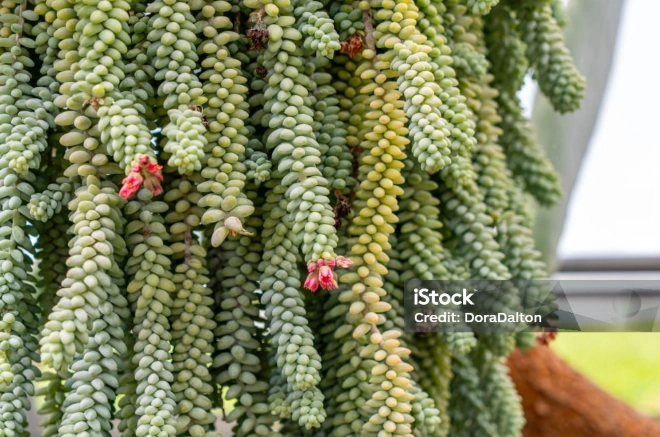
| Symptom | Likely Cause | How to Fix It |
|---|---|---|
| Leaves are wrinkling, shriveling | Underwatering. The plant is using its stored water. | Give it a thorough soak. Leaves should plump up in a day or two. |
| Leaves are yellowing, mushy, falling off easily | Overwatering / Root Rot. The most common killer. | STOP WATERING. Check roots. If brown/mushy, cut away rot, let plant dry, repot in dry soil. May need to take stem cuttings to save it. |
| Brown, crispy spots on leaves | Sunburn. From too much direct, hot sun. | Move to a spot with bright, indirect light. Burnt leaves won't recover, but new growth will be fine. |
| Stems are long, sparse, with big gaps between leaves | Not enough light (Etiolation). | Gradually move to a brighter location. You can't fix the stretched part, but new growth will be compact. Consider beheading and propagating the compact top. |
| White, cottony patches on leaves | Mealybugs. Common pest for succulents. | Dab bugs with a cotton swab dipped in rubbing alcohol. Isolate the plant. Check crevices between leaves. |
Why are the leaves on my burro's tail falling off just from touching it?
This is its defense mechanism in the wild—a way to propagate if an animal brushes past. Some varieties are just more fragile than others. The best thing you can do is find it a permanent home where you won't need to move it, and handle it as little as humanly possible.
Frequently Asked Questions (The Real Ones People Ask)
Final Thoughts: Keeping It Simple
After all this, the mantra for a happy burro's tail plant is simple: Bright light, neglectful watering, and gritty soil. It's a plant that rewards a hands-off approach. The less you fuss over it, the better it often does.
My biggest piece of advice? Don't get discouraged by leaf drop. It happens to everyone. See each fallen leaf as a potential new plant. Start a propagation tray. Before you know it, you'll have more of these beautiful succulents than you know what to do with.
 Give it the right spot, resist the urge to over-love it with water, and enjoy the slow, graceful cascade of your very own burro's tail.
For further reading on succulent care principles, the University of California's Integrated Pest Management program has excellent, science-based resources that reinforce the less-is-more approach.

Comments