In This Guide
Okay, let's tackle the big question head-on. Do succulents need water? Of course they do. Anyone who tells you they "never" need water is setting you up for a sad, shriveled plant funeral. The real magic—and the part where most of us go wrong—isn't in the *if*, but in the *how* and the *when*. It's a dance, and if you step on your partner's toes (or roots, in this case) too often, things go south fast.
I've killed my share. A beautiful echeveria that turned to mush because I loved it a little too much with the watering can. A haworthia that looked more like a raisin because I forgot it existed for two months. We've all been there. The internet is full of conflicting advice, and it's enough to make you want to stick to fake plants. But don't give up. Once you get the rhythm, it becomes second nature. This isn't about strict schedules; it's about learning to listen to what your plant is telling you.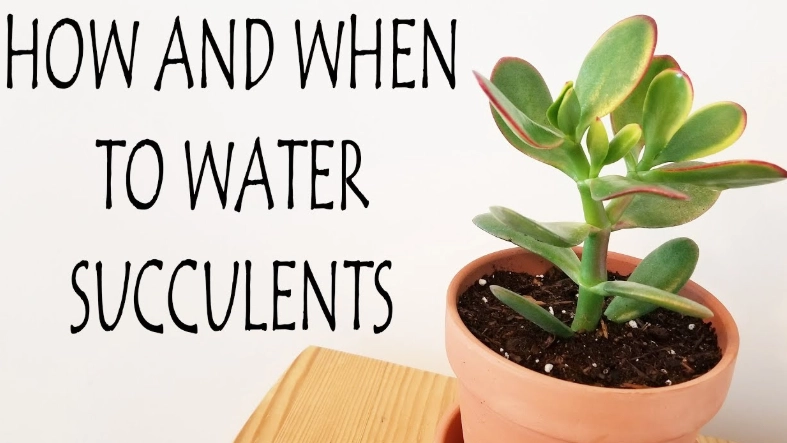
The Core Truth: Succulents need water to survive and grow, but they are uniquely adapted to store water in their leaves, stems, or roots. This storage capacity is their superpower, allowing them to withstand drought. Our job is to give them a big drink infrequently, then let them use up those reserves completely before the next round. It's the cycle of feast and famine they crave.
How Often Should You Water? (Forget the Calendar)
If you take one thing from this whole article, let it be this: Do not water your succulents on a schedule. Not every Tuesday. Not every two weeks. Schedules are the #1 killer of houseplants, especially succulents. Your watering frequency depends on a cocktail of factors that change with the seasons, the weather, and your home's environment.
Asking "do succulents need water weekly?" is like asking if you need to eat every three hours. It depends on what you're doing! Are you sitting at a desk or running a marathon? Is it a hot summer day or a cold winter night? Your succulent's "activity level" and environment dictate its thirst.
| Factor | Effect on Watering Frequency | What to Do |
|---|---|---|
| Season (Light & Growth) | Most succulents grow actively in spring/summer (more water, more often). They slow down or dorm in fall/winter (much less water, far less often). | In summer, you might water every 7-14 days. In winter, it could stretch to once a month or longer. |
| Your Home's Climate | Hot, dry, sunny homes = soil dries faster. Cool, humid, low-light homes = soil stays moist forever. | A succulent in a bright Arizona window needs water way more than one in a shady Seattle bathroom. |
| Pot Type & Size | Unglazed terracotta pots "breathe" and dry soil quickly. Plastic or glazed ceramic pots retain moisture. Small pots dry faster than large ones. | I almost exclusively use terracotta. It's forgiving and helps prevent overwatering, which is the most common mistake by far. |
| Soil Mix | Dense, moisture-retentive potting soil = root rot city. Gritty, fast-draining succulent/cactus mix = happy roots. | Never use regular garden soil. A good mix is 50-60% potting soil with 40-50% perlite, pumice, or coarse sand. |
See what I mean? So, when someone asks "do succulents need water in winter?", the answer is yes, but so infrequently that you might genuinely worry you've forgotten about them. And that's okay. They're resting.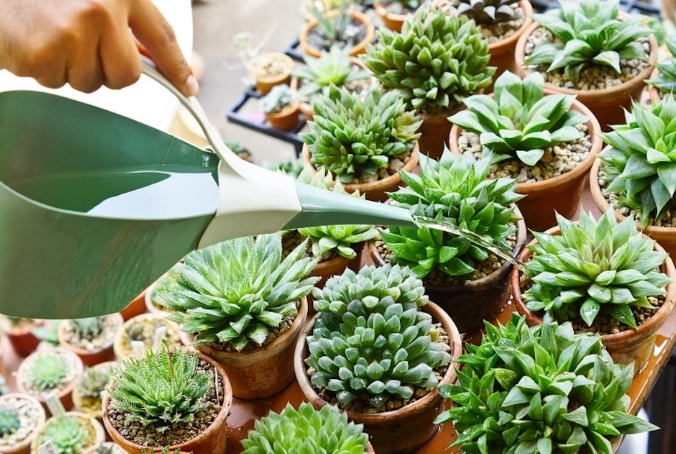
The Right Way to Water: The Soak and Dry Method, Demystified
This is the golden rule. It's simple in theory but often messed up in practice. Here's the step-by-step, no-fluff version.
Step 1: The Finger Test (Or the Chopstick Test)
Before you even look at your watering can, you need to check the soil's moisture level at the root zone, not just the surface. The top inch can be bone dry while the bottom is a swamp.
- Finger Method: Stick your finger into the soil all the way to your second knuckle (about 2 inches down). Is it completely dry? Not kinda dry, not barely damp. Dry.
- Chopstick/Skewer Method: My personal favorite. Stick a wooden chopstick or skewer deep into the soil, leave it for a minute, then pull it out. If it comes out clean, with no soil sticking and no dark, damp marks, the soil is dry. If it's dirty or damp, wait.
This is how you answer "do my succulents need water right now?" It's a physical check, not a guess.
Step 2: The Soak
When the soil is dry, it's time for a party. Take your succulent (pot must have drainage holes—non-negotiable!) to the sink, bathtub, or outside.
- Water thoroughly. I mean, drench the soil. Pour water evenly over the top until you see a steady stream of water flowing freely out of the drainage holes at the bottom. This ensures the entire root ball gets wet.
- Don't just give it a little sip from the top. That encourages shallow roots. You want to mimic a good, soaking rain in their natural habitat.
Pro Tip I Learned the Hard Way: Avoid getting water pooled in the rosettes of succulents like Echeverias or Sempervivums, especially if they won't dry quickly (like in humid weather or low light). This can lead to rot. Water the soil directly, not the plant.
Step 3: The Dry
This is the most critical part. After the soak, let all the excess water drain out completely. Leave the pot in the sink or on a draining rack for a good 10-15 minutes. No sitting in a saucer full of water. Ever.
Then, return it to its sunny spot and... forget about it. Seriously. Do not water again until you've repeated the dryness test from Step 1. The soil should go from soaked to bone dry between waterings. This dry period is crucial for the roots to breathe and prevents rot.
So, do succulents need water this way? Absolutely. It's the cycle that keeps them healthy: a massive drought-ending flood, followed by a long, sunny drought.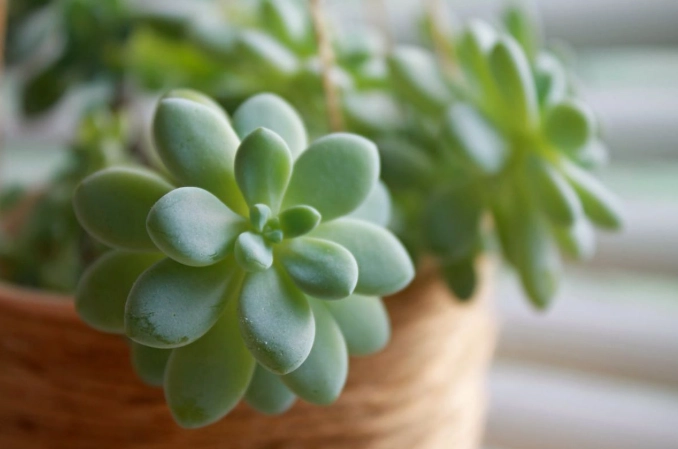
Reading Your Succulent's Body Language: Thirsty vs. Drowning
Plants talk. You just have to learn their language. Here’s how to tell if your succulent is sending an SOS for water or begging you to stop.
| Signs Your Succulent is OVERWATERED (Too Much Love) | Signs Your Succulent is UNDERWATERED (Thirsty) |
|---|---|
|
|
A quick note: Some succulent leaves naturally have a slightly softer feel (like some Sedums). The key is to know what's normal for your plant and look for changes. A plump leaf that suddenly gets wrinkly is thirsty. A firm leaf that turns squishy is in trouble.
Special Cases & Common Head-Scratchers
Not all succulents play by the exact same rules. And some situations are just confusing.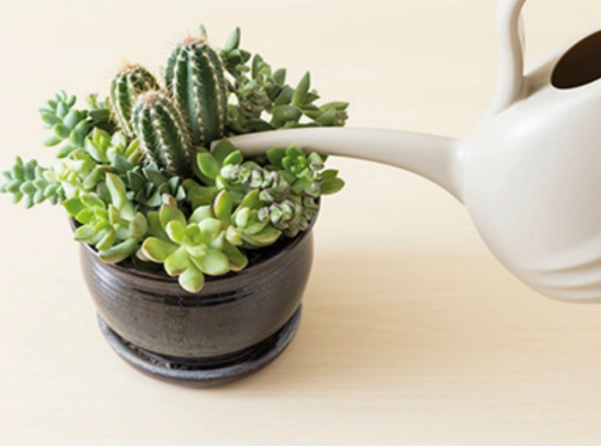
Do Succulents Need Water When They're Propagating?
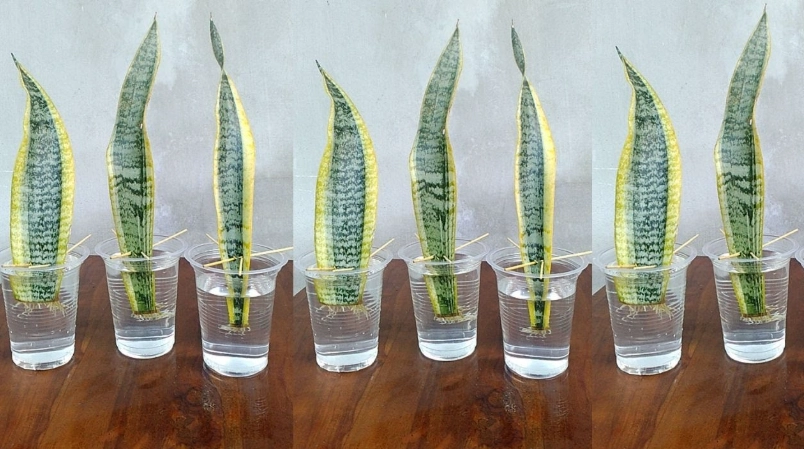
For leaf or stem cuttings, hold off on watering until you see roots or a tiny new plant (a "pup"). Before that, they have no way to take up water, and moisture will just cause them to rot. Once roots form, mist the soil very lightly near the roots every few days to keep them slightly moist (not wet) as the baby plant establishes itself. Then transition to the normal "soak and dry" once it's a bit bigger.
Do Succulents Need Water in a Terrarium or Pot Without Drainage?
This is playing on hard mode. Terrariums are glass boxes that trap humidity—a succulent's nightmare. Pots without drainage holes are a death trap because water has nowhere to go. If you insist on using one, you must be incredibly careful. Use a layer of horticultural charcoal and very gritty soil at the bottom. Water with a tiny amount—think a teaspoon or two—only when the soil is completely dry deep down. Honestly, I don't recommend it. It's so easy to get wrong. A drainage hole is the best $2 insurance policy you can buy.
Do Newly Repotted Succulents Need Water?
Contrary to most plants, no. When you repot a succulent, you likely disturb and damage some roots. Watering immediately can lead to rot in those fresh wounds. The standard advice is to repot into dry soil, and then wait 4-7 days before giving it its first thorough soak. This gives the roots time to callous over and heal.
Your Succulent Watering FAQs, Answered
Let's blast through some of the most common questions I get, the ones that keep people up at night.
Beyond the Basics: Resources and Final Thoughts
Look, I know this feels like a lot. But it gets easier. You'll start to develop a feel for it. You'll notice the slight wrinkling before a full-on shrivel. You'll learn how heavy a dry pot feels versus a wet one.
If you want to dive deeper into specific genera, there are fantastic resources out there. For example, the Missouri Botanical Garden's Plant Finder is an incredible, science-backed resource for looking up specific plant needs. For a more general overview of succulent biology and care from an educational institution, the University of California's Succulent Care page offers great, reliable information.
My final piece of advice? When in doubt, wait it out. It's almost always better to underwater a succulent than to overwater it. A thirsty succulent can almost always be revived with a good drink. An overwatered, rotten one is much harder to save.
So, do succulents need water? Yes. They need thoughtful, infrequent, and thorough watering that respects their desert-born instincts. Ditch the schedule, learn the signs, and give them the drought-and-deluge cycle they evolved for. You'll be rewarded with tough, beautiful plants that thrive on a little bit of benign neglect.
Now go check your plants. Stick your finger in that soil. You've got this.
Comments