In This Guide
- Why Your Cactus Pot Choice Matters More Than You Think
- The Great Cactus Pot Material Showdown
- Size & Shape: The Goldilocks Principle for Cactus Pots
- The Non-Negotiable: Drainage Holes
- The Step-by-Step: How to Repot Your Cactus Safely
- Beyond the Basics: Special Cases & Pro Tips
- Answers to the Cactus Pot Questions You're Actually Searching For
- Wrapping It Up: Keep It Simple
Let's be honest. Most of us pick a cactus pot because it looks cool on Instagram. I've done it too. That sleek, glazed ceramic number with the geometric pattern? Sold. Then, a few months later, you're left wondering why your once-plump cactus is now a sad, shriveled mess, or worse, a mushy stump at the bottom of a pretty tomb.
It happened to my first Opuntia. I was so proud of my stylish choice. Big mistake. The pot had no drainage hole, and I was an over-enthusiastic waterer. You can guess the rest.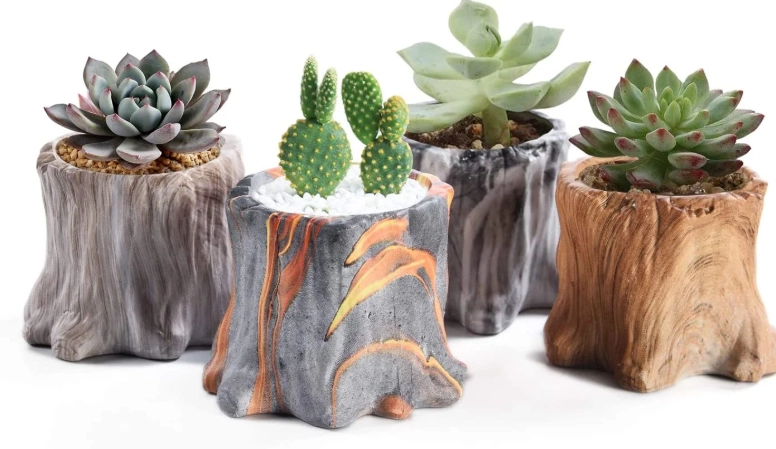
The truth is, the perfect cactus pot is a balancing act between aesthetics and hardcore plant physiology. It's not just a container; it's a micro-environment managing moisture, air, and root health. Get it wrong, and you're fighting an uphill battle. Get it right, and your cactus will practically thrive on neglect (which is kind of the point, right?).
So, let's ditch the guesswork. This guide is everything I wish I'd known before killing that poor Opuntia. We'll break down the materials, the sizing secrets, the drainage dogma, and the actual how-to of repotting. No fluff, just what works.
Why Your Cactus Pot Choice Matters More Than You Think
Think about where cacti come from – arid deserts, rocky slopes, places where water is a fleeting visitor. Their roots are adapted to drink quickly and then have the soil around them dry out fast. A soggy root zone is a death sentence, leading to the dreaded root rot.
Your cactus pot directly controls this environment. The right one facilitates this dry cycle. The wrong one traps moisture like a sponge, creating conditions your cactus never evolved to handle.
It's not just about survival, either. The right pot encourages healthy growth. A root system that's not stressed by constant dampness can do its job, supporting a taller, fuller, maybe even flowering plant. I've seen the same cactus species look completely different in two different pots over a year.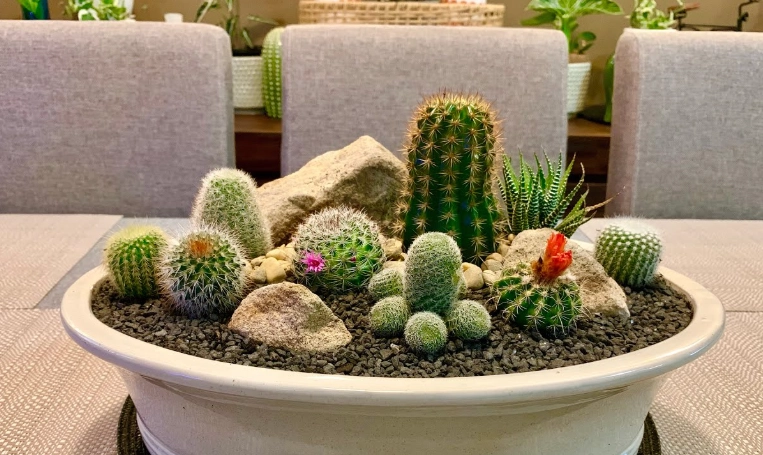
The Great Cactus Pot Material Showdown
This is where the rubber meets the road. Walk into any garden center, and you're bombarded with options. Each material has a personality, pros, and serious cons. Let's lay them all out.
| Material | How It Works for Cacti | The Good | The Not-So-Good | My Verdict & Best For... |
|---|---|---|---|---|
| Terra Cotta / Clay | The classic. It's porous, so water evaporates through the pot walls. | Superb drainage & aeration. Prevents overwatering. Inexpensive. Timeless look. | Dries out very fast (can stress plants in hot climates). Heavy. Can crack in frost. Gets mineral-stained. | The gold standard, especially for beginners. Best if you tend to over-love with water. |
| Glazed Ceramic | The stylish one. A clay core with a waterproof glaze on the outside. | Beautiful colors/finishes. Heavier, more stable for top-heavy plants. Retains moisture longer than terra cotta. | Poor porosity. Dries slowly. Often lacks drainage holes. Usually the most expensive. | Use with extreme caution. Only if it has a large drainage hole and you use a very gritty soil mix. I'm wary of them. |
| Plastic / Resin | The modern workhorse. Completely non-porous. | Lightweight, cheap, durable. Huge variety of sizes/styles. Retains moisture well. | Zero evaporative cooling. Soil stays wet for ages. Can tip over if plant is large. Can look cheap. | Great for humidity-loving succulents, risky for true desert cacti. You must have perfect drainage and water sparingly. |
| Concrete / Cement | The industrial chic option. Moderately porous. | Very stable and durable. Cool, modern aesthetic. Develops a nice patina. | Very heavy. Can leach alkalines into soil (can be mitigated). Often needs a drainage hole drilled. | A solid choice for a statement piece. Good middle-ground porosity. Ensure it's sealed if used indoors. |
| Metal (Tin, Copper) | Often more of a cache pot (decorative outer pot). | Unique, vintage, or modern look. Often found in thrift stores. | Can corrode, rust, and overheat in sun. Almost never has drainage. Conducts temperature extremes. | Use only as an outer sleeve. Never plant directly into metal. The heat buildup on a sunny windowsill can cook roots. |
See what I mean? That glazed pot you love might be its own worst enemy. If you're dead set on a non-porous pot like glazed ceramic or a sleek plastic cactus pot, your soil mix becomes ten times more important. You'll need to amend it with way more perlite, pumice, or coarse sand to compensate.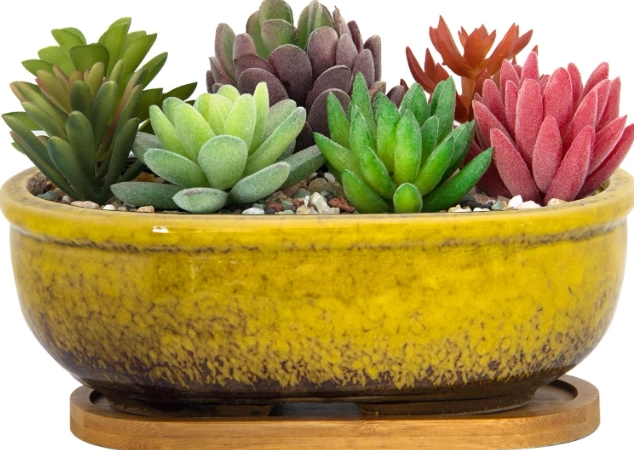
Size & Shape: The Goldilocks Principle for Cactus Pots
Bigger is not better. In fact, with cacti, bigger is often a death trap. A huge pot holds a huge volume of soil, which takes forever to dry out. Your little cactus's roots are sitting in a cold, wet cavern.
Finding the Perfect Diameter
A good rule of thumb: the new cactus pot should be only 1 to 2 inches wider in diameter than the root ball of your plant. That's it. If your cactus's roots currently fit snugly in a 4-inch pot, move it to a 5 or maybe 6-inch pot max.
For really slow-growing cacti, you might just refresh the soil in the same-sized pot for years.
Depth is Critical
This is where many generic guides fail. Cactus roots vary. Some, like many Mammillaria, have shallow, fibrous root systems. Others, like tall Cereus or Trichocereus, have a long taproot.
- For shallow-rooted types: A wider, shallower bowl-style cactus pot is ideal. It provides space without the depth that would stay soggy.
- For taproot cacti: You need a deeper pot, often called a “azalea pot” or “tree pot,” to accommodate that central root. But don't go overboard on width.
The Non-Negotiable: Drainage Holes
Let me say it again: drainage holes are non-negotiable.
I don't care how cute the pot is. If there's no hole at the bottom for water to escape, it is not a cactus pot. It's a decorative bowl. You can use it as a “cache pot” by placing a plain plastic pot with holes inside it, but never plant directly into it.
Why is this so absolute? Water needs a direct exit route. Without it, it pools at the bottom, creating a stagnant, anaerobic (oxygen-free) environment. Roots need oxygen. In stagnant water, they suffocate and rot, and the rot spreads upward. It's silent, happens below the soil, and by the time you see symptoms above ground, it's often too late.
What if you drill a hole? You can, in materials like ceramic, concrete, or plastic. Use a proper diamond-tip drill bit and go slow with water as a lubricant. For a terra cotta cactus pot, it's usually easy. For glazed ceramic, it's trickier but doable.
The Step-by-Step: How to Repot Your Cactus Safely
Okay, you've chosen the perfect new cactus pot. Now, how do you make the move without getting spiked or killing the plant? It's easier than you think with the right tools.
What You'll Need:
- Your new cactus pot (with hole!).
- Fresh, well-draining cactus & succulent soil mix. (I often make my own: 2 parts potting soil, 1 part coarse perlite, 1 part pumice or gravel).
- Thick gloves (leather gardening gloves are great).
- Newspaper, kitchen tongs, or a folded towel for handling.
- A small trowel or spoon.
- Optional: chopstick for settling soil.
Step 1: The Dry Run. Never repot a cactus right after watering. Let the soil dry out completely for a week or so. Dry roots are more flexible and less prone to damage.
Step 2: Suit Up and Extract. Put on your gloves. Wrap the cactus in several layers of newspaper or use kitchen tongs with soft grips. Tip the old pot sideways and gently squeeze/tap it to loosen the root ball. Ease the plant out. If it's stuck, you can run a knife around the inside edge.
Step 3: Root Inspection. Gently brush away the old soil. This is your chance to check the roots. Healthy roots are firm and white or light tan. Rotted roots are dark brown/black, mushy, and might smell bad. Snip off any rotten bits with clean scissors.
Step 4: Prepping the New Home. Place a piece of broken pot (a “shard”) or a piece of mesh screen over the drainage hole to keep soil in. Add a layer of your fresh, dry potting mix to the bottom so the plant will sit at the right height.
Step 5: Planting. Center your cactus in the new pot. Holding it steady with your tool-of-choice, start scooping the new soil mix around the roots. Gently tap the pot on the table to settle the soil—no compacting it with your hands. Leave a little space (about half an inch) between the soil surface and the pot rim for watering.
Step 6: The Critical Waiting Period. DO NOT WATER. I repeat, do not water your newly potted cactus. Place it in bright, indirect light (not direct blazing sun just yet). Wait at least 5-7 days, maybe even a full week. This allows any tiny root breaks to callous over, preventing rot when water is introduced.
After the wait, give it a thorough watering until water runs freely from the drainage hole. Then, return to your normal, sparse watering routine.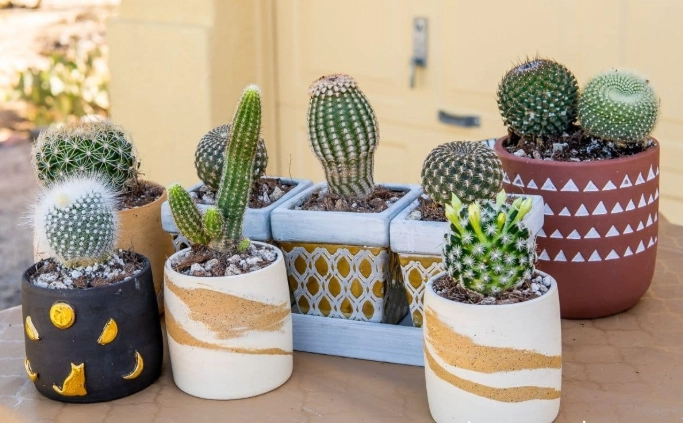
Beyond the Basics: Special Cases & Pro Tips
What About Those “Cactus Kits” with Tiny Pots?
You know the ones. The adorable little plastic pots that hold mini cacti. They're fine for a very short while, but they're often too small and shallow for any long-term growth. Treat them as temporary housing. Plan to repot into a more suitable cactus pot within 6-12 months if the plant is doing well.
Group Plantings (Arrangements)
Planting multiple cacti or succulents together in one wide, shallow bowl can be stunning. The key is to choose plants with similar water and light needs. A desert cactus and a moisture-loving Haworthia in the same pot will make one of them miserable.
Use a very shallow, wide pot with excellent drainage. The soil will dry more evenly across the whole container.
Outdoor vs. Indoor Cactus Pots
If your cactus pot will live outdoors, material choice is even more critical.
- Frost: Terra cotta and ceramic can crack if they freeze while wet. Concrete is more durable. Plastic becomes brittle in extreme cold.
- Sun & Heat: Dark-colored pots absorb heat and can literally bake the roots on a hot patio. Lighter colors are better. Metal is a terrible idea in full sun.
- Wind: Lightweight plastic pots can blow over. Opt for heavier materials or ensure they are in a sheltered spot.
The USDA Plant Hardiness Zone map is a great resource to understand your local climate extremes, which should inform your outdoor container choices.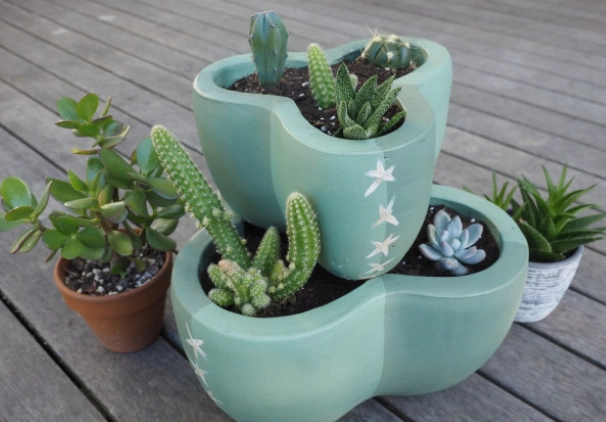
Answers to the Cactus Pot Questions You're Actually Searching For
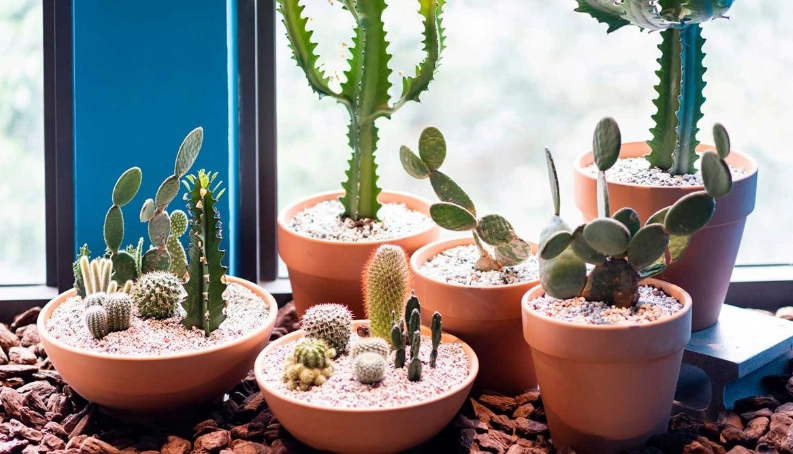
Wrapping It Up: Keep It Simple
After all this, my final advice is to not overcomplicate it. When in doubt, go back to the basics: terra cotta, slightly bigger than the root ball, with a big drainage hole, and a gritty soil mix.
That combination forgives a multitude of sins. It lets the plant breathe. It prevents you from loving it to death with water.
Your cactus pot is the foundation of your plant's health. Spend more time choosing it than you do choosing a picture frame. Your cactus will reward you with years of slow, steady, prickly growth. And you'll avoid the heartbreak of a mushy, rotted base – a lesson I learned the hard way so you don't have to.
Now go check your pots. Do they have holes? Is the soil still soggy days after watering? Maybe it's time for an upgrade. Your cactus is waiting.

Comments