Guide Overview
Let's be honest. You probably got your first aloe plant because someone told you it's impossible to kill. Maybe you picked one up at the grocery store, thinking it would be a nice, green addition to your kitchen windowsill. And for a while, it was. Then, slowly, things started to go wrong. The leaves got thin and floppy. They turned a sad, brownish color. Maybe the whole thing just... gave up.
I've been there. I've killed my share of aloes before I figured them out. The truth is, while growing aloe is one of the easier plant journeys you can take, it's not *entirely* foolproof. They have specific, non-negotiable needs. Ignore them, and your plant will let you know. But get them right? You'll have a resilient, beautiful, and useful companion for years. This guide is everything I wish I'd known when I started. We're going to move past the basic "don't overwater it" advice and dig into the real nitty-gritty of growing aloe successfully, whether you're aiming for a single potted healer on your desk or dreaming of a whole windowsill of spiky green joy.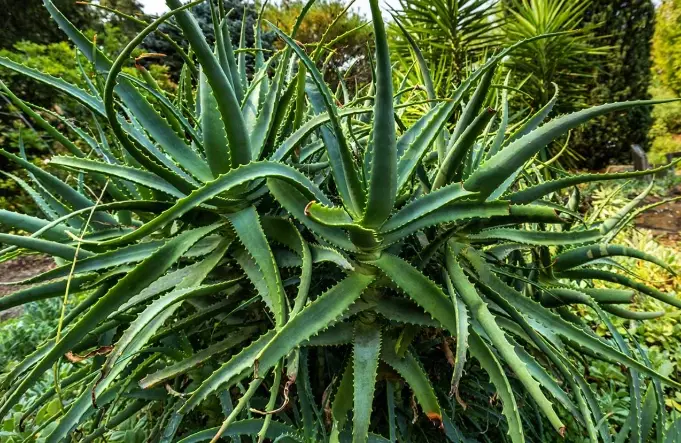
The Core Idea: Growing aloe is about mastering neglect in the right areas (watering, fussing) and being attentive in others (light, soil). It's a plant that thrives on benign ignorance, but that ignorance needs to be informed.
Why Bother Growing Aloe?
Sure, you can buy aloe gel in a bottle. But having a living plant is different. It's a connection. Beyond the obvious sunburn soother (more on that later), a healthy aloe vera purifies the air. Studies, like those referenced by the U.S. Environmental Protection Agency on indoor air quality, highlight the importance of houseplants in removing common volatile organic compounds (VOCs). Aloes are part of that green solution.
There's also the simple satisfaction. Watching a new "pup" (baby plant) emerge from the soil is a tiny thrill. Using a leaf from a plant you nurtured to cool a kitchen burn feels fundamentally good. It's a low-commitment way to bring more life and utility into your home. And let's face it, their architectural, spiky form is just cool. They look modern and minimalist.
My first successful aloe lived in a terracotta pot on a south-facing fire escape in Brooklyn. It survived summers, winters, and my erratic care. That's when I realized how tough they truly are when given half a chance. That plant started my whole obsession with growing aloe.
Before You Start: What You Need to Know
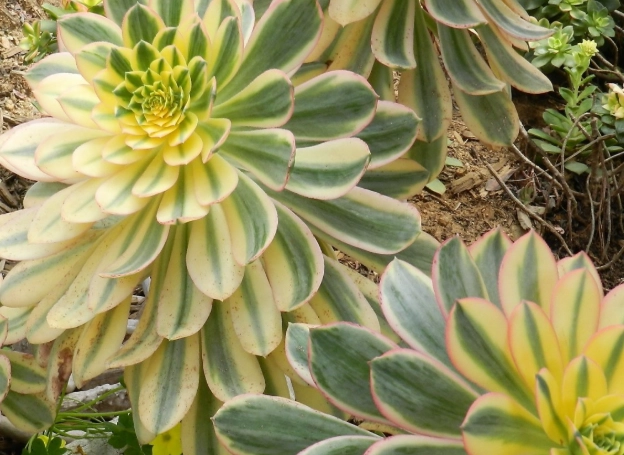
Not all aloes are created equal. When we say "aloe vera," we usually mean Aloe barbadensis miller. That's the classic, medicinal one with the plump, green leaves. But the aloe genus is huge. You might find yourself drawn to the coral-like Aloe striata or the fiercely spiked Aloe ferox. For the purposes of this guide focused on growing aloe for home use, we'll assume you're starting with the common Aloe vera. Its care principles apply broadly to its cousins.
Here's a quick table to demystify the common types you'll encounter:
| Common Name | Botanical Name | Key Characteristics | Best For |
|---|---|---|---|
| True Aloe Vera | Aloe barbadensis miller | Green, fleshy leaves with serrated edges; clear healing gel inside. | Medicinal use, beginners. |
| Lace Aloe | Aloe aristata | Small, rosette-forming with white speckles and soft spines. | Small pots, windowsills. |
| Tiger Tooth Aloe | Aloe juvenna | Triangular, patterned leaves that stack as they grow. | Unique visual appeal. |
| Coral Aloe | Aloe striata | Broad, smooth leaves with a pinkish-coral tint, no sharp spines. | Color and safer handling. |
One crucial bit of botany: Aloes are succulents, but not all succulents are aloes. They store water in their leaves, which is why overwatering is a death sentence. Their roots are relatively shallow and designed to soak up quick desert rains and then dry out. Fast. Keeping this desert origin story in your mind is the single most helpful tip for growing aloe plants that thrive.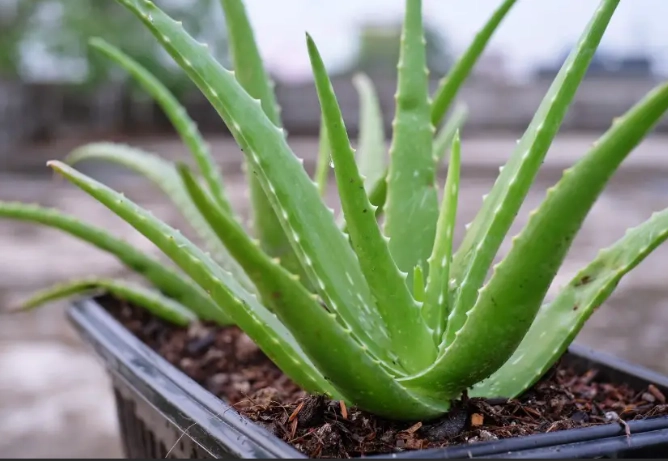
Getting Your Hands Dirty: The Planting Process
You can start from seed, but it's painfully slow. Most of us begin with a small plant from a nursery. That's perfect. When you bring it home, don't just plop it into a new pot. Let it acclimate to your light for a week. Then, it's repotting time. This initial setup is the foundation for everything.
The Pot: It's All About Drainage
Forget the gorgeous ceramic pot with no hole. Just forget it. I've tried the "layer of rocks at the bottom" trick. It's a myth. It creates a perched water table and can make root rot worse. Your pot must have a drainage hole. Terracotta is the gold standard for growing aloe because it's porous, allowing the soil to dry from the sides as well as the bottom. Plastic pots retain moisture longer, which means you must water even less frequently.
Size matters. Aloes like to be slightly root-bound. Choose a pot that's about 1-2 inches wider in diameter than the root ball of your plant. Too big, and the excess soil stays wet for too long, inviting rot.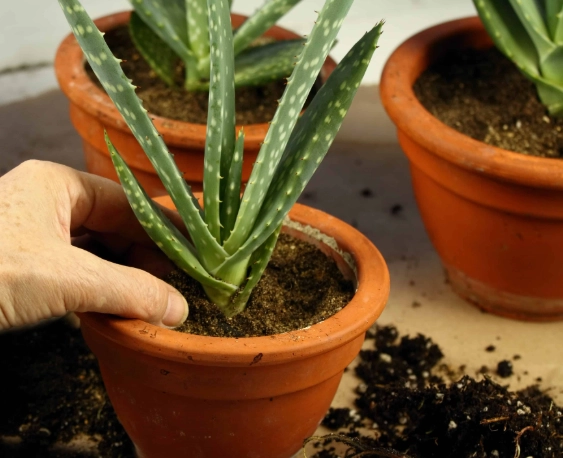
The Soil: The Secret Sauce
This is where most store-bought plants are set up to fail. They often come in dense, moisture-retentive soil. You need to change it. Regular potting soil is a no-go. It holds too much water.
You need a fast-draining cactus and succulent mix. Even that can sometimes be too organic. My personal mix, after much trial and error, is:
- 50% commercial cactus/succulent potting mix
- 25% perlite (for aeration)
- 25% coarse sand or poultry grit (for weight and drainage)
This mix is virtually impossible to overwater if you have a decent pot. The water runs right through it. The University of California's Urban Horticulture notes emphasize the critical role of soil drainage in preventing root diseases in succulents, backing up this gritty approach.
Planting Step-by-Step: Gently remove the plant, tease out the roots if they're circling. Place a piece of broken pot or a mesh screen over the drainage hole. Add your gritty mix so the plant sits at the same depth it was before. Fill in around the sides, tap the pot to settle, but don't compact it. Do NOT water yet.
Wait. This is important. After repotting, wait about 5-7 days before the first watering. This gives any disturbed roots time to callous over and prevents immediate rot.
The Daily (or Weekly) Grind: Aloe Care Routine
Now comes the easy part: the routine. Aloe care is a cycle of light, water, and occasional food.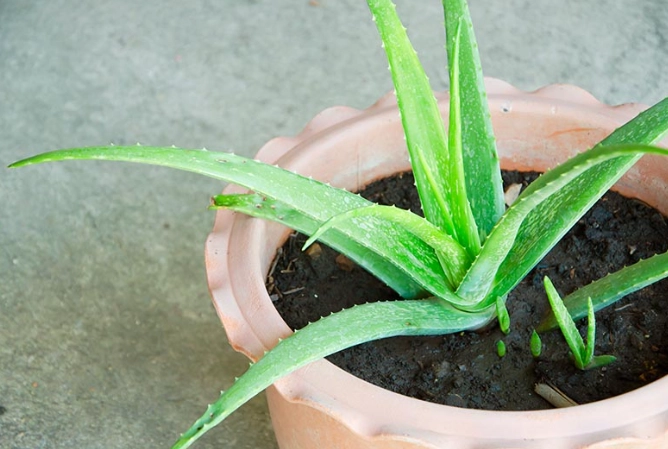
Light: The Non-Negotiable
Aloes crave bright, indirect light. A south or west-facing window is ideal in the Northern Hemisphere. They can tolerate some direct sun, but if your plant has been indoors all winter, a sudden move to blazing afternoon sun can scorch the leaves, leaving brown, sunken spots.
Signs of not enough light? The plant starts to "stretch" or etiolate. The leaves become elongated, pale, and floppy, reaching for any light source. It loses its compact, sturdy shape. If your light is low, consider a simple grow light. A few hours under one can make a world of difference for growing aloe indoors successfully.
What about growing aloe outdoors? Absolutely, if you're in a warm climate (USDA zones 9-11). Otherwise, treat it as a summer vacation plant. Acclimate it slowly to outdoor conditions over a week or two, and bring it back in before nighttime temps dip below 50°F (10°C).
Watering: The Art of Neglect
This is the number one killer. The rule is simple: Soak and dry. Completely. You want to drench the soil until water runs freely out of the drainage hole. Then, you forget about it. You wait until the soil is completely, totally, 100% dry. And then you wait some more.
How long? It depends. In a hot, dry room in summer, it might be every 10-14 days. In a cool, low-light room in winter, it could be every 4-6 weeks. Never water on a schedule. Always check the soil. Stick your finger in the top 2 inches. Is it dry? Is the pot feeling light? The leaves will also tell you. A well-hydrated aloe leaf is plump and firm. As it uses its water reserves, the leaves will feel slightly less full, but they shouldn't get thin or wrinkled. Wrinkling is a late sign of thirst.
Classic Mistake: Mistaking overwatering symptoms for thirst. A rotting plant can also have soft, droopy leaves. If the leaves are soft AND the soil is wet, you have a root rot problem, not an underwatering one. Stop watering immediately.
Temperature, Humidity, and Food
Aloes like the same temperatures you do: between 55°F and 80°F (13°C - 27°C). They're not fans of drafts—hot or cold. Keep them away from heating vents and chilly windows in winter.
Humidity isn't a big concern. Average home humidity is fine. They don't need misting; in fact, water sitting in the leaf rosette can cause crown rot.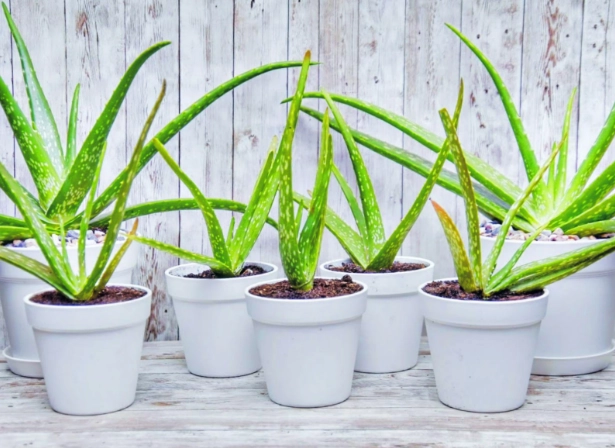
Fertilizer? Sparingly. During the active growing season (spring and summer), you can feed with a half-strength, balanced liquid fertilizer (like a 10-10-10) once a month. Or use a fertilizer specifically formulated for cacti and succulents. Do not fertilize in fall and winter. More is not better. Over-fertilizing leads to weak, leggy growth and can harm the roots.
Think of fertilizer as a vitamin, not a meal.
When Things Go Wrong: Aloe Troubleshooting
Even with the best care, problems pop up. Here’s a decoder ring for what your aloe is trying to tell you.
| Symptom | Likely Cause | How to Fix It |
|---|---|---|
| Soft, Mushy, Brown Leaves | Root Rot from Overwatering | Stop watering. Remove plant, cut away all black/mushy roots with sterile tool. Repot in dry, fresh gritty mix. Don't water for 1-2 weeks. |
| Thin, Pale, Stretched Leaves | Insufficient Light (Etiolation) | Gradually move to a brighter location. You can't fix stretched leaves, but new growth will be compact. |
| Brown, Dry, Crispy Leaf Tips | Underwatering OR fluoride in water | Check soil. If bone dry, give a thorough soak. If using tap water, try switching to filtered or rainwater for a while. |
| Reddish or Brownish Leaves | Sunburn OR Stress Coloring | If spots are sunken/dry, it's sunburn—move to less intense light. An overall red tint can be a stress response to strong sun or cold, not necessarily harmful. |
| Leaves Lying Flat, Not Upright | Usually insufficient light | Provide more light. The plant is reaching sideways for illumination. |
Pests are rare but possible. Mealybugs look like tiny bits of white cotton in the leaf axils. A dab of rubbing alcohol on a cotton swab takes them out. Scale insects appear as small, brown, immobile bumps. Scrape them off. The key is catching them early. Good air circulation and not overwatering are the best pest prevention.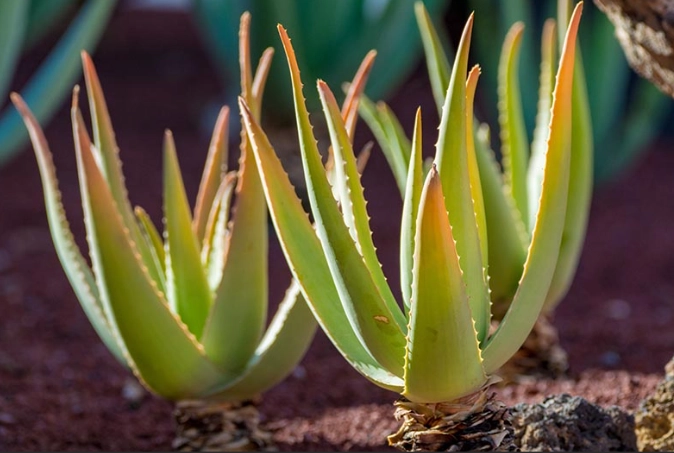
Beyond the Basics: Propagation & Harvesting
Once you've mastered growing aloe, you'll want to make more plants. Luckily, aloes do most of the work for you by producing "pups" or offsets.
Propagating from Pups
Wait until the pup is a decent size, about one-quarter to one-third the size of the mother plant, and has developed its own roots. Gently remove the entire plant from its pot. You'll see the pup connected to the mother by a stem or root. Using a clean, sharp knife, cut the pup away, trying to keep as many of its roots intact as possible. Let the cut end callous over for a day or two. Then, plant it in its own small pot with your gritty mix. Don't water for about a week. Then, treat it as a new plant.
Can you grow aloe from a leaf cutting? Technically, yes, but it's notoriously unreliable and often fails. The leaf tends to rot before it roots. Propagation from pups is the guaranteed, easy method.
How to Harvest Gel Safely
This is the rewarding part. Always choose a mature, outer leaf. Using a clean knife, cut the leaf as close to the base as possible. You'll see a yellow sap (aloin) ooze out. Let the leaf stand upright in a glass for 10-15 minutes to let this bitter, laxative compound drain out—it can irritate skin for some people. Rinse the leaf. Then, lay it flat and slice off the serrated edges. Peel off the top green layer or fillet the leaf to scoop out the clear gel inside.
Use it fresh on minor burns, cuts, or skin irritations. The National Institutes of Health (NIH) library contains numerous studies on the traditional and potential therapeutic uses of Aloe vera gel, particularly for wound healing and skin conditions. For storage, puree the gel with a drop of vitamin E oil (as a preservative) and keep it in the fridge for up to a week, or freeze it in ice cube trays.
A word of caution: While the gel is fantastic for topical use, I'm wary of ingesting homemade aloe preparations. The aloin and latex in the leaf skin are potent. Unless you're 100% sure you've removed every trace, it's better to buy food-grade products for internal use. The risk isn't worth it.
Frequently Asked Questions (Your Queries Answered)
Growing aloe is a practice in patience and observation. It teaches you to read a plant's language—the firmness of its leaves, the color of its skin, the posture of its rosette. Start with the right foundation (pot and soil), master the soak-and-dry watering, and give it all the light you can. Do that, and you'll shift from struggling to keep an aloe alive to wondering what to do with all the pups it's producing. It's a deeply satisfying green thumb project that gives back, both in beauty and in utility. Now go check if your plant's soil is dry yet. (Wait, probably not. Give it a few more days.)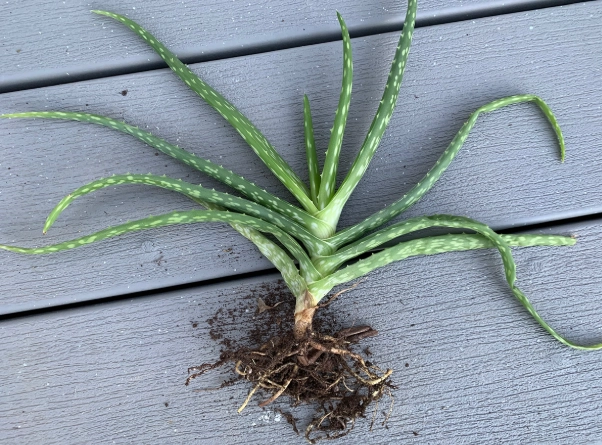

Comments