What’s Inside: A Quick Tour
Let's be honest right from the start. If you're searching for "phalaenopsis pulbrohico," there's a good chance you're either staring at a plant tag that looks like it was typed by someone wearing mittens, or you've seen the name online and now you're utterly confused. I was in the same boat years ago. I bought a lovely orchid with this bizarre name on the label and promptly proceeded to almost kill it by treating it like my other houseplants. Big mistake.
This guide is the one I wish I had back then. We're going to untangle the name mess, figure out exactly what plant you actually have, and then dive into the nitty-gritty of keeping it not just alive, but thriving and blooming. Forget the overly technical jargon and vague advice. We're talking real-world, from-one-plant-lover-to-another stuff.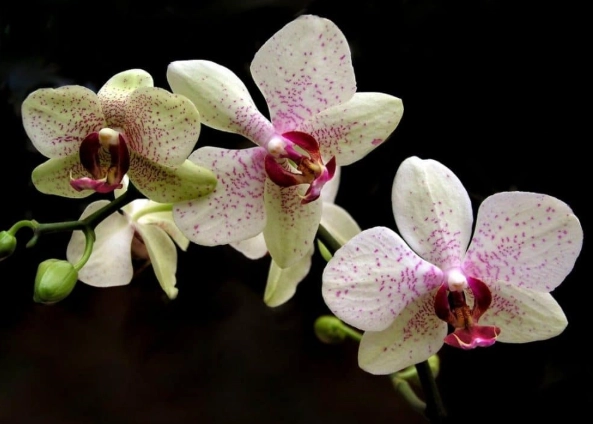
The Big Reveal: "Phalaenopsis pulbrohico" is almost certainly a persistent misspelling or mislabeling of Phalaenopsis pulcherrima. That's the correct botanical name. You'll see it sold under both names, and sometimes as Doritis pulcherrima. It's all the same gorgeous plant. For the rest of this article, when I say phalaenopsis pulbrohico, I'm referring to this specific, often-mislabeled orchid that you probably own.
What Even Is a Phalaenopsis Pulbrohico? Spotting the Real Deal
So you've got this orchid. How do you know it's the phalaenopsis pulbrohico (a.k.a. pulcherrima) and not one of the dozens of other moth orchids? It has some tell-tale signs that, once you know them, are pretty obvious.
First, the leaves. They're stiffer, more leathery, and have a sort of purplish tinge on the underside, especially when given good light. They're not as floppy and broad as the common supermarket Phalaenopsis. The flower spike is a dead giveaway too. It grows upright initially, not arching over like the classic moth orchid. The flowers themselves are smaller, usually in shades of pink, purple, or white, and they have this lovely, intricate lip. The whole plant has a more "compact" and sturdy vibe.
I remember the first time I saw a true, healthy Phalaenopsis pulcherrima in bloom at a show. The plant had this vibrant energy the common hybrids lacked. The color was a deep, rosy pink, and it just looked... wilder. More authentic. That's when I got hooked.
The Non-Negotiable Care Guide: It's Not Your Average Orchid
Here's where most people, myself included, mess up. We treat the phalaenopsis pulbrohico like its hybrid cousins. It's not. It has stronger opinions about its living conditions. Think of it as the orchid with a bit more attitude.
Light: The Golden Rule for Getting Blooms
This is the #1 secret. Your phalaenopsis pulbrohico needs more light than the standard white-flowered moth orchid you got from the grocery store. Bright, indirect light is good, but it can handle a bit of gentle morning sun. An east-facing window is perfect. A south or west window needs a sheer curtain as a buffer.
How do you know it's getting enough light? The leaves should be a medium olive green. If they're dark forest green, it's not enough light and it probably won't bloom. If they're turning yellowish or have a reddish tinge, it might be getting too much direct sun. It's a balancing act, but get this right, and you're 70% of the way there.
Watering: The Make-or-Break Habit
This was my personal downfall. I was an over-waterer. The phalaenopsis pulbrohico likes to dry out a bit more between waterings compared to common hybrids. Its roots are more sensitive to staying soggy. My method now? I lift the pot. When it feels light, I take it to the sink and drench the potting mix thoroughly until water runs freely out the bottom. I mean, really soak it. Then, I let it drain completely before putting it back in its decorative pot. No ice cubes. Ever. That's a gimmick for mass-market plants and can shock the roots.
In the winter, I might water every 10-14 days. In the summer, with more heat and light, it might be every 5-7 days. Your environment dictates the schedule, not the calendar.
Watch Out: The most common sign of overwatering is mushy, brown roots and yellowing, limp leaves starting from the base. Underwatering gives you shriveled, silver-gray roots and wrinkled leaves. Check the roots! They should be plump and silver-green when dry, turning green when wet.
Temperature & Humidity: Mimicking Home
This orchid enjoys warmer temperatures and appreciates a slight drop at night, which actually helps trigger blooming. Average home temperatures (65-80°F or 18-27°C) are fine. It's not overly fussy about humidity if you water correctly, but it will certainly appreciate a humidity tray (a tray with pebbles and water) or being grouped with other plants, especially in dry, winter-heated homes. Mine sits on a pebble tray year-round, and I notice the new leaves grow better for it.
Feeding: Less is More
I use a balanced, water-soluble orchid fertilizer (look for something like 20-20-20) but I dilute it to half or even quarter strength. I apply it "weekly, weakly." That means every time I water during the growing season (spring and summer), I use the weak fertilizer solution instead of plain water. In fall and winter, I fertilize maybe once a month, or just use plain water. Over-fertilizing leads to salt buildup in the pot, which burns the roots. It's a slow poison.
Potting Mix & Repotting
This plant despises old, broken-down, soggy medium. It needs a chunky, fast-draining mix. A good quality orchid bark mix for Phalaenopsis is fine. I like to add a handful of perlite and some medium-grade charcoal to mine for extra drainage and to keep things fresh.
Repot every 1-2 years, or when the bark looks decomposed and mushy. The best time is right after it finishes blooming, when you see new roots starting to grow (they have green tips). Don't pot it in a huge container; just one size up, or even back into the same pot with fresh mix. Clear plastic pots are great because you can monitor root health without disturbing the plant.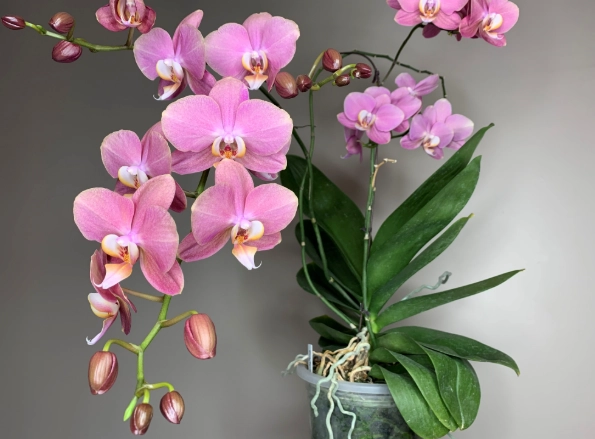
Why Won't My Phalaenopsis Pulbrohico Bloom? Let's Troubleshoot.
This is the question I get asked the most. Your plant is alive, the leaves look okay, but it's just sitting there, giving you nothing but greenery. Here’s a quick checklist, in order of likelihood:
- Not enough light. This is almost always the culprit. Can it see the sky from where it sits? If not, move it.
- No temperature differential. Try to give it a 10-15°F (5-8°C) drop at night for a few weeks in the fall. An open window (away from drafts) can help.
- It's recovering. Did it just finish a big bloom or did you recently repot it? It might just be gathering energy.
- It's too young or small. The plant needs to be mature and have enough energy stored to support a bloom spike.
- Over-fertilizing with high-nitrogen food. This promotes leaves at the expense of flowers. Switch to a balanced or bloom-booster fertilizer (higher phosphorus number) during the growing season.
Patience is key. Once you fix the issue, it can still take a season for the plant to get the message and decide to flower.
Common Problems & Their Ugly Fixes
Sometimes things go wrong. Here’s a no-nonsense look at common issues with the phalaenopsis pulbrohico.
| Problem | Likely Cause | What to Do Immediately |
|---|---|---|
| Yellow, mushy leaves at base | Root rot from overwatering / poor drainage | Unpot, remove all mushy roots with sterile tools, repot in fresh, dry mix. Don't water for a week. |
| Wrinkled, limp leaves | Underwatering or dead roots (can't take up water) | Check roots. If they're good, give the plant a good soak. If roots are dead, follow root rot steps. |
| Black or brown spots on leaves | Fungal or bacterial infection, often from water sitting on leaves | Cut out the spotted area into healthy tissue with a sterile blade. Improve air circulation. Water in the morning. |
| No growth, plant looks stagnant | Dormancy (normal) or root issues / exhausted medium | Check season. If it's growing season, check roots and consider repotting. |
I had a terrible bout of black spot once because I was careless and let water pool in the crown (the center where leaves meet) overnight. I lost a beautiful leaf. Now, I'm religious about blotting any water there with a paper towel. Lesson learned the hard way.
Your Top Questions, Answered (No Fluff)
Let's tackle the stuff you're actually typing into Google.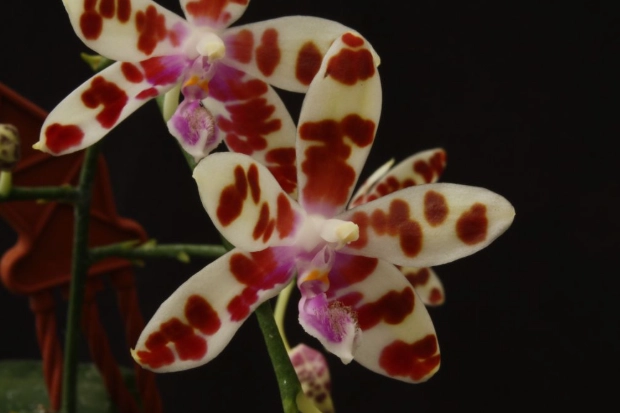
Is Phalaenopsis pulbrohico rare?
Not super rare, but it's less common than the mass-produced hybrid moth orchids. You'll find it more at specialty orchid nurseries, online retailers, or shows. The misspelling "pulbrohico" makes it seem more obscure than it is.
Can I grow it in regular potting soil?
Absolutely not. This is a surefire way to kill it. Its roots need air as much as they need water. Soil suffocates them. Use an orchid-specific bark mix.
How often does it bloom?
A happy, mature phalaenopsis pulbrohico can bloom once or even twice a year, typically in late summer or fall. The flowers can last for several weeks.
My flower spike is brown and dry after blooming. What now?
That's normal. You can cut the spike off at the base with a sterile tool. The plant will focus its energy on growing new leaves and roots, and eventually, a new spike.
Where can I learn more from real experts?
For rock-solid, scientifically sound information, I always cross-reference with the American Orchid Society (AOS) website. Their care sheets are fantastic. For taxonomy and precise naming to finally clear up the "pulbrohico" confusion, the Plants of the World Online by Kew is the ultimate authority. It lists Phalaenopsis pulcherrima as the accepted name.
Final Thoughts: Embrace the Challenge
Look, the phalaenopsis pulbrohico – sorry, the Phalaenopsis pulcherrima – might demand a bit more attention than the bulletproof hybrid you're used to. But that's the joy of it. It's a gateway into the wider, more fascinating world of species orchids.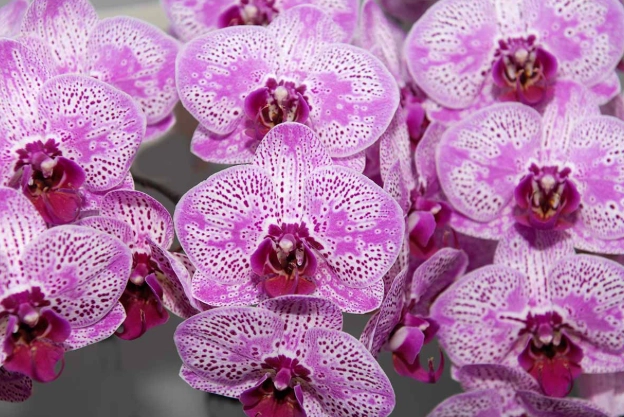
When you finally get the conditions right and that first upright spike emerges, loaded with delicate buds, it feels like a real achievement. You didn't just keep a plant alive; you learned its language. You understood that "pulbrohico" was just a typo on a long journey to finding a truly remarkable little plant.
Start with the light. Get the watering rhythm down. Don't be afraid to unpot it and look at the roots. This orchid will tell you what it needs. You just have to learn to listen.



Comments