Quick Navigation
Let's be honest. You brought home that perfect little succulent, all plump and symmetrical, imagining it would be the easy-going, low-drama plant friend you've always wanted. Fast forward a few months, and it might be stretching out like it's trying to escape the pot, or worse, turning into a mushy, brown mess at the base. I've been there. I've killed my fair share before figuring things out. The truth about indoor succulent plant care is that it's simple, but it's not always intuitive. It goes against how we usually think about caring for houseplants.
This guide isn't about complex botany. It's about translating what these plants need from their native, often harsh environments, into the conditions of your living room, office, or kitchen windowsill. We're going to break down the big five: light, water, soil, the pot itself, and the air around it. Get these right, and your succulent plant care indoor routine becomes almost effortless.
Light: The Non-Negotiable Foundation
If you take away only one thing from this guide, let it be this: light is everything. More indoor succulents fail from insufficient light than from anything else. In their natural habitats, they're baked in sun for hours. Our homes are dim caves in comparison.
So, what does "bright light" really mean? It means a south-facing window is your best friend. An unobstructed east or west window can work too. A north window? Almost always a struggle. The plant might survive, but it won't thrive. It will start to "stretch" or etiolate—growing tall and skinny with wide spaces between leaves, reaching desperately for more photons.
But what if you don't have a sunny south window? This is the most common dilemma for indoor succulent care. You have options. First, choose succulents that are more tolerant of lower light. Haworthias and Gasterias are famous for this. Second, consider a grow light. You don't need a fancy, purple-hued setup. A simple, white LED bulb in a desk lamp, positioned a few inches above the plant and left on for 12-14 hours a day, can work wonders. I use a couple for my collection in a room with eastern light, and it stopped the stretching completely.
Signs Your Succulent Needs More Light
- Etiolation: The stem elongates, and leaves space out.
- Color Fading: A red or purple-tinted succulent turns plain green.
- Leaf Drop: Lower leaves may yellow and fall off more readily.
- Flattening: Rosette-shaped plants (like Echeverias) flatten out to expose more surface area to light.
Rotate your pots a quarter turn every time you water. This prevents the plant from leaning heavily in one direction toward the light source, keeping its shape balanced.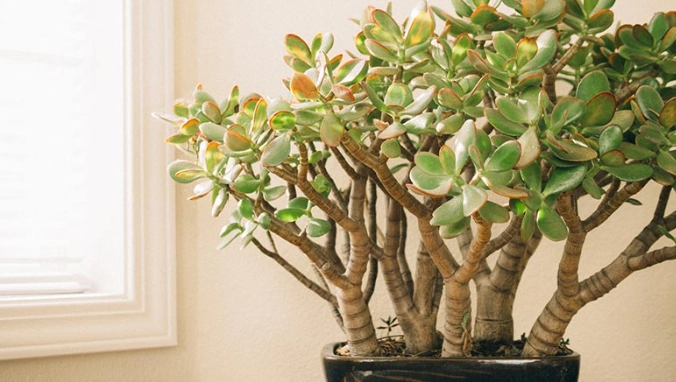
Watering: The Art of Neglect
This is the second biggest killer, right behind poor light. The mantra "soak and dry" is golden for a reason. You want to mimic a desert thunderstorm: a rare, drenching rain followed by a long period of dryness.
Here’s my method, born from many overwatering mistakes. Do not water on a schedule. Throw out the "once a week" idea. Instead, check the soil. For most indoor succulents, you should water only when the soil is completely dry all the way through, and the plant shows slight signs of thirst.
How do you know it's thirsty? The leaves will lose some firmness. They might get a little wrinkly or feel less rigid. A well-watered succulent leaf feels taut, like a grape. A thirsty one feels a bit more like a raisin. It's subtle. For plants like Jade (Crassula ovata), you can gently squeeze a leaf; if it has a little give, it's time.
When it is time, water thoroughly. Take the pot to the sink and pour water evenly over the soil until it streams freely out of the drainage hole. Let it drain completely. Never let the pot sit in a saucer of water. That's a guaranteed ticket to rot city.
Frequency depends on everything: pot size, soil mix, temperature, humidity, and the season. In the warm, bright growing season (spring/summer), you might water every 10-14 days. In the dark, cool winter, it could be once a month or even less. Your plant is basically dormant then.
Factors That Change Watering Needs
| Factor | Effect on Watering | Why It Matters |
|---|---|---|
| Season | Water more in spring/summer; drastically less in fall/winter. | Plant growth slows or stops in low-light, cool periods. |
| Pot Material | Terracotta dries out faster than plastic or ceramic. | Porous clay allows water to evaporate through the walls. |
| Humidity | High humidity = water less often. Low humidity = water slightly more. | Humid air slows soil evaporation; dry air speeds it up. |
| Air Flow | Good circulation helps soil dry evenly and prevents mold. | Stagnant air keeps moisture trapped around the plant. |
I learned the hard way that a succulent in a large, deep ceramic pot in a cool room during winter might not need water for six weeks. You have to observe.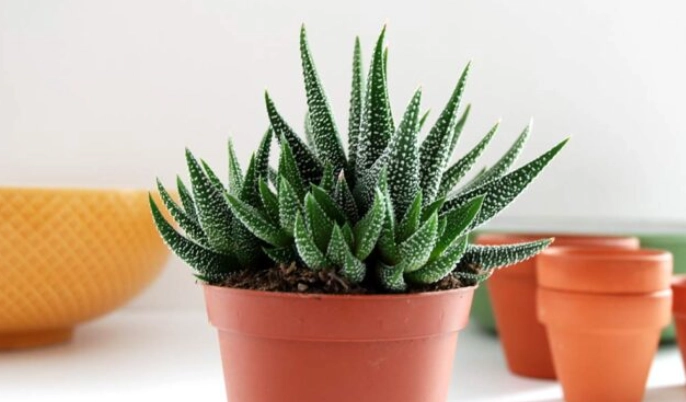
Soil and Pots: Building the Right Home
The commercial potting soil your succulent came in is usually terrible. It's often too dense and organic, holding moisture for way too long. For successful succulent plant care indoor, you need to repot into a fast-draining mix.
A good starting mix is 50% regular potting soil and 50% perlite or pumice. Some people use a cactus/succulent mix from the store as a base and still add extra perlite. The goal is a gritty, loose mix that water flows through quickly. Resources from institutions like the Royal Horticultural Society (RHS) emphasize the critical importance of drainage for succulent health.
Now, the pot. This is non-negotiable: it must have a drainage hole. No exceptions. Decorative cache pots without holes are for decoration only—plant in a nursery pot with holes, and then place that inside the decorative one. When you water, take the inner pot out, water it in the sink, let it drain, and then put it back.
Pot size matters more than you think. The golden rule is to only go up one pot size (about 1-2 inches wider in diameter) when repotting. A small plant in a huge pot is sitting in a vast amount of wet soil it can't use, which stays damp and encourages rot. A snug pot is a safer pot for growing succulents indoors.
Temperature, Humidity, and Airflow
Most common succulents prefer the same temperatures we do: between 60°F and 80°F (15°C - 27°C). They can tolerate higher temps if acclimated. The bigger issue is cold. Avoid placing them in drafty windows in winter where leaves might touch freezing glass.
Humidity is a double-edged sword. Most succulents prefer dry air. High humidity can encourage fungal diseases and make it harder for soil to dry. If you live in a humid climate, extra grit in your soil and excellent airflow are crucial. However, some jungle cacti (like Christmas Cactus) appreciate more humidity.
Airflow. This is an underrated hero. Good air circulation helps soil dry evenly, strengthens stems, and discourages pests and mold. A gentle fan in the room (not blowing directly on the plants) or an occasionally opened window when weather permits makes a big difference.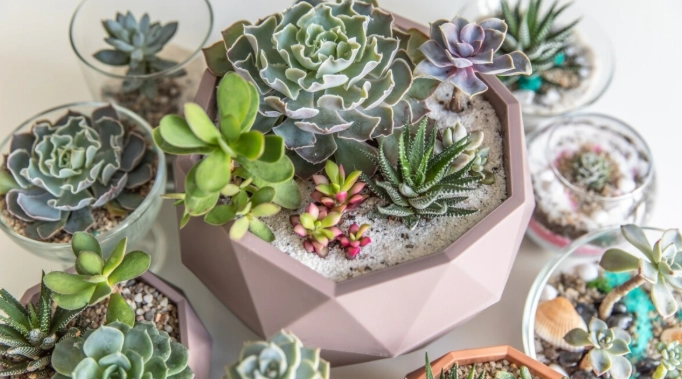
Food and Fertilizer: Less is More
Succulents are not heavy feeders. In fact, over-fertilizing can cause weak, leggy growth or even burn the roots. If you're using a fresh potting mix with fertilizer already in it, you might not need to feed at all for the first year.
If you do fertilize, do it only during the active growing season (spring and summer). Use a balanced, water-soluble fertilizer (look for an NPK ratio like 10-10-10 or 5-5-5) and dilute it to half or even quarter strength. Apply it once a month at most. In fall and winter, stop completely. The University of California's Agriculture and Natural Resources division provides excellent, science-backed guidelines on nutrient management for potted plants that align with this "less is more" approach.
Propagation: Making More Plant Friends
One of the true joys of indoor succulent care is propagation. It feels like magic. The main methods are leaf cuttings, offsets (pups), and stem cuttings.
Leaf Propagation: Gently twist a healthy, plump leaf from the stem. Let the broken end callous over for a few days (this prevents rot). Then, just lay it on top of dry soil. Don't bury it. Mist the soil lightly every few days. Eventually, tiny roots and a rosette will form at the calloused end. This takes weeks to months, so be patient.
Offsets/Pups: Many succulents (like Aloes, Haworthias, Sempervivums) produce baby plants right at their base. Once the pup is about one-third the size of the mother, you can carefully separate it with a clean knife, let it callous, and pot it up.
Stem Cuttings: For leggy plants, you can literally give them a haircut. Cut the top rosette off, leaving a few inches of stem. Let both pieces callous for several days. Plant the stem back in the soil (it will often sprout new heads). Plant the rosette as a new plant once roots form.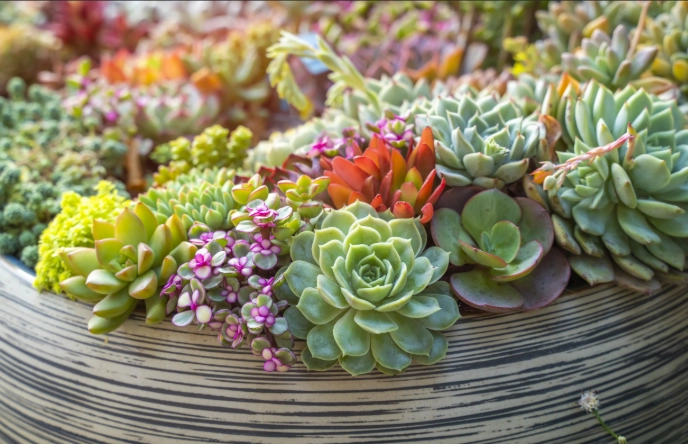
Common Problems and How to Fix Them
Overwatering (Root Rot)
Symptoms: Leaves turn yellow, translucent, and mushy, starting at the bottom. The stem near the soil may turn black or brown and feel soft.
Solution: This is an emergency. Unpot the plant immediately. Remove all soggy, rotten soil and cut away any black, mushy roots or stem with a sterile knife. Let the plant dry out completely for several days, then repot in fresh, dry, gritty mix. Don't water for at least a week. Sometimes, if the rot has traveled up the stem, your only option is to behead the plant above the rot and propagate the healthy top.
Underwatering
Symptoms: Leaves are wrinkled, crispy, and dry. They may drop. The plant looks shriveled.
Solution: Much easier! Give it a thorough soak. It should plump back up within a day or two. If the soil has become hydrophobic (water runs right through without being absorbed), soak the entire pot in a basin of water for 30 minutes.
Pests
- Mealybugs: Look like tiny bits of white cotton in leaf crevices and stems. Dab with a cotton swab dipped in rubbing alcohol. Repeat weekly.
- Fungus Gnats: Tiny black flies that love moist soil. Let the soil dry out deeply between waterings. Use yellow sticky traps.
- Scale: Small, brown, immobile bumps on stems or leaves. Scrape off or use insecticidal soap.
Regular inspection is key. Catching pests early makes them easy to manage. Isolate any new plants for a couple of weeks before placing them near your collection.
Choosing the Right Succulents for Your Space
Not all succulents are created equal for indoor life. Your light situation should dictate your choice. Here’s a quick rundown: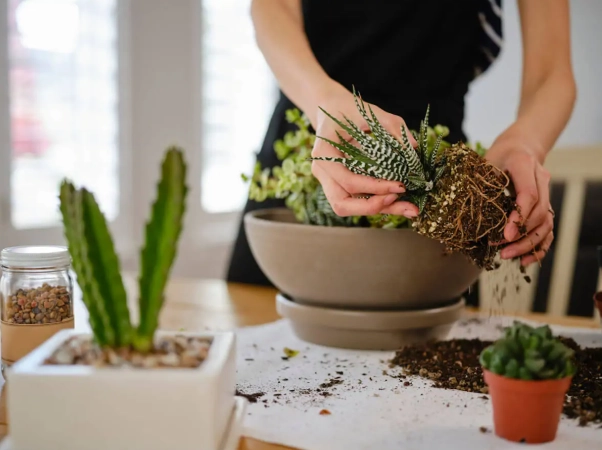
For Bright, Sunny Windows (South/West): Echeveria, Sedum, Graptopetalum, most Cacti, Aloe vera. These will show their best colors and compact form here.
For Medium Light (East/Filtered South): Haworthia, Gasteria, Sansevieria (Snake Plant), Jade Plant (Crassula ovata), some Kalanchoes. These are your workhorses for less-than-ideal light.
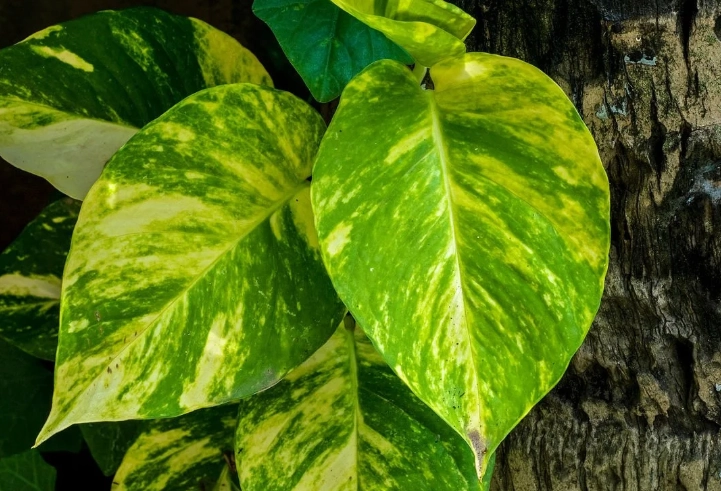
Avoid if You Have Low Light: Don't try to force an Echeveria or a colorful Sedum into a dark corner. It will be a slow, sad decline. Opt for a ZZ plant or a Pothos instead.
So, there you have it. The core of indoor succulent plant care isn't about constant attention; it's about strategic neglect. Give them tons of light, a gritty home, and water only when they're truly thirsty. Pay attention to the signals they give you. That plump little leaf is a reservoir, and the plant knows how to use it. Your job is just to provide the right environment for it to do its thing.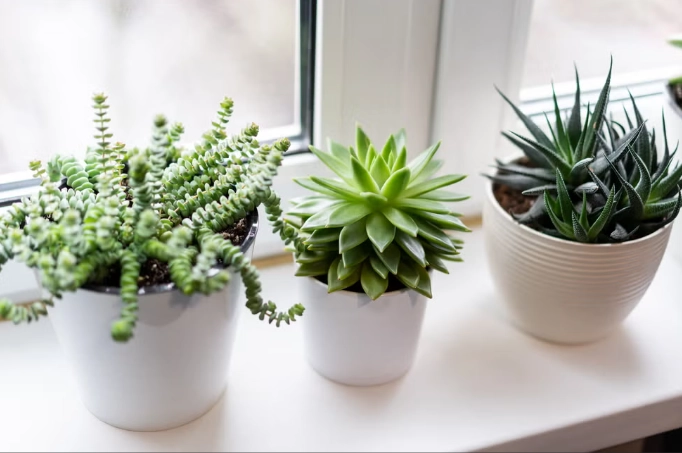
Start with one or two easy varieties, like a Haworthia or a Jade plant. Get the rhythm down. Feel the leaves before and after watering. Watch how it reacts to the light in your space. It's a slow, rewarding hobby. And when you finally see that first flower spike emerge from a plant you've kept happy for years, it's a fantastic feeling. You've successfully brought a piece of the desert into your home.

Comments