Your Plant Journey Map
- Before You Buy: The Three Big Questions
- The Top Contenders: A Breakdown of the Best Large Indoor Plants
- Beyond Survival: How to Make Your Large Indoor Plant Thrive
- Styling with Large Indoor Plants: Making it Look Intentional
- Troubleshooting: What's Wrong With My Plant?
- Your Large Indoor Plant Questions, Answered
- Final Thoughts: Start Simple, Enjoy the Process
So you're thinking about bringing a big, leafy friend into your home? Good call. There's nothing quite like a large indoor plant to change the feel of a room. It's not just decor; it's a living piece of furniture that breathes, grows, and sometimes even tests your patience. But walking into a garden center or scrolling online can be overwhelming. Which one won't die on you? How much light does it really need? Where do you even put it?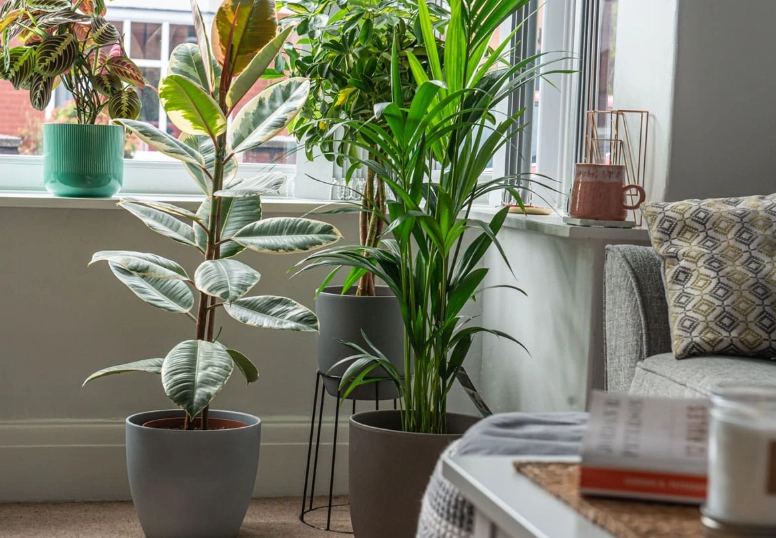
I've killed my share of plants to learn this stuff. My first fiddle leaf fig? A tragic story of overwatering and not enough sun. But over the years, I've figured out what works, what doesn't, and how to keep these gorgeous giants happy without turning plant care into a second job.
This guide is that conversation. We'll walk through everything, from picking the right plant for your specific spot to keeping it alive and making it look fantastic. Forget the confusing jargon. Let's talk about large indoor plants in plain English.
Before You Buy: The Three Big Questions
Jumping straight to "which plant is prettiest" is how you end up with a sad, brown stick in a pot. Pause for a second and answer these questions first. It saves money and heartache.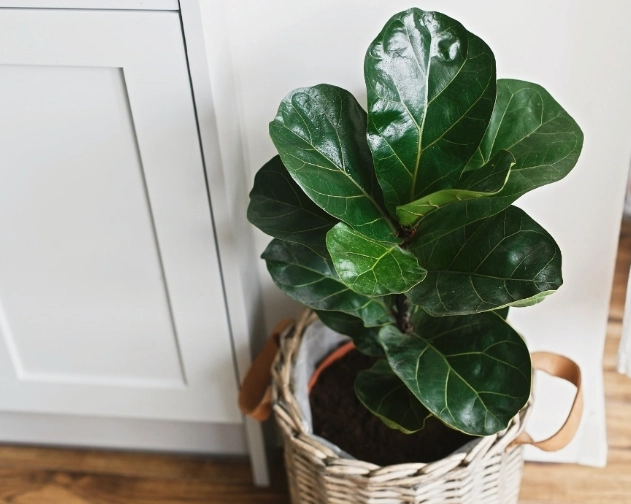
What's Your Space Really Like?
Light is the big one. Be brutally honest. A "bright room" isn't enough.
- Direct Sun (4+ hours): A south or west-facing window where the sun actually beams in and casts sharp shadows. Few large indoor plants love this all day, but some thrive in it.
- Bright, Indirect Light: This is the goldilocks zone. Near a sunny window but not in the direct beam. East-facing windows are perfect, or a few feet back from a south/west window. Most of the popular large indoor plants live here.
- Medium to Low Light: Further back in a room, near a north-facing window, or in a room with smaller windows. Your options shrink, but they don't disappear.
Now, measure. Height, width, floor space. That cute 3-foot plant at the store might be 8 feet tall in two years. Think about the ceiling. And give it room to breathe—crowding plants looks messy and stifles growth.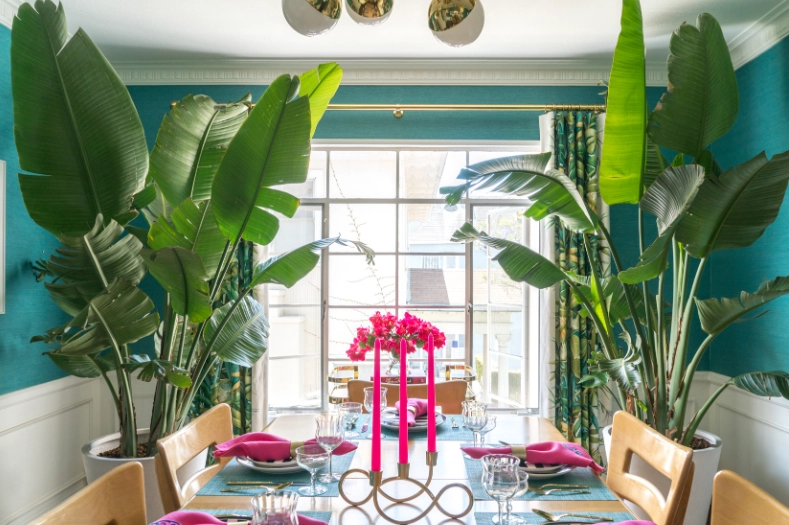
What's Your Plant Personality?
How much effort do you actually want to put in?
- The Forgetful Waterer: You need a plant that whispers "I'm thirsty" by drooping a little, not one that turns to dust if you're a day late. Drought-tolerant is your keyword.
- The Over-enthusiastic Carer: If you love to fuss, get a plant that enjoys humidity and regular feeding. But maybe also get a moisture meter to curb the watering urge.
- The Absolute Beginner: Start with a champion. Something that forgives mistakes and has a reputation for being hard to kill.
I used to be an over-waterer. My peace lily was constantly soggy. It survived, but it taught me that less is often more. Now I check the soil with my finger—it's the oldest trick in the book, and it works.
What's Your Goal?
Aesthetics matter!
- Statement Drama: A tall, architectural plant like a Bird of Paradise or a Fiddle Leaf Fig.
- Lush, Jungle Vibes: Think lots of broad, green leaves. A Monstera or a Rubber Plant.
- Airy and Modern: Something with a sculptural shape or canes, like a Snake Plant or a Kentia Palm.
- Pet/Kid Safe: This is non-negotiable. Many common plants are toxic. Always double-check.
Got your answers? Perfect. Now let's match them to actual plants.
The Top Contenders: A Breakdown of the Best Large Indoor Plants
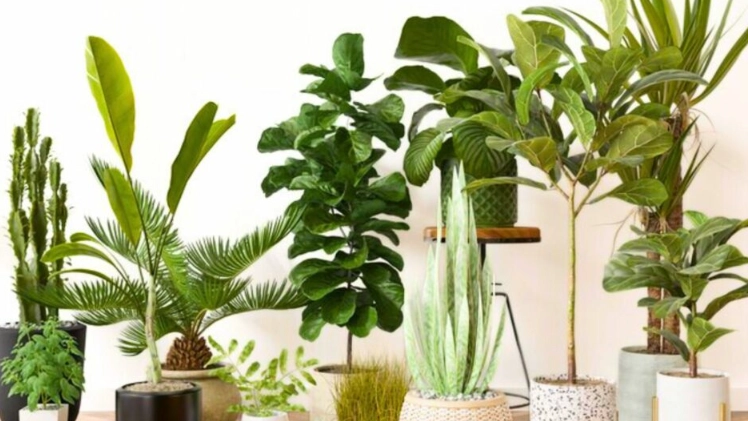
Here’s a quick-reference table to compare some of the most popular and reliable large indoor plants. It’s a starting point to narrow down your search.
| Plant Name | Light Needs | Watering Style | Growth Rate & Max Indoor Size | Best For | Watch Out For |
|---|---|---|---|---|---|
| Snake Plant (Sansevieria) | Low to Bright Indirect | Very Low (Let dry completely) | Slow, 2-8 ft tall | Beginners, low light, forgetful waterers | Overwatering (root rot) |
| Monstera Deliciosa | Medium to Bright Indirect | Moderate (Let top inch dry) | Fast, 6-10 ft tall & wide | Jungle aesthetic, fast growth | Needs support (moss pole), can get leggy in low light |
| Fiddle Leaf Fig (Ficus lyrata) | Very Bright Indirect | Moderate (Consistent moisture) | Medium, 6-10 ft tall | Statement drama, instagram-worthy | Fussy about location, hates drafts, drops leaves if stressed |
| Rubber Plant (Ficus elastica) | Medium to Bright Indirect | Moderate (Let top soil dry) | Medium-Fast, 6-10 ft tall | Easy-going statement, glossy leaves | Sap can be irritating, wipe leaves for shine |
| ZZ Plant (Zamioculcas) | Low to Bright Indirect | Very Low | Slow, 2-5 ft tall | Dark corners, neglect | Toxic if ingested, stores water in rhizomes |
| Bird of Paradise (Strelitzia) | Bright Indirect to Some Direct | Moderate to High in growth season | Fast, 5-7 ft tall (indoor) | Tropical drama, large paddle leaves | Needs space, heavy feeder, may not flower indoors |
| Kentia Palm (Howea forsteriana) | Low to Bright Indirect | Moderate (Keep evenly moist) | Very Slow, 5-10 ft tall | Elegance, tolerance of lower light | Slow to show problems, spider mites |
That table gives you the snapshot. Now, let's dive into a few favorites with some real talk.
The Unkillable Champions (For Real)
If you're nervous, start here. These large indoor plants are famously tolerant.
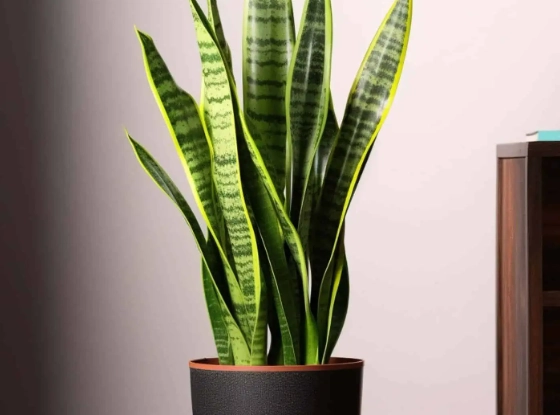
Snake Plant: Honestly, you almost have to try to kill it. It thrives on neglect. Low light? Fine. Forget to water for a month? Probably fine. It's the perfect bedroom or office plant because it also releases oxygen at night (a nice bonus, though don't expect it to purify your entire home's air). The tall, architectural varieties like 'Laurentii' make fantastic modern floor plants.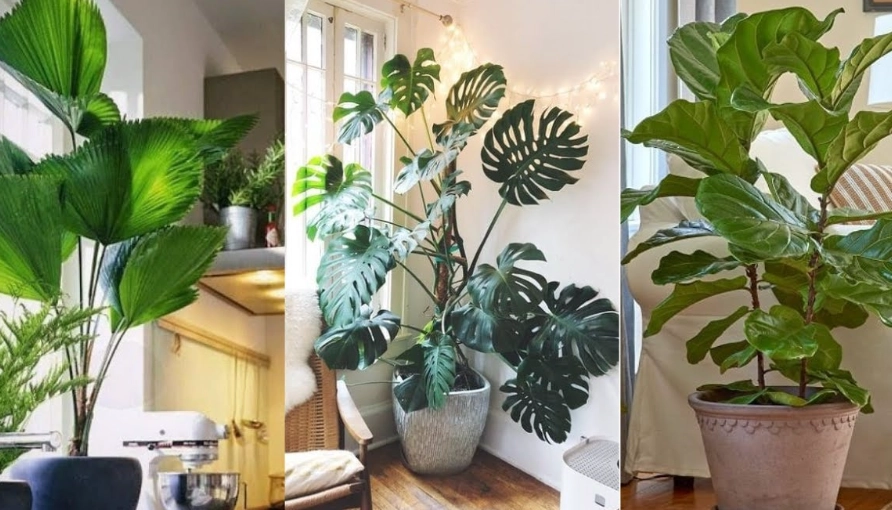
ZZ Plant: Similar story. Those thick stems store water like a camel. It will grow faster with more light, but it will survive in a dark corner where almost nothing else will. The glossy leaves always look polished. A true set-it-and-forget-it option.
Let's be honest.
Sometimes you just need a plant that won't judge you for your two-week vacation. These are them.
The Crowd-Pleasers (With a Few Quirks)
These are popular for a reason—they're stunning. But they come with instructions.
Monstera Deliciosa: The "Swiss Cheese Plant." It's everywhere, and for good reason. Those split leaves are iconic. It's generally easy if you give it enough light (not direct sun) and a moss pole to climb on. Without support, it sprawls awkwardly. It also likes humidity, so if your home is super dry, expect some brown tips. A light misting helps, but a pebble tray is better.
Rubber Plant: My personal favorite for a low-drama statement plant. The burgundy varieties like 'Burgundy' or 'Tineke' are especially gorgeous. It's less fussy than its cousin, the Fiddle Leaf Fig. It tells you what it needs: droopy leaves mean thirst, lots of no-growth means it needs more light. Simple.
Fiddle Leaf Fig: Ah, the diva. It's breathtaking when happy—tall, with huge, glossy leaves. But it's notoriously picky. It hates being moved. It hates drafts. It will drop leaves if you look at it wrong. The key? Find a spot with tons of bright, indirect light (right by an east or filtered south window), water consistently but not too much, and then leave it alone. Don't rotate it frequently. Once you find its happy place, it's actually not that hard.
Beyond Survival: How to Make Your Large Indoor Plant Thrive
Keeping it alive is step one. Making it flourish is the real joy. Here’s the down-and-dirty on care.
Watering: It's Not a Schedule
This is the number one killer. Ditch the "once a week" rule. It changes with the seasons, the plant's growth, your home's temperature.
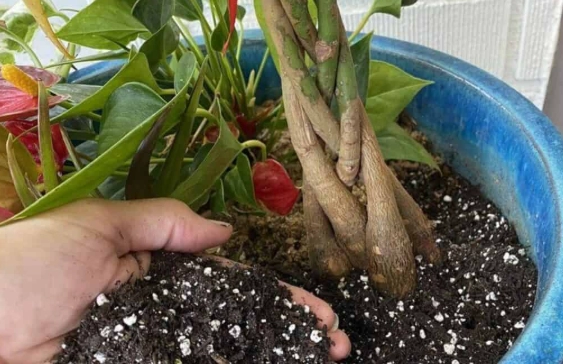
The Finger Test: Stick your finger 1-2 inches into the soil. For most large indoor plants, water only when that soil feels dry. For succulents like Snake Plants, let it dry out completely. For moisture-lovers, water when the top inch is dry.
How to Water Properly: Take the plant to the sink (or use a watering can without a rose). Water slowly and thoroughly until you see water running freely out of the drainage holes. This ensures the entire root ball gets wet. Let it drain completely before putting it back in its decorative pot. Never let it sit in a saucer of water. Root rot is a silent killer.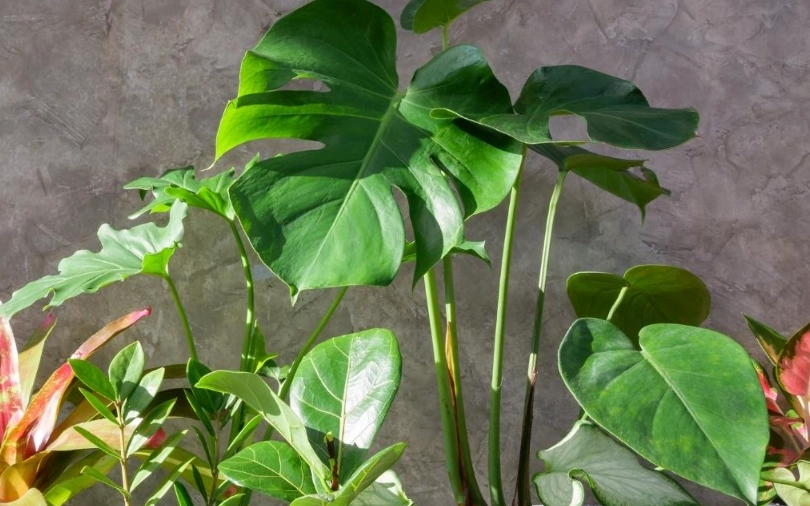
Light: The Energy Source
If watering is the most common mistake, not giving enough light is a close second. A plant in low light will grow slowly, become leggy (stretching for the sun), and be more susceptible to overwatering because it's not using the moisture.
If your plant isn't growing or looks stretched, it's begging for more light. Move it closer to a window. If you have no good light sources, consider a grow light. A simple LED bulb in a desk lamp for a few hours a day can make a world of difference.
Food, Pots, and Cleanliness
Fertilizer: Think of it as vitamins, not food. During the active growing season (spring and summer), use a balanced, water-soluble fertilizer diluted to half-strength about once a month. Stop fertilizing in fall and winter. Over-fertilizing can burn roots and do more harm than good.
Repotting: Don't rush to put a new plant in a huge pot. They like being slightly root-bound. Repot only when you see roots circling the bottom of the pot or growing out of the drainage holes, and only go up 1-2 inches in pot diameter. Always use a pot with drainage holes and a well-draining potting mix (a standard mix with some perlite or orchid bark added is great).
Dusting: Those large leaves collect dust, which blocks sunlight. Wipe them down gently with a damp cloth every month or so. Your plant will literally breathe easier and look shinier.
Styling with Large Indoor Plants: Making it Look Intentional
A great plant in the wrong spot still looks wrong. Here’s how to style them.
- The Corner Anchor: The classic move. A tall plant like a Fiddle Leaf Fig or Palm in an empty corner instantly fills and softens the space. Add a dedicated plant light from above if the corner is dark.
- Framing Furniture: Flank a sofa, bed, or console table with two matching large plants (like Snake Plants or Rubber Plants) for a symmetrical, balanced look that feels designed.
- The Room Divider: Use a line of several large plants in a row (Majesty Palms, Monsteras) to subtly define different areas in an open-plan living space.
- Scale is Everything: In a room with high ceilings, you need a tall plant to match the scale. A small plant will look lost. Conversely, a massive plant in a tiny room can feel oppressive.
- Pot Choice: The pot is the plant's outfit. A simple, neutral pot (terracotta, white ceramic, woven basket) lets the plant be the star. Make sure any decorative outer pot has a drainage hole or use your plastic nursery pot as a liner.
Troubleshooting: What's Wrong With My Plant?
Don't panic when problems arise. Plants communicate.
Yellowing Leaves: Usually overwatering, especially if they're mushy. Could also be a natural process of shedding old leaves (if it's just one or two at the bottom). Check your soil moisture.
Brown, Crispy Leaf Tips: Low humidity, underwatering, or fertilizer burn. Increase humidity with a pebble tray or humidifier, check your watering routine, and flush the soil with water if you suspect salt build-up from fertilizer.
Dropping Leaves: A sudden change (temperature, draft, moving locations) or inconsistent watering. Fiddle Leaf Figs are famous for this. Ensure stable conditions.
Leggy Growth / Small New Leaves: Not enough light. Move the plant closer to a light source.
Pests: Mealybugs (look like tiny white cotton balls), spider mites (fine webbing, leaves look dusty), scale (brown bumps on stems). Isolate the plant immediately. Wipe leaves with insecticidal soap or a mix of water, dish soap, and a little neem oil. Persistence is key.
How do I know if I'm overwatering or underwatering?
Stick your finger in the soil. Soggy, wet soil that smells musty points to overwatering (and potential root rot). Bone-dry, hard, and pulling away from the pot edges points to severe underwatering. The plant may wilt in both cases, but underwatered leaves are typically dry and crispy, while overwatered leaves are often soft and mushy.
Your Large Indoor Plant Questions, Answered
Final Thoughts: Start Simple, Enjoy the Process
The world of large indoor plants is incredibly rewarding. It teaches you patience, observation, and gives you a living, growing piece of art.
My advice? Don't start with the fussiest, most expensive plant you can find. Pick one from the "unkillable" or "crowd-pleaser" list that matches your light. Get to know it. Learn its rhythms. Kill a few leaves—it happens to everyone.
The first new leaf my Monstera put out after I finally got its light right felt like a major victory. That's the fun part.
Use this guide as your reference. Come back to the troubleshooting section. And remember, every expert was once a beginner who just kept a plant alive for one more day. You've got this.

Comments