Your Bromeliad Care Roadmap
- What Exactly Is a Bromeliad, Anyway?
- The Four Pillars of Foolproof Bromeliad Plant Care
- The Bromeliad Bloom: Beauty and the Beast (of Confusion)
- Post-Bloom Care and Propagation: Getting Your Pups Ready
- Troubleshooting Common Bromeliad Problems
- Popular Bromeliad Types and Their Little Quirks
- Your Bromeliad Care Questions, Answered
- Final Thoughts: Embracing the Bromeliad Mindset
Let's talk about bromeliads. You've probably seen them – those striking plants with a fountain of leaves and a crazy-colored bloom in the center that looks like it's from another planet. Maybe you got one as a gift, or you picked one up because it was just too gorgeous to leave at the store. It sat on your table, looking perfect for weeks. Then... things started to go downhill. A brown leaf here, a sad, droopy look there. You watered it, but it didn't seem to help. What gives?
I've been there. My first bromeliad was a stunning pink Guzmania. I treated it like my other houseplants, pouring water into the soil. It was dead within two months. I felt like a plant murderer. Turns out, I was doing it all wrong. Bromeliad plant care isn't hard, but it's different. Once you crack their code, they become some of the most rewarding and low-drama plants you can own.
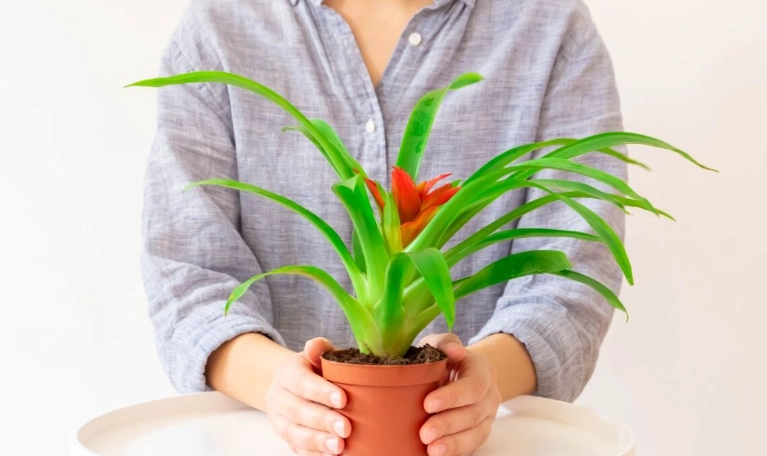 They're not like your ferns or your monsteras. And that's the fun part.
This guide is everything I wish I'd known back then. We're going to move past the basic "water it sometimes" advice and dig into what actually makes these tropical beauties tick. Whether you're a total beginner or you've kept a few alive and want them to truly thrive, you're in the right place. We'll cover light, water (the right way!), what to do after the bloom, and how to tackle those pesky brown tips. Consider this your no-nonsense manual to bromeliad success.
What Exactly Is a Bromeliad, Anyway?
Before we get into the nitty-gritty of bromeliad care, let's understand our subject. Bromeliads are a massive family of plants (Bromeliaceae) with over 3,000 species. They're mostly from Central and South America, thriving in rainforests, mountains, and even deserts. Pineapples are the most famous edible bromeliad! The ones we grow indoors are usually the epiphytic types – meaning in the wild, they grow on trees and rocks, not in the ground. They get their nutrients and water from the air and rain collecting in their central "cup" or "tank."
This epiphytic habit is the single most important thing to remember. It explains why their needs are so unique. Their roots are often more for anchoring than for serious drinking. This changes everything about how we care for them at home.
The Four Pillars of Foolproof Bromeliad Plant Care
Getting bromeliad plant care right boils down to four key elements. Nail these, and your plant will be more than just okay—it'll be spectacular.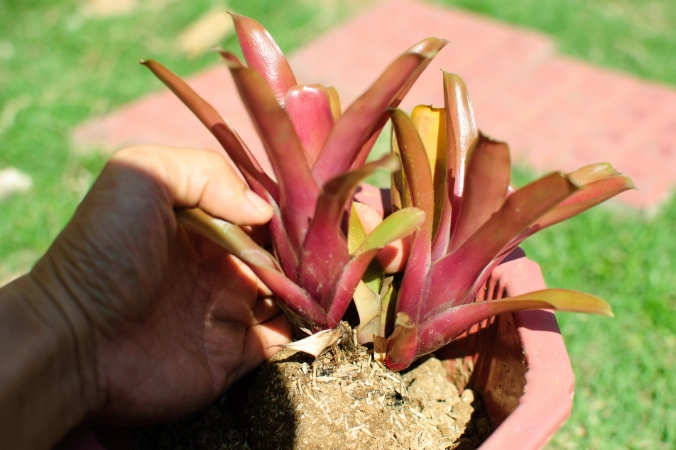
Light: The Bright, Indirect Sweet Spot
Most indoor bromeliads (like Guzmania, Vriesea, Aechmea) want bright, indirect light. Think near an east or west-facing window, or a few feet back from a south-facing one. The leaves should be a vibrant green (or whatever color they're supposed to be).
Some, like Dyckias or Hechtias, can handle more direct sun. But for your standard grocery-store bromeliad, indirect is king. If you only have lower light, a bromeliad might survive for a while, especially while in bloom, but it won't be its best self long-term.
Watering: Forget the Soil, Mind the Cup
This is the part that trips everyone up. You water a bromeliad differently than any other houseplant.
The Central Cup Method: For tank-type bromeliads (the ones with a tight rosette that holds water), your main watering target is the central cup or vase. Keep this cup about 1/4 to 1/2 full of water. Use distilled, rainwater, or filtered water if you can, as tap water minerals can leave deposits and harm the sensitive base. Flush the cup out with fresh water every 1-2 weeks to prevent stagnation and mosquito breeding. Seriously, don't skip the flushing.
What about the soil? The potting medium should be kept lightly moist, but never soggy. Water the soil only when the top inch feels dry. The roots can rot easily if they sit in wet soil. For air plants (Tillandsias), which are also bromeliads, you soak or mist them—they have no soil at all. The Royal Horticultural Society has a great overview of bromeliad diversity that highlights these differences.
Humidity is their friend. They like 40-60%. If your air is dry, group plants together, use a pebble tray, or run a humidifier. You'll notice the leaf tips stay greener.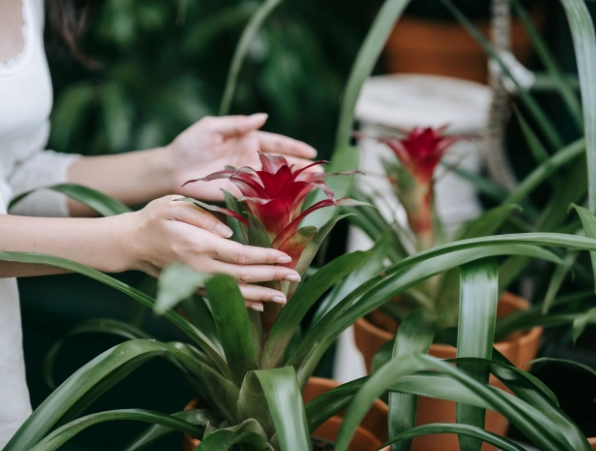
Soil and Potting: It's All About the Drainage
Remember, they're epiphytes. They hate having wet feet. A standard potting soil is a death sentence. You need a mix that is incredibly airy and fast-draining.
A perfect bromeliad potting mix might look like this:
- 50% Orchid bark (chunky, for aeration)
- 30% Coarse perlite
- 20% Coconut coir or peat moss (just a bit for minimal moisture retention)
You can also use a pre-mixed orchid potting medium, and it'll work just fine. The pot is crucial too. Always use a pot with drainage holes. Terracotta is excellent because it wicks away extra moisture. Size-wise, keep it snug. Bromeliads have small root systems and prefer being slightly pot-bound.
Temperature and Feeding: Keeping Them Comfy
They're tropical. They like it warm. Aim for temperatures between 60°F (15°C) and 80°F (27°C). Protect them from drafts, air conditioners, and heating vents. They can tolerate a brief dip into the 50s, but prolonged cold will damage them.
Fertilizing is simple and light. During the growing season (spring and summer), you can use a very weak liquid fertilizer. Here's the trick: put it in the central cup, not the soil. This mimics how they get nutrients in the wild (from decaying matter in their water reservoir). Use 1/4 strength orchid or balanced houseplant fertilizer once a month. In fall and winter, don't fertilize at all.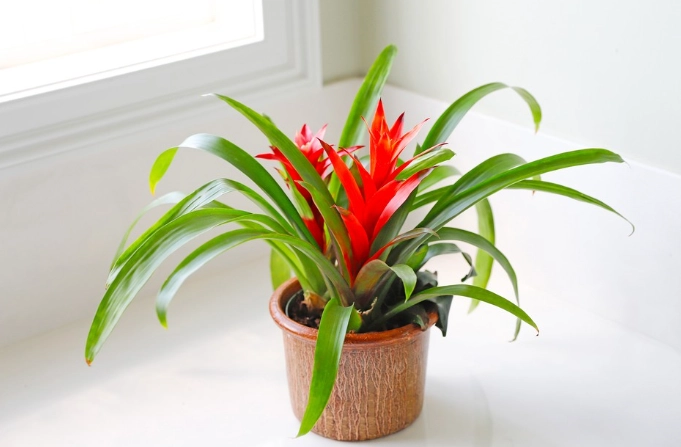
The Bromeliad Bloom: Beauty and the Beast (of Confusion)
That stunning flower spike is why we buy them. But here's the big, slightly sad secret: a bromeliad blooms only once in its life. The bloom can last for an astonishing 3 to 6 months, which is amazing. But once it starts to fade, the mother plant begins a slow process of dying.
As the mother plant's bloom fades, it redirects its energy to producing new baby plants, called "pups" or "offsets." Your job is to keep caring for the mother plant (water, light) while these pups grow. This is the future of your bromeliad family. The University of Florida's IFAS Extension has a detailed publication on bromeliad propagation that confirms this process is perfectly natural.
Post-Bloom Care and Propagation: Getting Your Pups Ready
When the pups are about one-third to one-half the size of the mother plant and have developed their own roots, they're ready to be separated. You'll need a clean, sharp knife.
- Remove the entire plant from its pot.
- Gently separate the pup from the mother plant, cutting as close to the mother as possible. Try to get some roots on the pup.
- Let the pup's cut end callous over for a day.
- Pot the pup in a small container with your fast-draining mix. Care for it as you would an adult plant.
- The mother plant can eventually be composted once it completely dies back.
This cycle means one bromeliad can become many over the years. It's incredibly satisfying.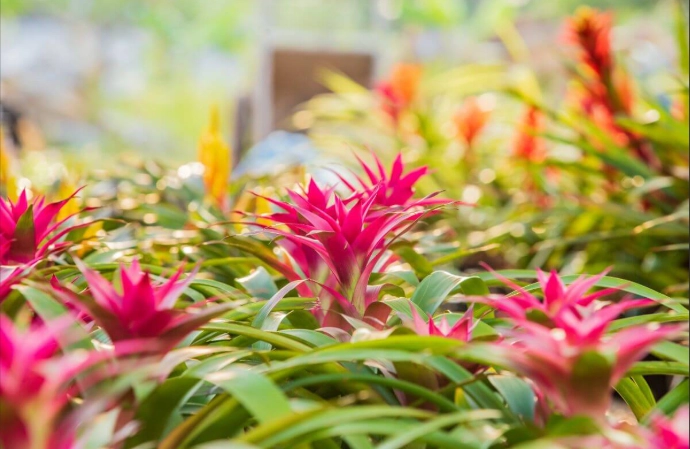
Troubleshooting Common Bromeliad Problems
Even with great care, things can go sideways. Here’s a quick diagnosis table for common bromeliad plant care issues:
| Problem | Likely Cause | How to Fix It |
|---|---|---|
| Brown, crispy leaf tips | Low humidity, minerals in water, or underwatering of the soil. | Use filtered/distilled water, increase humidity, check soil moisture. |
| Soft, mushy base or leaves | Root rot or crown rot from overwatering (soil) or stagnant water in cup. | Stop watering soil, flush cup, improve air circulation. If severe, it may be too late. |
| Faded leaf color or no bloom | Insufficient light. | Move to a brighter location with indirect light. |
| White crusty deposits on leaves/base | Mineral buildup from hard tap water. | Switch to softer water, gently wipe leaves with damp cloth. |
| Plant looks loose in pot, leans | Root rot or poor root development. | Check for rot, repot in fresh, well-draining mix, and stake if needed. |
Popular Bromeliad Types and Their Little Quirks
Not all bromeliads are identical. Knowing your type helps fine-tune your bromeliad plant care.
- Guzmania: The classic. Smooth, strap-like leaves, spectacular long-lasting flower spike. Very tolerant of lower light. Thirsty—keep that cup filled.
- Aechmea: The urn plant. Tough, silvery-gray banded leaves with a pink flower cone. One of the easiest and most forgiving. Can handle slightly brighter light.
- Vriesea: Flaming sword. Has a flat, sword-like flower spike. Beautiful patterned leaves. Similar care to Guzmania.
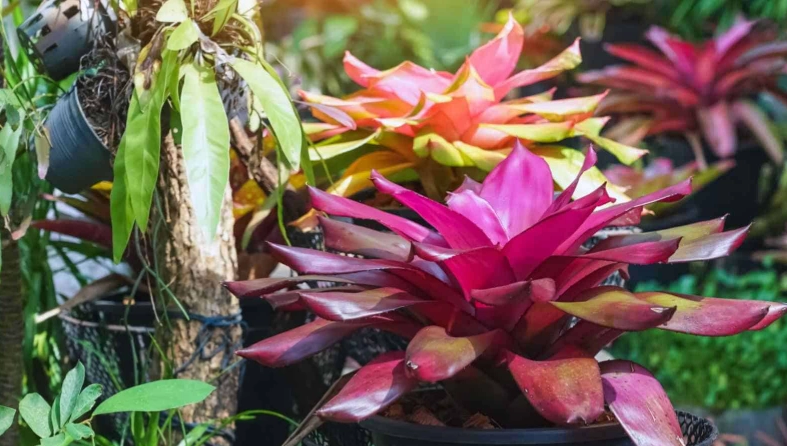
- Neoregelia: The blushing bromeliad. The flower is low in the center, and the inner leaves turn brilliant red, pink, or purple. They love bright light to develop color.
- Tillandsia (Air Plants): The rule-breakers. No soil. Soak weekly, mist in between, need tons of bright light and air flow. The Missouri Botanical Garden's visual guide to Tillandsia is an excellent resource.
Your Bromeliad Care Questions, Answered
Final Thoughts: Embracing the Bromeliad Mindset
Caring for a bromeliad requires a slight shift in thinking. You're not just tending to a pot of dirt; you're recreating a tiny, tropical ecosystem in a cup and some bark. Once you stop fighting their natural instincts and start working with them, it all clicks.
They teach patience (that bloom is a long haul), they teach the cycle of life (mother to pups), and they reward you with architectural beauty that few other houseplants can match. Are they "set it and forget it" plants? No. But they're not finicky divas either. They're just... different. And in a world full of pothos and snake plants, different is good.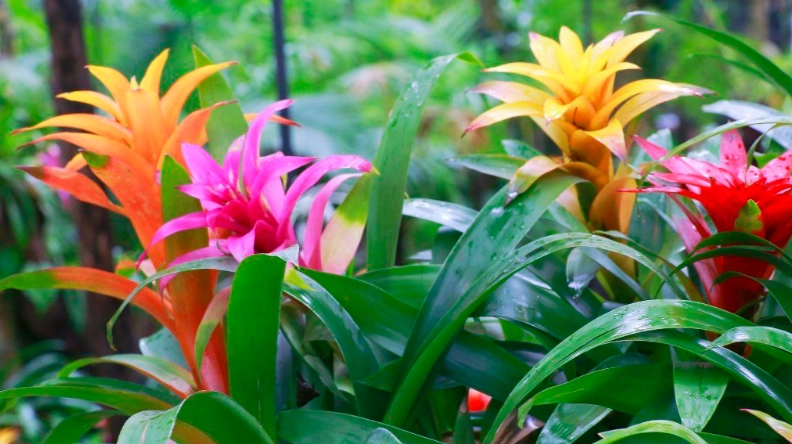
So go check on your bromeliad. Is its cup full of fresh water? Is it getting the right light? You've got this. With the insights from this guide, you're more than equipped to provide excellent bromeliad plant care and enjoy these spectacular plants for years to come.

Comments