Quick Navigation
Let's be honest. You probably bought a cactus thinking it was the one plant you couldn't kill. "Set it and forget it," right? Then, a few months later, you're staring at a mushy, discolored, or shriveled-up prickly ball wondering what went wrong. I've been there. My first cactus, a cute little golden barrel, met a soggy end because of my over-enthusiastic watering can. The truth is, successful cactus maintenance is a delicate balance, not total abandonment. It's about understanding where these incredible plants come from and mimicking those conditions in your home.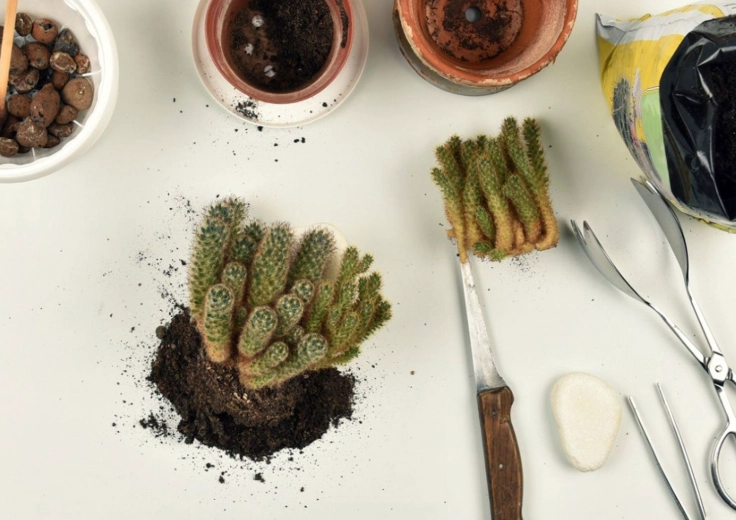
This guide is for anyone who's tired of the guesswork. We're going deep, beyond the generic "bright light and little water" advice. We'll talk about the why behind the what, so you can become a confident cactus caretaker, not just someone who owns one.
The Core Pillars of Cactus Care: Water, Light, and Dirt
Everything in cactus maintenance revolves around these three elements. Get them right, and 90% of your problems vanish.
Watering: The Number One Killer (And How to Avoid It)
Watering. The big one. This is where most cactus dreams go to die. The goal isn't to give your cactus "a little water." The goal is to mimic a desert downpour, followed by a long, bone-dry period.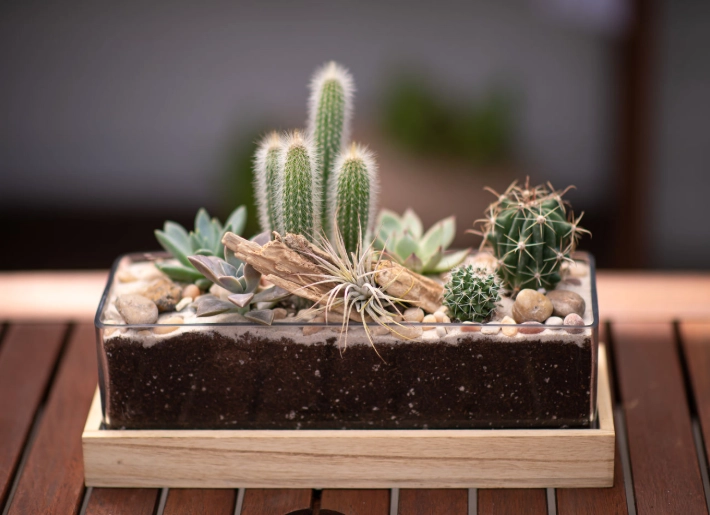
Here’s my method, refined after many mistakes:
- The Finger Test is Your Best Friend: Forget schedules. Stick your finger at least 2 inches into the soil. Is it completely dry? Not just on the surface, but deep down? If yes, proceed. If there's any moisture, walk away from the watering can. I wait until my pot feels suspiciously light.
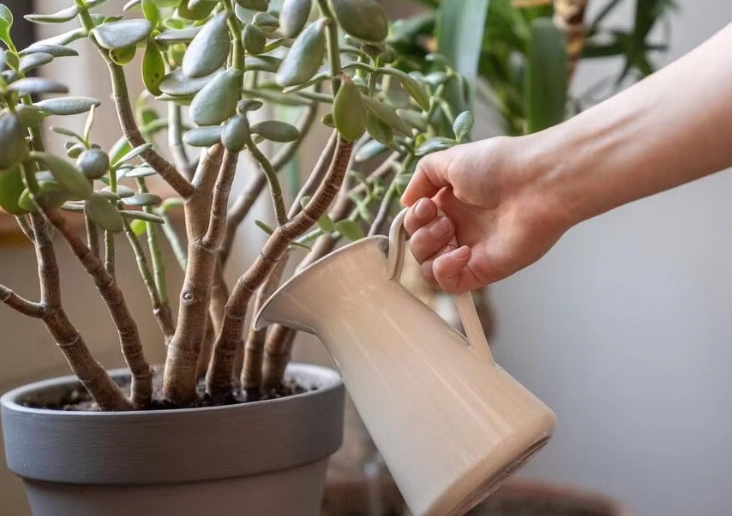
- Soak It, Don't Sprinkle It: When you do water, do it thoroughly. Take the pot to the sink and water until it flows freely out of the drainage holes. This ensures the entire root ball gets moisture. A light sprinkle only wets the top soil and encourages weak, surface roots.
- Seasonal Shifts are Non-Negotiable: Your cactus maintenance routine must change with the seasons. During active growth (spring and summer), you might water every 2-4 weeks, depending on heat and light. In the fall, start stretching that interval. In winter, for most cacti kept indoors, you can often stop watering entirely for 1-2 months. They're dormant! Watering a dormant cactus is like waking a hibernating bear for a snack—it's confusing and unhealthy.
Sunlight: Finding the Sweet Spot
"Bright light" is vague. Most cacti crave direct sun. But there's a catch. A cactus that's been living in a dim store for weeks will scorch if you throw it onto a south-facing windowsill in July. You need to acclimate it.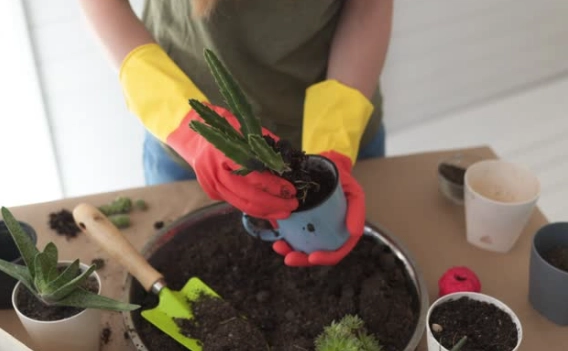
Start with a few hours of morning sun (east-facing window is perfect), then gradually increase exposure over a couple of weeks. Signs you've got it right? Firm, even-colored growth. Signs of trouble?
- Etiolation (Stretching): The plant grows tall, thin, and pale, reaching for more light. It's weak and often irreversible. More sun!
- Sunburn: Yellow or white, dry, crispy patches, usually on the side facing the sun. It's a scar. It won't go green again. Less sun, or acclimate slower.
For indoor cactus maintenance, a south or west window is usually ideal. East works for some. North is almost always a no-go unless you have grow lights.
Soil and Pot: The Foundation of Health
This is the unsung hero of cactus maintenance. Regular potting soil holds too much moisture and will suffocate roots. You need a fast-draining, gritty mix.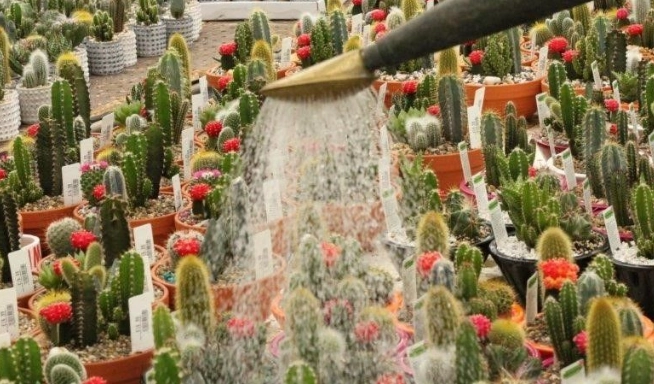
You can buy a good cactus/succulent mix, but I often amend it. I'll mix in extra perlite, coarse sand (horticultural, not beach sand), or pumice to really boost drainage. A good rule of thumb? Your soil should look and feel rocky, not rich and loamy.
The pot matters just as much. Drainage holes are non-negotiable. Terracotta pots are fantastic for beginners because they're porous, allowing the soil to dry out from the sides as well as the top. Plastic pots retain moisture longer, so you need to be even more careful with watering.
Here’s a quick comparison of common soil amendments to help you tailor your mix:
| Material | What It Does | Best For | My Personal Take |
|---|---|---|---|
| Perlite (those white little bits) | Improves aeration and drainage, lightweight. | Almost any mix; great for beginners. | My go-to. Cheap and effective, but it can float to the top over time. |
| Coarse Sand (Horticultural) | Adds weight and improves drainage. | Mimicking desert soil; heavier mixes. | Don't use fine play sand—it turns to concrete. Coarse is key. |
| Pumice | Superior aeration and drainage, doesn't break down. | Premium mixes; plants prone to rot. | More expensive, but my favorite for finicky species. |
| Pine Bark Fines | Adds organic matter that decomposes slowly. | Epiphytic cacti (like Christmas Cactus). | Not for typical desert cacti. Use sparingly if at all. |
Advanced Cactus Maintenance: Repotting and Feeding
Once you've mastered the basics, these steps keep your cactus thriving long-term.
When and How to Repot a Cactus
Don't repot just for fun. Do it when the plant is rootbound (roots circling the bottom, growing out the drainage hole) or the soil has degraded. The best time is at the start of the growing season (spring).
The Safe-Handling Guide:
- Tools: Use thick gloves, folded newspaper, or specialized foam tongs. I've even used kitchen silicone tongs in a pinch.
- Water the plant a few days before repotting so the roots are less brittle.
- Tip the pot sideways and gently coax the plant out. Don't yank.
- Tease away the old soil gently. You can rinse roots if needed, but let them dry completely before repotting.
- Choose a new pot only 1-2 inches wider in diameter. Too big = too much wet soil = root rot.
- Plant at the same depth it was before. Don't bury the green stem.
- Wait to Water: This is crucial. Let the plant sit in its new, dry soil for about a week before you give it the first soak. This allows any damaged roots to callous over and prevents rot.
Fertilizing: Less is More
Cacti are not heavy feeders. In fact, over-fertilizing can cause weak, bloated growth that's prone to damage. If you're using a good, fresh soil mix, you might not need to feed at all the first year.
If you do fertilize, use a balanced, water-soluble fertilizer (like a 10-10-10) but dilute it to half or even a quarter strength. Apply it only during the active growing season (spring/summer), and only once a month at most. In fall and winter, stop completely.
Troubleshooting: Diagnosing Your Cactus's Cry for Help
Even with perfect cactus maintenance, problems can pop up. Here’s how to read the signs.
| Symptom | Likely Cause | What to Do Immediately |
|---|---|---|
| Soft, Mushy Base/Stem (often discolored yellow/brown) | Root Rot from Overwatering | STOP WATERING. Unpot, cut away ALL soft, mushy tissue with a sterile knife. Let the plant dry/callous for several days, then repot in fresh, dry soil. Water only after a week. It's a race against time. |
| Shriveling, Wrinkling (stem feels limp) | Underwatering OR Root Damage (often from rot) | Check the soil. If bone dry, give a thorough soak. If the plant doesn't plump up in a few days, unpot and check for rotten roots (see above). Damaged roots can't take up water. |
| Brown, Scaly Patches on skin | Scale Insects | Isolate the plant. Scrape off visible scales with a toothpick or cotton swab dipped in rubbing alcohol. Repeat weekly. For severe cases, consider a horticultural oil or systemic insecticide. |
| White, Cottony Fluff in crevices | Mealybugs | Quarantine! Dab each bug with a rubbing alcohol-soaked Q-tip. Check neighboring plants. These are a pain. |
| Pale, Stretched Growth on top | Insufficient Light (Etiolation) | Gradually move to a brighter location. The stretched part won't shrink back, but new growth will be compact if light is adequate. |
For reliable information on identifying and managing plant pests and diseases, resources from institutions like the American Horticultural Society or the University-based extension services can be invaluable. They provide science-backed advice that cuts through the online noise.
Cactus Maintenance FAQ: Your Top Questions, Answered
Look, cactus maintenance isn't about having a green thumb. It's about understanding a different set of rules. It's about restraint, observation, and creating an environment that's harsh in the right ways. Ditch the rigid schedule. Get your hands dirty to feel the soil. Pay attention to the subtle changes in your plant's color and firmness.
The joy of keeping cacti comes from watching them thrive on their own terms—slowly, steadily, and with incredible resilience. When you see a new areole sprout or a surprise flower bud emerge, you know you've cracked the code. You're not just keeping a plant alive; you're providing a slice of the desert on your windowsill. And that's a pretty cool thing.

Comments