Quick Guide
- The Big Split: Upright vs. Trailing Rosemary Kinds
- Meet the Major Players: A Handy Guide to Popular Rosemary Varieties
- Choosing Your Champion: What Really Matters Beyond the Name
- How to Keep Your Rosemary Happy (It's Easier Than You Think)
- Answers to the Questions You're Probably Asking
- Final Thoughts: It's About the Right Fit
So you're thinking about growing rosemary. Maybe you saw a tiny plant at the garden center, or a recipe called for a sprig, and it got you curious. You type "rosemary kinds" into a search, and suddenly you're down a rabbit hole. Upright? Trailing? Hardy to what zone? It can feel like a lot.
I remember my first rosemary plant. I bought it because it smelled nice, stuck it in a pot, and watched it turn brown in a matter of weeks. I had no idea I'd chosen a tender variety totally unsuited to my damp, chilly winters. I just thought I had a black thumb.
Turns out, that's a common frustration. The secret isn't just in how you care for it, but in which one you start with. Picking the right rosemary kind for your specific spot—your climate, your space, your cooking style—is the real game-changer. It's the difference between a struggling twig and a thriving, fragrant bush you can harvest from for years.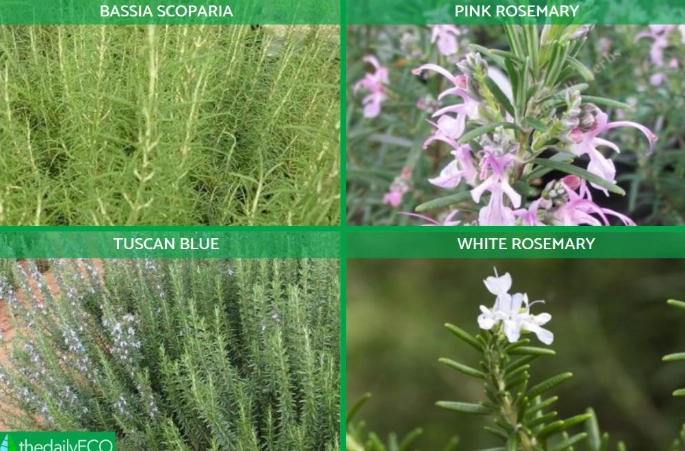
Here's the thing: When people say "rosemary," they're usually talking about Rosmarinus officinalis (though botanists recently reclassified some, but let's not get lost in the weeds). Within that one species, gardeners and growers have selected and nurtured dozens of distinct varieties, or rosemary kinds, each with its own personality. Some are tough as nails, others are culinary stars, and a few are just pretty to look at.
The Big Split: Upright vs. Trailing Rosemary Kinds
Before we dive into names, let's sort them by how they grow. This is the first, most obvious choice you'll make.
Upright Rosemary Kinds: These are your classic, shrubby rosemary plants. They grow upwards and outwards, forming a dense, bushy shape. Think of the stereotypical rosemary plant—this is it. They're fantastic for hedging, as a standalone garden shrub, or in a large container. Most of the famous culinary varieties fall into this group. They tend to have stiffer, more upright stems.
Trailing or Prostrate Rosemary Kinds: These are the sprawlers. Their stems grow long and tend to cascade downwards rather than up. They're absolutely perfect for hanging baskets, spilling over the edges of raised beds or stone walls, or as a fragrant ground cover in hot, dry areas. Their flavor is just as good, but their growth habit opens up entirely different uses in the garden.
Which one calls to you? The formal chef's herb, or the relaxed, cascading beauty?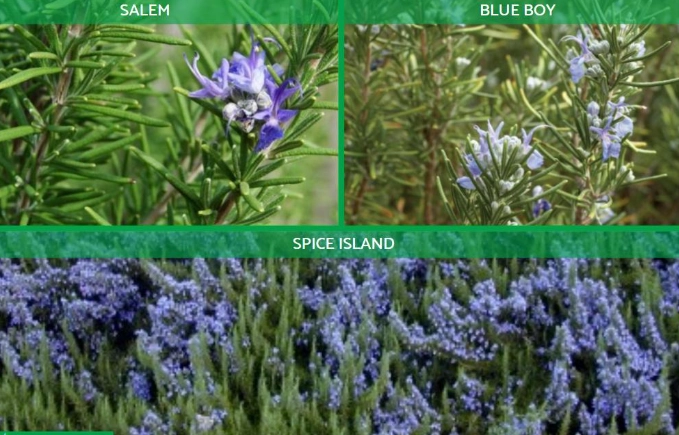
Meet the Major Players: A Handy Guide to Popular Rosemary Varieties
Alright, let's get to the names and faces. This table should help you compare some of the most common and sought-after rosemary kinds at a glance. I've grown most of these myself, so I'll toss in my two cents where it matters.
| Variety Name | Growth Habit | Key Features & Best Uses | Hardiness (USDA Zones) | My Personal Take |
|---|---|---|---|---|
| Tuscan Blue | Upright | Widely considered a top culinary rosemary. Has broad, dark green leaves, deep blue flowers, and a strong, classic flavor. Grows very straight and tall. | 8-10 | The flavor is excellent, really robust. But it's not the hardiest. In zone 7b, mine needs a very protected spot or it gets winter damage. |
| Arp | Upright | The champion of cold tolerance. Named for Arp, Texas. Lighter green, needle-like leaves and pale blue flowers. Flavor is good, but often grown more for its survivability. | 6-10 | This is the one that finally survived my winters! The flavor is a bit milder than Tuscan Blue, but you can't argue with a plant that actually lives. |
| Barbecue | Upright | Grows incredibly straight, stiff stems that are perfect for skewering meats and veggies for grilling. A fun, practical variety for cooks. | 8-10 | It does exactly what it says on the tin. The stems are like sturdy little skewers. More of a novelty for me, but grill masters love it. |
| Prostratus (Creeping Rosemary) | Trailing | The classic trailing variety. Forms a low mat that can spread several feet. Bright blue flowers in season. Great for erosion control on slopes. | 8-10 | Beautiful in a stone wall. Grows fast and fills in space nicely. Just make sure you have room for it to roam. |
| Blue Lagoon | Semi-Trailing | A newer variety with a dense, mounding habit that eventually spills over. Famous for its spectacular, vibrant blue blooms that cover the plant. | 8-10 | Probably the showiest rosemary I've grown. The flower display is insane. More of an ornamental star, but still usable in cooking. |
| Gorizia | Upright | A large, robust variety with very broad, almost succulent-like leaves. Has a sweet, piney scent and flavor. Makes a substantial landscape shrub. | 8-10 | Feels different from other rosemary kinds. The leaves are almost juicy. It has a unique, milder flavor that's great infused in oils. |
| Salem | Upright | Selected for cold tolerance, similar to Arp. Compact grower with dark green foliage and blue flowers. Good all-around choice for cooler areas. | 6-9 | A solid, reliable performer if you're on the edge of its hardiness range. Doesn't get as huge as some, which is nice for smaller gardens. |
| Spice Islands | Upright | A premium culinary selection known for exceptionally high oil content and intense flavor. Preferred by many chefs and herb farms. | 8-10 | If you're serious about cooking, seek this one out. The aroma when you brush past it is incredible. Pot it up and bring it indoors if you have cold winters. |
See? Already you can start to match a plant to a need. Need a hardy survivor? Arp. Have a hot, dry slope? Prostratus. Want the best flavor for your roast chicken? Spice Islands or Tuscan Blue.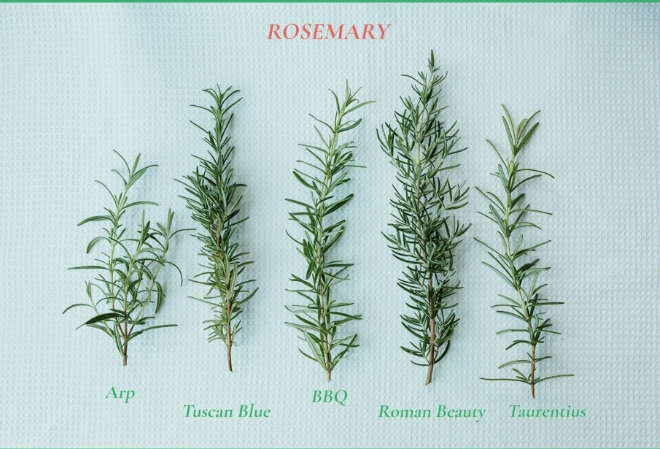
A quick story: I planted 'Barbecue' right next to my patio grill, thinking it was genius. It was, until it grew so big it blocked the path to the gas tank. Lesson learned—even useful rosemary kinds need a thoughtful spot!
Choosing Your Champion: What Really Matters Beyond the Name
The name is just the start. When you're actually holding a plant or reading a catalog description, here's what you should be eyeballing.
Climate and Hardiness is Everything
This is the big one, the mistake I made. Most rosemary kinds originate from the Mediterranean. They love sun, heat, and well-drained, almost gritty soil. What they universally despise is "wet feet," especially in cold weather. Root rot is a silent killer.
The USDA Hardiness Zone is your best guide, but treat it as a guideline, not a guarantee. A plant rated for zone 7 might thrive in a warm, sheltered, well-drained zone 7 microclimate but perish in a wet, windy one. If you're in a colder zone (like 6 or even 5), your options are limited to the toughest cultivars like Arp and Salem, and you must provide perfect drainage and maybe even winter protection. The USDA Plant Hardiness Zone Map is the official resource to check your zone.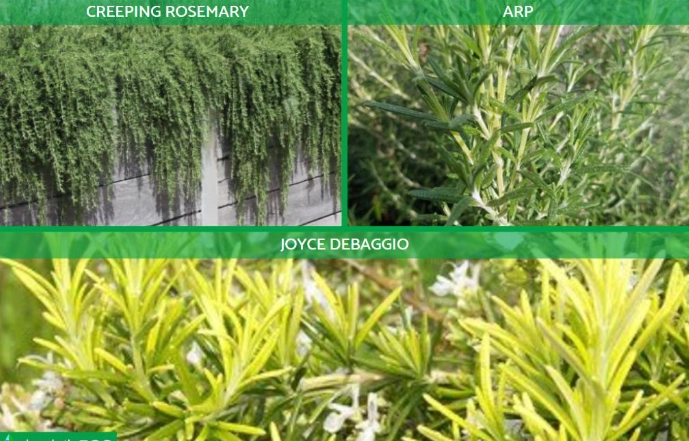
Pro Tip for Marginal Climates: Growing rosemary in a container is a brilliant workaround. You can control the soil mix perfectly (add extra perlite or grit!) and move it to a sheltered garage or porch during the worst winter wet or cold snaps. Many of the more tender, flavorful rosemary kinds become viable options with this strategy.
Flavor and Culinary Use
Yes, they all taste like rosemary, but there are nuances. Some, like Spice Islands, are notoriously potent. Others, like Gorizia, are milder and sweeter. Most general-purpose upright kinds like Tuscan Blue offer that balanced, classic flavor profile that works in 95% of recipes.
If you're an avid cook, seeking out a known culinary variety is worth it. The oil content and flavor complexity are often noticeably better. For the occasional user, any healthy, aromatic plant will do the job just fine.
Size and Space in Your Garden
Don't just think about the little 4-inch pot you buy. Some rosemary kinds, like a mature Gorizia, can become a beast—4 feet tall and 6 feet wide or more. Others, like Salem, stay more compact. The trailing kinds don't get tall, but they can spread aggressively. Always check the mature dimensions and give it room to breathe. Good air circulation prevents fungal issues.
How to Keep Your Rosemary Happy (It's Easier Than You Think)
Once you've picked the right rosemary kind for your place, the care is pretty straightforward. They're not fussy if their basic needs are met.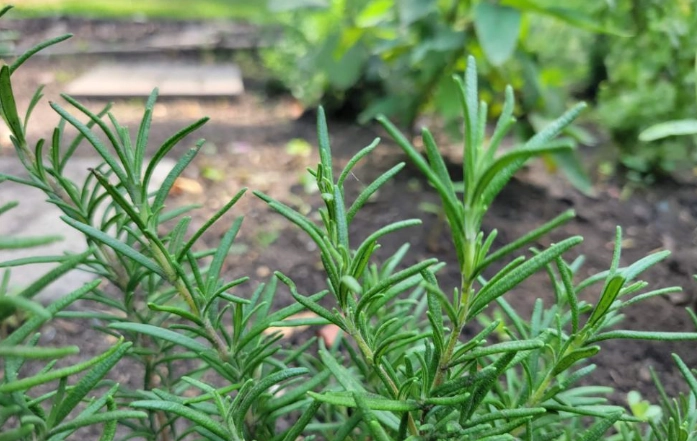
Sun: Full sun. Non-negotiable. At least 6-8 hours of direct sun. More is better.
Soil: Think "fast-draining." Sandy or gravelly soil is ideal. If you have heavy clay, you must amend it heavily with compost and coarse sand or grit, or better yet, build a raised bed. For pots, use a quality potting mix and add a handful of perlite or pumice.
Water: Water deeply but infrequently. Let the soil dry out quite a bit between waterings. Stick your finger in the soil—if it's damp an inch down, wait. In winter, cut back watering significantly. Overwatering is the #1 cause of death.
Feeding: They're not heavy feeders. A light application of a balanced, organic fertilizer in early spring is plenty. Too much fertilizer leads to soft, weak growth and less flavor.
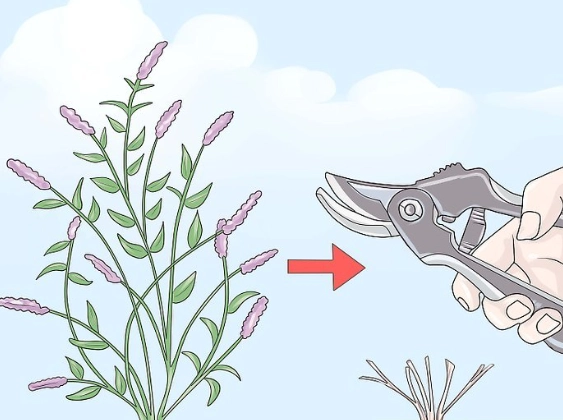
Pruning: This is key for a bushy, attractive plant. Don't just pluck the tips. Use sharp shears to actually shape it, cutting back into the woody stems by a few inches after flowering or in early spring. Regular harvesting for the kitchen doubles as pruning! Never cut back into bare, leafless wood—it often won't regrow from there.
Answers to the Questions You're Probably Asking
Can I grow rosemary from seed?
You can, but I don't recommend it for most home gardeners. Rosemary seeds have notoriously low and slow germination. It takes forever, and the resulting plant is a genetic lottery—it won't be a true copy of a named variety like 'Arp' or 'Tuscan Blue'. For true-to-type plants with the characteristics you want (like cold hardiness or specific flavor), you want a plant grown from a cutting or division. It's faster and reliable. The University of Minnesota Extension has a great guide on starting herbs, and they confirm that rosemary is best from cuttings.
What's the absolute hardiest rosemary?
Hands down, Arp consistently gets the crown. Salem, Madalene Hill, and Athens Blue Spire are also frequently mentioned in the "cold-tolerant rosemary kinds" conversation. But remember, hardiness isn't just about temperature—it's about surviving winter *wetness*. Good drainage is just as important as the thermometer reading.
I have a small balcony. Which rosemary kind is best?
Container gardening is perfect for rosemary. For small spaces, look for more compact upright varieties like Salem or Blue Boy. Or, go for the beautiful cascading effect of a trailing kind like Prostratus or Blue Lagoon in a hanging basket. Just make sure the pot is deep enough (at least 12 inches) and has excellent drainage holes.
Why did my rosemary die over the winter?
Join the club. It's almost never the cold air alone that kills them. It's the combination of cold *and* wet soil. The roots rot. Or, a late frost hits the new, tender spring growth. This is why choosing a hardy variety and ensuring brutal, perfect drainage is the holy grail of rosemary success in cooler climates.
Are all rosemary kinds edible?
Generally, yes. All cultivars of Rosmarinus officinalis are considered edible and non-toxic. However, some are bred specifically for ornamental qualities (like extra-showy flowers) and may not have the best flavor. They won't hurt you, but they might not make your stew taste amazing. For cooking, stick to varieties known for their culinary merit.
Final Thoughts: It's About the Right Fit
Looking at all these rosemary kinds, it's easy to get overwhelmed. My advice? Simplify it.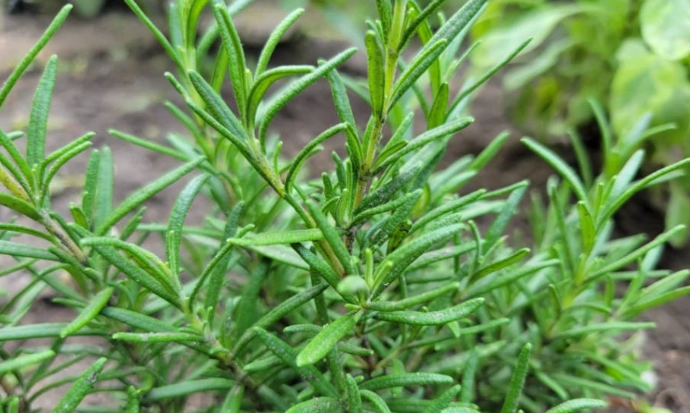
First, be brutally honest about your climate. That will immediately narrow the field. Then, decide on the form—do you want a shrub or a spiller? Finally, think about your primary use: a kitchen workhorse, a hardy landscape plant, or a decorative showpiece.
There is no single "best" rosemary. There's only the best rosemary *for you and your garden*. The incredible diversity of rosemary kinds is a gift, not a complication. It means there's almost certainly one out there that will thrive in your corner of the world and bring you years of fragrance, flavor, and beauty.
Start with one. Learn its quirks. Maybe you'll kill it—I've killed my share. But when you find that perfect match, the one that shrugs off your winters and provides endless sprigs for your roasting pan, it feels like a real gardening victory. And honestly, that first successful harvest of your own homegrown rosemary? It tastes better than anything you can buy.
Go find your perfect rosemary match.
Comments