Your bromeliad's stunning flower has finally faded, and now you notice these little green shoots popping up around the base. Don't panic, and definitely don't throw the plant away. Those are bromeliad pups, and they're your ticket to free new plants. This is the single most important phase in a bromeliad's life cycle for a home grower. Getting the separation and propagation right means you'll never have to buy another bromeliad again. Let's get straight into how you turn those promising offsets into independent, thriving plants.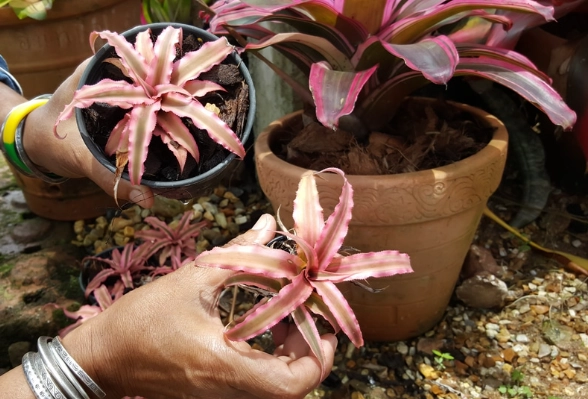
What's Inside This Guide
What Are Bromeliad Pups and Why Do They Form?
Think of a bromeliad pup as the plant's legacy plan. Most common bromeliads like Guzmanias, Aechmeas, and Neoregelias are monocarpic. That's a fancy botanical term meaning they flower once, then die. It sounds harsh, but it's just their natural lifecycle. The main plant, often called the mother, puts all its energy into that spectacular bloom. Once the show is over, its final act is to produce these offsets—the pups.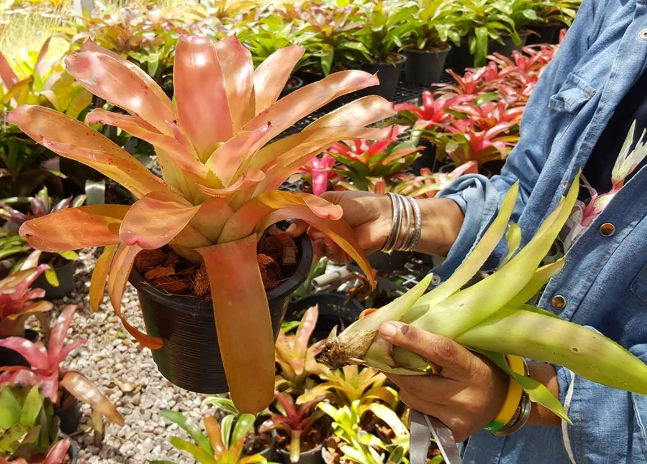
These pups are genetic clones, not seeds. They grow from nodes at the base of the mother plant. In the wild, this ensures the colony survives as the original plant declines. In your living room, it means you get a perfect copy of the plant you already love, for free. The mother plant will gradually brown and wither over several months, channeling its remaining resources to the pups. Your job is to guide that transition.
Key Point: The mother plant's decline is normal and necessary. Don't try to "save" it with extra fertilizer or repotting. Your focus should shift entirely to nurturing the pups.
How to Identify Bromeliad Pups Ready for Separation
Patience is the hardest part here. Separating a pup too early is the number one reason propagation fails. The pup needs to be mature enough to sustain itself without the mother's support. So, when is the right time?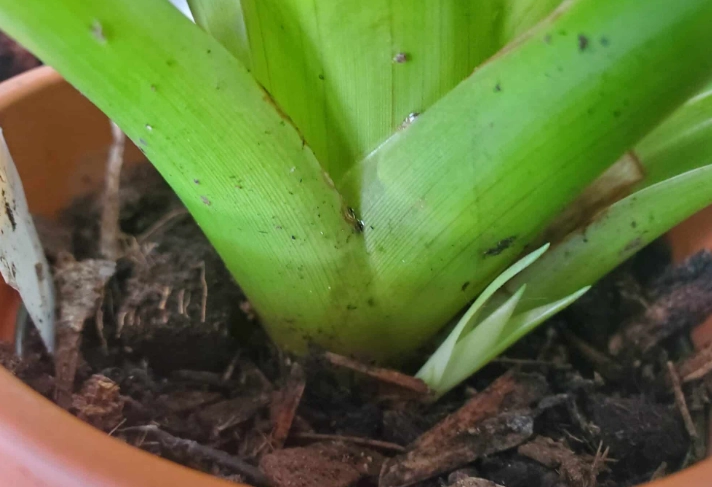
Forget simple rules like "wait 6 months." The size of the pup relative to the mother is what matters. A good, reliable indicator is when the pup reaches about one-third to one-half the size of the mother plant. Look at the overall volume of leaves, not just height.
Here are the specific checkpoints I use before I even think about grabbing my knife:
- Size: As above, 1/3 to 1/2 the mother's size.
- Root Development: This is critical and often overlooked. Gently brush away the top layer of soil or potting mix around the base of the pup. You should see several roots of its own, at least an inch or two long, and they should look firm and white or light brown, not mushy. A pup with no roots is not ready.
- Leaf Formation: The pup should have a well-defined central "cup" or vase shape (for tank-type bromeliads) and several layers of leaves. It should look like a miniature version of the adult plant, not just a few straggly leaves.
I've seen many guides say you can separate pups with no roots and they'll just grow them later. In my experience, that drastically increases the chance of rot or failure. A pup with its own roots has a fighting chance. One without is a gamble.
The Waiting Game: Caring for Pups Before Separation
While you wait for the pup to mature, keep caring for the entire plant normally. Keep the central cup (if your brom type has one) filled with fresh water. Provide bright, indirect light. The mother is still providing nutrients and stability. This period can last 4 to 12 months, depending on the bromeliad species and your growing conditions. Just watch and wait.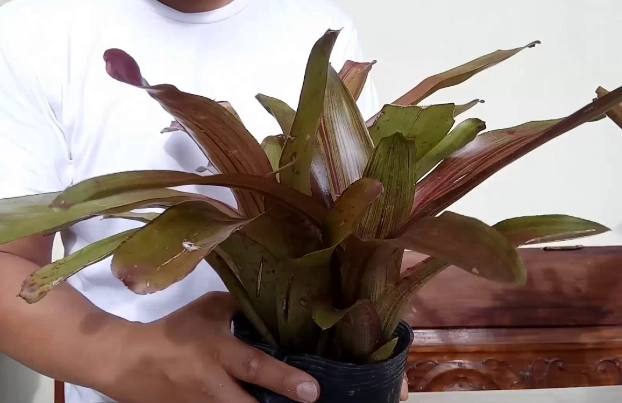
A Step-by-Step Guide to Separating Bromeliad Pups
Alright, your pup meets the criteria. It's go time. Here’s the exact process I follow, refined after a few messy early attempts.
You'll Need: A sharp, sterilized knife (rubbing alcohol works), a clean work surface, fresh bromeliad or orchid potting mix, small pots with drainage holes, and optionally, some rooting hormone powder (not essential, but can help).
- Unpot the Family: Gently remove the entire plant cluster (mother and all pups) from its pot. Do this when the soil is slightly dry to make handling easier. Shake off the old potting mix so you can clearly see where the pup connects to the mother.
- Locate the Junction: Find the point where the pup's base joins the mother plant. It's often a narrow, woody-looking stem. Your goal is to cut through this stem, ensuring you get as many of the pup's roots as possible.
- The Cut: With your sterilized knife, make a clean, downward cut as close to the mother plant as possible without damaging the pup's core. If you see roots growing from the pup's side into the air, try to angle the cut to include them. A clean cut is better than a ragged tear.
- Inspect and Trim: Look at the cut surface on the pup. If it's very large or stringy, you can trim it slightly to a cleaner surface. Some people dust this cut with rooting hormone or cinnamon (a natural fungicide) to prevent rot. I often skip this if the cut is clean and the plant is healthy, but it doesn't hurt.
- Handle the Mother: You can now repot the mother plant if you wish. It may produce more pups before it completely dies. Alternatively, you can compost it—its job is done.
Pro Tip I Learned the Hard Way: If the connection between pup and mother is very broad and they seem fused, sometimes it's better to cut out a small section of the mother plant attached to the pup. It gives the pup more stability and tissue to draw from. It feels wrong, but it works.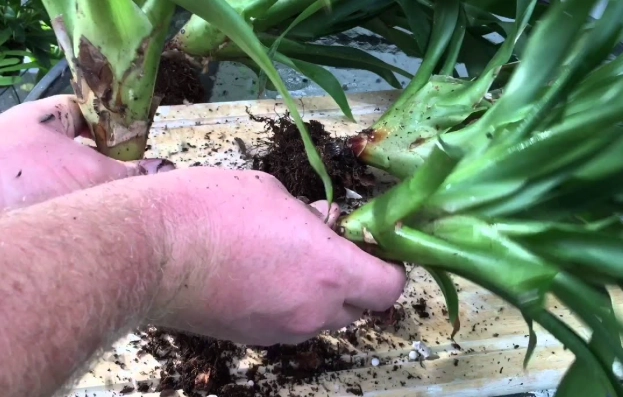
How to Pot and Care for Your New Bromeliad Pups
Now for the fun part—giving your pup its first home. Bromeliads are epiphytes in nature (they grow on trees, not in soil), so their roots are primarily for anchorage, not heavy nutrient and water uptake. This dictates everything about their potting needs.
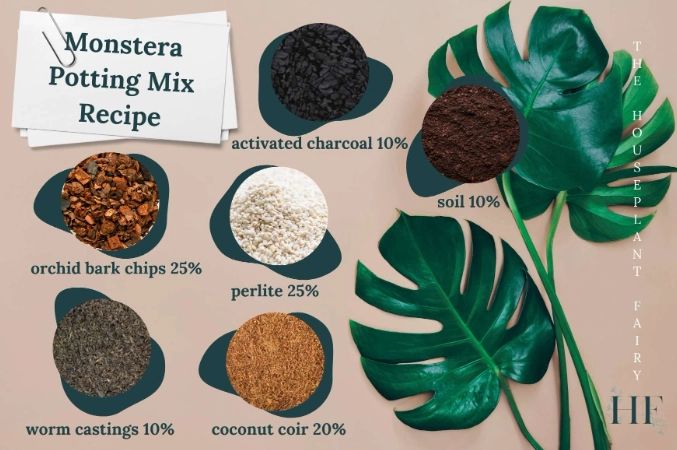
Potting Mix is Non-Negotiable: Do not use regular potting soil. It stays too wet and will suffocate and rot the roots. You need a fast-draining, chunky mix. A commercial orchid bark mix (medium grade) is perfect. You can also make your own with equal parts orchid bark, perlite, and a tiny bit of peat or coco coir for minimal moisture retention.
Potting Steps:
- Choose a small pot, just big enough to hold the pup's root ball with a little room to grow. Terracotta is great because it breathes.
- Place a layer of mix in the bottom. Hold the pup in the center so its base is level with the rim of the pot.
- Gently fill around the roots with your mix. Don't pack it down hard—just tap the pot to settle it. The goal is to hold the plant upright, not strangle it.
- Do not bury the base of the leaves. The very bottom of the stem can be in the mix, but the leafy part should be completely above it.
The First Critical Weeks of Care:
| Aspect | Initial Care (First 4-8 Weeks) | Long-Term Care (Once Established) |
|---|---|---|
| Watering | Keep the potting mix lightly moist, not soggy. Mist the base and leaves frequently. If your pup has a cup, put only a tiny bit of water in it and change it every few days. | Let the mix dry almost completely between waterings. Keep the central cup 1/4 full with fresh water (change weekly). |
| Light | Bright, indirect light. No direct sun, which can scorch it while it's stressed. | Bright, indirect light. Some morning sun is often appreciated. |
| Fertilizer | None. Let it focus on root growth. | Diluted liquid fertilizer (1/4 strength) applied to the potting mix or misted on leaves monthly during spring/summer. You can add a tiny bit to the cup water. |
| Humidity | High humidity is very helpful. Use a humidity tray or frequent misting. | Appreciates humidity but is more tolerant once established. |
The biggest shift in thinking? You're not growing a root system to feed the plant like a philodendron. You're providing a stable anchor in an airy environment. Most failures come from overwatering the mix, not underwatering.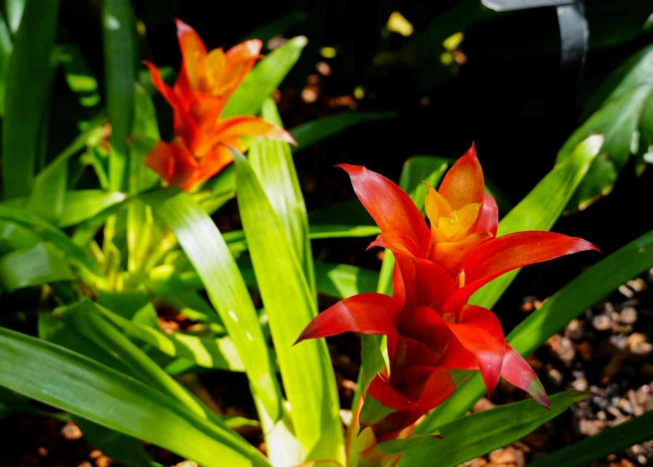
Common Bromeliad Pup Problems and Solutions
Even with the best care, things can go sideways. Here’s how to troubleshoot.
The pup is wilting or leaves turning brown at the base. Classic overwatering or rot. Stop watering the mix immediately. Unpot the plant, check for mushy, black roots, and cut them away. Let the base dry out for a day, then repot in fresh, dry mix. Don't water for a week, just mist.
The pup isn't growing or looks stunted. Likely not enough light. Move it to a brighter location (still no harsh sun). Also, check if it's getting too cold—bromeliads dislike temperatures below 55°F (13°C).
The center leaves are turning brown or black. You might be letting water sit in the cup for too long, or fertilizer has built up and burned it. Dump the cup, flush it with clean water, and refill with fresh water. Only keep the cup 1/4 full for young pups.
No sign of a flower after years. This is normal. A pup can take 2-5 years to mature enough to flower. To encourage flowering, you can try the "apple method": place the plant in a clear plastic bag with a ripe apple for 7-10 days. The ethylene gas the apple gives off can trigger blooming. It doesn't always work, but it's a fun trick.
Your Bromeliad Pup Questions Answered
My bromeliad pup has no roots, can I still separate it?
You can try, but the odds are against you. I strongly advise waiting. A rootless pup is like a cutting with a massive top and no base—it dehydrates easily and has no way to take up water. If you must separate it (e.g., the mother is rotting), treat it like a large cutting. Pot it in barely moist sphagnum moss or perlite, enclose it in a plastic bag for humidity, and provide warm, bright light. Expect a high failure rate.
How many pups will one bromeliad produce?
It varies wildly by species and the health of the mother. A typical Guzmania or Aechmea might produce 2-4 viable pups. Some Neoregelias can produce a dozen or more offsets, creating a dense clump. Don't be disappointed if you only get one or two; that's common.
Can I just leave the pups attached to the mother plant?
Absolutely. This creates a natural "clump." It looks fantastic, especially with bromeliads like Neoregelia that spread laterally. The downside is that the clump will eventually become crowded, competing for light and resources in the pot. Some of the inner pups may be stunted. I prefer separating at least a few to control their growth and spread them around.
What's the one mistake you see beginners make most often with bromeliad pups?
Two mistakes tie for first place. First, separating way too early out of excitement. Second, and this is huge, using a standard potting soil that stays wet for days. That mix will rot the pup's base before it even has a chance. If you remember nothing else, remember: chunky orchid bark, small pot, water sparingly at the roots.


Comments