Let's cut to the chase: repotting your money tree isn't just about giving it a bigger home. It's a critical reset for its health, a chance to refresh depleted soil, and your best defense against the silent killer—root rot. Get it right, and your Pachira aquatica will reward you with vigorous growth and lush, green leaves for years. Get it wrong, and you might be nursing a stressed, declining plant. I've repotted dozens of these over the years, and the difference between a thriving and a struggling tree often comes down to a few key details most guides gloss over.
What You'll Learn in This Guide
- The 5 Clear Signs Your Money Tree Needs a New Pot
- Picking the Perfect Time: It's Not Just Spring
- Your Repotting Toolkit: What You Really Need
- The Step-by-Step Repotting Process
- The 3 Most Common Repotting Mistakes (And How to Avoid Them)
- Critical Aftercare: The First 4 Weeks
- Your Money Tree Repotting Questions, Answered
How to Know When Your Money Tree Needs a New Pot
Don't repot on a calendar schedule. Repot based on what the plant tells you. Here are the undeniable signals.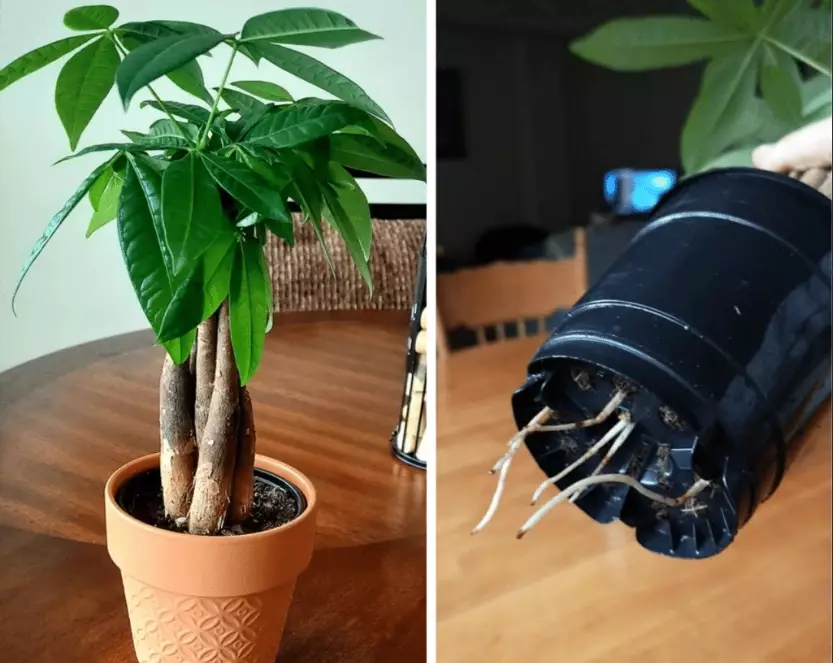
Roots are escaping. This is the most obvious one. If you see roots poking out of the drainage holes or creeping over the top of the soil, it's definitely time. But here's a pro tip: sometimes the roots are so dense they form a solid mat at the bottom, blocking drainage long before they visibly escape. If water takes forever to drain, gently tip the plant out and check.
It's top-heavy and unstable. A mature money tree can get big. If it's constantly leaning or threatening to topple over, the root ball has likely outgrown its container, making the base too small to support the canopy.
Water runs straight through. When you water, does it immediately pour out the bottom without the soil seeming to absorb much? This means the root mass has taken up most of the space, leaving little soil to hold moisture and nutrients.
Slowed or stunted growth. During the growing season (spring/summer), if your money tree seems to have hit a wall despite proper light and feeding, it may be root-bound.
Salt and mineral buildup. A white, crusty layer on the soil surface or the pot's rim is a sign of accumulated salts from fertilizer and tap water. This can alter soil pH and harm roots. Repotting with fresh soil is the cure.
Quick Check: If you're unsure, gently slide the plant out of its pot. If the roots are circling tightly around the outside of the root ball with little soil visible, it's root-bound. If they look loose and there's plenty of soil, you can probably wait another season.
The Best Time to Repot Your Money Tree
Late spring to early summer is the golden window. The plant is entering its most active growth phase, which gives it the energy to quickly recover from the transplant shock and establish new roots in the fresh soil.
But what if you missed the window? I've successfully repotted in early fall when I've spotted urgent issues like early root rot. The key is to provide extra stable conditions (consistent warmth, no drafts) afterward. Avoid winter repotting unless it's an emergency—the plant is semi-dormant and will struggle to recover.
Gathering Your Supplies: The Right Tools Matter
You don't need fancy gear, but using the right stuff makes the job easier and safer for the plant.
| Item | What to Look For & Why | My Personal Recommendation/Brand Note |
|---|---|---|
| New Pot | Only 1-2 inches larger in diameter than the current one. Must have drainage holes. Terracotta is great for breathability; glazed ceramic is fine if you're careful with watering. | Avoid pots that are dramatically taller than they are wide—money tree roots spread more than they plunge deep. |
| Potting Mix | Well-draining is non-negotiable. Aroid mix, cactus/succulent blend, or a general potting soil amended with perlite and orchid bark. | I mix my own: 2 parts regular potting soil, 1 part perlite, 1 part orchid bark. This creates the chunky, airy texture money tree roots love. |
| Pruning Shears/Scissors | Clean and sharp. You'll use these for roots and possibly stems. | Wipe blades with isopropyl alcohol before and after to prevent spreading disease. |
| Gloves | Optional, but keeps hands clean. | -- |
| Newspaper/Tarp | To contain the mess. | -- |
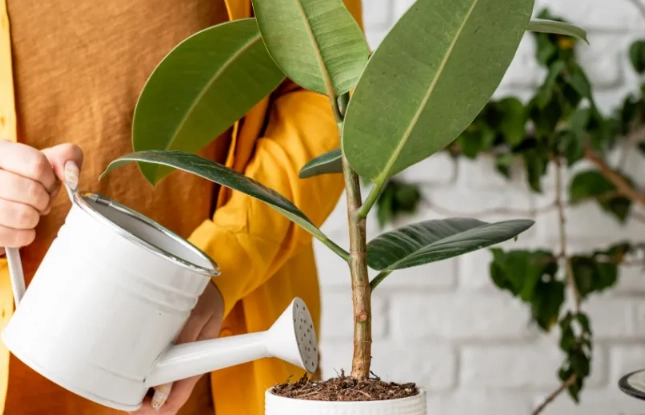
| Watering Can | With a narrow spout for gentle watering. | -- |
The Biggest Soil Mistake: Using dense, moisture-retentive garden soil or standard indoor mix straight from the bag. Money trees are prone to root rot in soggy conditions. That bagged soil often holds too much water. You must improve drainage. The Royal Horticultural Society emphasizes good drainage for container plants to prevent waterlogging.
The Step-by-Step Repotting Process
Alright, let's get our hands dirty. Follow this sequence.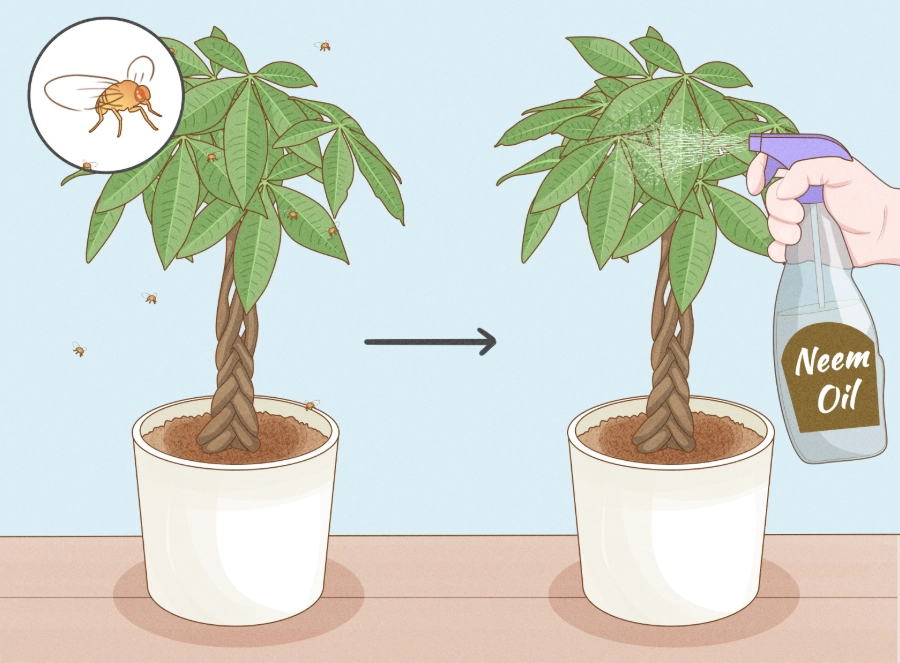
Step 1: Preparation (The Day Before)
Water your money tree thoroughly about 24 hours before repotting. A hydrated plant handles stress better, and moist soil holds the root ball together, making it easier to remove.
Step 2: Remove the Plant from Its Old Pot
Lay the plant on its side. Gently squeeze the flexible pot or tap the sides and bottom of a rigid pot to loosen the root ball. Support the base of the stems with one hand and gently pull the pot away with the other. Never yank the plant by its trunk.
Step 3: Inspect and Prune the Roots (The Most Important Step)
This is where you play doctor. Gently loosen the outer roots with your fingers. Shake off some of the old soil so you can see clearly.
Look for: Healthy roots are firm and can be white, tan, or light brown. Unhealthy roots are mushy, dark brown or black, and often smell bad. These are rotten and must go.
Using your clean shears, snip away any rotten or dead roots. Don't be shy—it's better to remove all the diseased material. You can also lightly trim any extremely long, circling roots to encourage new growth outward. If the root ball is very tight, make a few vertical slices about an inch deep around the sides to stimulate new root growth.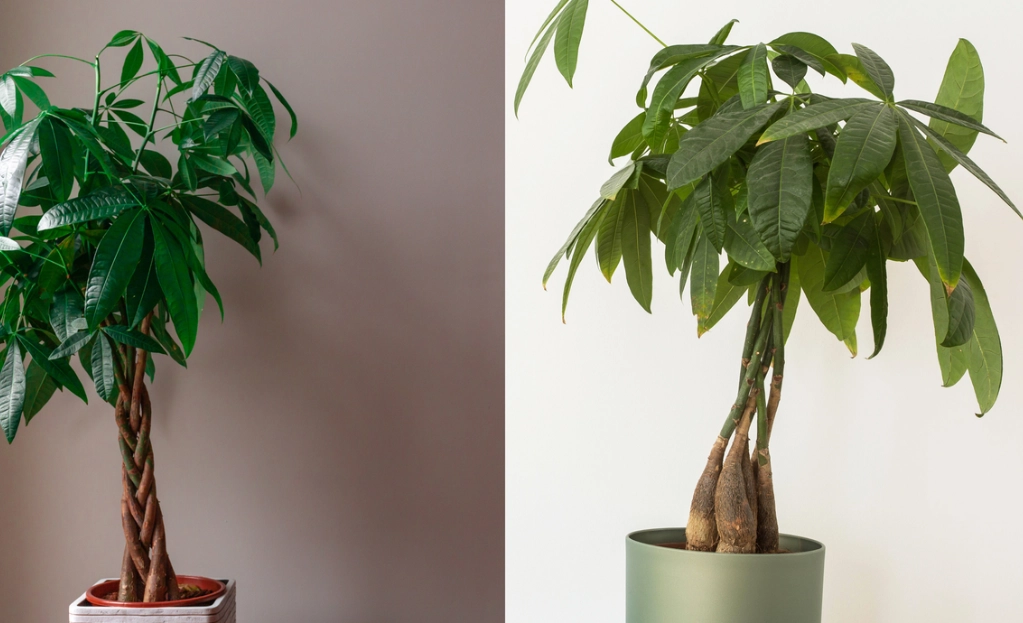
Step 4: Prepare the New Pot
Place a piece of broken pottery, a mesh screen, or a coffee filter over the drainage hole to keep soil from washing out. Add a 1-2 inch layer of fresh potting mix to the bottom.
Step 5: Position and Fill
Place your money tree in the center. The top of the old root ball should sit about an inch below the pot's rim to leave room for watering. Add fresh mix around the sides, gently tamping it down with your fingers to eliminate large air pockets. Don't pack it like cement—just firm enough to support the plant.
Step 6: The First Water (Settle-In Shower)
Water slowly and thoroughly until water runs freely from the drainage holes. This settles the soil around the roots. You might need to add a bit more soil after this if it settles too much.
Post-Repotting Rule #1: Place the repotted plant in a spot with bright, indirect light. Avoid direct sun for the first week or two while it's recovering. Hold off on fertilizing for at least 4-6 weeks—the fresh soil has nutrients, and fertilizer can burn tender new roots.
Common Repotting Mistakes You Must Avoid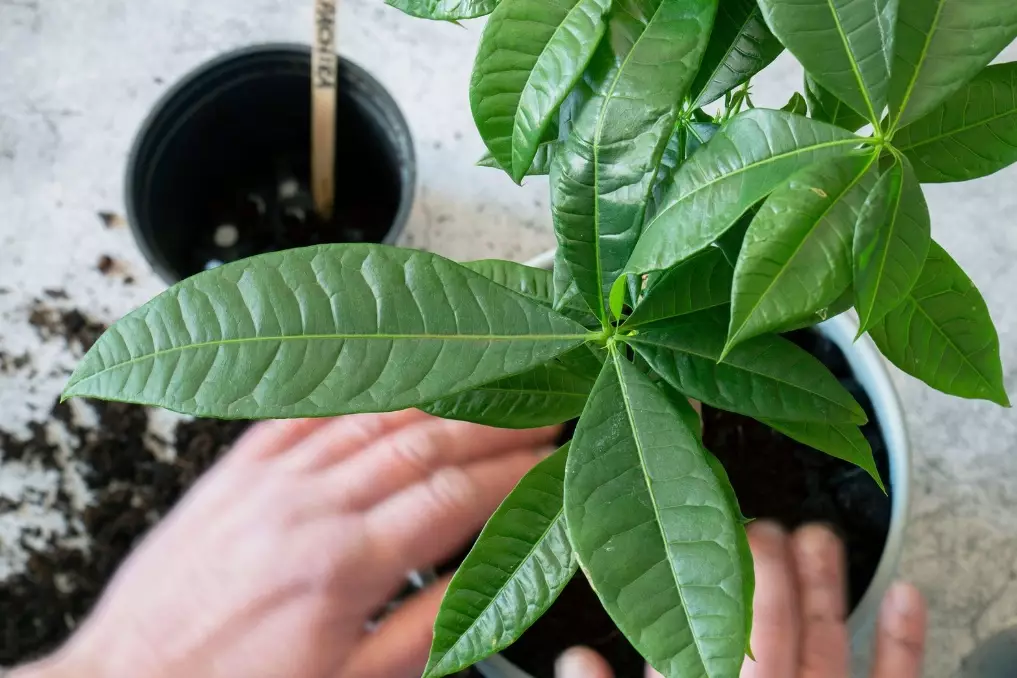
I've seen these over and over.
Oversizing the pot. The urge to "give it room to grow" is strong. Resist it. A pot that's too large holds excess soil that stays wet for too long, creating a perfect environment for root rot. Stick to the 1-2 inch rule.
Using the wrong soil. We covered this, but it's worth repeating. Heavy, non-draining soil is the fastest way to kill a newly repotted money tree.
Watering on a schedule immediately after. Your plant is in shock. Check the soil with your finger. The top 1-2 inches should be dry before you water again. This might take longer than you think. Overwatering in the first few weeks is a top killer.
Aftercare: What to Expect in the First Month
Don't panic if your money tree looks a little sad or drops a few leaves after repotting. This is transplant shock. It's normal.
Week 1-2: Maintain consistent moisture (not wetness) and keep it in stable, warm conditions away from drafts or heaters. No fertilizer.
Week 3-4: You should see signs of new growth—a small leaf bud, a slight perkiness in the stems. This means the roots are establishing. You can resume a normal care routine, still being cautious with water.
If leaves continue to yellow or drop significantly after a month, revisit your watering habits and light conditions.
Frequently Asked Questions About Repotting Money Trees
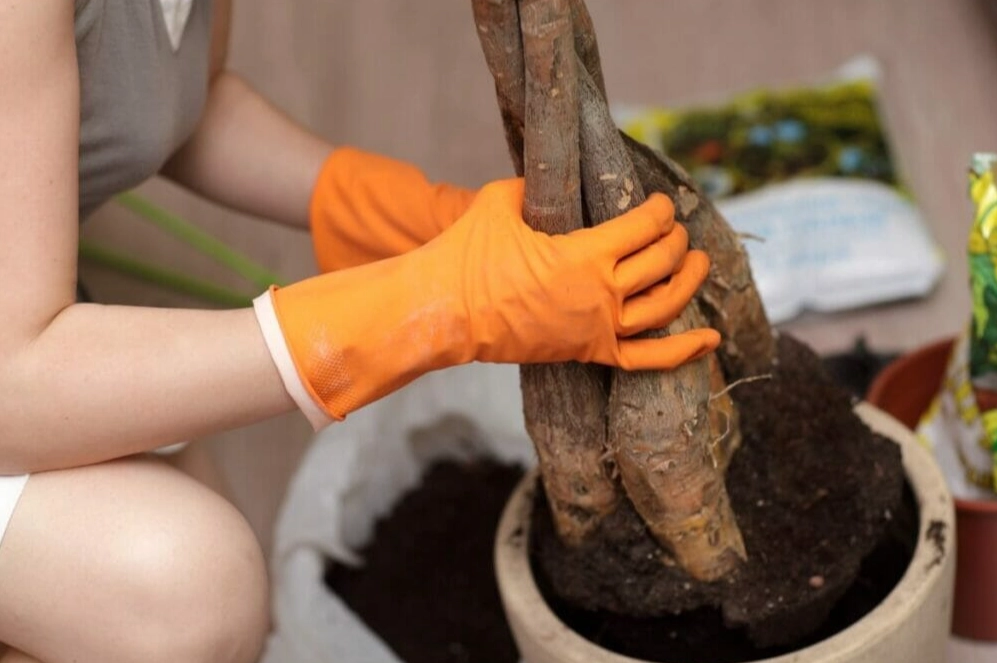 Can I use regular garden soil from my backyard?
Comments