What You'll Find Inside
I remember buying my first hoya kerii a few years back. It was a cute little heart-shaped leaf in a small pot, sold as a "lucky heart" plant. I thought it would be easy—just water it now and then, right? Wrong. That plant almost died on me because I treated it like any other houseplant. Turns out, hoya kerii has its own quirks, and if you ignore them, you'll end up with a sad, droopy leaf that never grows. But don't worry, I've learned the hard way so you don't have to. This guide is everything I wish I knew back then, packed with tips from a decade of growing hoyas.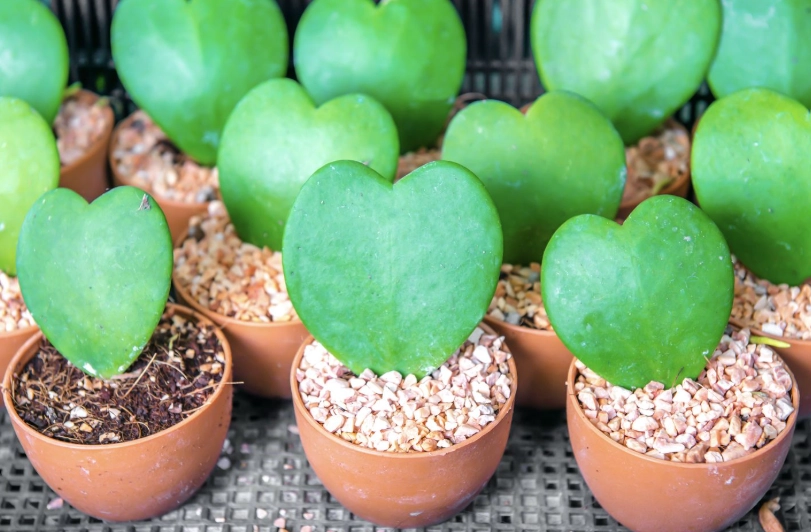
Hoya kerii, often called the sweetheart plant or heart-leaf hoya, is a tropical succulent native to Southeast Asia. It's famous for its thick, waxy leaves that resemble hearts, making it a popular gift. But here's the thing: many people buy it as a novelty and then struggle to keep it alive. That's because it's not your average pothos or snake plant. It demands specific care, especially when it comes to light and water. In the first 100 words, let me stress this: hoya kerii thrives on neglect in some areas but needs attention in others. Get that balance right, and you'll have a plant that grows slowly but steadily, even producing clusters of fragrant star-shaped flowers if you're lucky.
What is Hoya Kerii? More Than Just a Pretty Leaf
Hoya kerii is part of the Apocynaceae family, related to milkweeds. It's an epiphyte in the wild, meaning it grows on other plants without harming them, often in shaded forest canopies. That explains a lot about its care needs—think bright but indirect light, and airy soil. The leaves are succulent, storing water, which is why overwatering is a killer. Most hoya kerii plants sold are single-leaf cuttings rooted in soil, but they can grow into vines with multiple leaves if given time and proper conditions. I've seen some that stretch over three feet long in ideal setups.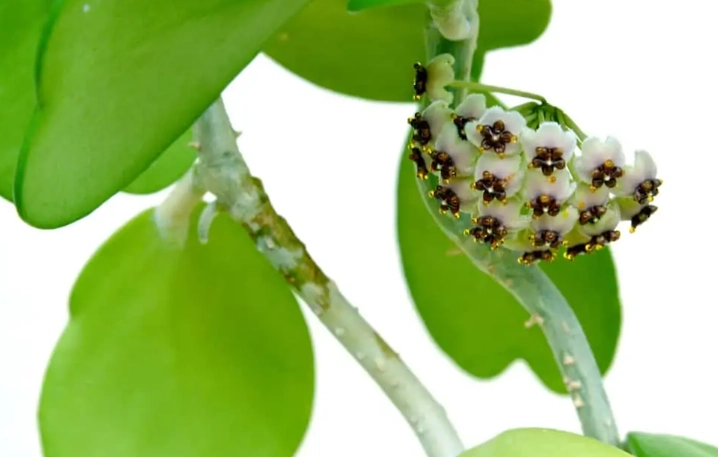
One misconception? People assume it's a fast grower. It's not. In my experience, a healthy hoya kerii might add only a few leaves per year. That slow growth is normal, so don't panic if yours seems stagnant. Another point: the heart shape is natural, but some sellers glue leaves onto sticks for decoration. If your plant feels off, check the base. A real hoya kerii should have roots emerging from the leaf stem, not just a stuck-on piece.
How to Care for Hoya Kerii: The Real Deal
Caring for hoya kerii isn't rocket science, but it requires tuning into its natural habitat. I'll break it down into key areas, focusing on where most beginners mess up.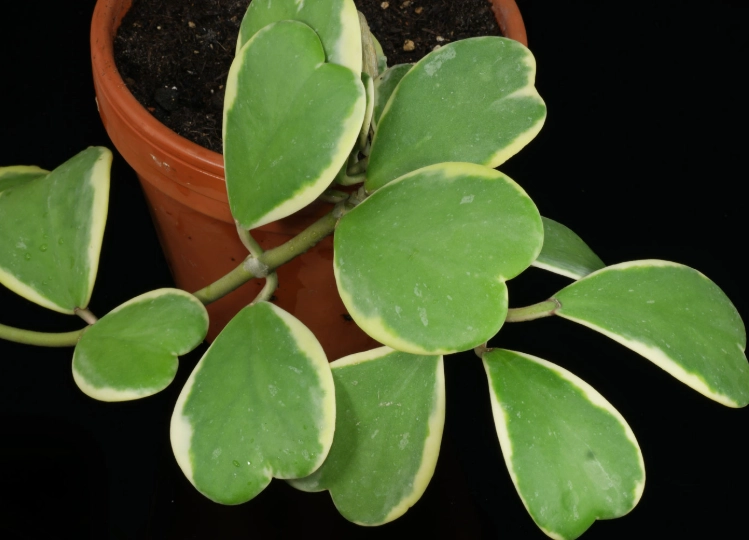
Light Requirements for Hoya Kerii: Bright but No Sunburn
Hoya kerii loves bright, indirect light. Think of a spot near an east or north-facing window where it gets morning sun but avoids harsh afternoon rays. Direct sunlight can scorch those waxy leaves, leaving brown patches. I made that mistake once—placed it on a south-facing sill in summer, and within weeks, the leaves looked bleached. If you only have low light, it might survive but won't grow much. Consider using a grow light if your home is dim. Aim for about 6-8 hours of filtered light daily. That's the sweet spot for encouraging growth without stress.
Watering Your Hoya Kerii: The Biggest Mistake Everyone Makes
Here's where I see most hoya kerii deaths: overwatering. Because the leaves are succulent, they hold moisture, so the plant prefers to dry out between waterings. Stick your finger into the soil up to the first knuckle—if it feels dry, it's time to water. If it's damp, wait. In winter, cut back watering to once a month or less, depending on your home's humidity. I use a moisture meter now, but the finger test works fine. A common error is watering on a schedule, like every week. Don't. Your plant's thirst varies with season, light, and pot size. Underwatering is better than overwatering; a thirsty hoya kerii will wrinkle its leaves slightly, but an overwatered one gets root rot fast.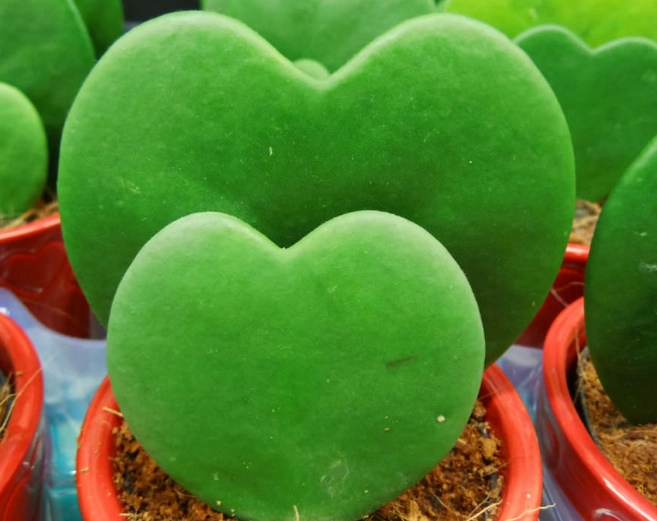
Pro tip from my own blunder: I used to water my hoya kerii every 10 days, thinking it was safe. Then the leaves turned yellow and soft. Turns out, the soil was staying wet too long because the pot had no drainage holes. Always use a pot with drainage, and if you're unsure, err on the side of dryness.
Soil and Potting Mix for Hoya Kerii: It's All About Drainage
Hoya kerii needs well-draining soil to prevent root rot. A standard cactus or succulent mix works, but I prefer to make my own: two parts potting soil, one part perlite, and one part orchid bark. This mimics its epiphytic nature, allowing air to reach the roots. Avoid heavy garden soils or mixes that retain too much water. When repotting, which is rarely needed—maybe every 2-3 years—choose a pot only slightly larger than the root ball. Hoyas like being snug. I repotted mine too early once, and it stopped growing for months until the roots filled the space.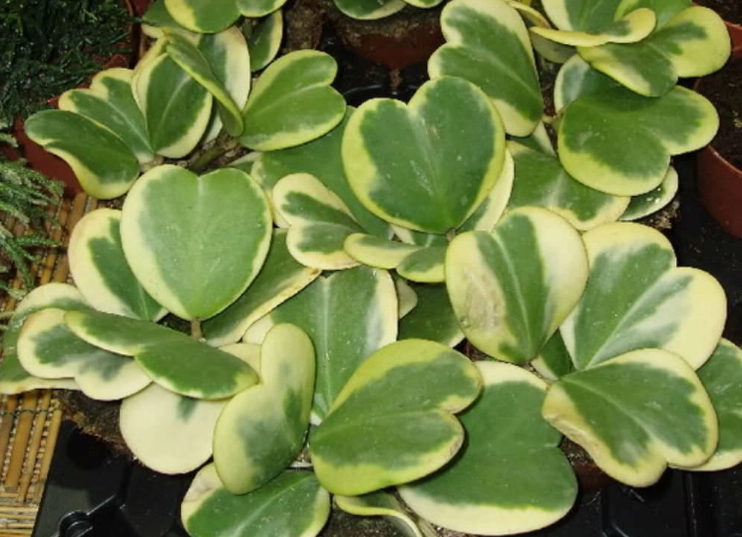
Temperature and Humidity Needs: Keep It Cozy
Hoya kerii thrives in temperatures between 60°F to 80°F (15°C to 27°C). It can tolerate dips to 50°F (10°C) but avoid frost. Humidity is where it gets interesting. While it can handle average home humidity (around 40-50%), higher humidity encourages better growth. In dry climates, I place mine on a pebble tray with water or use a humidifier nearby. But here's a non-consensus view: many experts say hoyas need high humidity, but I've grown them in arid conditions with slow but steady success. The key is to adjust watering—less humidity means less frequent watering, as the soil dries faster.
| Care Aspect | Ideal Condition | Common Mistake |
|---|---|---|
| Light | Bright, indirect light | Direct sun exposure |
| Watering | Let soil dry completely between waterings | Watering on a fixed schedule |
| Soil | Well-draining mix (e.g., cactus soil with perlite) | Using heavy, moisture-retentive soil |
| Temperature | 60°F to 80°F (15°C to 27°C) | Exposing to cold drafts or heat vents |
| Humidity | 40-60% relative humidity | Ignoring low humidity in winter |
Propagating Hoya Kerii: A Step-by-Step Walkthrough
Propagating hoya kerii is rewarding but requires patience. Most people propagate from stem cuttings, not single leaves, because a leaf alone might root but never grow into a full plant. I learned this after trying to root a heart-shaped leaf for a year—it stayed alive but didn't produce new growth. For success, use a cutting with at least one node (the bump where leaves and roots emerge). Here's my method, tested over several attempts.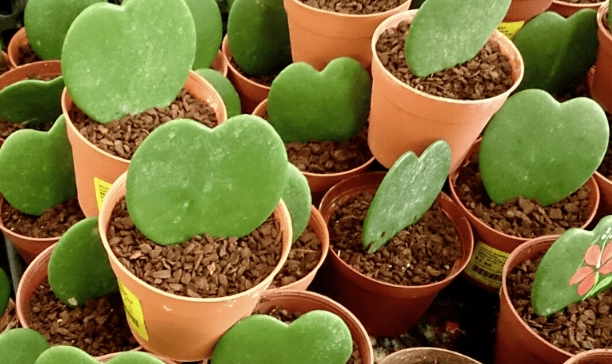
First, take a healthy stem cutting about 4-6 inches long, using sterilized scissors. Remove the lower leaves to expose a node. Let the cutting callus over for a day to prevent rot. Then, you have two options: water propagation or soil propagation. I prefer water because you can see the roots develop. Place the cutting in a jar of water, ensuring the node is submerged. Change the water weekly. Roots should appear in 2-4 weeks. Once they're about an inch long, transplant into a well-draining soil mix. Keep the soil slightly moist for the first few weeks to help it adjust.
If using soil, dip the cut end in rooting hormone (optional but helpful) and plant it in a small pot with moist soil. Cover with a plastic bag to retain humidity, but air it out daily to prevent mold. Place in bright, indirect light. This method is slower but reduces transplant shock. Either way, don't expect quick results. My first successful propagation took three months to show new leaf growth. The key is to avoid disturbing the cutting—no tugging to check roots!
Common Hoya Kerii Problems and How to Fix Them
Even with good care, hoya kerii can run into issues. Here are the top ones I've encountered, with solutions based on real experience.
Yellow leaves: Usually a sign of overwatering. Check the soil—if it's soggy, stop watering and let it dry out. If root rot has set in, remove the plant from the pot, trim any black, mushy roots, and repot in fresh, dry soil. I saved a hoya this way last year; it bounced back slowly but survived.
No growth: If your hoya kerii isn't growing new leaves, assess light and nutrients. It might need more indirect light. Also, consider fertilizing lightly during the growing season (spring to summer). Use a balanced, water-soluble fertilizer diluted to half strength every 4-6 weeks. But don't overdo it—too much fertilizer can burn the roots. I made that mistake once, causing leaf drop.
Pests: Mealybugs and spider mites can attack hoyas. I found mealybugs on mine after bringing a new plant home. Isolate the affected plant and wipe leaves with a cotton swab dipped in rubbing alcohol. For prevention, inspect new plants and keep leaves clean. Neem oil spray works as a deterrent, but test on a small area first to avoid leaf damage.
Leaf drop: Sudden leaf loss often stems from environmental stress, like a temperature change or draft. Move the plant to a stable spot. I lost a few leaves when I placed my hoya near an air conditioner vent—lesson learned.
Your Hoya Kerii Questions Answered
Growing hoya kerii is a journey of patience. It's not the easiest plant, but its unique heart-shaped leaves make it worth the effort. Start with the basics—right light, careful watering, and well-draining soil—and adjust based on your environment. Remember, plants communicate through their leaves; wrinkles mean thirst, yellow means too much water. Observe and adapt. If you kill one, don't give up. I've lost a few along the way, but each taught me something new. Now, my hoya kerii is a happy vine, slowly spreading across my shelf, a testament to getting the details right. Happy planting!
Comments