Quick Navigation
- The Heart of Neon Pothos Care: Light is Everything
- Watering Your Neon Pothos: The Art of Neglect (Almost)
- The Right Home: Soil and Potting Needs
- Feeding for that Fierce Neon Glow
- How to Propagate Neon Pothos: Make Free Plants!
- Common Problems and How to Fix Them
- Neon Pothos Care: Your Questions Answered
So you brought home a neon pothos. That brilliant, almost-chartreuse foliage just screams "tropical vibes," doesn't it? It's one of those plants that looks fantastic in a minimalist pot on a shelf, instantly brightening a corner. But then the questions start. Is it getting enough light? Why is it not as neon as it was in the store? Am I watering it too much or too little?
I've been there. My first neon pothos sat in what I thought was a perfectly fine spot, and slowly... it just started looking dull. More lime than neon. It wasn't dying, but it had lost its spark. That's when I dove deep into figuring out what these plants really want. Turns out, neon pothos care is pretty straightforward once you understand a few key things, but there are some specific tricks to keeping that electric color vibrant.
This guide is everything I wish I'd known. We'll cut through the generic plant advice and get into the specifics for your neon beauty. From decoding its light language to the perfect watering rhythm and even how to make more plants from the one you have.
The Quick Answer (For the Impatient Gardener)
Light: Bright, indirect light is the secret sauce for vibrant color. Low light makes it dull.
Water: Water when the top 1-2 inches of soil are dry. It's more forgiving of underwatering than overwatering.
Soil: A well-draining potting mix is non-negotiable. Think chunky and airy.
The Golden Rule: More light = brighter neon color and faster growth. Simple as that.
The Heart of Neon Pothos Care: Light is Everything
Let's start with the biggest factor in your plant's happiness and color: light. This is where most people, including past me, get it a bit wrong. We hear "pothos are low-light plants" and stick them in a dark bathroom or a far corner of the living room. For a green pothos, that might be okay—it'll survive, growing slowly. But for a neon pothos? That's a recipe for a sad, washed-out plant.
The neon color is a result of less chlorophyll (the green pigment) in the leaves. To compensate and produce enough energy, it needs more of those light photons. Put it simply, bright, indirect light fuels its neon glow.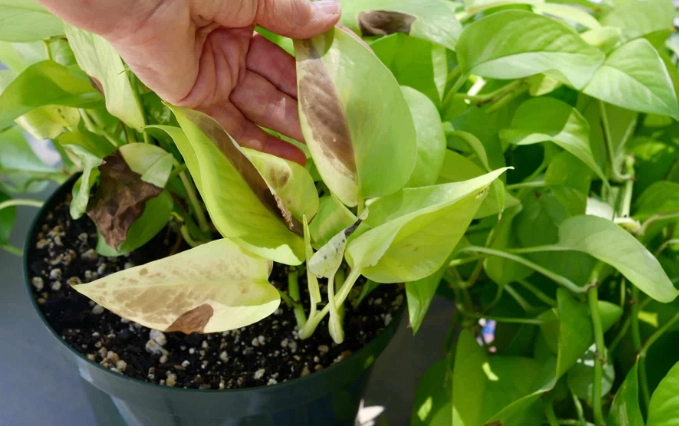
What Does "Bright, Indirect Light" Actually Mean?
It's not direct sunbeams hitting the leaves (that can scorch them, leaving ugly brown patches). It's light that's bright enough to cast a soft, fuzzy shadow. Think near an east-facing window, or a few feet back from a south or west-facing window, perhaps filtered by a sheer curtain.
Here's a quick symptom checker for light issues:
- Leaves are small and far apart on the vine ("leggy" growth): It's stretching for more light. Move it closer to the window.
- The vibrant neon is fading to a dull green or lime: Not enough light. It's producing more chlorophyll to try and capture more energy in the dim conditions.
- Brown, crispy patches on the leaves: Likely too much direct, hot sun. Think of it as a sunburn. Pull it back.
Honestly, if you only remember one thing about neon pothos care, let it be this: give it more light than you think it needs. It will reward you with faster, bushier growth and that iconic, eye-searing color.
Watering Your Neon Pothos: The Art of Neglect (Almost)
Watering is probably the second most common way we mess up with houseplants. We love them to death. With neon pothos care, the mantra is "when in doubt, wait it out." These plants have semi-succulent qualities and are incredibly drought-tolerant.
Overwatering leads to soggy soil, which suffocates roots and causes root rot—the silent killer. Underwatering will make the plant wilt and the leaves go limp, but it bounces back remarkably quickly after a drink.
The Foolproof Watering Method
Forget watering on a schedule ("every Tuesday"). Your plant's thirst depends on light, temperature, pot size, and humidity. Instead, use the finger test.
- Stick your finger into the soil, down to about your second knuckle (1-2 inches).
- If the soil feels dry at that depth, it's time to water.
- If it feels even slightly damp or cool, wait a few more days and check again.
When you do water, do it thoroughly. Take the plant to the sink and water slowly until you see water flowing freely out of the drainage holes at the bottom. This ensures the entire root ball gets moistened. Let it drain completely before putting it back in its decorative pot or saucer. Never let it sit in a puddle of water.
My own overwatering disaster involved a beautiful neon in a ceramic pot without a drainage hole (a rookie mistake I made years ago). I was so careful, or so I thought. But water pooled at the bottom unseen, and the roots turned to mush. Now, drainage holes are non-negotiable for me.
The Right Home: Soil and Potting Needs
This ties directly into watering. You can have perfect watering habits, but if the soil is dense and heavy, it will stay wet for too long. Neon pothos need a well-aerated, fast-draining mix.
A standard all-purpose potting mix is a good start, but I like to amend it to make it chunkier. Here's a simple, effective mix you can make at home:
- 2 parts all-purpose potting soil (provides structure and nutrients)
- 1 part perlite (creates air pockets and improves drainage)
- 1 part orchid bark or coco coir chips (adds chunkiness and prevents compaction)
This mix mimics the plant's natural epiphytic tendencies (in the wild, pothos often grow on trees, with their roots exposed to air). It allows water to flow through quickly while retaining just enough moisture for the roots to absorb.
When it comes to pots, material matters. Terracotta (clay) pots are fantastic for beginners because they are porous and allow the soil to dry out more evenly from the sides. Plastic pots retain moisture longer. Choose based on your watering habits—if you tend to overwater, go for terracotta.
Feeding for that Fierce Neon Glow
Fertilizer isn't magic, but it's the plant equivalent of vitamins. During the active growing season (spring and summer), feeding your neon pothos will support lush growth and help maintain leaf color.
I use a balanced, water-soluble fertilizer (look for an N-P-K ratio like 10-10-10 or 20-20-20) diluted to half the strength recommended on the bottle. I apply it about once a month when I water. Less is more here—over-fertilizing can cause salt buildup in the soil and burn the roots.
In fall and winter, when growth naturally slows down, stop fertilizing. The plant is resting, and extra nutrients just sit in the soil unused.
How to Propagate Neon Pothos: Make Free Plants!
This is the fun part of neon pothos care! Propagation is incredibly easy and rewarding. You can turn one long vine into several new plants to share with friends or expand your own collection. There are two main methods: water propagation and soil propagation.
Water Propagation (The Most Popular Method)
- Using clean scissors or pruners, cut a piece of vine. Make sure your cutting has at least 3-4 nodes (those little brown bumps on the stem where leaves and roots grow from).
- Remove the leaves from the bottom 1-2 nodes.
- Place the cutting in a jar or glass of water, ensuring the bare nodes are submerged. Leave the leaves above water.
- Place it in a spot with bright, indirect light. Change the water once a week to keep it fresh.
- In 2-6 weeks, you should see white roots sprouting from the nodes. Once the roots are an inch or two long, you can pot it up in soil.
Watching the roots grow in water is half the joy. It's a great project to do with kids.
Soil Propagation (Direct to Dirt)
This method skips the water step. Simply take your cutting (prepared the same way), dip the cut end in rooting hormone powder (optional, but can help), and plant it directly into a small pot with moist, well-draining potting mix. Keep the soil consistently moist (not soggy) for the first few weeks while it develops roots. A clear plastic bag over the pot can create a humid greenhouse effect.
Common Problems and How to Fix Them
Even with the best neon pothos care, things can go sideways. Here’s a quick-reference table to diagnose common issues:
| Symptom | Likely Cause | How to Fix It |
|---|---|---|
| Yellowing leaves | Most often overwatering/root rot. Can also be natural aging of old leaves. | Check soil moisture. If wet, let dry out completely. If problem persists, check roots for rot (brown/mushy). Repot if needed. |
| Brown, crispy leaf tips | Low humidity, underwatering, or fertilizer burn. | Increase humidity (group plants, use a pebble tray), check watering frequency, flush soil if over-fertilized. |
| Leaves wilting, limp | Underwatering. | Give the plant a thorough drink. It should perk up within hours. |
| Loss of neon color (turning green) | Not enough light. | Gradually move the plant to a brighter location with indirect light. |
| Brown, dry patches on leaves | Sunburn from direct, hot sunlight. | Move plant to a spot without direct sun hitting the foliage. |
| Stunted growth, no new leaves | Dormancy (winter), insufficient light, or need for fertilizer. | Ensure adequate light during growing season. Feed monthly in spring/summer. |
Neon Pothos Care: Your Questions Answered
Let's tackle some of the most common specific questions that pop up when people are researching neon pothos care.
Is neon pothos toxic to pets?
Yes. Like all pothos plants (Epipremnum aureum), the neon variety contains calcium oxalate crystals, which are insoluble and can cause irritation of the mouth, tongue, and lips, along with vomiting and difficulty swallowing if ingested by cats or dogs. It's best to keep this plant out of reach of curious pets. The ASPCA lists pothos as toxic to both cats and dogs.
How fast does neon pothos grow?
In ideal conditions (good light, warm temperatures, consistent care), it can be a surprisingly fast grower, easily putting out several inches of vine per month during the growing season. In low light, growth will be very slow.
Can neon pothos live in water forever?
Technically, yes. Many people keep pothos cuttings in water vases for years. However, it won't grow as large or as vigorously as a plant in soil. You'll need to add a drop of liquid fertilizer to the water occasionally to provide nutrients, as plain water has none. The roots will also look different—thinner and more adapted to water.
Why are the new leaves on my neon pothos smaller?
This is almost always a light issue. The plant isn't getting enough energy to produce large, robust new leaves. Try moving it to a brighter spot. It can also be a sign that the plant is root-bound and needs a slightly larger pot, or that it needs a light feeding.
Does neon pothos purify the air?
This is a popular claim stemming from the famous NASA Clean Air Study from the late 1980s. The study, which you can read about from sources like the NASA Technical Reports Server, did find that Epipremnum aureum (golden pothos) was effective at removing certain volatile organic compounds (VOCs) like formaldehyde from sealed laboratory chambers. However, it's important to temper expectations. The effect in a normal, ventilated home is likely minimal compared to simply opening a window. Don't buy it solely as an air purifier; buy it because it's a beautiful, easy-going plant.
A Final Thought on Neon Pothos Care
At its core, caring for a neon pothos is about understanding its simple language. Limp leaves? It's thirsty. Dull color? It's light-starved. Yellowing? You're probably being too generous with the watering can.
It's a resilient plant. It forgives our mistakes and thrives when we get the basics right. Give it that bright spot, water it with a mindful touch, and don't fuss over it too much. That's the real secret. It's less about following a rigid set of rules and more about observing and responding to what your specific plant is telling you.
Now go check on your neon pothos. Does it need a drink? Could it use a move closer to the window? Maybe it's even ready for a trim so you can propagate a new plant. The journey is the best part.
Comments