Let's get this out of the way first. The ponytail palm, or Beaucarnea recurvata, is a fraud. A wonderful, charming, and incredibly forgiving fraud. It's not a palm at all. That bulbous, textured trunk is a massive water reservoir, a caudex, making it a succulent closely related to agaves and yuccas. This single fact explains everything about why this plant is a legend in the world of low-maintenance houseplants. It's built to survive your forgetfulness.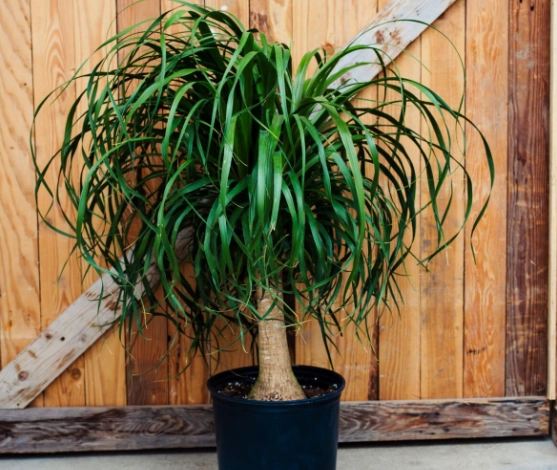
I've had mine, which I call Bert, for over eight years. He's survived cross-country moves, a month of neglect when I was traveling, and a spot in a dim corner I now regret. He's taught me more about what plants actually need versus what we think they need than any other plant in my collection.
What You'll Learn Here
Ponytail Palm Basics: What You're Really Bringing Home
Native to arid regions of eastern Mexico, this plant evolved to store water in its thick, elephant-foot-like base. The long, curly leaves emerge from a central crown, resembling a cascading ponytail. In its natural habitat, it can become a small tree. Indoors, it's a slow-growing sculptural piece.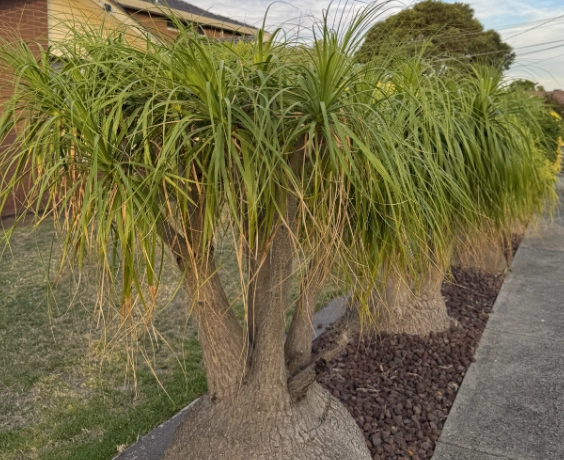
Quick Profile: Think of it as a camel in plant form. Its priorities are sunlight (to make food) and infrequent, deep drinks (to fill its reserves). Everything else is secondary. This is the core mindset for success.
How to Create the Perfect Environment for Your Ponytail Palm
Getting the location right solves 80% of potential problems. This isn't a fern for your bathroom.
Light: The More, The Better (Usually)
Bright, indirect light is the sweet spot. A south or west-facing window is ideal. It can tolerate some direct sun, which will encourage tighter, more compact growth. The mistake I see? Shoving it into a dark office corner because "it's low light." It will survive, but it won't thrive. Growth will be glacial, and the leaves may become long, weak, and floppy. If the only spot you have gets less than 4 hours of decent light, consider supplementing with a basic grow light.
Temperature and Humidity: It Doesn't Care
This is where it shines. Average household temperatures (60-80°F or 15-27°C) are perfect. It's not fussy about humidity, making it excellent for dry, air-conditioned or heated homes. Just keep it away from cold drafts and heating vents, as extreme, direct blasts of air can dry out the leaf tips.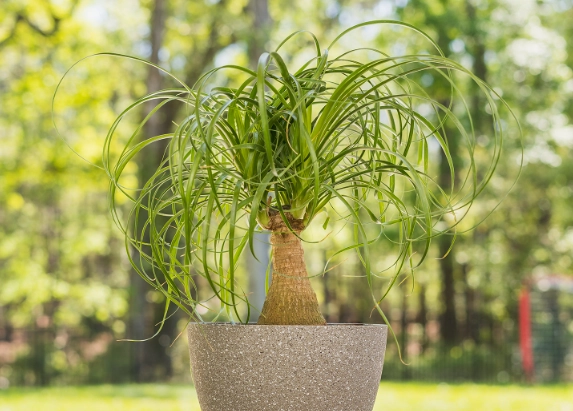
The #1 Killer: Watering Mistakes (And How to Avoid Them)
Overwatering is the fastest way to kill a Beaucarnea recurvata. Root rot sets in when that bulbous base sits in moist soil. Here's the method that has never failed me or my clients.
The Finger Test is Your Best Friend. Ignore weekly schedules. Stick your finger about 2-3 inches into the soil. Is it completely dry? Wait a few more days. Is it still slightly cool or damp? Walk away. When it's bone-dry, it's time.
The Soak-and-Dry Method:
- Take the plant to the sink or bathtub.
- Water slowly and thoroughly until water runs freely out of the drainage holes. This ensures the entire root ball gets moisture.
- Let it drain completely. No plant likes wet feet, especially this one.
- Return it to its spot. Then, forget about it for weeks.
In winter, when growth slows or stops, you might only water it once a month or even less. The bulb will feel slightly soft when it's thirsty—a gentle squeeze (don't overdo it) can be a good indicator alongside the soil test.
The Subtle Mistake Everyone Makes: Using a pot that's too big. A massive pot holds more soil, which stays wet longer, far beyond what the plant's small root system can absorb. This creates a perpetually damp environment perfect for root rot. Always choose a pot that seems just a little too snug rather than too roomy.
Feeding, Repotting, and When to Leave It Alone
Fertilizing: Less is More
Feed it sparingly. A balanced, diluted liquid fertilizer (half-strength is fine) once in early spring and once in mid-summer is ample. Over-fertilizing can cause weak, leggy growth and salt buildup in the soil. If you forget a year, it won't mind.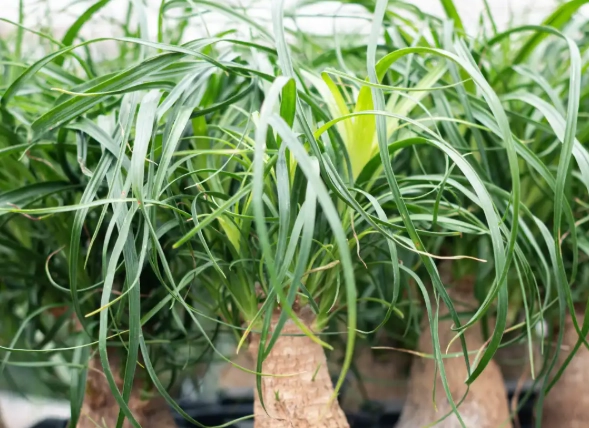
Repotting: A Rare Event
Ponytail palms enjoy being slightly root-bound. You only need to repot every 3-4 years, or when you see roots visibly circling the bottom of the pot or the plant becomes unstable. When you do repot, go up only 1-2 inches in pot diameter.
| Potting Mix Component | Purpose | Approximate Ratio |
|---|---|---|
| Cactus/Succulent Mix | Provides fast drainage, prevents water retention | 60% |
| Perlite or Pumice | Further improves aeration and drainage | 20% |
| Standard Potting Soil | Holds a minimal amount of moisture and nutrients | 20% |
Ensure the new pot has excellent drainage holes. When repotting, plant it at the same depth it was before; don't bury the caudex (the bulb).
Troubleshooting: Reading Your Plant's Signals
Your ponytail palm talks to you through its leaves and trunk.
Brown, Crispy Leaf Tips: Usually low humidity or mineral buildup from tap water. You can trim the brown tips off with clean scissors, following the leaf's natural shape. Using filtered or distilled water can help prevent this.
Yellowing Leaves at the Bottom: This is normal. As the plant grows, it sheds its oldest leaves. They will turn yellow, then brown, and dry out. You can gently pull them off.
Yellowing Leaves Throughout/Soft, Mushy Trunk: Red flag for overwatering. Stop watering immediately. Check the roots. If they are brown and mushy, you may need to cut away the rot, let the base callous over, and attempt to re-root it in fresh, dry mix. This is a rescue mission.
Pale, Stretched Leaves: It's not getting enough light. Move it to a brighter spot.
Pests: Generally pest-resistant, but can occasionally attract spider mites in very dry conditions. Wiping the leaves with a damp cloth periodically keeps them clean and deters pests.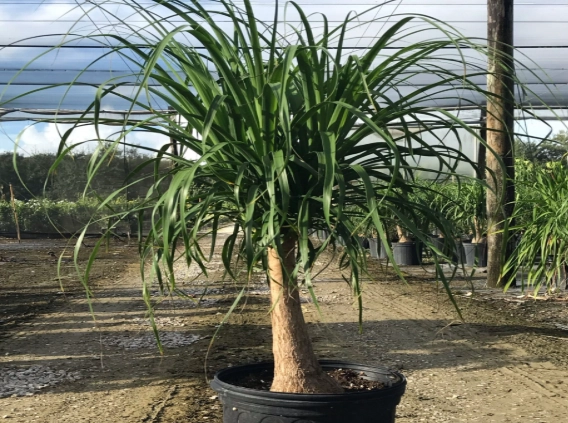
Answers to Your Tricky Ponytail Palm Questions
So there you have it. The ponytail palm's secret is its self-sufficiency. Your job isn't to constantly tend to it, but to set up the right conditions (light, infrequent water) and then mostly get out of its way. It's the perfect plant for busy people, frequent travelers, or anyone who wants a striking, architectural green companion without the high-maintenance drama. Give it a bright spot, water it like you're mimicking a rare desert downpour, and enjoy its quirky, resilient presence for decades.



Comments