I used to think snake plants were boring. Just another green thing in a corner. Then I got one as a gift, forgot about it for a month, and it not only survived but looked better than my fussy ferns. That's when I dug deeper. Snake plants, or Sansevieria, are powerhouse houseplants with benefits that go way beyond aesthetics. Let's cut to the chase—here are the 10 key benefits that make snake plants a must-have, whether you're a seasoned plant parent or someone who struggles to keep anything alive.
What You'll Discover in This Guide
Benefit 1: Superior Air Purification
Remember that NASA Clean Air Study from the late '80s? It's not just old news—snake plants were highlighted for removing toxins like formaldehyde, benzene, and xylene from the air. These chemicals sneak into our homes from furniture, cleaning products, and even carpets. I placed a snake plant in my home office, and over time, that stuffy smell faded. It's not an instant fix, but think of it as a slow, steady filter. The leaves absorb pollutants and break them down. For best results, have at least one plant per 100 square feet. Don't expect it to replace an air purifier, but it's a natural boost.
Pro tip: Wipe the leaves with a damp cloth every few weeks. Dust buildup can block those air-purifying pores. I learned this the hard way when my plant started looking dull.
Benefit 2: Incredibly Low Maintenance
If you've ever killed a plant by over-loving it, snake plants are your savior. They thrive on neglect. Watering? Maybe once a month. I've gone six weeks without watering mine during a busy period, and it didn't flinch. The key is their succulent-like leaves that store water. Here's a simple care routine:
- Watering: Only when the soil is bone-dry. Stick your finger in—if it's dry an inch down, give it a drink.
- Soil: Well-draining mix. I use cactus soil with a bit of perlite.
- Fertilizer: Rarely needed. A diluted feed in spring is enough.
Common mistake: People think "low maintenance" means no care. They still need some light and occasional attention, but compared to orchids or ferns, it's a breeze.
Benefit 3: Thrives in Low Light
My apartment has one north-facing window. Most plants sulk there, but my snake plant? It's growing, slowly but surely. Snake plants adapt to low light conditions, making them perfect for bathrooms, hallways, or offices with fluorescent lighting. They won't grow as fast, but they'll survive. However, don't shove them in a closet—they still need some indirect light. If leaves start stretching or losing color, move them closer to a light source. I've seen them do well in rooms with just a lamp on for part of the day.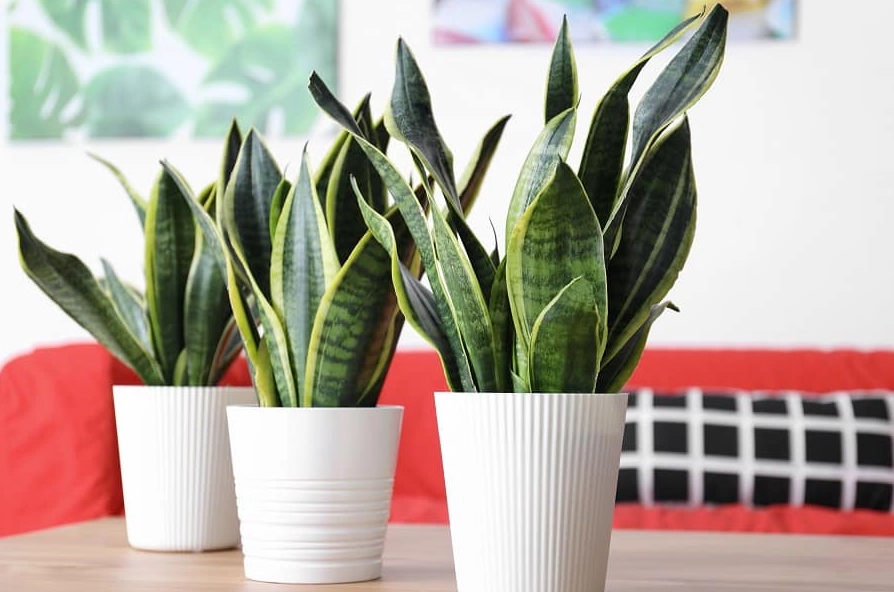
How to Position Your Snake Plant for Optimal Growth
Place it near a window but out of direct sun, which can scorch the leaves. East or north-facing windows are ideal. In darker spots, rotate the plant every few months to prevent lopsided growth.
Benefit 4: Releases Oxygen at Night
Most plants release oxygen during the day through photosynthesis. Snake plants do something cool called Crassulacean Acid Metabolism (CAM)—they open their stomata at night to absorb carbon dioxide and release oxygen. This makes them great for bedrooms. I have one on my nightstand, and while I can't prove it scientifically, I sleep a bit better. It's a small thing, but every bit helps in stuffy indoor environments. Pair it with other CAM plants like aloe vera for a nighttime oxygen boost.
Benefit 5: Reduces Stress and Boosts Mood
Studies, like those referenced by the American Psychological Association, show that interacting with plants can lower stress. Snake plants, with their sturdy, upright leaves, have a calming presence. I find myself staring at mine when I'm stuck on a work problem—it's like a green meditation. They're not flashy, but that simplicity reduces visual clutter. In a home office, they can improve focus and productivity. It's not just about looks; it's about creating a soothing environment. If you're feeling anxious, try tending to a snake plant. The routine of checking soil or wiping leaves is oddly therapeutic.
Benefit 6: Pet-Friendly and Non-Toxic
Worried about your cat nibbling on leaves? Snake plants are generally considered non-toxic to pets, according to sources like the ASPCA. But here's the catch: if ingested in large amounts, they can cause mild stomach upset. My dog once took a bite out of a leaf, and he was fine—just a bit of drooling. To be safe, keep plants out of reach if your pets are curious. The benefit is peace of mind. Unlike lilies or pothos, which are highly toxic, snake plants are a safer choice for households with animals.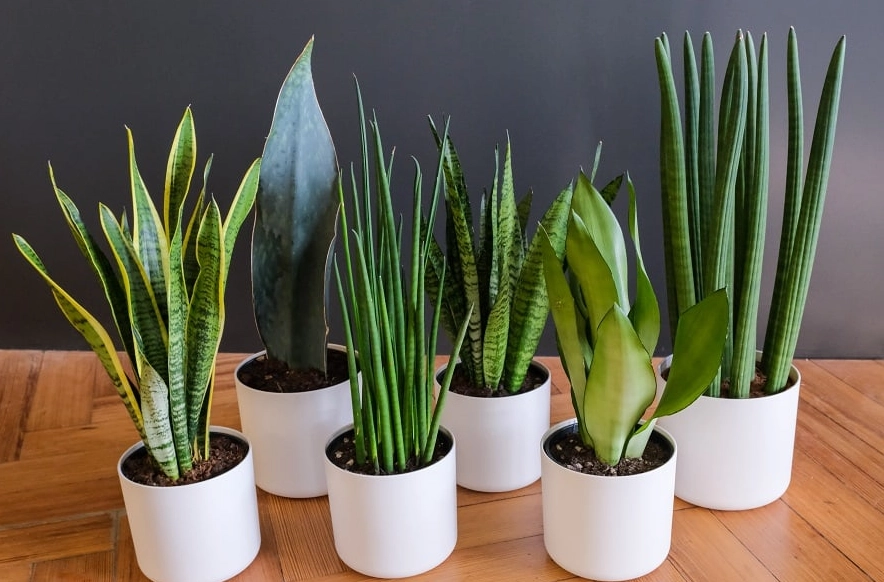
Benefit 7: Aesthetic Appeal and Versatility
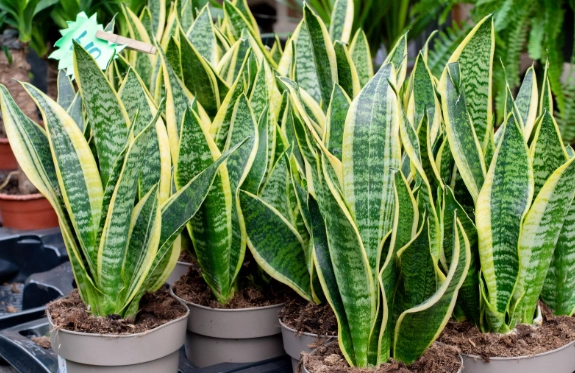
Snake plants come in varieties like the classic Laurentii with yellow edges, or the cylindrical Sansevieria cylindrica. They fit any decor—modern, bohemian, minimalist. I've used them as centerpieces, in bathroom corners, even on bookshelves. Their vertical growth saves space. You can propagate them easily by leaf cuttings, so one plant can become many. I gave cuttings to friends, and they loved how they added structure to their rooms. They're not just green; some have patterns that look almost artificial, but in a good way.
Benefit 8: Helps with Humidity Control
Through transpiration, snake plants release moisture into the air. In dry climates or during winter when heaters run, this can slightly increase humidity. It's subtle—don't expect a tropical rainforest. But in my small office, a group of snake plants made the air feel less parched. Combine them with other humidity-loving plants for a balanced effect. If you struggle with dry skin or static electricity, every bit helps. Just ensure good air circulation to prevent mold.
Benefit 9: Symbolic Benefits and Good Luck
In some cultures, snake plants are believed to bring good luck and positive energy. Feng shui practitioners recommend placing them near entrances to protect against negative chi. Whether you believe it or not, there's a psychological boost. I have one by my front door, and it's a cheerful welcome. It's also known as "mother-in-law's tongue," which might explain its tough nature! This symbolic layer adds depth—it's not just a plant; it's a token of resilience.
Benefit 10: Cost-Effective and Long-Lasting
Snake plants are affordable. You can find small ones for under $10 at garden centers. They grow slowly but live for years, even decades with minimal care. I've had mine for five years, and it's only been repotted once. Compare that to annual flowers that need replacing. They're also drought-tolerant, saving on water bills. Here's a quick cost comparison:
| Plant Type | Initial Cost | Annual Maintenance Cost | Lifespan |
|---|---|---|---|
| Snake Plant | $10-$30 | ~$5 (soil, occasional fertilizer) | 10+ years |
| Orchid | $20-$50 | ~$20 (special fertilizer, potting mix) | 2-5 years (with care) |
| Fern | $15-$25 | ~$15 (frequent watering, humidity trays) | 3-7 years |
For beginners or busy people, it's a smart investment. You get all these benefits without breaking the bank.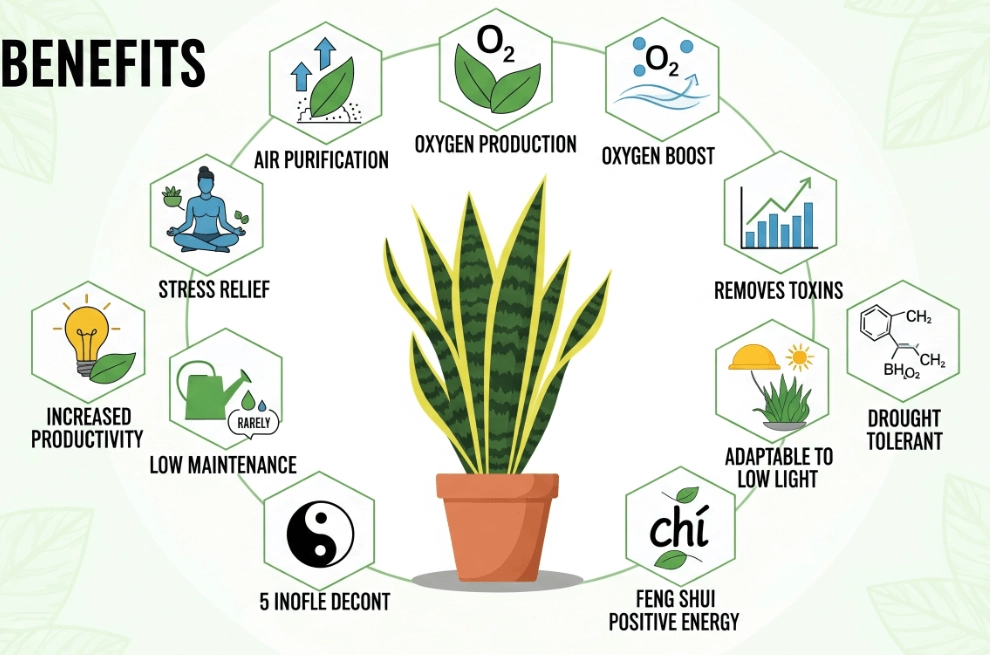
Common Mistakes to Avoid (From Experience)
I've made my share of errors. Overwatering is the big one—snake plants hate soggy roots. Use a pot with drainage holes. Another mistake: assuming they're indestructible. They can get pests like spider mites if neglected entirely. Check leaves occasionally. Also, don't repot too often; they like being root-bound. I repotted mine too early, and it stopped growing for months. Learn from my blunders.
Frequently Asked Questions
 Snake plants are more than a trend—they're a practical addition to any home. From purifying air to reducing stress, these benefits stack up. Start with one, see how it fits your life. You might end up like me, with a collection that quietly improves your space. Give it a try; even if you forget it exists, it'll probably thrive.

Comments