You’ve seen it everywhere. Draping from a bookshelf in a coffee shop, trailing from a hanging basket in a dentist's office, or sitting quietly in the corner of a friend's dimly lit apartment. The Golden Pothos, or Epipremnum aureum, is the quintessential beginner plant. But here's the thing most articles won't tell you: treating it like a disposable, zero-effort decoration is why so many people end up with a sad, leggy vine with three yellow leaves. After a decade of growing these plants (and killing a few along the way), I've learned that the Golden Pothos has a quiet sophistication. Get its basics right, and it transforms from a survivor into a stunning, statement-making piece of living art.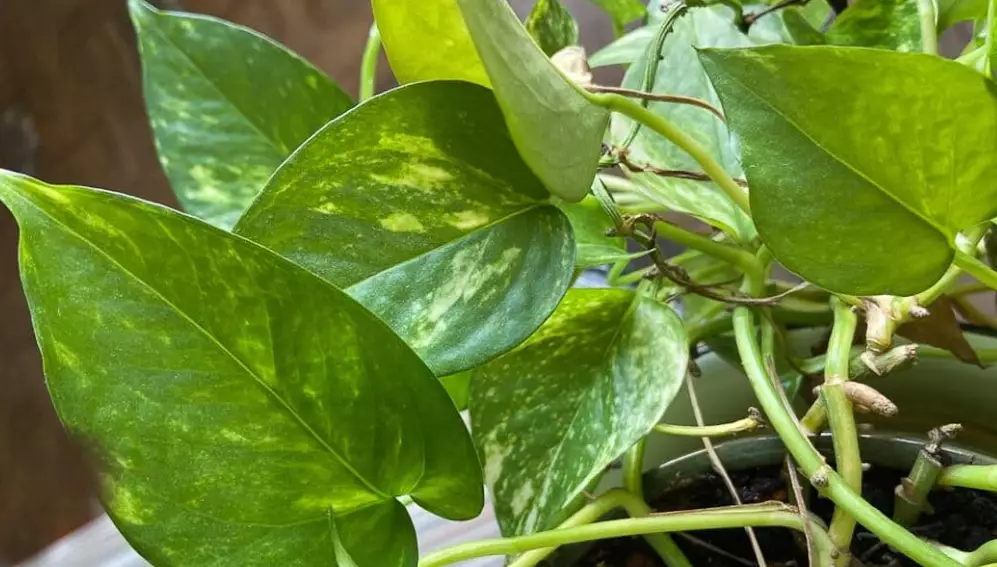
This guide isn't just a rehash of "water when dry." We're going deep into the why and how, busting myths, and I'll share the subtle tricks that make the difference between a plant that's merely alive and one that's spectacularly thriving.
What’s Inside?
- The Non-Negotiable Golden Pothos Care Breakdown
- Light: The Biggest Myth and How to Get Those Golden Streaks
- Watering Mastery: Moving Beyond the Finger Test
- Soil, Pots, and the Repotting Conversation You Need to Have
- From Basic Vine to Living Sculpture: Creative Styling Ideas
- Troubleshooting Deep Dive: Reading Your Plant's Signals
- Your Golden Pothos Questions, Answered by Experience
The Non-Negotiable Golden Pothos Care Breakdown
Let's strip it down to the essentials. Think of this as the plant's user manual. Getting these five elements right solves 95% of all problems.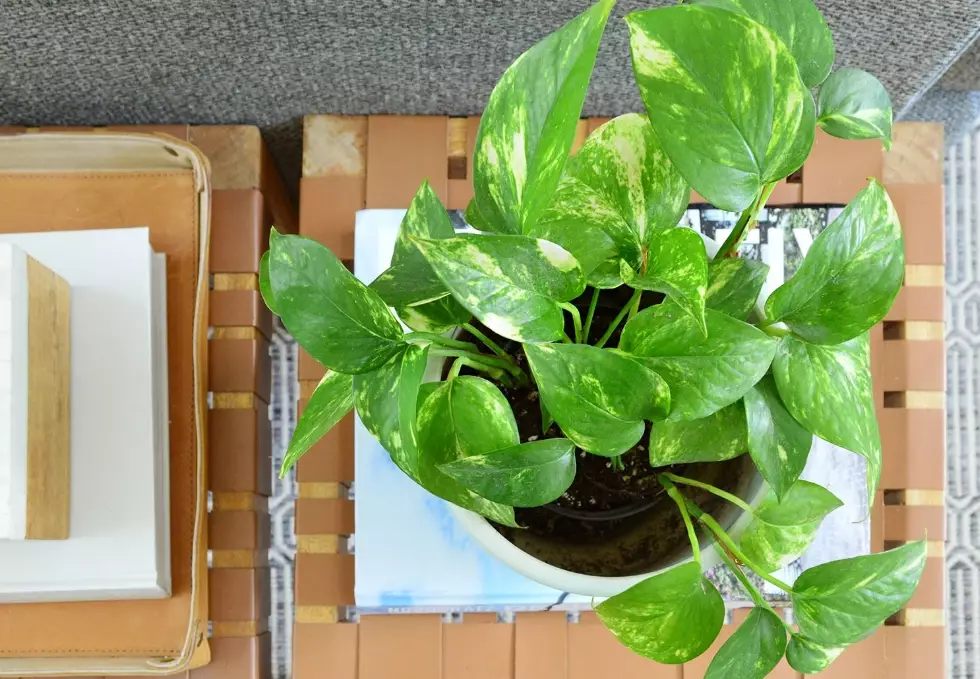
The Golden Pothos Sweet Spot: Imagine a comfortable room where you'd read a book. Not a dark basement, not a sun-drenched greenhouse. That's your target environment. Consistent, gentle comfort.
| Care Aspect | What It Wants | What It Tolerates | The Expert Nuance |
|---|---|---|---|
| Light | Bright, indirect light. | Low light. | "Low light" means survival, not growth. For vibrant variegation, you need brighter light. |
| Water | When top 50-75% of soil is dry. | Occasional forgetfulness. | Overwatering is chronic, underwatering is acute. The former kills roots quietly. |
| Soil | Well-draining, airy potting mix. | Dense, cheap soil. | Dense soil stays wet for days, creating a death trap for roots. Aeration is key. |
| Temperature | 65-85°F (18-29°C). | Brief dips to 50°F (10°C). | Keep away from drafty windows in winter and direct AC/heater blasts. |
| Humidity | Average home humidity (40-60%). | Dry air. | It won't die, but leaf tips may brown. A pebble tray is a simple, effective fix. |
Light: The Biggest Myth and How to Get Those Golden Streaks
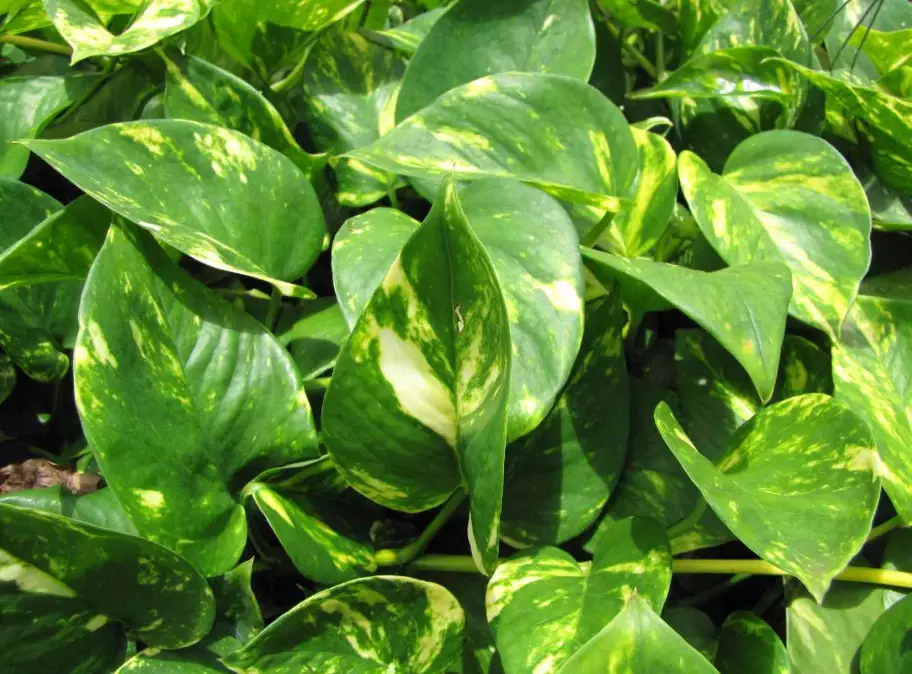
"Golden Pothos thrives in low light." This is the most repeated half-truth. Yes, it survives in low light. It will hang on for years in a dark corner. But you'll get long, weak stems with small, widely spaced leaves that are mostly green, losing the beautiful golden-yellow marbling that gives it its name.
The plant is telling you it's starved for photons.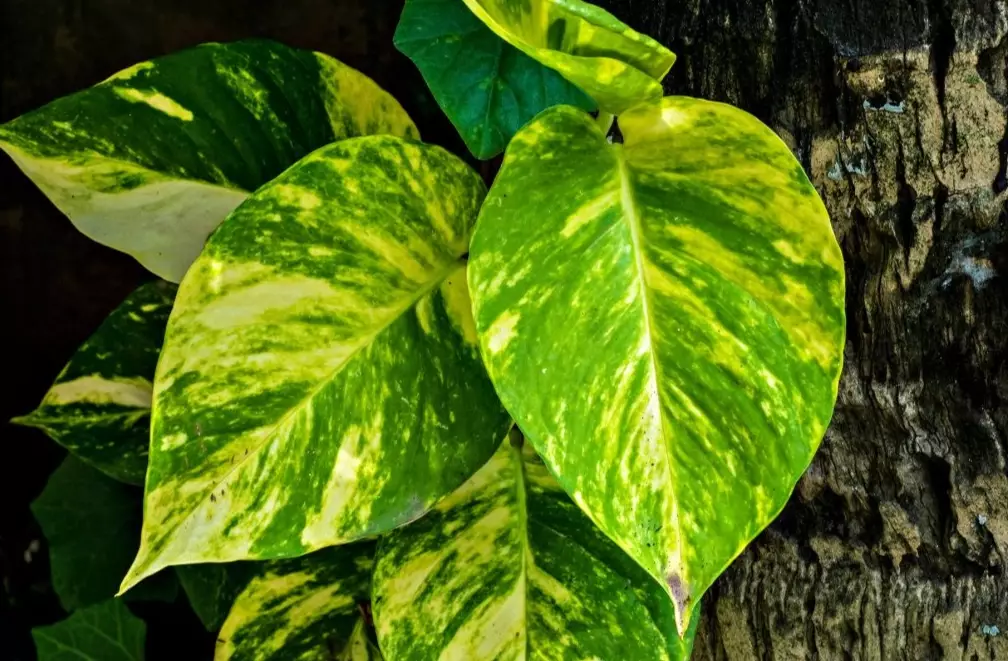
The Variegation Secret
Variegation—those creamy yellow streaks—is not stable. The plant can revert to solid green if it feels light is insufficient. Why? Because green chlorophyll is what captures light for energy. In low light, the plant maximizes chlorophyll production by filling the yellow patches with green. To lock in that gorgeous variegation, you need bright, indirect light.
What does "bright, indirect" actually look like?
- A spot near an east-facing window, bathing in morning sun.
- A few feet back from a south or west window, shielded by a sheer curtain.
- On a shelf opposite a large, sunny window.
Direct afternoon sun can scorch the leaves, leaving ugly brown patches. I learned this the hard way with a plant on a west-facing sill. The leaves looked bleached and crispy within a week.
Watering Mastery: Moving Beyond the Finger Test
Everyone says "stick your finger in the soil." It's fine, but it's imprecise. Your finger only feels the very top. The real action is deeper down.
The #1 Killer: Overwatering. It's not about the volume of water you pour, but the frequency. Roots need oxygen as much as they need water. Constantly wet soil drowns them, leading to root rot—a silent, smelly problem you often don't see until the plant starts collapsing above soil.
Better techniques:
- The Lift Test: Get to know the weight of your pot when the soil is dry versus freshly watered. A light pot needs water; a heavy one doesn't. This is surprisingly accurate.
- The Chopstick Method: Insert a wooden chopstick deep into the soil, leave it for a minute, then pull it out. If it comes out clean or with just a few dry particles, it's time to water. If soil sticks to it, wait.
- Observe the Leaves: A thirsty Golden Pothos will have slightly limp, less rigid leaves. They lose their turgor pressure. Don't wait for dramatic wilting, but a subtle droop is a good cue.
When you do water, do it thoroughly. Water until it runs freely out of the drainage hole. This ensures the entire root ball gets hydrated and flushes out mineral salts.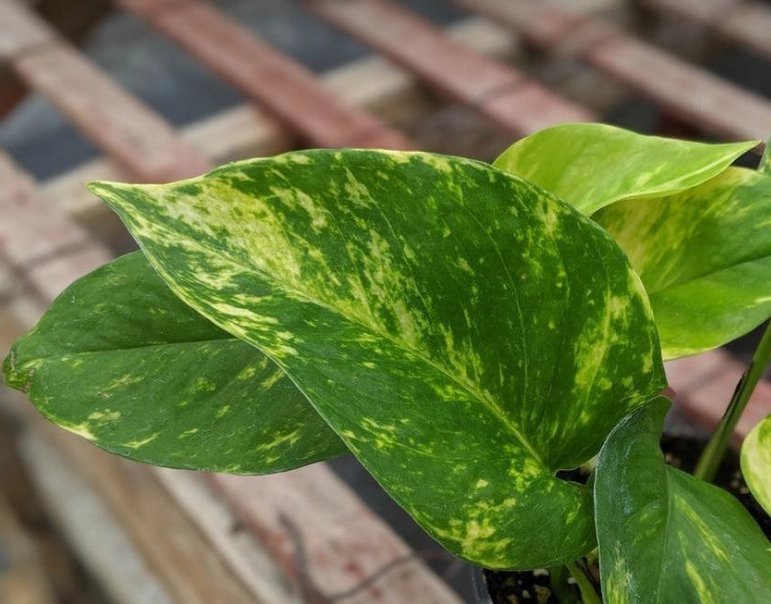
Soil, Pots, and the Repotting Conversation You Need to Have
That soil it came in from the big-box store? It's usually terrible—dense and peat-heavy. Your first act of care should be a repot, but not into a much larger pot.
The Pot Size Rule: Only go up 1-2 inches in diameter. A pot that's too large holds excess soil that stays wet for too long, circling back to our root rot problem.
DIY Soil Mix (The Game-Changer): Skip the premixed "indoor plant" soil. Make your own for better drainage:
- 2 parts regular potting soil
- 1 part perlite
- 1 part orchid bark or coconut coir
This mix is airy, chunky, and prevents compaction. My plants started pushing out new growth much faster after I switched to a similar blend.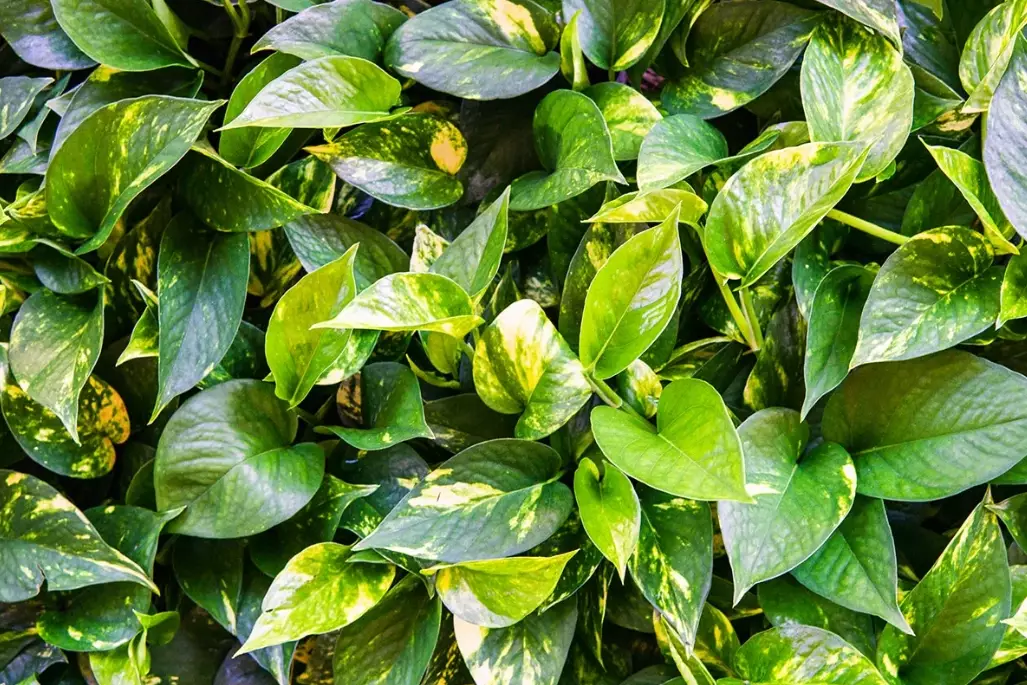
From Basic Vine to Living Sculpture: Creative Styling Ideas
Let's move past the dangling vine. Golden Pothos is incredibly malleable.
The Moss Pole Climber: This is my favorite method. Pothos are natural climbers. When you give them a moss pole or coir totem to climb, something magical happens. The leaves get massive—like, dinner-plate sized. They mature into a different, more dramatic form. Simply attach the stems to the pole with soft plant ties or clips as it grows.
The Bushy Table Centerpiece: Hate the leggy look? Prune it. Regularly pinching off the growing tips forces the plant to branch out from lower nodes, creating a fuller, bushier plant. You can root those cuttings right back in the same pot to add even more density.
The High Shelf Cascade: The classic, but done intentionally. Place it on a high shelf or in a hanging basket and let a few select vines trail down. Keep it trimmed so it doesn't get too sparse at the top.
Troubleshooting Deep Dive: Reading Your Plant's Signals
Your plant is talking to you. Here’s how to translate.
- Yellow Leaves: Usually the oldest leaves at the base. One or two is natural senescence. Many yellow leaves, especially with black stems? Classic overwatering/root rot. Yellow leaves all over? Could be severe underwatering or a nutrient deficiency.
- Brown, Crispy Leaf Tips/Edges: Low humidity or inconsistent watering (letting it get bone dry for too long). Fluoride or chlorine in tap water can also cause this. Using filtered or rainwater can help.
- Leggy Growth, Small Leaves, Loss of Variegation: Insufficient light. It's stretching to find a light source. Move it closer to a window.
- Pests: Mealybugs (white cottony masses) and spider mites (fine webbing) can appear. Wipe leaves with insecticidal soap or neem oil solution. Isolate the affected plant immediately.
Your Golden Pothos Questions, Answered by Experience
 How do I fix a Golden Pothos that's all vine and no leaves at the top?
Comments