Quick Navigation
Let's be honest. You probably saw one of those dramatic, architectural Bird of Paradise plants (you know, Strelitzia reginae or the giant white one, Strelitzia nicolai) in a fancy magazine or a stunning hotel lobby and thought, "I need that in my life." So you brought one home, full of hope. And now... maybe it's not looking so hot. The leaves are splitting weirdly, it hasn't flowered in years (or ever), or those iconic paddle-shaped leaves are starting to curl and brown at the edges.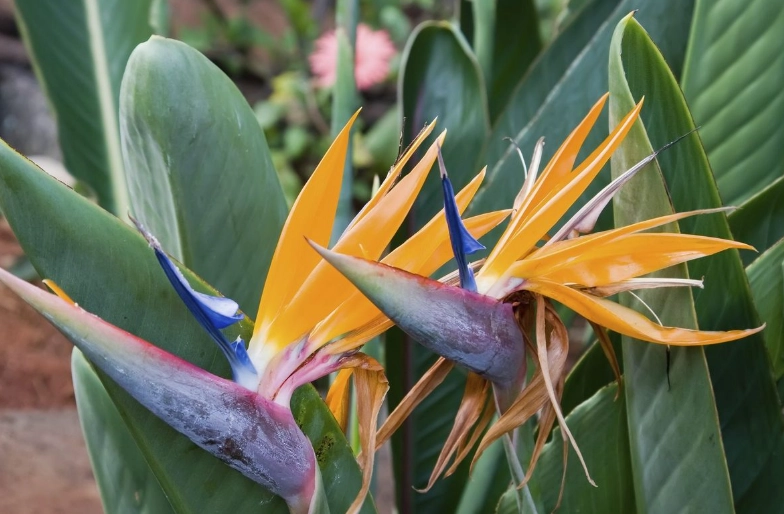
Sound familiar? I've been there. I killed my first one with kindness (read: overwatering). My second one got sunburned because I followed some generic "bright light" advice too literally. It took a few tries, some research, and learning from my mistakes to finally get the hang of it. Now, my Bird of Paradise is the proud centerpiece of my living room, pushing out new leaves regularly. The goal here isn't just to keep it alive, but to help it truly thrive. That's what caring for bird of paradise is all about—understanding its language.
This guide is everything I wish I'd known from the start. We'll ditch the vague plant advice and get into the specifics of light, water, soil, and all the little quirks that make this plant tick. Whether you're a new plant parent or you've had one for years that's just surviving, there's something here for you.
Getting to Know Your Strelitzia: It's Not Just a Pretty Face
First things first, which one do you have? The most common indoor types are the Orange Bird of Paradise (Strelitzia reginae) and the White or Giant Bird of Paradise (Strelitzia nicolai). Reginae is the classic, with orange and blue flowers that look like a bird's head. Nicolai is the monster—the one that looks like a banana tree on steroids, with white flowers. Their care is very similar, but Nicolai can tolerate slightly lower light and grows much, much larger.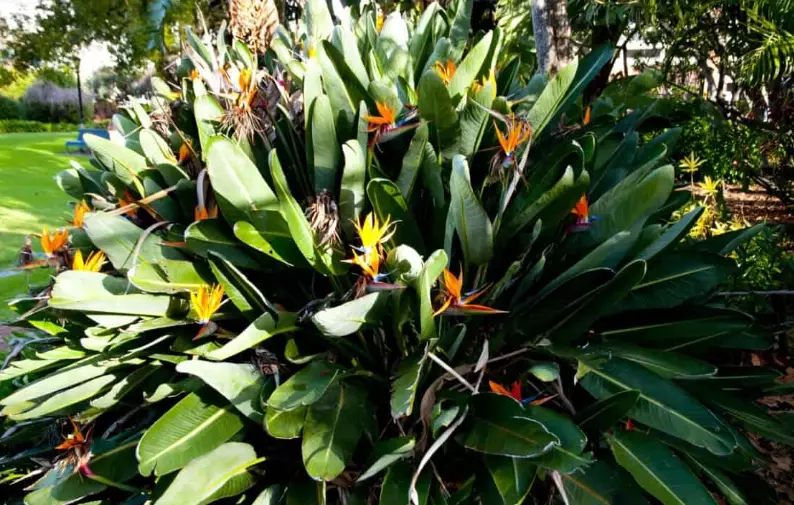
These plants hail from South Africa. That tells you a lot right there. They're used to bright, sunny days, decent warmth, and well-draining soil. They're tough. They store water in their thick, fleshy roots and stems. This is the single most important clue for caring for bird of paradise plants: they hate soggy feet. Root rot is public enemy number one.
What Your Plant is Trying to Tell You (The Secret Language)
Plants communicate through their leaves. Here’s a quick decoder ring you can use before we dive into the detailed care steps:
- Yellowing lower leaves: Usually natural aging. If it's rapid or on new leaves, think overwatering or poor drainage.
- Brown, crispy leaf edges: Classic sign of low humidity or underwatering (but check the soil first to be sure!).
- Leaves splitting along the sides: Totally normal! In the wild, this happens to prevent the large leaves from tearing in the wind. It's a sign of maturity, not a problem.
- Leaves curling inward (like a taco): This is a distress signal. It could be thirst, but more often it's a reaction to too much direct, hot sun (like a south-facing window in summer) or a cold draft.
- No new growth for months: Likely not enough light. These are not low-light plants, despite what some big-box store tags might say.
The Five Pillars of Bird of Paradise Care
Think of these as the non-negotiable elements. Get these right, and 90% of your problems disappear.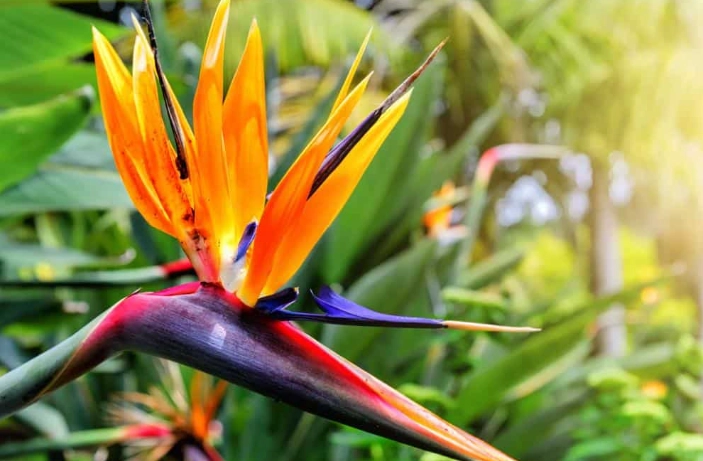
1. Light: The More, The Better (Usually)
This is the biggest make-or-break factor. Your Bird of Paradise needs bright, indirect light to thrive and, crucially, to flower (if you have a Reginae). A south or west-facing window is ideal, but you might need to pull it back a few feet or use a sheer curtain in peak summer to avoid scorching the leaves. An east-facing window can work too.
North-facing windows? Forget about it if you want growth. The plant will stagnate.
If your home is naturally dark, you'll need to consider a grow light. It's not an optional extra; it's a necessity for proper caring for bird of paradise in low-light spaces. A simple full-spectrum LED panel for 6-8 hours a day can work wonders.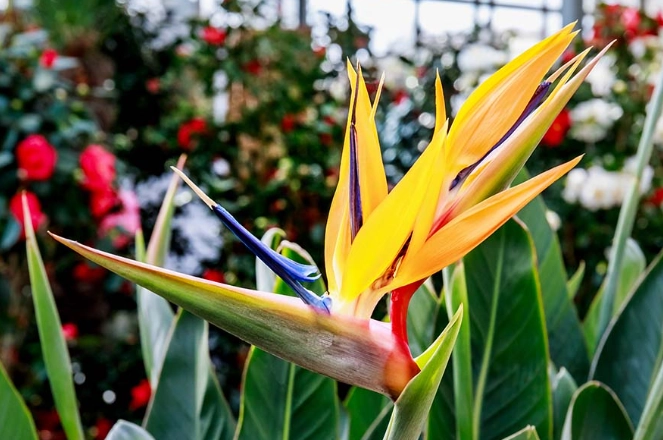
2. Watering: The Art of the Soak and Dry
This is where most people fail. You cannot water this plant on a schedule ("every Tuesday"). You must water based on soil moisture.
Here's my foolproof method:
- Stick your finger into the soil, about 2-3 inches deep. For larger pots, a wooden chopstick works great—if it comes out clean, it's dry.
- If the top 2-3 inches are completely dry, it's time to water.
- Take the plant to the sink or bathtub. Water it thoroughly, slowly pouring until you see water running freely out of the drainage holes. This ensures the entire root ball gets wet.
- Let it drain completely. Never let it sit in a saucer of water. Empty the saucer/cache pot after 30 minutes.
- Wait until it's dry again. This could be 1-2 weeks in summer, 3-4 weeks or more in winter.
3. Soil and Potting: Building the Right Foundation
Drainage, drainage, drainage. A standard, dense potting mix will hold too much water. You need to amend it.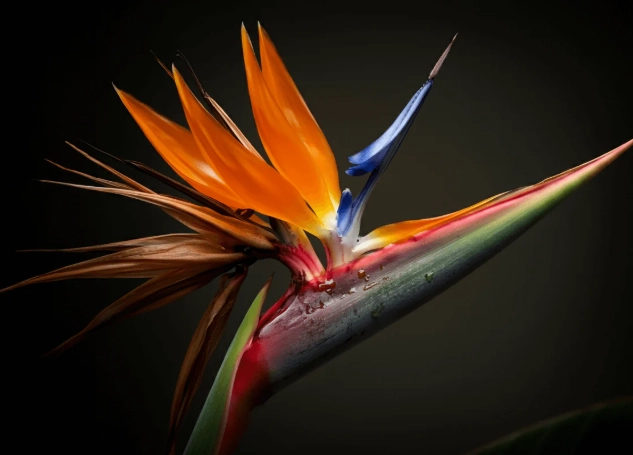
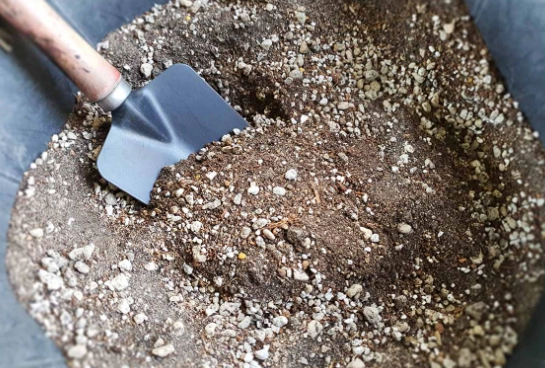
My go-to mix recipe: 2 parts quality all-purpose potting soil, 1 part perlite, 1 part orchid bark (or coarse coconut coir). The perlite and bark create air pockets, preventing compaction and allowing water to flow through quickly. You can also use a pre-mixed cactus/succulent soil and add extra perlite to it.
Pot choice: Always use a pot with drainage holes. Terracotta pots are excellent because they are porous and help wick away moisture, reducing the risk of overwatering. Plastic pots are fine too, but you'll need to be more cautious with your watering frequency.
Repotting is only needed every 2-3 years, or when you see roots circling the bottom of the pot or even pushing the plant up and out. Go up only one pot size (2-3 inches wider in diameter) at a time. Too large a pot holds excess wet soil that the roots can't reach, again leading to rot.
4. Humidity & Temperature: Creating a Comfort Zone
Bird of Paradise plants prefer moderate to high humidity (50%+), but they are surprisingly adaptable to average home humidity (around 40%). The main symptom of low humidity is those brown, crispy leaf tips and edges.
If your air is very dry (common in winter with heating), you can:
- Group it with other plants (they create a microclimate).
- Use a humidifier nearby. This is the most effective method.
- Place the pot on a pebble tray filled with water (ensure the pot sits on the pebbles, not in the water).
- Don't mist the leaves frequently. It does almost nothing for humidity and can promote fungal leaf spots if water sits in the leaf crevices.
Temperature: They like warmth, between 65°F and 85°F (18°C - 29°C). They hate cold drafts from doors, windows, or air conditioning vents. Keep them away. Temperatures below 50°F (10°C) can cause damage.
5. Feeding: Less is More
These aren't heavy feeders. During the active growing season (spring and summer), feed once a month with a balanced, water-soluble fertilizer (look for something with an equal NPK ratio like 10-10-10 or 20-20-20), diluted to half the recommended strength. You can also use a slow-release granular fertilizer sprinkled on the soil in spring.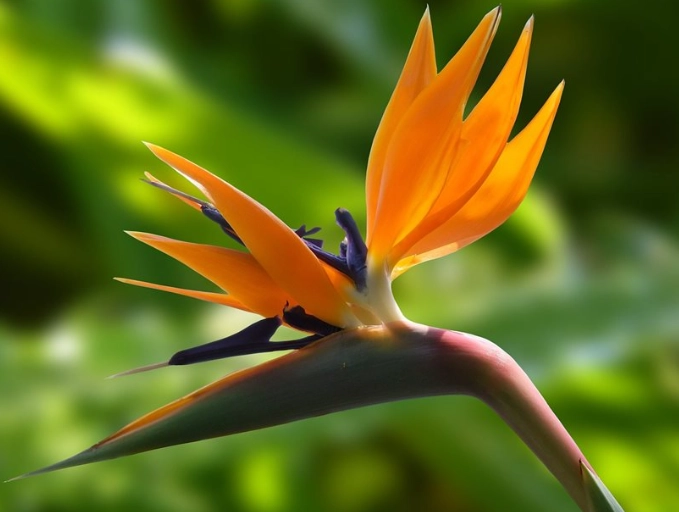
Stop fertilizing completely in fall and winter. The plant is resting, and feeding it can lead to salt buildup in the soil and burn the roots.
Common Problems & Solutions: A Troubleshooting Table
Let's get practical. Here’s a quick-reference guide to the issues you're most likely to face while caring for bird of paradise.
| Symptom | Likely Cause | Immediate Action |
|---|---|---|
| Leaves turning yellow (multiple, starting at base) | Overwatering / Poor drainage / Root rot | Check soil moisture immediately. Let dry out completely. If severe, check roots for rot. |
| Brown, crispy leaf tips and edges | Low humidity or inconsistent watering (soil drying out too much) | Increase humidity via a humidifier or pebble tray. Check watering routine—are you letting it get bone dry for too long? |
| Leaves curling lengthwise | Too much direct sun (leaf scorch) or underwatering | Move plant to a spot with bright, indirect light. Feel the soil—if dry, give it a good soak. |
| No new growth | Insufficient light | Move to a brighter location or supplement with a grow light. |
| Leaves are limp, droopy | Could be overwatering (if soil is wet) or underwatering (if soil is very dry) | Diagnose by checking soil moisture 2-3 inches down. Adjust watering accordingly. |
| Brown spots on leaves (soft, dark) | Fungal infection (often from wet leaves/poor air circulation) | Remove affected leaves. Improve air flow. Avoid getting leaves wet when watering. |
| Plant leaning heavily to one side | Reaching for light (phototropism) | Rotate the pot a quarter turn every time you water to encourage even growth. |
Advanced Care: Pruning, Cleaning, and the Elusive Flower
Pruning: It's simple. Use clean, sharp scissors or pruning shears to cut off any dead, brown, or damaged leaves at the base, as close to the soil line as possible. You can also remove older outer leaves to tidy up the plant's shape and encourage new growth from the center. Don't be shy—it's good for it.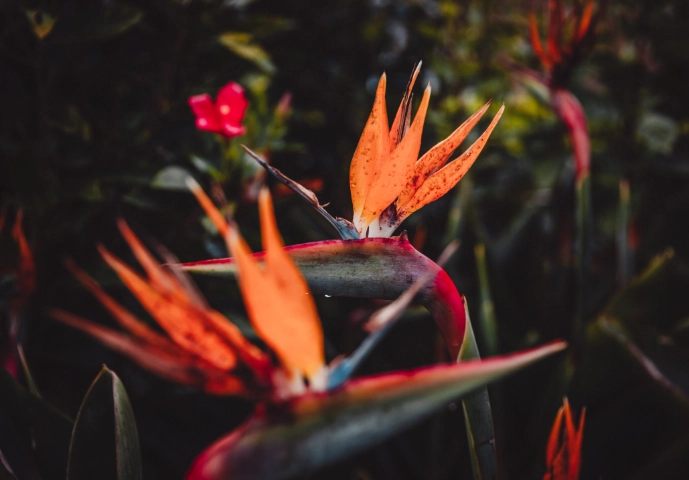
Cleaning: Those large leaves are dust magnets. Dust blocks light. Every month or so, wipe the leaves down with a soft, damp cloth. This not only keeps the plant photosynthesizing efficiently but also helps you spot pests early. I sometimes add a drop of mild dish soap to the water for a gentle clean.
Flowering (The Holy Grail for Strelitzia reginae): Let's talk about it. A mature, healthy Orange Bird of Paradise can flower indoors, but it needs near-perfect conditions: very bright light (a sunny south window is best), being slightly pot-bound (which stresses it just enough to encourage blooming), consistent care during the growing season, and maturity (plants often need to be 4-5 years old). Even then, it's not guaranteed indoors. The Giant White Bird of Paradise (nicolai) almost never flowers indoors due to its massive size requirements. So, manage your expectations. Enjoy it for its magnificent foliage, and consider a flower a wonderful bonus.
The Final Word: Embracing the Journey
Caring for a Bird of Paradise plant is a rewarding experience. It's a living sculpture that changes and grows with you. The key is to observe more and assume less. Check the soil before you water. Notice how the leaves react after you move it. It's a dialogue.
Don't stress over every little brown tip. That's part of life with houseplants. Focus on the big three: bright light, thorough but infrequent watering, and excellent drainage. Nail those, and you've mastered 95% of caring for bird of paradise plants.
For further reading on the botany and origins of these fascinating plants, resources like the Missouri Botanical Garden's Plant Finder or the University of Florida IFAS Extension offer excellent, science-based information. They're great places to dive deeper once you have the basics down.
So go on, give your plant a little check-up based on what you've read here. Maybe it needs a drink, a spin towards the light, or just a good dusting. Happy growing!

Comments