Let's be honest, you probably bought the Swiss Cheese Philodendron (Monstera adansonii) for those incredible, hole-riddled leaves. They look like nature's own art project. But then you got it home, and the questions started. Why isn't it growing? Why are the leaves turning yellow? And the big one—where are the holes?!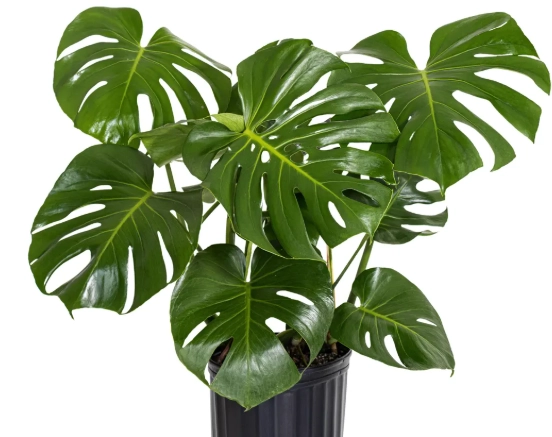
I've been there. My first adansonii sat in a dim corner for months, putting out tiny, solid leaves that looked nothing like the Instagram photos. It took some trial, error, and a few crispy leaf tips to figure it out. This guide cuts through the fluff and gives you the straight talk on keeping this popular vine not just alive, but spectacular.
What's Inside: Your Quick Guide
Getting the Light Right (It's Everything)
Light is the single most important factor for a happy Swiss Cheese Vine. Get this wrong, and nothing else really matters.
Bright, indirect light is the magic phrase. Think of the light in a room where you can read a book comfortably all day without turning on a lamp, but where the sun's rays never directly hit the leaves. An east-facing window is often perfect. A north window can work if it's big and unobstructed. A few feet back from a south or west window is also great—just use a sheer curtain as a buffer.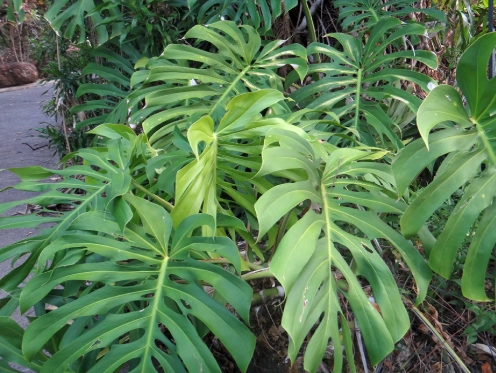
Can it handle low light? It will survive. But survival isn't the goal. In low light, growth crawls to a near halt, new leaves stay small and solid green, and the plant becomes susceptible to overwatering. Direct afternoon sun, on the other hand, will scorch those beautiful leaves, leaving crispy brown patches. No coming back from that.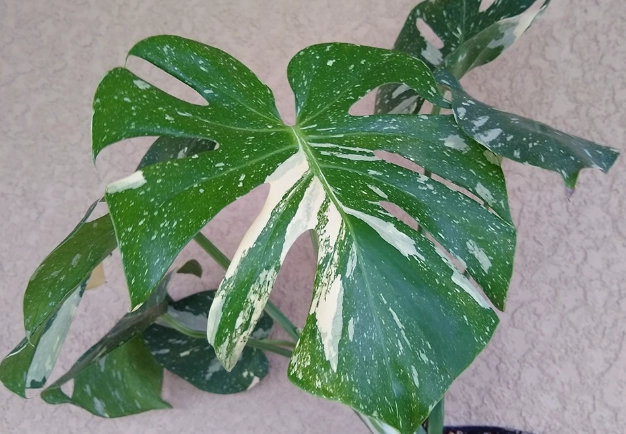
Watering Without the Guesswork & The Perfect Soil Mix
Watering is where most people kill their houseplants, and Monsteras are no exception. Forget a schedule ("Water every Tuesday"). Your plant doesn't drink on a calendar.
The Foolproof Watering Method
Stick your finger into the soil, up to about your second knuckle (roughly 2-3 inches). If the soil feels dry at that depth, it's time to water. If it feels damp or cool, wait. When you do water, do it thoroughly—pour water evenly over the soil until it runs freely out of the drainage holes. Let the pot drain completely. Never let it sit in a saucer of water.
In summer, this might be once a week. In winter, with less light and cooler temps, it could be every two or three weeks. Your plant will tell you.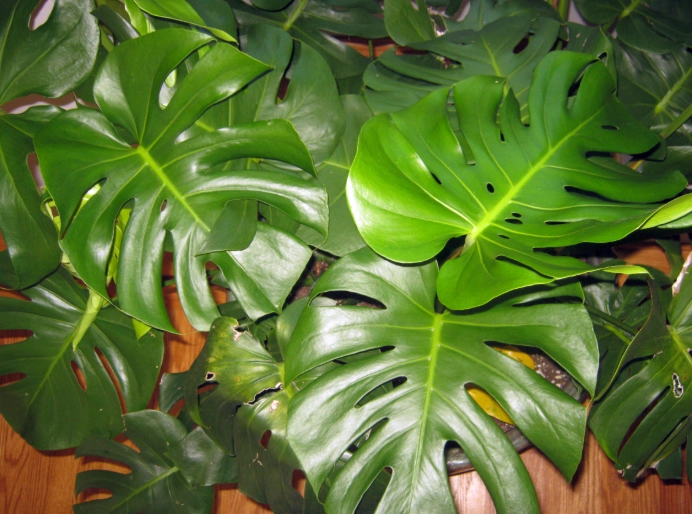
Building the Right Foundation: Soil
Your soil mix is your insurance policy against overwatering. A standard, dense potting soil holds too much moisture for too long. Monstera adansonii is an epiphyte in the wild, meaning its roots are used to air and quick drainage.
Here's a simple, effective mix you can make:
- 50% All-Purpose Potting Soil: The base.
- 30% Orchid Bark or Coco Chips: Creates air pockets for roots.
- 20% Perlite or Pumice: Dramatically improves drainage.
This chunky mix allows water to flow through quickly while retaining just enough moisture for the roots. If you must buy a pre-mix, look for an "aroid mix" or an orchid potting mix and add extra perlite.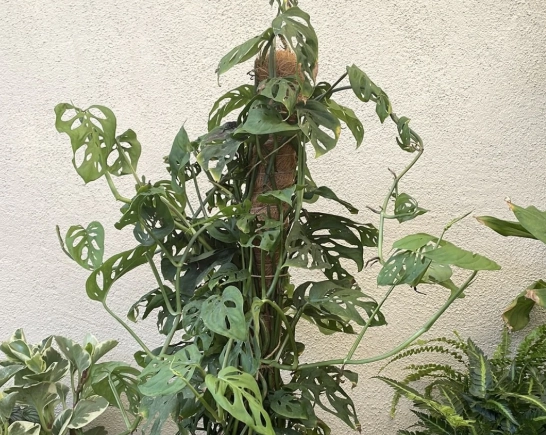
Humidity, Temperature, and Feeding
These are the supporting actors—important, but not as critical as light and water.
Humidity: Native to tropical rainforests, it loves humidity above 50%. In dry homes, especially in winter, leaf tips can brown. You can:
- Use a humidifier (most effective).
- Group it with other plants.
- Place it on a pebble tray with water (slight effect).
Misting does almost nothing for humidity and can promote fungal issues if water sits on leaves, so I skip it.
Temperature: Keep it between 65°F and 85°F (18°C - 29°C). Avoid cold drafts from windows or doors in winter, and keep it away from heating/AC vents.
Fertilizer: Feed it during the active growing season (spring and summer). A balanced, water-soluble fertilizer (like a 10-10-10 or 20-20-20) diluted to half strength every 4-6 weeks is perfect. Stop fertilizing in fall and winter. Over-fertilizing, especially with a high-nitrogen formula, can cause rapid but weak growth and ironically, fewer fenestrations.
| Care Aspect | Ideal Condition | What to Avoid |
|---|---|---|
| Light | Bright, indirect light | Low light or direct hot sun |
| Watering | When top 2-3" of soil is dry | On a strict schedule; soggy soil |
| Soil | Chunky, well-draining mix | Heavy, moisture-retentive soil |
| Humidity | >50% | Very dry air (below 40%) |
| Temperature | 65°F - 85°F (18°C - 29°C) | Cold drafts below 55°F (13°C) |
How to Propagate: Make More Plants for Free
This is the fun part. Swiss Cheese Vine is incredibly easy to propagate in water, which is why it's often sold as cuttings.
- Find a Node: Look for a healthy stem with at least one leaf and one node. The node is that brownish, ring-like bump on the stem where leaves and aerial roots emerge. This is where new roots will grow. You must include a node.
- Make the Cut: Using clean scissors or pruners, cut about a half-inch below the node.
- Place in Water: Put the cutting in a jar of room-temperature water, ensuring the node is submerged but the leaf is not. Place it in bright, indirect light.
- Wait and Refresh: Change the water every 5-7 days to keep it fresh. You should see little white roots emerging from the node in 2-4 weeks.
- Potting Up: Once the roots are a few inches long, you can pot the cutting into the chunky soil mix described above. Keep the soil slightly more moist than usual for the first week or two as it transitions from water to soil.
That's it. You've just cloned your plant.
Fixing Common Problems (Yellow Leaves, No Holes, Pests)
Yellow Leaves
The diagnosis depends on the pattern.
- Lower, older leaves turning yellow slowly: This is often natural aging. The plant sheds its oldest leaves.
- Multiple leaves yellowing, often with soft stems: Classic overwatering and potential root rot. Check the soil! Let it dry out more between waterings. In severe cases, you may need to repot into fresh, dry soil and trim away any black, mushy roots.
- Yellow leaves with crispy brown edges: Could be underwatering, low humidity, or fertilizer burn.
The Infamous "No Holes" Dilemma
If your mature plant is putting out solid leaves, it's almost always a light issue. Move it to a brighter spot. Also, consider its age—very young plants often don't produce fenestrated leaves. Patience and more light are key. As mentioned, check your fertilizer isn't too high in nitrogen.
Pests
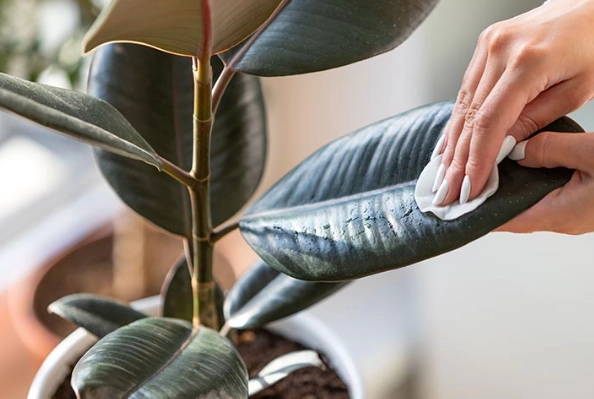
Keep an eye out for spider mites (tiny webbing, stippled leaves) and mealybugs (little white cottony blobs). Isolate any infected plant immediately. Wipe leaves with a damp cloth regularly to deter mites. For treatment, insecticidal soap or neem oil sprays are effective. Consistency is crucial—treat every 5-7 days for a few weeks to break the life cycle.
Your Questions, Answered
The Swiss Cheese Philodendron isn't a difficult plant, but it's a plant with clear preferences. Give it the bright, indirect light it craves, water it wisely in a chunky soil mix, and it will reward you with that stunning, jungle-vine growth. Don't stress over every little leaf. Observe it, learn from it, and enjoy the process. That's the real secret to keeping any plant happy.
Comments