I remember the first bougainvillea I planted—it was a scraggly thing from a nursery, and I nearly killed it with kindness. Too much water, not enough sun, and I pruned it at the wrong time. Sound familiar? Bougainvillea, with its papery bracts in shades of pink, purple, and red, is a showstopper, but it's also finicky if you don't know the rules. After a decade of trial and error (and helping friends revive their own plants), I've nailed down what really works. This guide cuts through the noise to give you actionable advice for growing bougainvillea that thrives, whether in pots or gardens.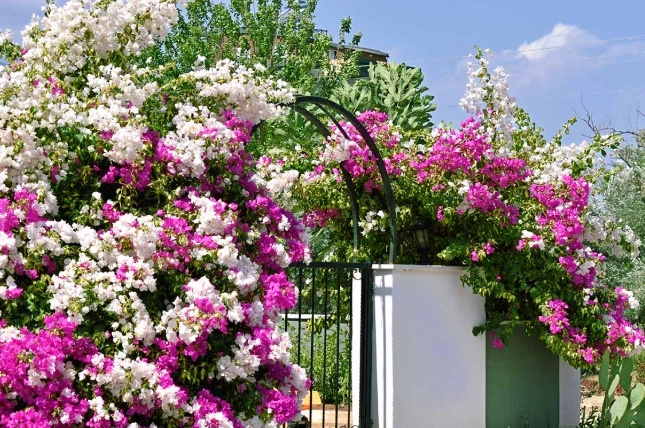
What You'll Learn in This Guide
Essential Growing Conditions for Bougainvillea
Get this right, and half your battle is won. Bougainvillea isn't a plant for shady corners or soggy soil—it's a sun-worshipper from tropical regions.
Sunlight: Non-Negotiable for Blooms
Bougainvillea needs at least 6 hours of direct sunlight daily. I've seen plants in partial shade survive, but they become leggy with sparse flowers. In hot climates like Florida or California, full sun all day is ideal. If you're growing indoors, place it within a foot of a south-facing window. East or west windows might not provide enough intensity; consider supplementing with grow lights during darker months. A friend in Seattle uses LED lights for 12 hours a day, and her bougainvillea blooms sporadically even in winter.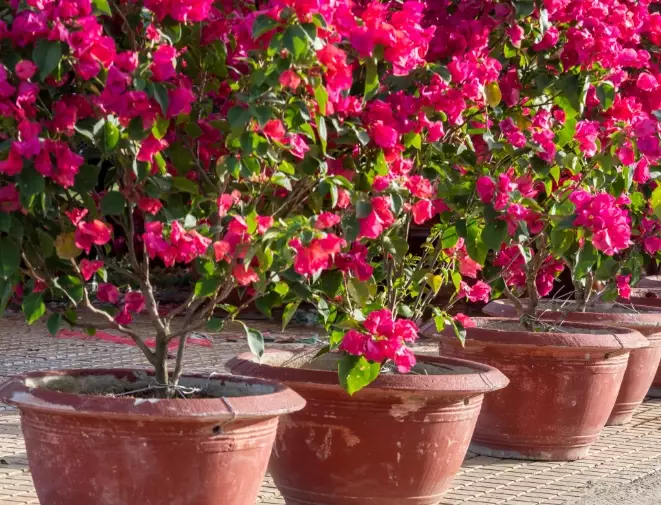
Soil and Drainage: The Root of Success
This is where many go wrong. Bougainvillea hates wet feet. Use a well-draining potting mix—I combine standard potting soil with 30% perlite or coarse sand. For garden planting, amend clay soil with compost and sand to improve drainage. The Royal Horticultural Society notes that bougainvillea prefers slightly acidic to neutral soil (pH 5.5-7.0), but drainage matters more than pH. If water pools after rain, raise the bed or use containers.
Temperature and Climate Considerations
Bougainvillea thrives in USDA zones 9-11, tolerating temperatures down to 30°F (-1°C) briefly. In colder areas, grow it in pots and bring indoors before frost. I've kept potted plants in an unheated garage over winter (above 40°F), and they went dormant but bounced back in spring. Avoid sudden temperature swings; indoor plants near drafty windows can drop leaves.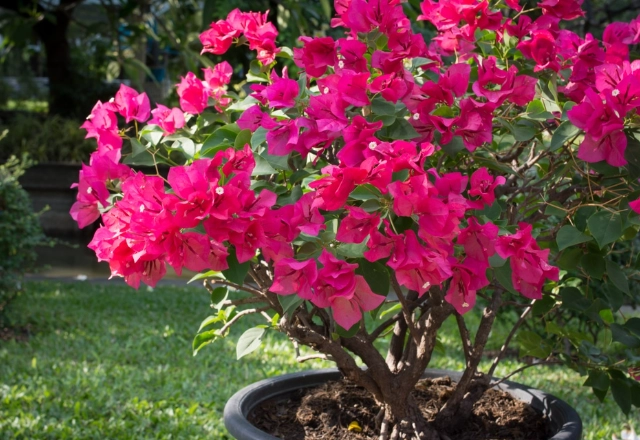
Watering and Feeding Tips: The Balancing Act
Watering bougainvillea is less about frequency and more about reading the plant. Overwatering is the top killer—I learned this the hard way when my first plant developed root rot.
How to Water Bougainvillea Correctly
Let the soil dry out between waterings. Stick your finger 2-3 inches into the soil; if it feels dry, it's time to water. In summer, this might be once a week for potted plants, less for in-ground ones. In winter, reduce watering to every 2-3 weeks, especially if dormant. Use room-temperature water to avoid shock. A deep, thorough watering is better than frequent sprinkles—it encourages deeper roots.
Fertilizing for Flowers, Not Just Foliage
Bougainvillea isn't a heavy feeder, but it benefits from balanced nutrition. Use a fertilizer with higher phosphorus (the middle number in N-P-K ratios) to promote blooms. I apply a 10-20-10 water-soluble fertilizer monthly during the growing season (spring to early fall). Avoid high-nitrogen fertilizers, which lead to lush leaves but few flowers. Some gardeners swear by adding bone meal or bloom boosters, but consistency matters more. For organic options, compost tea works well.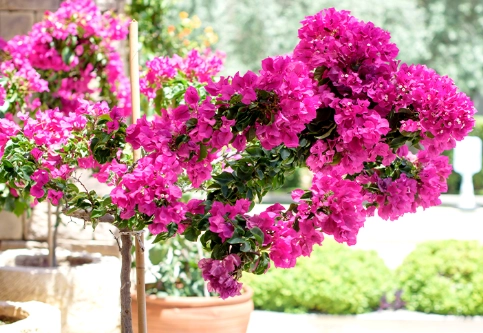
| Fertilizer Type | Application Frequency | Best For |
|---|---|---|
| Balanced (10-10-10) | Every 4-6 weeks | General health, if soil is poor |
| High Phosphorus (10-20-10) | Monthly in growing season | Boosting flower production |
| Slow-Release Granules | Every 3 months | Low-maintenance gardens |
| Compost or Manure | Twice a year (spring/fall) | Organic enrichment |
Pruning and Maintenance for Maximum Blooms
Pruning bougainvillea isn't just about shape—it triggers new growth where flowers form. But timing is everything.
When and How to Prune Bougainvillea
Prune after a flowering cycle, typically in late spring or early summer. I use sharp bypass pruners to cut back leggy stems by one-third, focusing on old wood. Avoid heavy pruning in fall or winter, as this can reduce next season's blooms. For shaping, pinch back tips regularly to encourage bushiness. Wear gloves—those thorns are sharp! A neighbor prunes hers into a tree form by selecting a main stem and removing lower branches; it's stunning but requires patience.
Training and Support
Bougainvillea can be trained on trellises, fences, or as ground cover. Use soft ties to secure stems without damaging them. In windy areas, provide sturdy support to prevent breakage. I've seen creative uses like espalier against walls—it maximizes sun exposure and saves space.
Troubleshooting Common Issues (Like No Flowers!)
If your bougainvillea isn't blooming, don't panic. It's usually fixable. Let's break down the common problems.
Why Is My Bougainvillea Not Flowering?
The top reasons: insufficient sunlight, over-fertilizing with nitrogen, or improper pruning. I had a plant that refused to bloom until I moved it to a sunnier spot—within weeks, it burst into color. Other factors include overwatering (which promotes leafy growth) or planting in too-rich soil. Bougainvillea actually blooms better when slightly root-bound in pots. If all else fails, try a "stress" technique: reduce watering slightly for a few weeks to simulate drought, which can trigger flowering.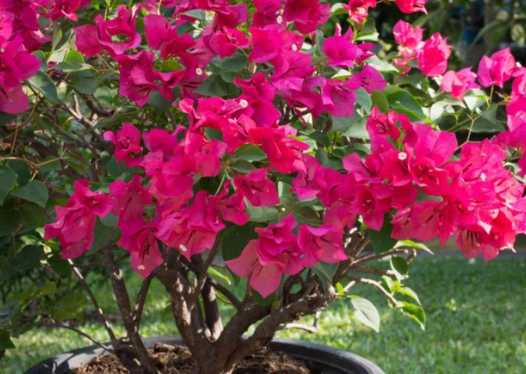
Pests and Diseases: Prevention and Treatment
Bougainvillea is relatively pest-resistant, but watch for aphids, caterpillars, and scale. I spray with a mild soap solution (1 tsp dish soap per quart of water) weekly if infestations occur. For diseases, root rot from overwatering is the main issue. Fungal leaf spot can appear in humid conditions—improve air circulation and avoid overhead watering. The University of Florida IFAS Extension recommends using fungicides only as a last resort; cultural practices often suffice.
Here's a quick checklist for healthy plants:
- Sunlight: 6+ hours direct sun daily.
- Water: Let soil dry between waterings.
- Soil: Well-draining mix, avoid compaction.
- Fertilizer: Use bloom-boosting formulas sparingly.
- Prune: After flowering, not in dormant seasons.
Your Bougainvillea Questions Answered
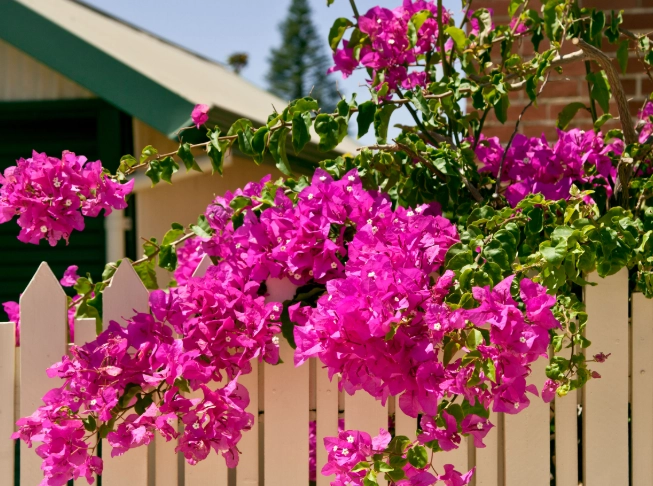
Growing bougainvillea isn't rocket science, but it demands attention to detail. Start with sun and drainage, then tweak watering and feeding based on your plant's response. I still lose a branch now and then to over-enthusiastic pruning, but that's part of the learning. For more resources, check out the Royal Horticultural Society's plant guides or local extension services—they offer region-specific advice. Happy growing, and may your bougainvillea burst with color!


Comments