Quick Navigation
So you've decided to bring home an aloe vera plant. Good choice. Honestly, it's one of the best starter plants you can get – tough, useful, and pretty hard to kill if you know a few basic rules. But here's the thing I see all the time: people get excited, buy a cute little aloe pup, shove it in any old pot with garden soil, and wonder why it turns brown and mushy a few months later. It's a bit heartbreaking.
The secret isn't just in the watering. It starts right at the very beginning, with how you plant an aloe vera plant. Get that part wrong, and you're fighting an uphill battle from day one. Get it right, and you'll have a resilient, growing companion for years that might even gift you with baby plants (they're called "pups") to share or pot up separately.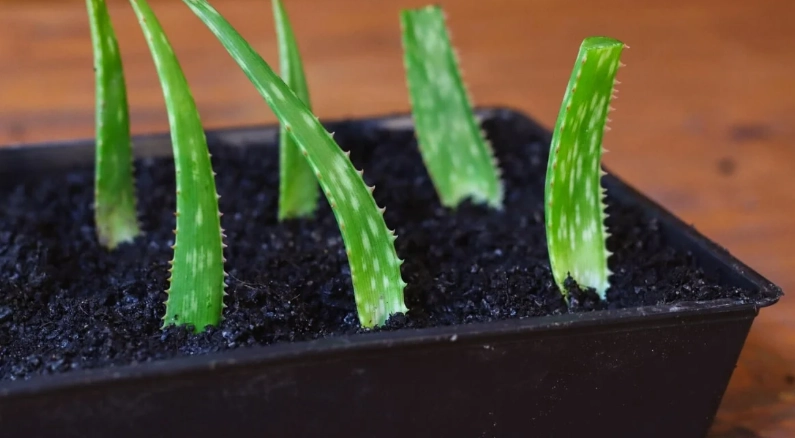
This isn't a complex scientific manual. It's the stuff I've learned from keeping aloes alive (and accidentally killing a few) over the years, plus a lot of digging into what actually works. We'll walk through everything, step-by-step, no jargon. Let's get your aloe off to the best possible start.
Before You Even Touch the Pot: Gathering Your Supplies
Jumping straight in is tempting, but a little prep makes the actual planting of your aloe vera plant smooth and successful. Think of it like gathering ingredients before you cook.
The Star of the Show: Your Aloe Vera Plant
You usually have two options: a mature plant from a nursery or a smaller "pup" (offset) from a friend's plant or your own. Pups are fantastic because they're free and you get the satisfaction of growing from a baby. Look for pups that are a decent size, about one-quarter to one-third the size of the mother plant, with a few roots of their own already starting.
If you're buying, give it a gentle squeeze. Leaves should be firm and plump, not soft or wrinkled. Check the base and leaves for any brown, mushy spots or weird discoloration. A healthy green-grey color is what you want.
The Right Pot: It's All About the Drainage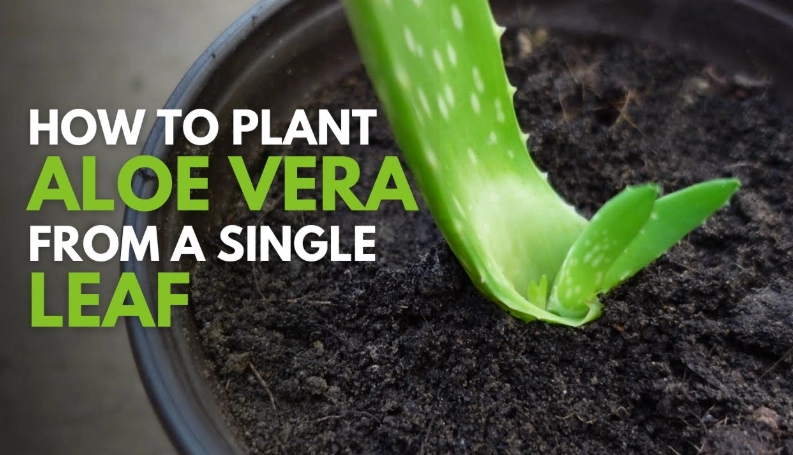
This might be the most important decision. The pot must have a drainage hole. I'll say it again: a drainage hole is non-negotiable. No holes? That's a decorative cache pot, not a planting pot. You can use it by placing a plastic pot with holes inside it, but never plant directly into a hole-less container.
Material matters too. Terra cotta (clay) pots are my personal favorite for aloe. They're porous, which means they allow the soil to dry out from the sides as well as the bottom, preventing root rot. Plastic pots retain moisture longer, which means you have to be even more careful with watering. Ceramic glazed pots are heavy and beautiful but also hold moisture; just ensure they have that crucial hole.
Size is another common mistake. Don't put a tiny aloe in a huge pot. The excess soil holds too much water for the small root system to absorb, leading to soggy conditions. Choose a pot that's just 1-2 inches wider in diameter than the root ball of your aloe. They like being slightly snug.
The Perfect Soil Mix: Don't Use Garden Soil!
This is where many beginners trip up. Regular potting soil or, worse, dirt from your yard, is too dense and retains too much moisture. Your aloe's roots will suffocate and rot.
You need a fast-draining, gritty mix. Here are your best bets, from easiest to most DIY:
- A Bag of "Cactus & Succulent Mix": The simplest solution. It's pre-mixed for good drainage. I find some brands are still a bit too organic, so I often mix in a handful of perlite or coarse sand to make it grittier.
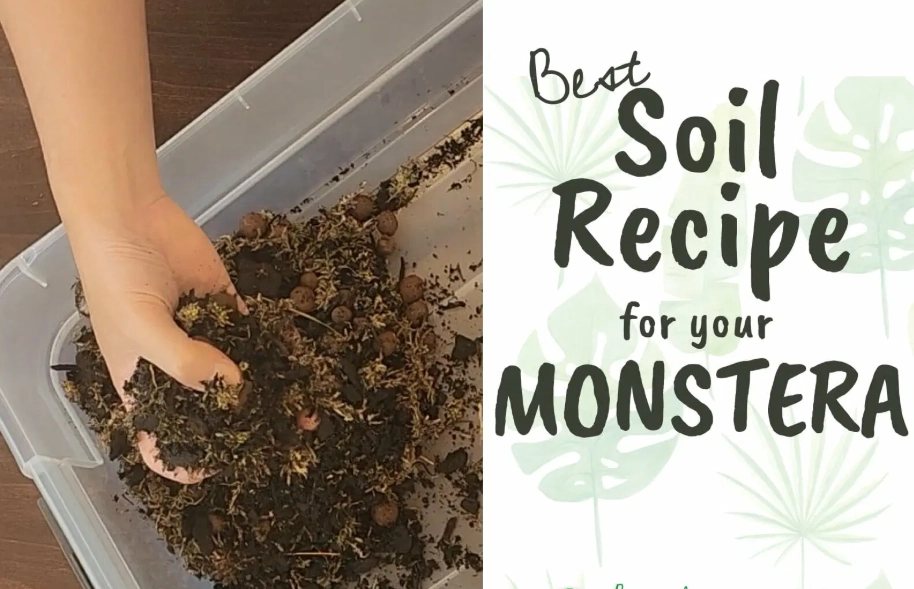
- The DIY Gold Standard: Mix 2 parts regular potting soil with 1 part perlite and 1 part coarse sand (like horticultural sand or builder's sand, not fine beach sand). This creates the perfect airy, well-draining environment.
- For the Enthusiast: A even more draining mix could be equal parts potting soil, perlite, and pine bark fines. This is overkill for most, but great if you tend to over-love with the watering can.
Other Handy Tools
You don't need much: a trowel or large spoon, some newspaper or an old tray to work on (it can get messy), and maybe a pair of gloves if you don't like dirt under your nails. If you're separating a pup from a mother plant, a clean, sharp knife is useful.
The Step-by-Step: How to Plant Your Aloe Vera Plant
Alright, supplies are ready. Let's get our hands dirty. This process applies whether you're repotting a store-bought plant, potting a pup, or giving an established plant a new home.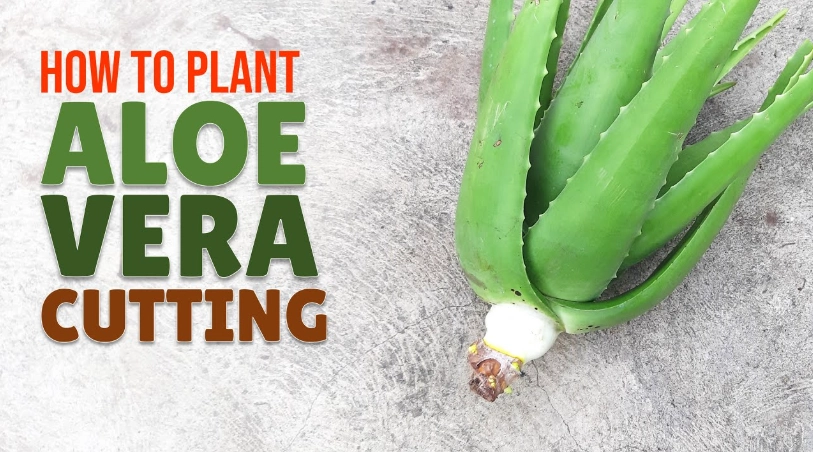
Step 1: Prep the Pot
Place a small piece of broken pottery, a pebble, or a coffee filter over the drainage hole. This stops soil from washing out while still allowing water to flow freely. Don't block it completely.
Step 2: Add a Soil Base
Fill the bottom third of your pot with your prepared cactus/succulent mix. Don't pack it down hard; just tap the pot gently to settle it.
Step 3: Prepare the Aloe Plant
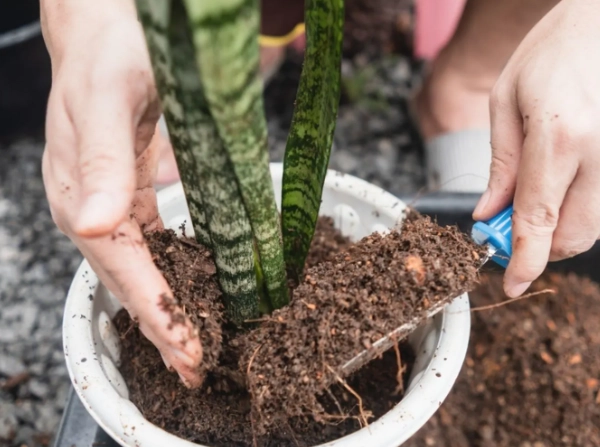
This is the crucial step for how to plant an aloe vera plant properly. Gently remove the aloe from its current container. If it's a nursery pot, squeeze the sides and tilt it. For a pup, gently dig around it and tease it away from the mother plant's roots.
Now, inspect the roots. Shake off most of the old soil. See any roots that are black, mushy, or dried up and stringy? Snip those off with clean scissors. Healthy roots are firm and light in color. If the plant has a long, stretched stem (called a "leggy" aloe), you can actually plant it deeper to cover some of that stem—it will root from it.
Some people recommend letting the plant sit out for a day or two to let any root cuts callous over, especially if you did significant root trimming. For a simple repot with healthy roots, you can often skip this, but it's a safe practice.
Step 4: Position and Fill
Place your aloe in the center of the pot on top of the soil base. Hold it so that the base of the lowest leaves will sit just below the rim of the pot. You want to avoid burying the green, fleshy part of the leaves in soil, as this can cause rot. Aim to have only the base of the stem and the roots covered.
Now, gently fill in around the roots with more of your soil mix. Tap the pot on the table occasionally to help soil settle into air pockets. Don't press down aggressively—you want the soil to remain airy.
Step 5: The Initial Watering (or Not?)
Here's a point of debate. If your aloe had healthy, unbroken roots and you didn't do major surgery, you can give it a light watering to help settle the soil. Water until it just starts to run out the bottom, then stop.
Step 6: The First Few Weeks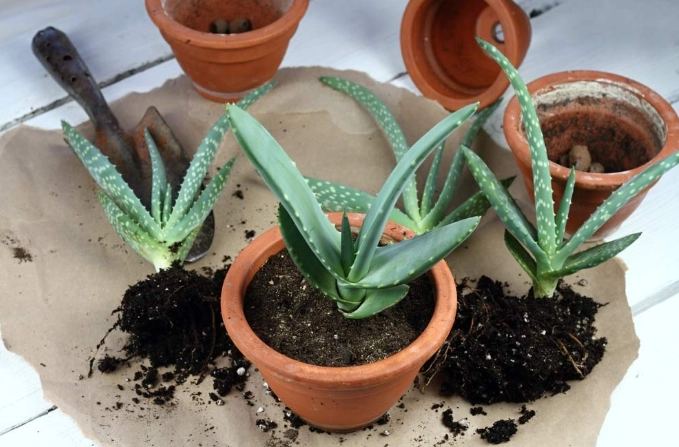
Place your newly potted aloe in a spot with bright, indirect light. Avoid direct, scorching afternoon sun for the first week or two while it settles. Then, you can move it to a sunnier spot if desired. Resist the urge to water again until the soil is completely dry, which might take a while since you just watered it and the roots are settling.
And that's it. The core process of how to plant an aloe vera plant is simple. The devil, as they say, is in the details—the right pot, the right soil.
Beyond Planting: The Care Guide to Keep It Thriving
Planting is just the first date. The long-term relationship is about care. Let's break down what your aloe needs to not just survive, but flourish.
Light: How Much Sun is Just Right?
Aloe vera loves bright light. A south or west-facing window is ideal. You'll know it's getting enough light if it grows compact and upright, with a rich green or grey-green color.
- Signs of too little light: The plant becomes "leggy," stretching out with long spaces between leaves. The leaves may also flatten out or droop.
- Signs of too much direct sun: The leaves turn a brownish or reddish color (this is called "sun stress"). In extreme cases, they can get sunburned—dry, brown, crispy patches. If moving from low light to direct sun, do it gradually over a week.
Watering: The Art of Neglect
This is the number one killer of aloe plants. Overwatering. Your goal is to mimic the desert downpours it's adapted to: a thorough soak followed by a long, complete dry period.
The Golden Rule: Water deeply, then wait until the soil is completely dry all the way through the pot before watering again. Don't water on a schedule (like "every Tuesday").
How to check: Stick your finger into the soil up to the second knuckle. If it feels dry, wait a few more days and check again. For larger pots, you can use a wooden chopstick—if it comes out clean, it's dry. In winter, when growth slows, you might only need to water once a month or even less.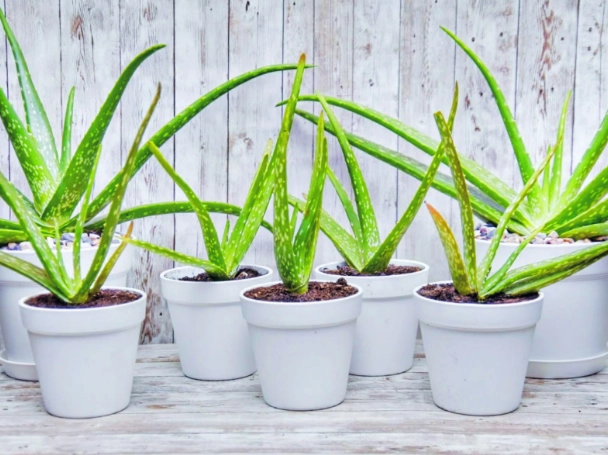
Temperature and Humidity
Aloe vera prefers average room temperatures between 55-80°F (13-27°C). It's not frost-hardy at all. If you put it outside for the summer, bring it in well before the first frost. Average household humidity is just fine; they don't need the high humidity that tropical plants crave.
Feeding: Less is More
You don't need to fertilize often. A light feeding once at the beginning of the growing season (spring) and maybe once more in mid-summer is plenty. Use a balanced, water-soluble fertilizer (like a 10-10-10) diluted to half the recommended strength. Or use a fertilizer specifically formulated for cacti and succulents. Don't fertilize in fall or winter.
Troubleshooting: What's Wrong With My Aloe?
Even with the best care, things can go sideways. Here's a quick diagnostic table for common issues. This is the stuff you'll actually search for when you're worried about your plant.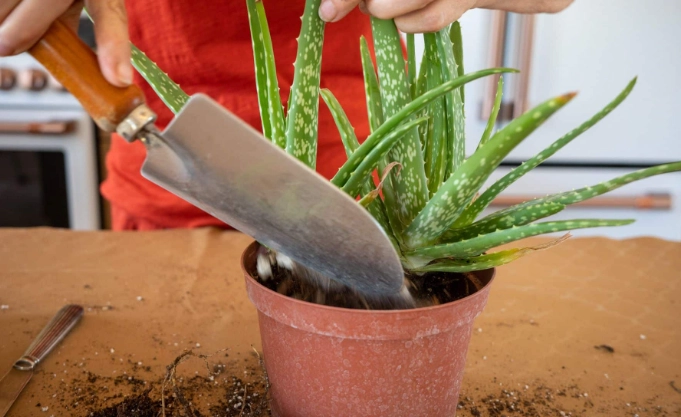
| Symptom | Likely Cause | How to Fix It |
|---|---|---|
| Soft, mushy, brown leaves | Overwatering / Root Rot | Stop watering immediately. Remove plant from pot, cut away all black/mushy roots and leaves. Repot in fresh, dry cactus mix. Don't water for at least a week. |
| Thin, curled, wrinkled leaves | Underwatering | Give the plant a thorough, deep drink. The leaves should plump up in a day or two. Adjust your watering schedule. |
| Brown, dry, crispy leaf tips | Underwatering, or chemical/salt buildup | Ensure consistent watering. Try using filtered or distilled water for a while, and flush the soil by running water through it every few months. |
| Leaves turning brown or red | Too much direct sunlight (Sun stress) | Move to a spot with bright but indirect light. The color may fade back to green over time. |
| Plant is leggy, stretching | Not enough light | Gradually move to a brighter location. You can also behead and replant the top rosette. |
| White or brown scale insects | Pest infestation | Wipe off with a cotton swab dipped in rubbing alcohol. For larger issues, use insecticidal soap or neem oil. |
Leveling Up: Propagation and Harvesting
Once your aloe is happy, it will reward you with babies (pups). Learning how to plant an aloe vera plant pup is how you get free plants.
Wait until the pup is a good size (about 3-4 inches tall) and has developed its own roots. Gently separate it from the mother plant, using a clean knife if necessary. Let the cut end dry for a day, then pot it up in a small pot with cactus mix, following the same steps above. Don't water for about a week.
Want to use the gel? Only harvest from mature, outer leaves. Cut a leaf close to the base with a clean knife. Stand it upright in a glass for 10-15 minutes to let the yellow latex (aloin, a laxative) drain out. Then, you can fillet the leaf and scoop out the clear gel inside. It's great for minor burns, sunburns, or skin irritation. For comprehensive information on the uses and properties of aloe vera gel, reputable sources like the National Institutes of Health (NIH) database often have research summaries, though always consult a medical professional for serious health concerns.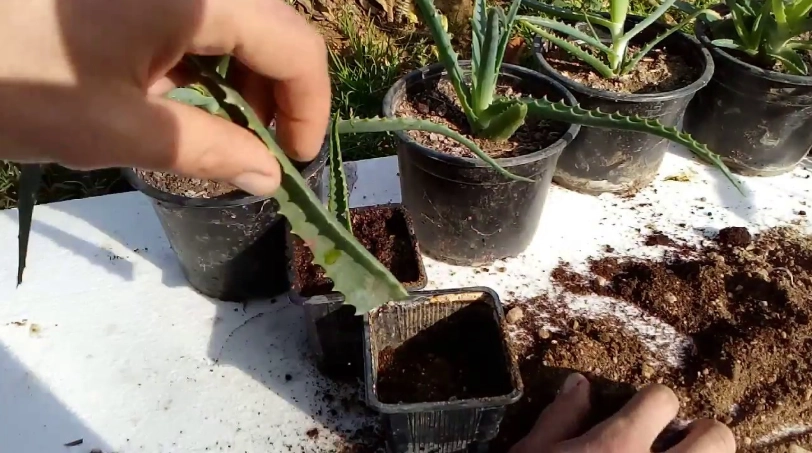
Look, at the end of the day, knowing how to plant an aloe vera plant correctly is about understanding where it comes from. It's a desert survivor. Give it the gritty soil and infrequent floods it evolved for, and it will be one of the most low-maintenance, rewarding plants on your windowsill. Forget to water it for a few weeks? It shrugs. Give it too much love with the watering can? That's what it can't handle.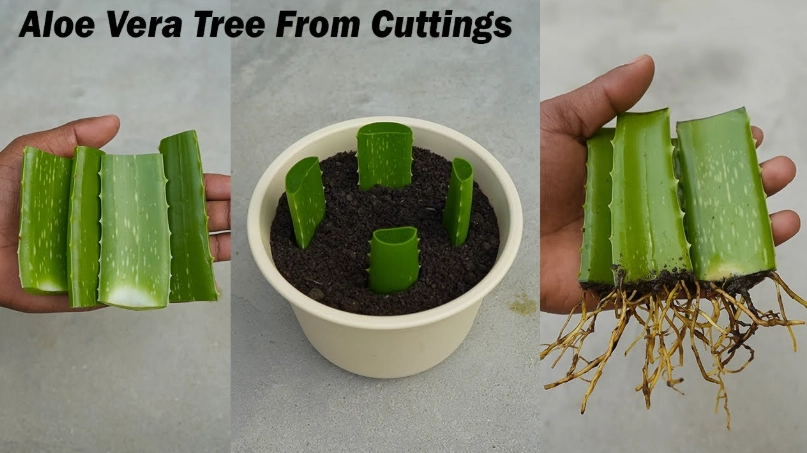
Start it right in a good pot with great soil, and you've already won half the battle. The rest is just watching and learning its rhythms. Good luck, and enjoy your new spiky friend.


Comments