Quick Guide
- What "Full Sun" Actually Means for Your Rosemary Plant
- Signs Your Rosemary Isn't Getting Enough Sun
- The Partial Shade Compromise: What Happens and Can It Work?
- Rosemary Varieties and Their Sun Tolerance
- Practical Tips for Growing Rosemary in Less-Than-Ideal Sun
- The Other Extreme: Can Rosemary Get Too Much Sun?
- Indoor Rosemary: The Ultimate Sunlight Challenge
- Common Questions (The Stuff You're Really Searching For)
- Final Verdict: So, Does Rosemary Need Full Sun?
Alright, let's tackle this head-on. You've probably heard it a million times: rosemary is a sun-loving Mediterranean herb. And that's mostly true. But if you're staring at a spot in your garden that gets maybe five hours of sun, or your balcony is partly shaded, you're likely asking yourself, does rosemary need full sun absolutely, or can I get away with less? The short, honest answer is yes, it prefers and truly thrives in full sun. But the longer, more practical answer—the one that actually helps you grow the plant—is a bit more nuanced. It's not just a yes or no. It's about understanding what "full sun" means for rosemary, what happens when it doesn't get it, and how you can work with what you've got.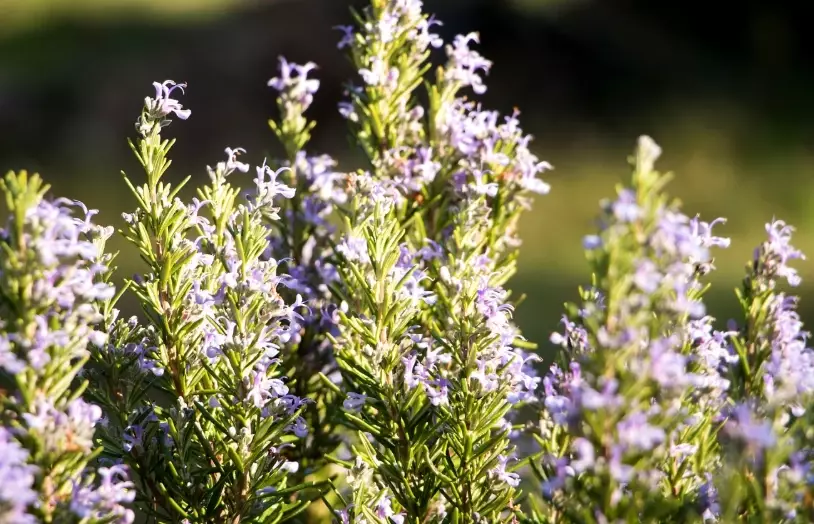
I've killed my fair share of rosemary plants over the years, some from too much neglect, others from too much... enthusiasm. One of the first ones I lost was in a spot I thought was sunny enough. It wasn't. It got leggy, weak, and eventually just gave up. So, let's break this down so you don't make the same mistakes.
What "Full Sun" Actually Means for Your Rosemary Plant
When plant tags and gardening guides say "full sun," they're not just being poetic. For rosemary, and most herbs from its native habitat, this term has a specific meaning that directly impacts its health, flavor, and growth habit.
The Gold Standard: For optimal growth, rosemary desires at least 6 to 8 hours of direct, unfiltered sunlight per day. Eight or more is even better. This isn't dappled light under a tree or bright indirect light from a north-facing window. We're talking about the plant baking in the glorious, direct rays of the sun for the majority of the day.
Why is this so non-negotiable for a happy plant? Rosemary hails from the dry, rocky hillsides of the Mediterranean region. Its entire biology is a love letter to sun-drenched conditions.
- Essential Oil Production: The intense, aromatic oils that give rosemary its incredible scent and flavor are synthesized most vigorously under strong sunlight. Less sun often means a milder, less potent herb. What's the point of growing it if it tastes like bland grass?
- Sturdy, Compact Growth: Ample sun encourages the plant to grow dense and bushy, with strong, woody stems. In lower light, it gets "leggy"—stretching out with long gaps between leaves as it desperately reaches for more light. This makes for a weak, floppy plant that's more susceptible to damage.
- Disease Resistance: Good airflow and sunlight help keep the foliage dry and prevent fungal diseases like powdery mildew, which thrives in cool, damp, shady conditions. A damp rosemary plant in the shade is an unhappy plant waiting for trouble.
- Winter Hardiness: This one surprised me. A rosemary plant that enters the colder months in a robust, healthy state (thanks to a summer of full sun) has a much better chance of surviving light frosts or winter stress than a weakened one.
So, when we ask does rosemary need full sun, we're really asking if we want the vibrant, flavorful, resilient version of the plant. And the answer to that is a resounding yes.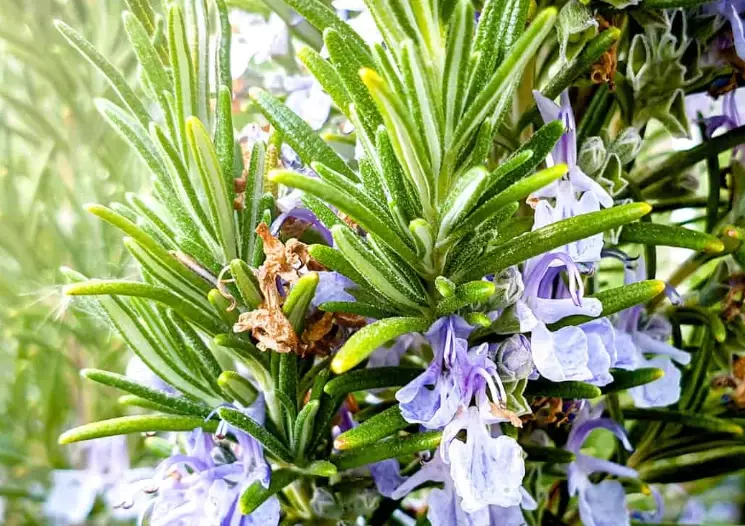
Signs Your Rosemary Isn't Getting Enough Sun
Rosemary is pretty communicative. If it's languishing in the shadows, it will tell you. Here’s what to look for—these are the red flags.
The Tell-Tale Signs of Light Starvation:
- Leggy, Sparse Growth: This is the number one giveaway. Instead of a tight, bushy mound, you get long, spindly stems with lots of space between the needle-like leaves. The plant looks stretched and awkward.
- Weak, Floppy Stems: The stems lack the strength to hold themselves upright, especially new growth. They may flop over or need support.
- Poor Flavor and Aroma: When you rub the leaves, the scent is faint. If you taste one, it lacks that characteristic piney, pungent kick.
- Slow or Stunted Growth: The plant seems to just sit there, putting on very little new growth even during the prime growing season (spring/summer).
- Increased Pest Problems: A stressed plant is a magnet for pests like spider mites or aphids. Weak growth is easier for them to attack.
- Leaf Drop: In severe cases, especially on the inner, older parts of the plant that get the least light, leaves may turn yellow and fall off.
I had a 'Tuscan Blue' rosemary in a pot that started showing the leggy growth. I kept thinking it was a watering issue. Nope. Moved it to a sunnier spot, and it stopped stretching and started filling out. Sometimes the fix is that simple.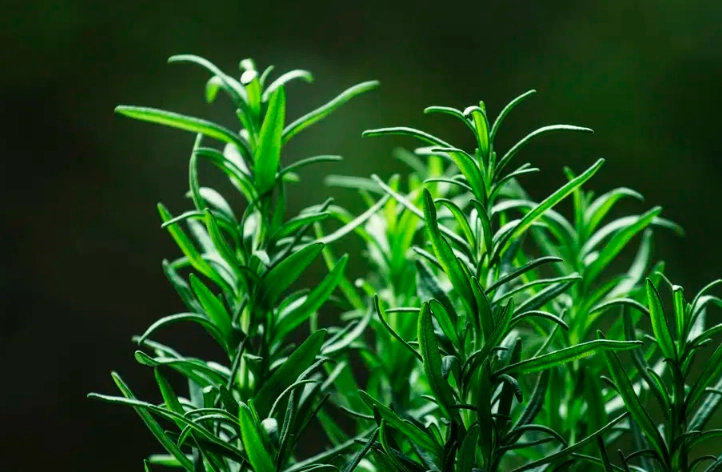
The Partial Shade Compromise: What Happens and Can It Work?
Let's be real. Not everyone has a perfect south-facing garden wall. You might have a patio with afternoon shade from a building, or a yard with mature trees. So, what if you only have "partial sun" (typically defined as 4-6 hours of direct sun)? Can rosemary survive in partial shade?
It can survive, but it won't thrive in the same way. This is the crucial distinction. You're essentially asking the plant to live outside its ideal comfort zone. The outcome depends heavily on the quality of that partial sun.
Key Distinction: Morning sun with afternoon shade is generally better for rosemary than morning shade with afternoon sun in hotter climates. Why? Morning sun helps dry dew from the leaves, reducing disease risk, while the afternoon shade protects it from the most intense, scorching heat of the day. In cooler climates, the opposite might be true—you'd want the afternoon sun for warmth.
If you're in a very hot climate (think Arizona, Texas, or similar), intense afternoon sun can sometimes stress even rosemary. In those cases, a location with bright, direct morning sun and dappled or light shade during the peak afternoon heat can actually prevent scorching. But note—this is still a lot of bright light, not deep shade.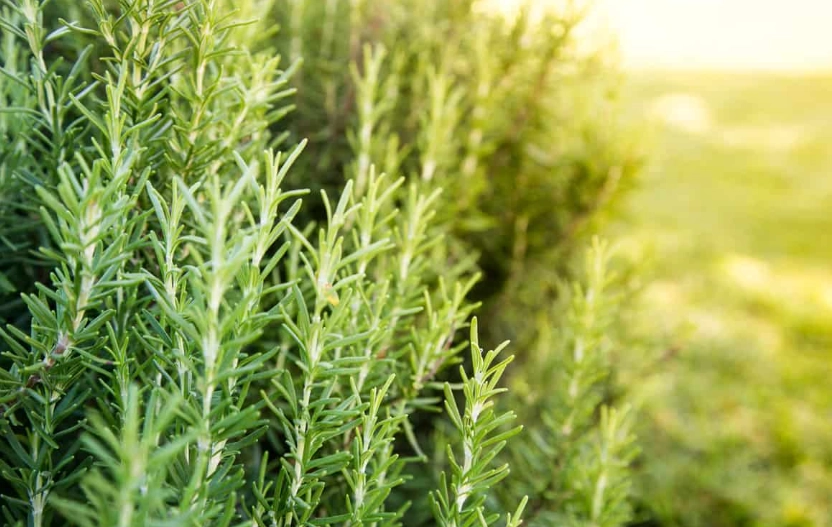
For those stuck with less-than-ideal light, choosing the right variety matters. Some are more tolerant than others.
Rosemary Varieties and Their Sun Tolerance
Not all rosemaries are created equal. If you're pushing the boundaries on sunlight, picking the right cultivar can make a difference.
| Variety | Growth Habit | Sunlight Notes & Adaptability |
|---|---|---|
| Arp | Upright, shrubby | One of the most cold-hardy varieties. Its vigor can sometimes help it cope with slightly less than full sun better than others, but full sun is still strongly preferred for best growth. |
| Tuscan Blue | Upright, tall | A classic with beautiful blue flowers. It's a robust grower that demands full sun to achieve its potential. It tends to get very leggy in shade. |
| Prostratus (Creeping Rosemary) | Trailing, groundcover | Loves to sprawl in hot, full sun. In lower light, it becomes particularly sparse and unattractive. Probably one of the worst choices for shade. |
| Barbecue | Very upright, stiff stems | Bred for skewering on kebabs! This one needs all the sun it can get to produce those strong, straight stems. |
| Blue Spires | Upright, columnar | Another full-sun enthusiast. Its compact form relies on strong light to stay dense. |
See a pattern? They all want that sun. While 'Arp' might be your best bet for a slightly less sunny spot in a cool climate, you're still making a compromise. The Royal Horticultural Society (RHS), a leading gardening authority, consistently lists rosemary's requirement as "Full sun" in its plant profiles, which is a strong indicator of its fundamental needs.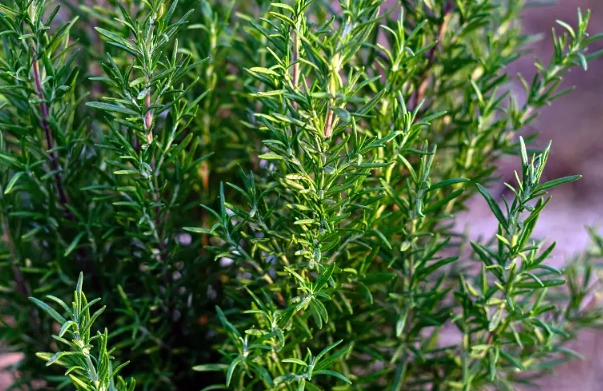
Practical Tips for Growing Rosemary in Less-Than-Ideal Sun
Okay, so you've assessed your space and you're committed to trying, even if your spot gets only 5 hours of sun. Here’s how to stack the odds in your favor. This is where gardening becomes more art than science.
- Maximize Reflected Light: Place your rosemary near a light-colored wall, fence, or patio stones. These surfaces reflect sunlight and heat, effectively giving your plant a boost. A south-facing white wall is a classic trick for creating a mini microclimate.
- Grow in Containers: This is your biggest advantage. If your garden bed is shady, but a corner of your driveway or deck gets a blast of sun, use a pot! You can move a container to chase the sun through the seasons. A rolling plant stand is a game-changer.
- Prune for Light Penetration: Regular, light pruning isn't just for shape. It opens up the center of the plant, allowing what precious sunlight you have to reach the inner branches. This prevents inner leaf drop and encourages growth throughout.
- Go Easy on Water and Fertilizer: This is critical. A rosemary in partial sun grows slower and uses less water. Overwatering in cool, shady soil is the fastest way to root rot. Similarly, go very light on fertilizer. Too much nitrogen will promote weak, soft growth that the plant can't support in low light. Let the soil dry out thoroughly between waterings.
- Accept a Different Look: Manage your expectations. The plant will likely be less dense, flower less profusely, and grow more slowly. That's okay. You're growing it for your own kitchen, not for a garden show. A sparse rosemary plant still provides fresh herbs.
I have a friend who successfully grows a small rosemary plant in a pot on her east-facing fire escape in the city. It gets about 4 hours of direct morning sun and then bright light for the rest of the day. It's not a giant bush, but it's alive, it's green, and she gets to snip a few sprigs for roast chicken. It's proof that does rosemary need full sun for mere survival? No. But for that picture-perfect specimen? Absolutely.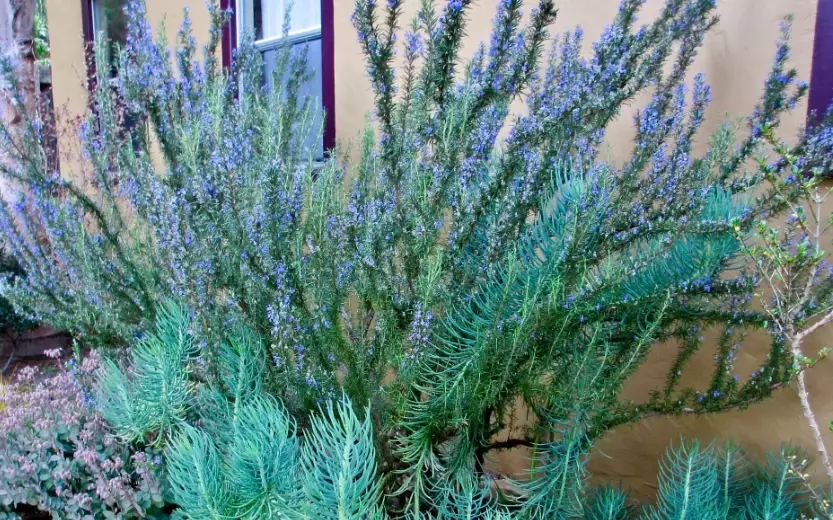
The Other Extreme: Can Rosemary Get Too Much Sun?
It's a rare problem, but yes, especially for young plants or in extreme climates. If you live in a desert region with relentless, intense sun and temperatures consistently above 100°F (38°C), rosemary can get scorched.
Signs of too much sun/heat stress include:
- Leaf tips turning brown and crispy.
- An overall bleached or washed-out appearance to the foliage.
- Wilting during the hottest part of the day, even if the soil is moist.
The fix here isn't less sun overall, but protection from the most brutal afternoon sun. Use the morning sun/afternoon shade pattern mentioned earlier. Also, ensure the roots are kept cool with a thick layer of mulch (gravel works great for rosemary) and consistent, deep watering to help it cope with the heat. The North Carolina State Extension notes rosemary's excellent heat tolerance but also emphasizes the need for well-drained soil to prevent root issues in any condition.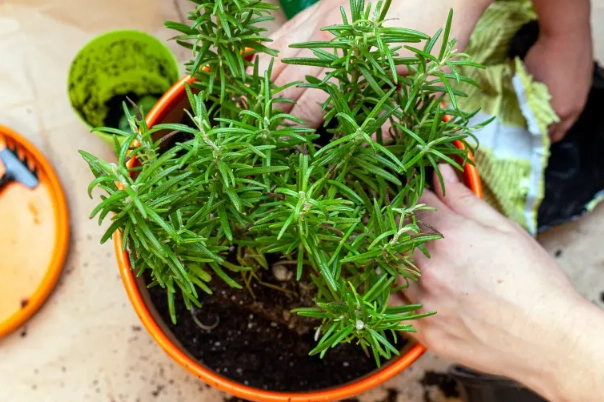
Indoor Rosemary: The Ultimate Sunlight Challenge
Growing rosemary indoors is where the sunlight question gets really tough. A sunny windowsill is rarely equivalent to outdoor full sun. Even a south-facing window filters and reduces light intensity.
Most indoor rosemary deaths are due to insufficient light.
If you must grow it inside:
- Use a South-Facing Window: This is non-negotiable. No other orientation will provide enough light long-term.
- Supplement with Grow Lights: Seriously consider this. A simple LED grow light placed a few inches above the plant for 12-14 hours a day can make the difference between a struggling plant and a happy one. It's the only reliable way to provide "full sun" indoors.
- Rotate the Pot: Give the pot a quarter turn every week so all sides get equal time facing the light source, preventing one-sided growth.
- Expect a Dormant Period: It will likely grow very slowly in the winter, even in a good window. Water sparingly during this time.
Common Questions (The Stuff You're Really Searching For)
My rosemary is in full sun but still looks sad. Why?
Sunlight is only one piece of the puzzle. The most common culprit paired with full sun is poor drainage. Rosemary's roots absolutely despise sitting in wet soil. If your soil is heavy clay or the pot doesn't drain, the roots will rot, and the plant will die despite all the sunshine in the world. Check your soil mix—it needs to be gritty and fast-draining. Adding perlite or coarse sand is a must.
How many hours of sun is "full sun" for rosemary?
As a solid rule of thumb, aim for 6-8 hours minimum of direct, unobstructed sunlight. Less than 6 and you're entering the "partial sun" compromise zone where results will vary.
Can I grow rosemary in full shade?
No. I wouldn't recommend it at all. Full shade (less than 3 hours of direct sun) will result in a very weak, etiolated plant that will eventually succumb to disease or just fail to thrive. It's not a shade-tolerant herb like mint or parsley. If shade is all you have, consider a different herb or use a container to move the plant to a sunnier spot.
Does rosemary need full sun in winter?
If it's outdoors and evergreen (in zones where it survives winter), it still benefits from all the sun it can get. Sun helps keep the foliage dry and healthy. For potted rosemary overwintering in a garage or cool room, light requirements are lower because the plant is semi-dormant, but some light is still necessary.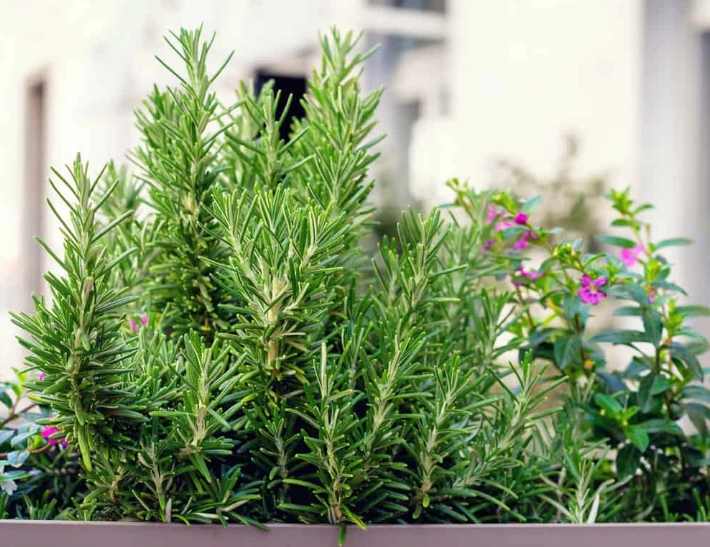
What's the best soil for rosemary in full sun?
Poor, sandy, gravelly, and extremely well-draining soil. Think of the Mediterranean hillside. Mix potting soil with 30-50% inorganic material like perlite, pumice, or coarse sand. This ensures that even with full sun beating down and you watering it, the roots won't stay soggy.
Final Verdict: So, Does Rosemary Need Full Sun?
Let's wrap this up. After all this digging, the core answer remains clear.
For the healthiest, most aromatic, most beautiful, and most productive rosemary plant—the kind you see in pictures and dream of—yes, rosemary needs full sun. Providing 6-8+ hours of direct sunlight is the single most important thing you can do for it. It's the difference between a plant that merely exists and one that truly thrives.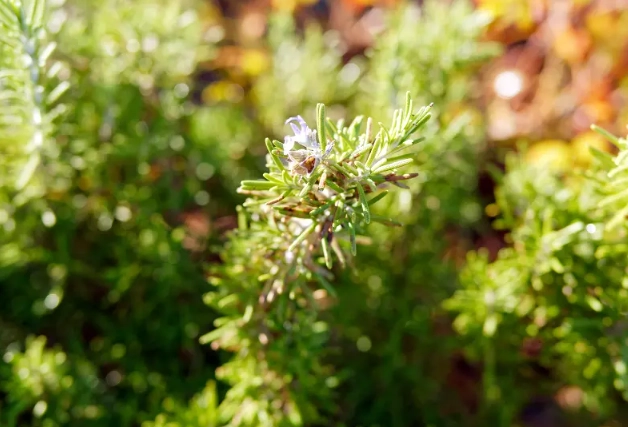
However, gardening is about working with reality. If your reality is a patio with 5 hours of morning sun, you can still grow rosemary. You'll need to adjust your care (less water, less food) and your expectations (slower, less compact growth). Choose a tough variety like 'Arp', put it in a pot with perfect drainage, and give it the sunniest spot you have.
But if your space is truly shady, save yourself the heartache. Rosemary will tell you it's unhappy. There are plenty of wonderful herbs that tolerate partial shade better—think chives, cilantro, lemon balm, or mint. Don't fight a losing battle.
Start with the sun. Everything else in rosemary care—watering, feeding, pruning—flows from that. Give it the sun it craves, and you'll be rewarded with a resilient, fragrant bush that will provide for your kitchen for years to come.

Comments