Let's talk about Star Jasmine. You've probably seen it – maybe tumbling over a neighbor's fence, smelling absolutely divine on a summer evening. Or maybe you've killed one and you're not sure why. I've been there. That glossy green vine with the clusters of tiny, pinwheel white flowers seems like it should be easy, right? It mostly is, but it has its quirks. This isn't just another plant profile. We're going to dig into what makes star jasmine tick, how to keep it happy (and stop it from turning into a crispy brown mess), and answer the questions you're actually typing into Google at midnight when your plant looks sad.
In This Article
- Before You Buy: Picking the Right Star Jasmine Plant
- Planting Your Star Jasmine: Doing It Right the First Time
- The Ongoing Care: Water, Food, and the Snip-Snip
- Common Problems (And How to Fix Them Without Panicking)
- Beyond the Basic: Varieties and Creative Uses
- Your Star Jasmine Questions, Answered
- The Final Word: Is Star Jasmine Right for You?
First, a quick name check to avoid confusion. When we say "star jasmine," we're almost always talking about Trachelospermum jasminoides. It's not a true jasmine (those are in the Jasminum genus), but the scent is a dead ringer. Sometimes you'll see it called Confederate Jasmine, which is a name I personally don't care for and try to avoid. It's an evergreen climber or ground cover, and it's tough as nails once it settles in. The botanical name is a mouthful, but knowing it helps when you're looking for specific info or buying from a nursery. The Royal Horticultural Society, a pretty trustworthy source for plant info, lists it under Trachelospermum jasminoides and confirms its award-winning garden merit status, which is a fancy way of saying it's a proven, reliable performer.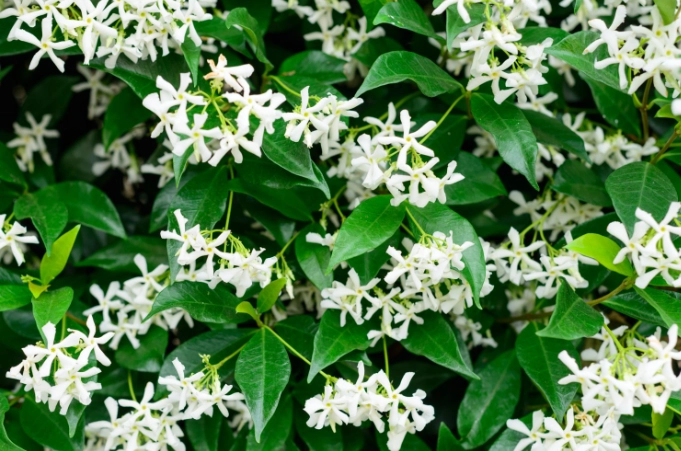
Before You Buy: Picking the Right Star Jasmine Plant
You walk into a garden center and see a bunch of green vines in pots. How do you choose? It's not just about grabbing the biggest one. Here's what I look for, learned from a few dud purchases over the years.
Check the foliage first. The leaves should be a vibrant, deep green and feel firm and glossy. Avoid plants with yellowing leaves, especially if it's a general pallor all over (a few old bottom leaves yellowing is normal). Give the leaves a gentle rub. They should feel clean and slightly waxy, not sticky or dusty. Stickiness can mean pests like aphids or scale are already throwing a party.
Now, look at the growth pattern. A good star jasmin plant should have multiple stems coming from the soil, not just one spindly whip. This means it's bushier and will fill out your trellis or fence faster. Gently tip the pot and check the root situation. You want to see healthy white roots, but you don't want a solid, tangled mat of roots circling the bottom of the pot. That's root-bound, and it means the plant has been stressed in the pot. It'll need some gentle root teasing when you plant it.
Finally, give it a sniff if you can. No, seriously. A healthy plant just smells… green and alive. If you catch a whiff of mildew or rot, put it back. That soil is too wet.
So you've got your plant. Now, where does it go?
Sunlight: The Biggest Make-or-Break Factor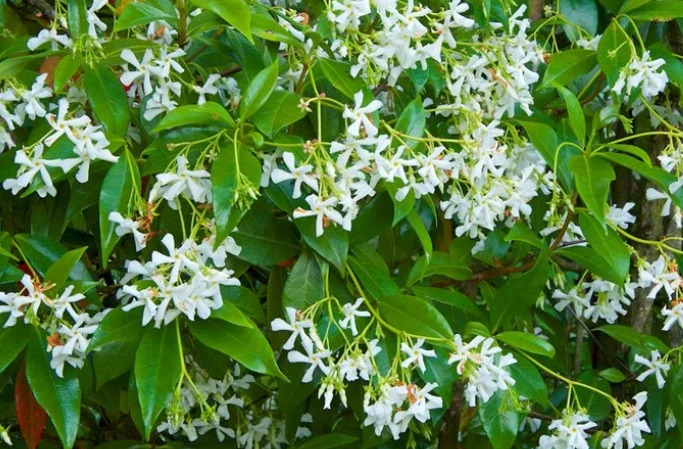
This is where most people get it wrong, in my opinion. The tag often says "full sun to part shade." That's technically true, but it's misleading. Here's the real deal from my experience and from cross-referencing with expert sources like the Missouri Botanical Garden's plant database.
For the best growth, the most leaves, and the most incredible floral show, star jasmine wants full sun. We're talking at least 6 hours of direct, unfiltered sunlight. In these conditions, it grows densely, flowers profusely, and the stems toughen up nicely. In part shade (like 3-6 hours of sun), it will still grow. It might even flower, but it will be leggier – meaning longer stretches between leaves as it reaches for light. The flowering will be significantly less impressive.
Full shade? Forget it. You'll get a sparse, sad vine that's basically just surviving, not thriving. It becomes a magnet for pests and disease because it's weak.
Planting Your Star Jasmine: Doing It Right the First Time
Planting day is the most important day in your vine's life. Get this right, and you're 80% of the way to success. Let's break it down.
Timing is Everything: The best time to plant is in the spring or early fall. This gives the roots time to establish in cool, moist soil before the stress of summer heat or winter cold hits. Avoid planting in the peak of summer unless you're committed to daily watering.
The Hole Truth: Dig a hole that's about twice as wide as the root ball, but only just as deep. You want the top of the root ball to be level with or slightly above the surrounding soil. Planting too deep is a classic killer – it can lead to stem rot. If your soil is heavy clay (water pools after rain), you absolutely must improve drainage. Mix in a good amount of compost or well-rotted manure with the native soil you dug out. For container planting, use a high-quality potting mix, not garden soil.
Gently loosen the roots if they're circling. Place the plant in the hole, backfill with your soil mix, and water it in deeply. I mean, really soak it until bubbles stop rising. This settles the soil and eliminates air pockets.
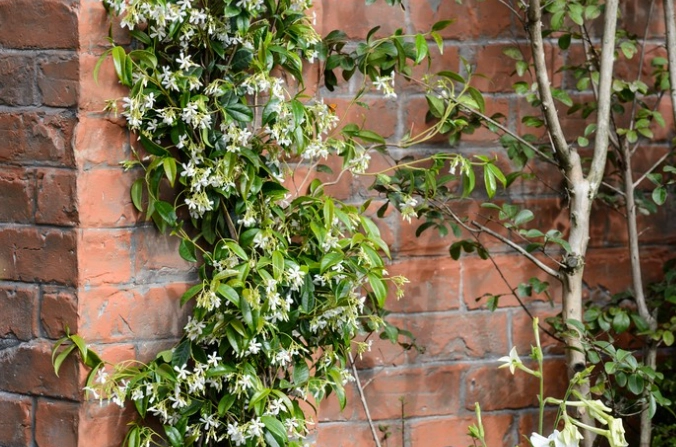
Now, the support. If you want it to climb, provide the support at planting time. A trellis, wires against a wall, a fence. Don't wait until it's a tangled mess on the ground. Gently tie the main stems to the support with soft plant ties, making a figure-eight loop so the tie doesn't cut into the stem as it grows.
The Ongoing Care: Water, Food, and the Snip-Snip
Alright, it's in the ground. Here's how to keep it from dying on you.
Watering: Walking the Tightrope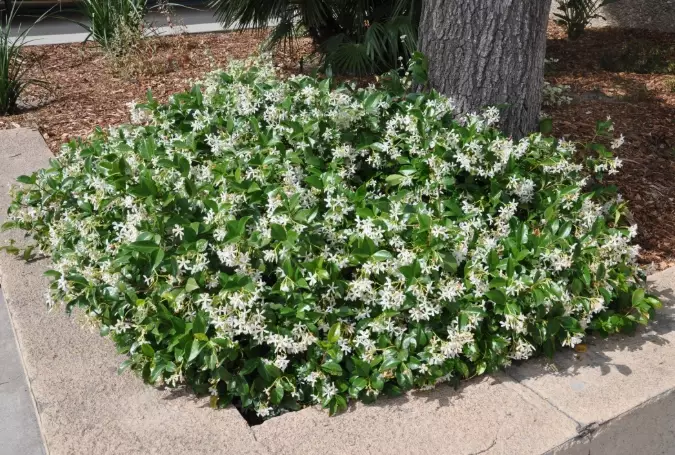
This is the second most common point of failure. Star jasmine likes consistent moisture, especially in its first year. But "moist" does not mean "soggy." Soggy soil leads to root rot, and that's a death sentence.
For the first growing season, water deeply whenever the top inch or two of soil feels dry. Stick your finger in. If it's dry, water. A deep watering less often is better than a little sprinkle every day. Deep watering encourages the roots to grow down, making the plant more drought-tolerant later. After the first year, established plants are surprisingly tough. They'll need supplemental water during long dry spells, but they can handle some neglect.
In pots, the rules are different. Potted plants dry out much faster. You'll likely need to water every few days in summer. Always water until it runs out the drainage holes.
Feeding: Less is More
Star Jasmine isn't a heavy feeder. Over-fertilizing, especially with high-nitrogen fertilizers, can give you a ton of lush leaves at the expense of flowers. Not what we want.
I follow a simple schedule. In early spring, as new growth starts, I give it a balanced, slow-release fertilizer (look for something with an N-P-K ratio like 10-10-10 or 14-14-14). That's it for the year. Sometimes, if the plant looks a bit pale in midsummer, I might give it a light dose of liquid seaweed or fish emulsion, but that's rare. If your soil is decent, you might get away with just a top-dressing of compost in spring.
Pruning: When and How to Do It
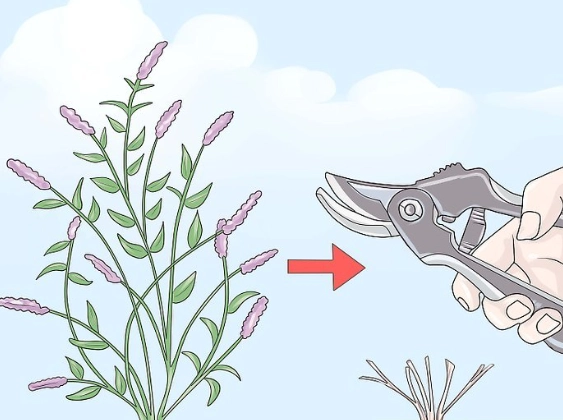
Don't be scared to prune. A good prune keeps your star jasmin looking tidy and encourages bushier growth. The best time to do a major prune is right after the main flowering flush, usually in late spring or early summer. This gives it time to put on new growth that will harden off before winter.
You can be fairly bold. Use clean, sharp pruners. I aim to remove any dead, damaged, or diseased stems first. Then, I cut back any wayward runners that are going in the wrong direction. To encourage fullness, I'll often trim back the tips of long stems by a few inches. You can also thin out congested areas to improve air circulation.
What about pruning for shape? You can do light trimming and shaping almost any time during the growing season. Just avoid a hard prune in late fall, as the new, tender growth it stimulates could be damaged by frost.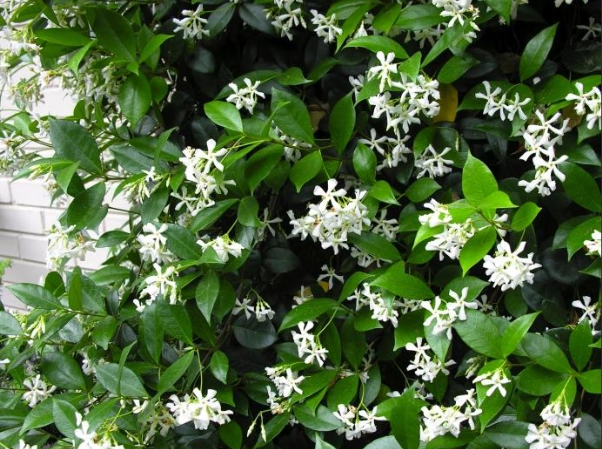
Common Problems (And How to Fix Them Without Panicking)
Even with the best care, things can go sideways. Here's a quick-reference table for the usual suspects.
| Problem | What It Looks Like | Likely Cause | The Fix |
|---|---|---|---|
| Yellow Leaves | Leaves turning yellow, often starting with older leaves. | 1. Overwatering / Poor Drainage (most common). 2. Underwatering. 3. Nutrient deficiency (Nitrogen). | Check soil moisture. Adjust watering. For pots, ensure drainage holes are clear. A soil test can confirm nutrient issues. |
| Brown, Crispy Leaf Edges/Spots | Brown patches on leaves, especially at edges or tips. | 1. Leaf Scorch (too much intense sun/wind). 2. Underwatering. 3. Salt/fertilizer burn. | Provide afternoon shade in hot climates. Increase watering frequency. Flush container soil with water if fertilizer burn is suspected. |
| No Flowers | Healthy green growth but few or no blooms. | 1. Not enough sunlight. 2. Too much nitrogen fertilizer. 3. Pruned at the wrong time (cut off flower buds). 4. Plant is too young. | Move to a sunnier spot if possible. Switch to a low-nitrogen or bloom-booster fertilizer. Prune right after flowering. |
| Sticky Leaves & Black Soot | Leaves feel sticky; a black, sooty mold grows on the residue. | Pests like Aphids, Scale, or Whiteflies. They secrete "honeydew." | Blast with water to dislodge pests. For scale, use horticultural oil or insecticidal soap. The sooty mold wipes off once pests are gone. |
| Weak, Leggy Growth | Long stems with lots of space between leaves. | Insufficient light. | This is a tough one. The plant needs more sun. Consider moving it or pruning to encourage bushier growth from the base. |
See? Most problems are solvable. The key is diagnosing correctly. Yellow leaves make everyone reach for the fertilizer, but 9 times out of 10, it's a water issue.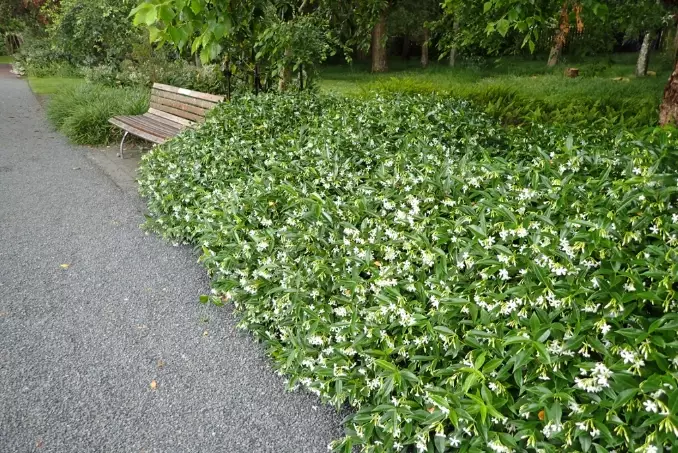
Beyond the Basic: Varieties and Creative Uses
Did you know there's more than one type of star jasmine? The species (T. jasminoides) is fantastic, but nurseries offer a few cultivars that solve specific problems.
- Trachelospermum jasminoides 'Variegatum': This one has gorgeous cream and green variegated leaves. The flowers are the same, but the foliage is the star (pun intended). It tends to grow a bit slower and can be slightly less hardy than the all-green version. It brightens up a shady corner amazingly well.
- T. jasminoides 'Madison': This is the one you want if you live in a colder area (like USDA zone 7). It's touted as a particularly cold-hardy cultivar. I haven't tested its limits personally, but it's the one I'd try if I were pushing my zone.
- T. asiaticum (Asiatic Jasmine): This is a close cousin. The leaves are smaller, darker, and the flowers are creamy-yellow and less fragrant. It's an absolute beast as a ground cover – tougher, more drought-tolerant, and more shade-tolerant than T. jasminoides. But if you want that iconic fragrance, stick with the true star jasmin.
How do you use it? Obviously, on a trellis or fence. But think bigger.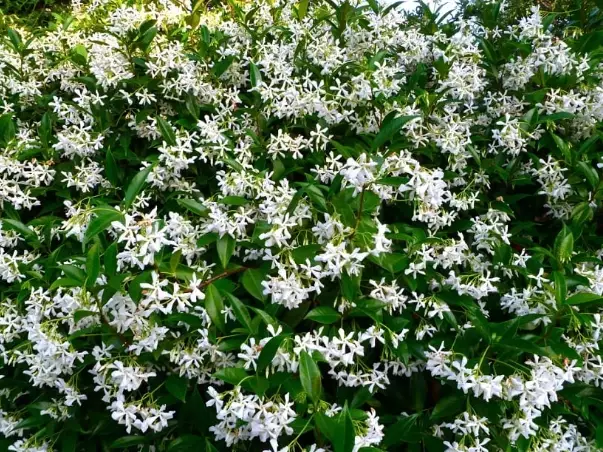
Your Star Jasmine Questions, Answered
The Final Word: Is Star Jasmine Right for You?
Look, star jasmine is a classic for a reason. It's versatile, tough, and delivers one of the best fragrances in the gardening world. It's not completely without demands – it needs good sunlight and well-drained soil to really shine. But if you can give it those two things, it will reward you for decades with minimal fuss.
It's a plant that teaches you patience (that first-year establishment period) and then rewards it generously. I've made mistakes with mine – planted one in a soggy corner where it languished, another in too much shade where it never bloomed. But getting it right? There's nothing like sitting outside on a warm June night, surrounded by the sweet, citrusy perfume of a happy star jasmin. It turns a garden into an experience.
Start with a healthy plant, put it in the right spot, be patient, and don't overcomplicate it. That's the real secret.

Comments