Quick Guide
- Where to Put Your Aloe: It's All About That Light
- The Art of Watering: The #1 Way People Kill Aloe
- Soil and Potting: Giving Your Aloe the Right Foundation
- Dealing with Common Aloe Vera Problems (And How to Fix Them)
- Harvesting and Using Aloe Vera Gel
- Propagation: Making More Aloe Babies
- Your Aloe Vera Care Questions, Answered
- The Simple Takeaway for Thriving Aloe
Let's be honest. We've all been there. You bring home this gorgeous, spiky green friend from the store, full of promise and visions of fresh aloe gel. It looks tough. It looks like it can handle anything. So you plop it on a windowsill, give it a drink when you remember, and then... a few months later, you're staring at a sad, brown, mushy stump wondering what on earth you did wrong.
I've killed my fair share, too. It's a rite of passage for plant parents. But after turning those tragedies into lessons, I can tell you that taking care of an aloe vera plant is actually one of the easiest things you can do. Once you get a few key things right, it practically grows itself. This isn't about following a rigid schedule. It's about understanding what this succulent actually wants, which is mostly for us to leave it alone and not drown it with love (or water).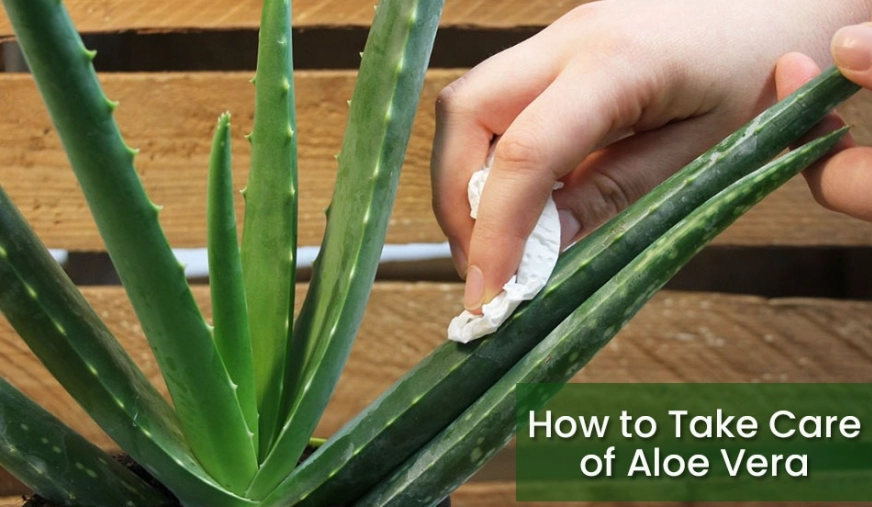
The Core Idea: Think of your aloe as a camel, not a goldfish. It stores water in its thick, fleshy leaves and is built to endure dry periods. Your main job is to mimic its natural, arid habitat.
Where to Put Your Aloe: It's All About That Light
This is the single most important factor. Get the light wrong, and everything else becomes an uphill battle. Aloe vera hails from sunny, arid regions. It craves bright, indirect light for the majority of the day.
The Goldilocks Zone: A south or west-facing window is usually perfect. East-facing can work too, especially if it gets several hours of morning sun. A north-facing window? Probably too dim, and your aloe will start to "stretch"—getting leggy and pale as it desperately reaches for more light. It's not a pretty look.
Can it handle direct sun? Yes, but with a big, important caveat. If your plant has been living in a lower-light store or your home, suddenly blasting it with hours of hot afternoon sun will scorch it. You'll see bleached, brown, crispy patches. The key is acclimation. Introduce it to stronger light gradually over a week or two.
What about artificial light? If you live in a cave (or just have a dark apartment), a grow light is a fantastic investment. A simple LED grow light placed about 6-12 inches above the plant for 12-14 hours a day will keep it perfectly happy. I use one for my office aloe, and it's thriving.
Signs Your Aloe Needs More or Less Light
- Too Little Light: Leaves become long, thin, and floppy, losing their plumpness. The plant grows tall and "leggy" with large gaps between leaves. The color fades to a pale green or yellowish hue.
- Too Much Light (Sudden Exposure): Leaves turn brown, reddish, or develop dry, crispy, sunburned spots. The plant may look bleached.
The Art of Watering: The #1 Way People Kill Aloe
If light is the most important factor, watering is where most people trip up. Our instinct is to nurture with water. For aloe, that's a death sentence. Overwatering leads to root rot, and by the time you see the mushy, sad leaves above the soil, the roots below are often already gone.
Forget watering on a schedule ("every Tuesday!"). Your plant doesn't care what day it is. It cares about the soil.
The "Soak and Dry" Method: This is the golden rule for taking care of aloe vera plants.
- Wait until the soil is completely dry. Not just the top inch. Stick your finger deep into the soil, about halfway down the pot. If it feels even slightly damp, wait.
- When it's bone dry, take your plant to the sink. Water it thoroughly, slowly, until you see water flowing freely out of the drainage holes at the bottom. This ensures the entire root ball gets moisture.
- Let it drain completely. Never let the pot sit in a saucer full of water. Empty that saucer!
- Now, ignore it. Wait until the soil is completely dry again. This cycle could be every 2-3 weeks in summer, and every 4-6 weeks or longer in winter when the plant is dormant.
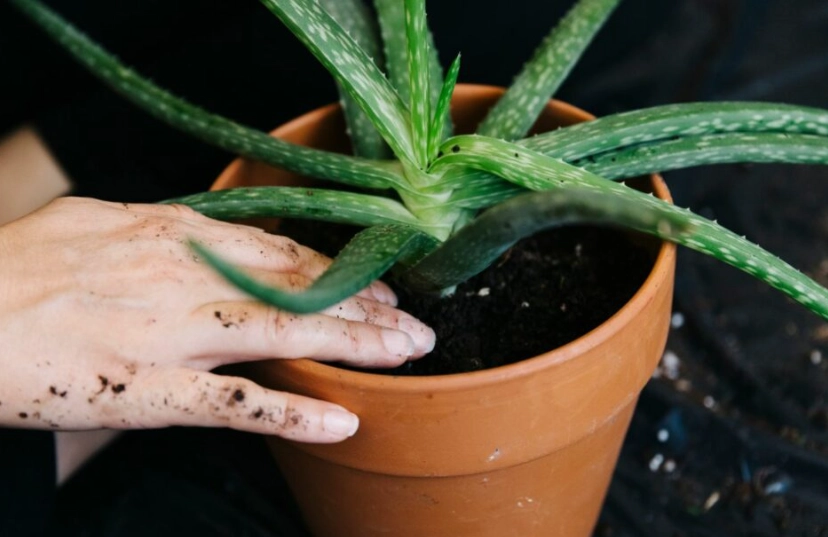
Personal Mistake Story: I once lost a beautiful, large aloe because I used a gorgeous ceramic pot with no drainage hole. I thought I could just be "careful" with water. I couldn't. The water had nowhere to go, pooled at the bottom, and the roots rotted in a matter of weeks. Always use a pot with a drainage hole. It's non-negotiable.
How to Tell if You're Overwatering or Underwatering
| Symptom | Overwatering (Root Rot) | Underwatering |
|---|---|---|
| Leaf Feel | Soft, mushy, translucent. Leaves may burst. | Thin, wrinkled, crispy at the tips. |
| Leaf Color | Yellowing or browning, starting at the base. | Dull, may have some brown crispy tips. |
| Soil Smell | Musty, sour, rotten smell from the soil. | No unusual smell. |
| Plant Stability | Plant may wobble or fall over; base is soft. | Plant is stable, just looks deflated. |
See the difference? A thirsty aloe is wrinkled but firm. A drowning aloe is mushy and sad. If you suspect overwatering, stop watering immediately, check the roots, and be prepared to repot into dry, fresh soil.
Soil and Potting: Giving Your Aloe the Right Foundation
You wouldn't plant a cactus in regular garden soil, right? Same logic applies here. Regular potting soil holds too much moisture. Aloe needs a fast-draining, gritty mix.
The Perfect Mix: Use a commercial cactus & succulent potting mix. Even better, take that mix and add extra perlite or coarse sand (like poultry grit or horticultural sand) to it. A 50/50 or 60/40 mix (cactus soil to perlite) is fantastic. This creates air pockets and ensures water zips through, preventing soggy roots.
Choosing a Pot: Terracotta or unglazed clay pots are the champions for aloe vera plant care. Why? They're porous, which allows the soil to dry out from the sides as well as the top. Plastic or glazed ceramic pots retain moisture much longer. If you use one of these, you must be even more vigilant about letting the soil dry completely. And again—drainage hole!
When and How to Repot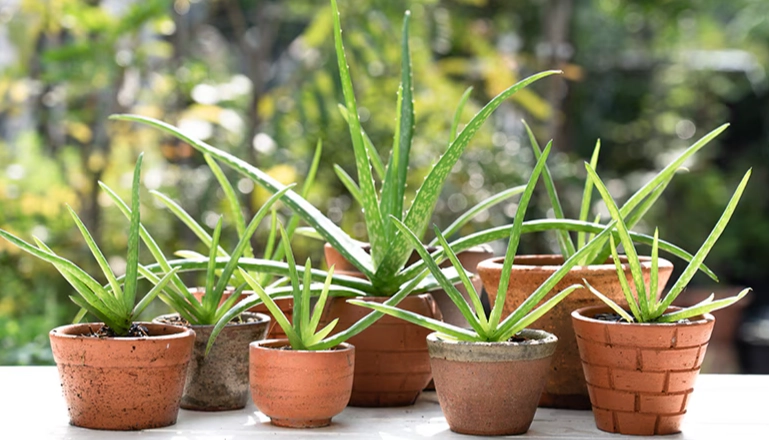
Aloe likes to be a bit snug. Repot only when it becomes root-bound (roots circling the bottom or poking out the drainage hole) or when it produces a lot of "pups" (baby plants). This is usually every 2-3 years. When you do repot, only go up one pot size (e.g., from a 4" to a 6" pot). A pot that's too large holds more wet soil, which increases rot risk.
- Gently remove the plant from its old pot.
- Brush away old, compacted soil and inspect the roots. Trim any black, mushy roots with sterile scissors.
- Place a little fresh mix in the new pot, set the plant in, and fill around it. Don't bury the stem deeper than it was before.
- Wait about a week before watering to let any disturbed roots heal.
Dealing with Common Aloe Vera Problems (And How to Fix Them)
Even with perfect care, things can happen. Here’s a quick-hit list of common issues.
Quick Tip: Most aloe problems stem from water or light. Always check those two factors first when troubleshooting.
Brown, Soft, Mushy Leaves
This is classic overwatering and root rot. Act fast. Unpot the plant, remove all soggy, black roots and mushy leaves. Let the healthy part of the plant callous over for a day or two, then repot in fresh, dry succulent mix. Don't water for at least a week.
Thin, Wrinkled, Curling Leaves
Your aloe is thirsty! Give it a good, thorough soak using the method described above. It should plump back up within a day or two.
Brown, Crispy Leaf Tips
This can be underwatering, but also check for chemical burn from fertilizer (use it very sparingly) or a build-up of minerals and salts from tap water. Try using filtered or rainwater for a while, and flush the soil occasionally by running plenty of water through it and letting it drain.
Leggy, Stretched Growth
Not enough light. Move it to a brighter spot. You can't fix the stretched part, but you can behead the plant. Cut the top rosette off, let it callous for a few days, and replant it. The old stem may also produce new pups.
Pests: Mealybugs and Scale
These sap-sucking insects look like little white cottony masses (mealybugs) or small brown bumps (scale). Isolate the plant. Wipe them off with a cotton swab dipped in rubbing alcohol (isopropyl alcohol). For larger infestations, insecticidal soap or neem oil sprays can be effective. The University of California's Statewide Integrated Pest Management Program has excellent, science-based guidelines for managing houseplant pests like mealybugs.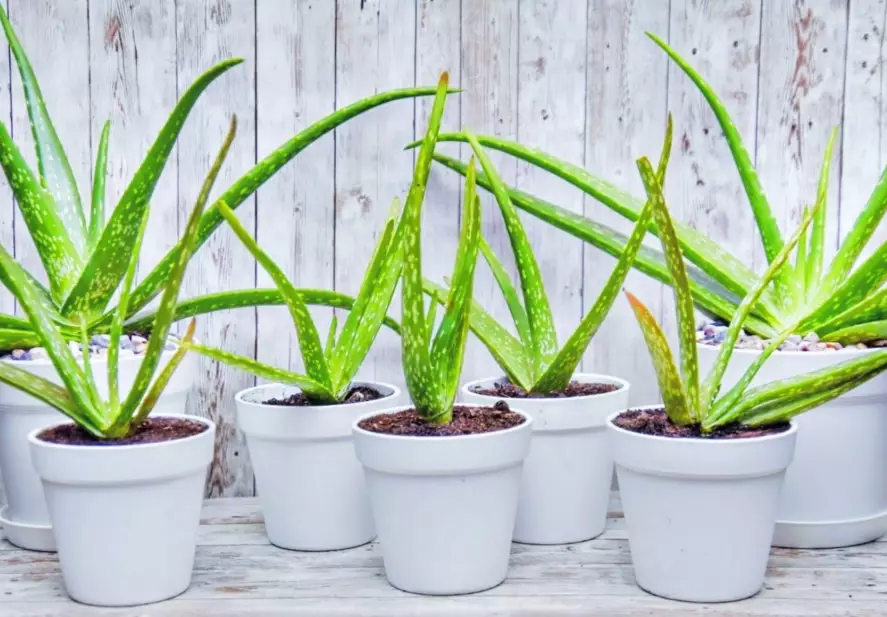
Harvesting and Using Aloe Vera Gel
This is the rewarding part! To harvest a leaf for its gel:
- Choose a thick, mature outer leaf from the bottom of the plant.
- Use a clean, sharp knife to cut it off as close to the main stem as possible.
- Let the cut leaf sit upright in a glass or bowl for 10-15 minutes. This allows the yellowish, bitter-tasting latex (aloin) to drain out—this can be a skin irritant for some people.
- Lay the leaf flat and slice off the serrated edges and the top and bottom "skin."
- Scoop out the clear, slippery gel with a spoon.
Use the fresh gel immediately on minor burns, sunburns, or skin irritations. You can store it in the fridge in an airtight container for about a week. For internal use, extreme caution is advised. The National Institutes of Health's National Center for Complementary and Integrative Health provides a detailed overview of aloe vera's uses and potential risks. Always consult a healthcare professional before ingesting aloe vera.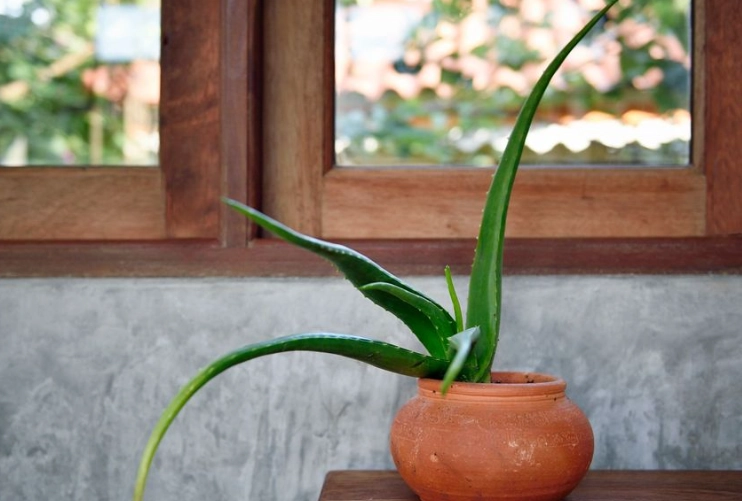
Propagation: Making More Aloe Babies
The easiest way is via "pups" or offsets. A healthy, mature aloe will produce small baby plants at its base. Here's how to separate them:
- Wait until the pup is a decent size (about one-quarter to one-third the size of the mother plant) and has a few leaves of its own.
- Gently remove the entire plant from its pot to expose the connection between the pup and the mother.
- If possible, gently tease them apart with your fingers. If they're firmly connected, use a clean, sharp knife to cut through the stem connecting them. Try to keep some roots on the pup if you can.
- Let the pup sit out of soil for a day or two to let the cut end callous over (this prevents rot).
- Plant the pup in a small pot with fresh succulent mix. Water lightly after a week.
Your Aloe Vera Care Questions, Answered
The Simple Takeaway for Thriving Aloe
Look, taking care of an aloe vera plant boils down to a few simple habits. Give it bright, indirect light. Water it deeply only when the soil is bone dry, and then forget about it. Plant it in gritty, well-draining soil in a pot with a hole. That's 95% of the battle.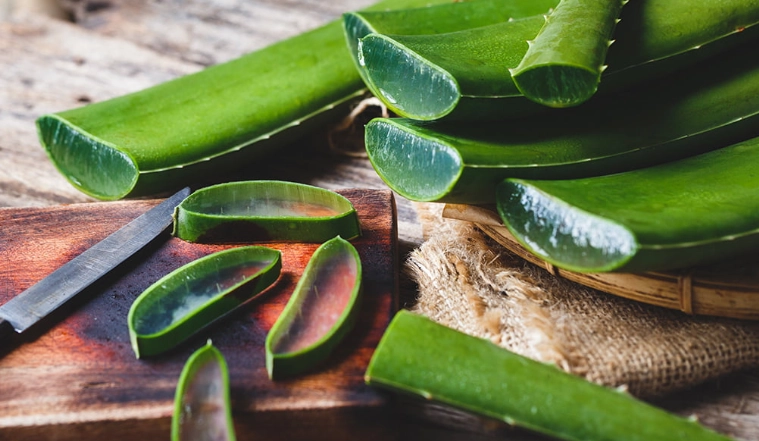
The beauty of aloe is that it's forgiving. It will give you clear signs when it's unhappy. Your job is just to learn to read those signs—wrinkles mean thirst, mush means too much water, stretching means it wants more sun.
Start with those basics. Get comfortable with the soak-and-dry rhythm. Once you've nailed that, you've mastered the most critical part of aloe vera plant care. The rest—dealing with pups, harvesting gel, troubleshooting the occasional pest—is just detail work. You've got this. Now go check on your spiky friend. Is the soil dry yet? Probably not. Give it another week.

Comments