Explore the Guide
- What Exactly Is a Leaf Aloe? Let's Get Our Terms Straight
- How to Pick and Harvest Your Aloe Leaf Like a Pro
- Extracting the Gold: Getting the Gel from the Leaf
- What Can You Actually Do With Fresh Aloe Vera Gel?
- Aloe Vera Species: Not Every Leaf is Your Friend
- Answering Your Top Leaf Aloe Questions (FAQs)
- Caring for Your Aloe Plant: Keep the Leaves Coming
- Wrapping It Up: Is the Fresh Leaf Worth the Effort?
So you've got an aloe vera plant sitting on your windowsill, or maybe you're eyeing those plump leaves at the farmer's market. That thick, green leaf aloe looks promising, full of that clear gel everyone talks about. But then the questions start. How do you actually use an aloe vera leaf? Is it just for sunburn, or is there more? And honestly, is it worth the sticky mess?
I've been there. I killed my first aloe plant by overwatering it, thinking it needed as much love as my ferns. Big mistake. Then, when I finally got a healthy one, I hacked at a leaf like I was chopping firewood, only to get a tiny amount of gel and a lot of yellow sap (more on that later—it's important). It took some trial and error, and conversations with much better gardeners, to figure it out.
This guide is what I wish I'd had. We're going to move past the vague "aloe is good for you" statements and get practical. We'll cover how to pick a good leaf, how to harvest it without harming your plant, the right way to extract that famous gel, and then what to actually do with it. From skincare you can trust to uses you might not have considered, let's break it all down.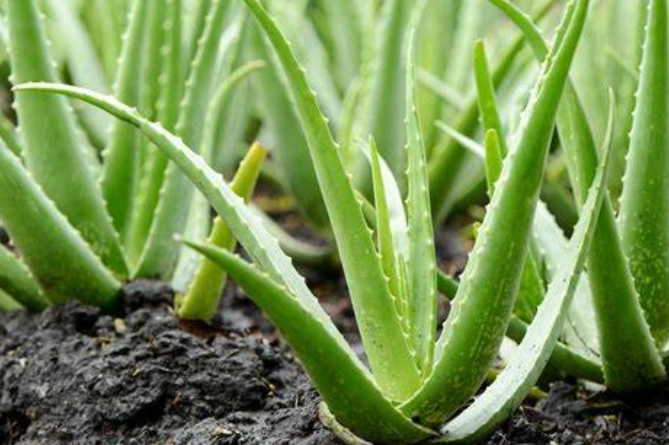
What Exactly Is a Leaf Aloe? Let's Get Our Terms Straight
First things first. When people say "leaf aloe," they're almost always talking about a leaf from the Aloe barbadensis miller plant. That's the common aloe vera. It's not a different species. It's just emphasizing the part of the plant you use—the thick, fleshy leaf—as opposed to bottled juice or processed gels you buy.
Think of it as the difference between a fresh tomato from the vine and a bottle of ketchup. The fresh aloe vera leaf is the whole, unprocessed source. Inside that spiky green exterior are two main things everyone wants: the clear inner gel (the mucilaginous parenchyma, if you want the science term) and the outer leaf skin, which you generally don't want to use.
Why does this matter for you? Because using the actual leaf gives you control. You know it's pure, without added colors, thickeners, or preservatives that often go into commercial gels. But it also means you need to handle it correctly to get the benefits and avoid the potential irritants (yes, there are a few).
How to Pick and Harvest Your Aloe Leaf Like a Pro
This is where most people go wrong, and I did too. You can't just grab any leaf. Harvesting the right way keeps your plant healthy and ensures you get the best gel.
Choosing the Right Leaf to Cut
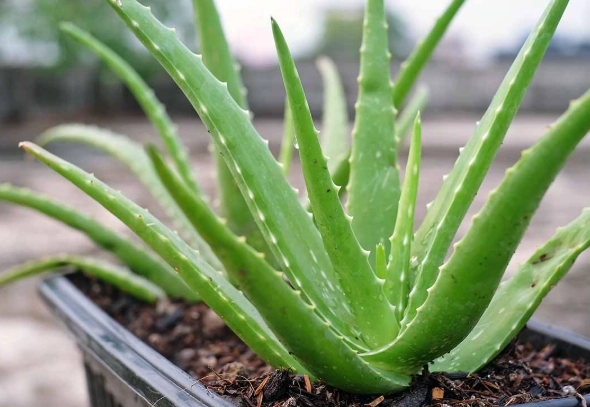
Look at your plant. See the outer, mature leaves? Those are the ones you want. They should be thick, plump, and growing outward, not the young, skinny leaves in the center.
- Go for the outer circle: Always harvest from the outermost layer of leaves.
- Check the size: A good leaf for harvesting is at least 15-20 cm (6-8 inches) long. It should feel firm and heavy with gel.
- Healthy appearance: The leaf should be uniformly green. Avoid any with brown spots, significant discoloration, or that look thin and weak.
I made the mistake of taking a young leaf once. It was tiny, yielded almost no gel, and my plant looked lopsided for months. Not worth it.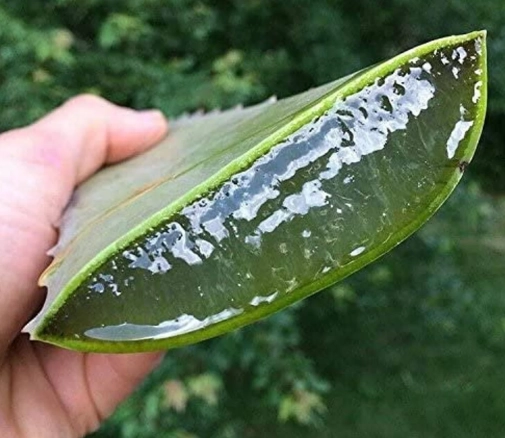
The Step-by-Step Harvesting Process
- Use a clean, sharp knife. A dull knife will crush and damage the leaf and the plant's base. I use a simple paring knife.
- Cut close to the base. Get as close to the main stem as you can without damaging neighboring leaves. Make a clean, smooth cut.
- Angle the cut slightly. Let the cut surface on the plant tilt downward. This helps prevent water from pooling in the center of the plant, which can cause rot.
- Let the leaf drain. This is a crucial step many skip. Hold the cut aloe leaf vertically, cut-end down, over a bowl or sink for 10-15 minutes. A yellow-orange liquid called aloin or latex will drain out. This substance is a potent laxative and a skin irritant for many people. You want as much of it out as possible.
- Clean and store. Gently wipe the leaf clean, wrap the cut end in paper towel, and store the whole leaf upright in the refrigerator. It can last for 1-2 weeks this way.
Extracting the Gold: Getting the Gel from the Leaf
Now for the fun (and slightly messy) part. You have your harvested leaf. How do you get to the good stuff inside?
There are a couple of methods, depending on how much gel you need and how pure you want it.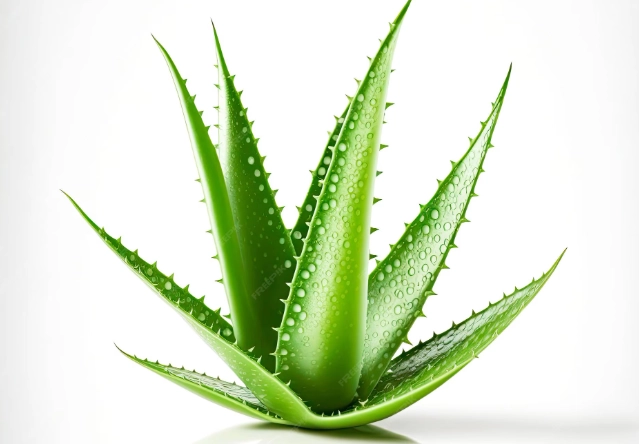
The Simple "Fillet" Method (Best for Small Amounts)
- Lay the leaf flat on a cutting board.
- Using your sharp knife, carefully slice off the serrated spines along both long edges.
- Then, slice off the top, flat layer of the leaf skin. Imagine you're filleting a fish. Try to get just the green skin, leaving the clear gel underneath exposed.
- Slide your knife under the gel, separating it from the bottom layer of skin. You should now have a slab of pure aloe vera gel.
- Scoop it off with a spoon. If you see any yellowish residue (more latex), gently rinse the gel slab under cool water or trim it off.
This method gives you the purest gel, perfect for applying directly to your face or mixing into a DIY recipe.
The "Scoop" Method (Faster, But Less Pure)
- After draining, slice the leaf in half lengthwise.
- You'll see the gel sitting in the middle, with the green skin on the outside.
- Use a spoon to scoop the gel directly out of each half.
This is quicker, but you're more likely to get bits of the inner leaf skin (the aloin-rich layer) mixed in. It's fine for things like a hair mask where you'll rinse it out, but for sensitive facial skin, the fillet method is better.
My personal preference? I fillet. It takes an extra minute but the texture of the gel is smoother and it feels cleaner to use.
What Can You Actually Do With Fresh Aloe Vera Gel?
This is the heart of it. You've done the work, now for the rewards. The uses for fresh leaf aloe gel go way beyond just sunburn. Let's categorize them.
Top Uses for Skin & First Aid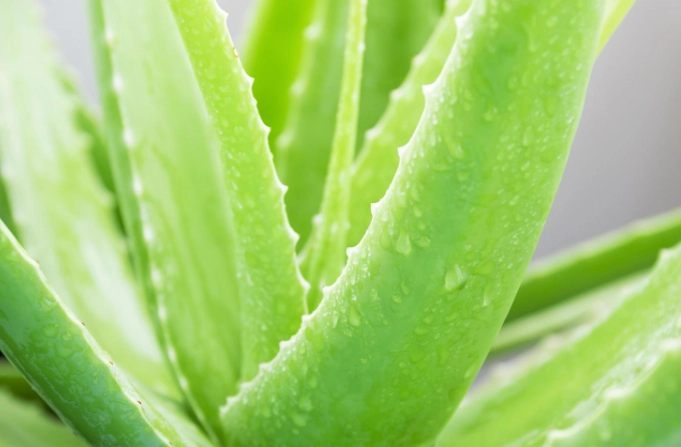
This is where aloe's reputation is strongest, and for good reason. The gel is about 99% water, but the remaining 1% contains a cocktail of vitamins, enzymes, minerals, and amino acids like glucomannan that have moisturizing and soothing properties.
- Sunburn Soother: This is the classic. The cooling gel provides immediate relief. Research, like studies cited by the Mayo Clinic, supports its use as a topical treatment for first- and second-degree burns, noting its anti-inflammatory effects. Apply the freshly extracted gel directly and let it absorb. Reapply often.
- Daily Moisturizer: For oily or combination skin, pure aloe gel can be a fantastic, lightweight moisturizer that doesn't feel greasy. It absorbs quickly. I use it on my T-zone in the summer.
- After-Shave Balm: It calms razor burn and minor nicks incredibly well.
- Minor Cuts and Scrapes: While it's not a substitute for proper wound cleaning, the gel can create a protective, soothing layer over a clean, minor wound. Its potential antimicrobial properties might help keep it clean, but see the note below.
- Itch Relief: For insect bites or mild itchy rashes (like from poison ivy), the cooling effect can be very calming.
Uses for Hair and Scalp
This is an underrated area. The same moisturizing properties can benefit your hair.
- Scalp Treatment: Massage gel directly onto a dry, itchy scalp. Leave it on for 20-30 minutes before shampooing. It can help with flakiness and soothe irritation.
- Hair Conditioner/Defrizzer: After washing, take a small amount of gel, rub it between your palms to emulsify it (it will become watery), and smooth it over damp hair, focusing on the ends. It adds moisture without heaviness. It's great for defining curls and controlling frizz.
I have curly hair, and a little aloe gel is my go-to in humid weather. It's lighter than most commercial curl creams.
Simple DIY Recipes Using Your Leaf Aloe Gel
You can mix your fresh gel with a few other kitchen staples for boosted effects. Always do a patch test first!
Soothing After-Sun Lotion: Mix ¼ cup of aloe gel with 2 tablespoons of coconut oil and 5 drops of lavender essential oil. Whip it together and store in the fridge. The coconut oil adds extra moisturizing for parched skin.
Refreshing Face Mask: Mix 2 tablespoons of aloe gel with 1 tablespoon of plain yogurt and ½ teaspoon of honey. Apply to a clean face, leave on for 15 minutes, rinse. The yogurt offers gentle lactic acid, honey is antibacterial, and aloe soothes.
Aloe Vera Species: Not Every Leaf is Your Friend
I mentioned this earlier, but it's worth its own section. If you're foraging or buying a plant, knowing what you're getting is critical.
Here’s a quick comparison of common aloes you might encounter:
| Aloe Species | Common Name | Primary Use | Notes & Cautions |
|---|---|---|---|
| Aloe barbadensis miller | True Aloe Vera, Medicinal Aloe | Topical gel, juice (processed) | The gold standard. Thick, fleshy leaves with abundant clear gel. Safe for topical use when processed correctly. |
| Aloe arborescens | Candelabra Aloe, Krantz Aloe | Ornamental, some topical use | Often used in traditional medicine (e.g., Russian folk recipe). Gel is thinner and more liquid. Verify safety for your intended use. |
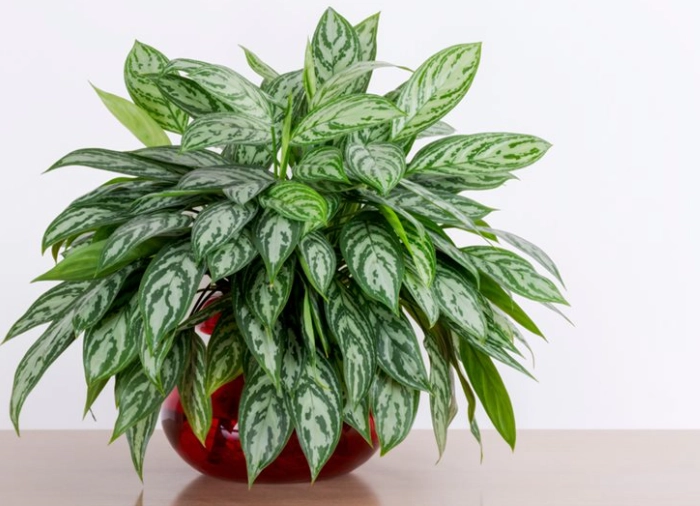
| Aloe vera var. chinensis | Chinese Aloe, Spotted Aloe | Primarily ornamental | Has white spots on leaves. Gel content is lower and may be more irritating. Not recommended for medicinal use. |
| Aloe aristata | Lace Aloe | Ornamental only | Small, clustering plant. Leaves are thin. Not used for gel. |
| Aloe polyphylla | Spiral Aloe | Ornamental only (Protected) | Stunning spiral pattern. A protected species in some areas. Do not harvest. |
The takeaway? If your goal is to use leaf aloe for its gel, seek out Aloe barbadensis miller. The USDA Plants Database is a reliable resource for confirming plant identities and characteristics if you're unsure about a species.
Answering Your Top Leaf Aloe Questions (FAQs)
This is a big one. You need to be extremely careful. The fresh leaf contains aloin in the yellow latex and just under the skin. As a natural laxative, it can cause severe cramping and diarrhea. Commercially prepared aloe vera juices and supplements are processed to remove or reduce aloin to safe levels.
My advice? Unless you are following a verified, precise method from a trusted source for detoxifying the leaf, do not make your own aloe juice. The risk of getting it wrong is high. Stick to topical use unless you buy a product specifically labeled for internal use from a reputable brand.
Pure, freshly extracted gel will start to oxidize and break down quickly. In an airtight container in the refrigerator, it will last 5-7 days. You might see it turn a pinkish or brownish color—that's oxidation, and it means it's losing potency. For longer storage, you can freeze it in ice cube trays. Once frozen, pop the cubes into a freezer bag. Frozen aloe gel is perfect for tossing into smoothies (if you're using food-grade product) or using as a cooling massage cube on sunburn.
This happens more often than you'd think. A few possibilities:
- Aloin residue: You didn't drain the leaf long enough or you got some of the yellow latex/skin layer in your gel.
- Allergy: Some people are genuinely allergic to plants in the Liliaceae family (which includes aloe). It's not super common, but it happens.
- Other plant sensitivities: If you have sensitive skin, the raw plant material itself might be a bit harsh.
Always, always do a patch test. Apply a small amount of gel to the inside of your wrist or elbow and wait 24 hours. If no redness or itching appears, you're likely good to go.
It depends on the bottle. Many commercial gels contain very little actual aloe vera—sometimes less than 10%. They're filled with water, thickeners (like carbomer), and preservatives. They can still feel soothing because they're cool and moist, but you're missing the full spectrum of compounds.
Look for gels that list "Aloe Barbadensis Leaf Juice" as the first ingredient, not water. Even then, processing and shelf life degrade some of the enzymes. For the purest, most active product, nothing beats a freshly cut aloe vera leaf. But a high-quality bottled gel is a convenient and perfectly fine alternative for everyday use.
Caring for Your Aloe Plant: Keep the Leaves Coming
If you want a steady supply of leaf aloe, you need a happy plant. They're famously low-maintenance, but they have a few non-negotiable needs.
- Light: Bright, indirect light is ideal. A south or west-facing window is perfect. They can tolerate some direct sun, but too much can turn the leaves brown and red (they're sunburning!).
- Water: This is the killer. Overwatering is the #1 way to kill an aloe plant. They are succulents. Water deeply, but only when the soil is completely dry—stick your finger in up to the second knuckle. In winter, you might only water once a month. When you do water, make sure it drains completely. No soggy bottoms!
- Soil: Use a cactus or succulent potting mix. Regular potting soil holds too much moisture.
- Pot: A pot with a drainage hole is mandatory. Terracotta pots are great because they wick away extra moisture.
- Fertilizer: Feed sparingly. A diluted, balanced fertilizer once in the spring and once in mid-summer is plenty. More is not better.
When your plant gets too big for its pot or starts producing lots of "pups" (baby plants around the base), it's time to repot. That's how you get more plants—and more leaves!
Wrapping It Up: Is the Fresh Leaf Worth the Effort?
Let's be honest. Going to the store and buying a bottle of gel is easier. So why bother with the whole process of harvesting a leaf aloe?
For me, it comes down to three things: purity, potency, and satisfaction. You know exactly what you're getting—no mystery ingredients. The gel is at its most active state, full of enzymes that degrade over time in a bottle. And there's a simple satisfaction in walking over to your plant, harvesting a leaf, and making your own skincare. It connects you to the remedy in a way a plastic tube never can.
But it's not for every situation. If you have a major sunburn, by all means, use whatever aloe product you have on hand immediately. The convenience factor is real.
My suggestion? Try it at least once. Get a healthy aloe plant, let it grow, and when it has a few mature outer leaves, give the process a shot. Follow the steps to drain and fillet it properly. Feel the texture of the pure gel. Use it on your skin after a day in the sun. You'll understand the hype in a whole new, tangible way. It turns an abstract "natural remedy" into a practical skill you have right at your fingertips.
And if you kill the first plant? Don't worry. I did too. Get another one and water it less. You'll get the hang of it.

Comments