What’s Inside?
- First Things First: Is That Really an Easter Cactus?
- The Year-Round Care Blueprint (It's Not That Hard, I Promise)
- The Magic Trick: How to Force Your Easter Cactus to Bloom
- Common Problems and How to Solve Them (The Unhappy Plant Clinic)
- Propagation: Make More for Friends (or Yourself!)
- Fertilizing: A Light Touch
I killed my first Easter cactus. There, I said it. I treated it like every other succulent on my shelf, and it responded by turning into a sad, mushy mess. It was a classic case of loving a plant to death with too much water. That experience sent me down a rabbit hole of research, and let me tell you, the Easter cactus (Hatiora gaertneri, sometimes still called Rhipsalidopsis gaertneri) is a fascinating and slightly fussy character. It's not your average cactus, and that's exactly why people fall in love with it—and also why they get frustrated when it refuses to put on its spectacular spring show.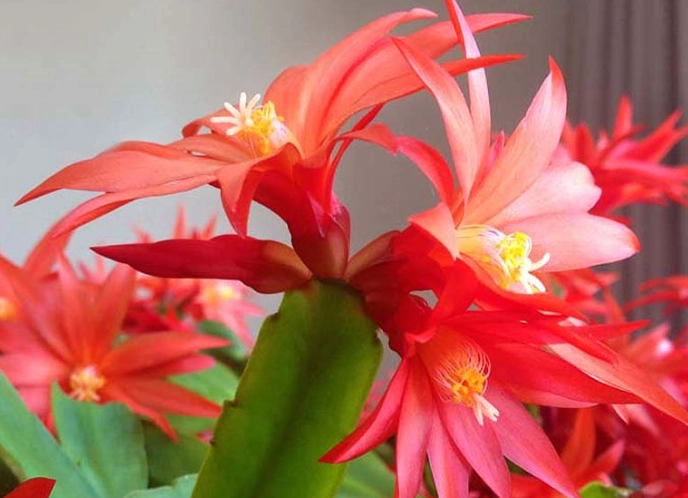
Maybe you just brought one home, drawn in by the photos of its star-shaped, vibrant blooms in shades of red, pink, orange, or white. Or perhaps you've had one for years, and it's become a sprawling green beast that stubbornly remains all leaves and no flowers. You're not alone. The secret to a happy, blooming Easter cactus lies in understanding its natural rhythm. It's a plant of subtle cues and specific needs.
This guide is everything I wish I'd known from the start. We'll move past the basic, generic advice and get into the nitty-gritty of what actually makes this plant tick. By the end, you'll know exactly how to care for your Easter cactus year-round and, most importantly, how to convince it to bloom reliably every spring.
First Things First: Is That Really an Easter Cactus?
This is where half the confusion starts. The "holiday cactus" family is a trio of lookalikes, and garden centers don't always label them correctly. Calling a Thanksgiving cactus an Easter cactus is like calling a tulip a daffodil—they're related, but the timing is all wrong! Getting the ID right is your first step to proper care, because their bloom triggers are tied to specific day lengths and temperatures.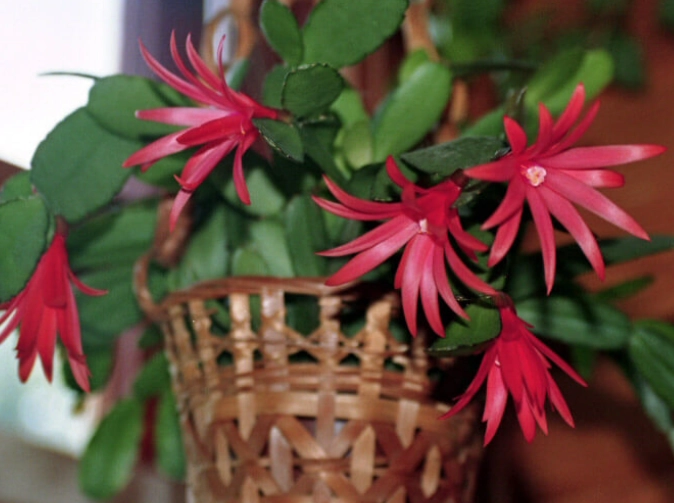
Here’s the quick and dirty way to tell them apart. Forget the flowers for a second; look at the leaf segments (the flat, fleshy pads that make up the stems).
| Feature | Easter Cactus (Hatiora gaertneri) | Thanksgiving Cactus (Schlumbergera truncata) | Christmas Cactus (Schlumbergera x buckleyi) |
|---|---|---|---|
| Leaf Segment Shape | Rounded, scalloped edges with very subtle, hair-like bristles. They look soft. | Very pointed, claw-like projections on each segment. Sharp and defined. | Rounded, teardrop-shaped scallops. No sharp points. |
| Flower Shape | More star-shaped, symmetrical, with petals radiating evenly. | Asymmetrical, tubular flowers that arch downward. | Symmetrical, tubular flowers that hang down. |
| Bloom Time | Late winter to spring (around Easter in the Northern Hemisphere). | Late fall (around Thanksgiving). | Mid-winter (around Christmas). |
| Pollen Color | Bright yellow pollen. | Pink pollen. | Pink pollen. |
Run your finger along the edge of a segment. If it feels smooth with just the tiniest hint of fuzz, you've likely got an Easter cactus. If it feels like a tiny crab claw, it's a Thanksgiving cactus. This matters because an Easter cactus's care, especially its cool treatment to set buds, is timed for a spring bloom.
The Year-Round Care Blueprint (It's Not That Hard, I Promise)
Once you've confirmed your plant's identity, you can stop fighting its nature and start working with it. The care for an Easter cactus changes with the seasons, mirroring its growth cycle. I like to break it down into three main phases: the Growth Period, the Bud-Setting Period, and the Bloom Period.
Light: The Goldilocks Principle
This is probably the most important factor after watering. Too much direct sun, and your plant will get a nasty sunburn (look for reddish or bleached patches on the segments). Too little light, and it will grow weak, stretched-out, and will absolutely refuse to bloom.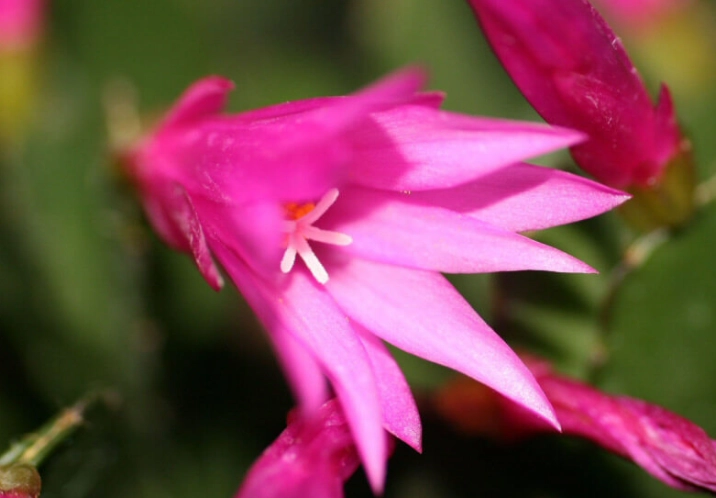
During the summer, I move mine a few feet back from a south-facing window. In the winter, when the sun is weaker, I let it get a bit closer to the glass for that crucial brightness. It's a dance, but you get a feel for it.
Watering: The Tightrope Walk
My biggest mistake. These plants store water in their segments, but they are epiphytes (they grow on trees, not in desert soil). Their roots are fine and appreciate moisture but despise sogginess. The goal is to keep the potting mix lightly moist during active growth (spring and summer).
Here's my method, which has never failed me since the Great Mushy Disaster: I stick my finger about an inch into the soil. If it feels dry, I water thoroughly until water runs out the drainage hole. And this is critical—I let all the excess water drain away completely. I never let the pot sit in a saucer of water. In the fall and winter, when growth slows and it's in its bud-setting phase, I let the top third of the soil dry out between waterings.
Soil and Potting: Give Those Roots Air
A standard potting soil is a death sentence—it holds too much water. You need a mix that is airy and fast-draining. I use a simple recipe: one part regular potting soil, one part orchid bark (for chunkiness and aeration), and one part perlite (for drainage). Some people add a bit of coconut coir. The point is, when you water it, the water should flow through quickly, not pool on top.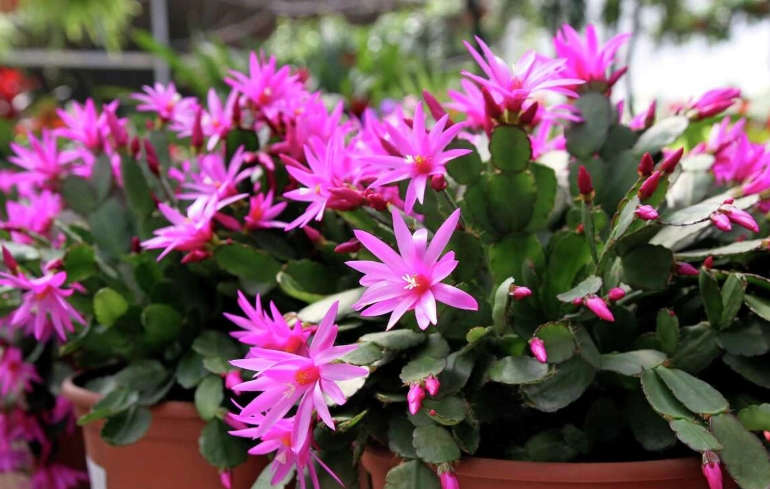
Pot choice matters, too. Always use a pot with a drainage hole. Terracotta pots are great because they wick away extra moisture from the soil. Repotting is only needed every 2-3 years, and do it in the spring after flowering. Don't go too big—just one size up. An Easter cactus actually blooms better when slightly pot-bound.
Temperature and Humidity: It Likes It Comfortable
Average room temperatures (65-75°F / 18-24°C) are perfect during the growing season. It doesn't like extremes. Keep it away from heating vents, air conditioners, and drafty windows. As for humidity, while it appreciates it (think rainforest origins), it's more adaptable than, say, a fern. If your house is very dry in winter, a pebble tray with water under the pot or a occasional light misting can help. Just don't overdo the misting, as you don't want water sitting in the joints of the segments.
The Magic Trick: How to Force Your Easter Cactus to Bloom
Alright, here's the section you probably came for. Your plant is green and healthy, but it's a bloomless wonder. This is almost always due to missing the cues for bud formation. In nature, the Easter cactus senses the shorter days and cooler nights of fall and thinks, "Ah, winter is coming, time to get ready to flower when the days get longer again." We have to simulate that.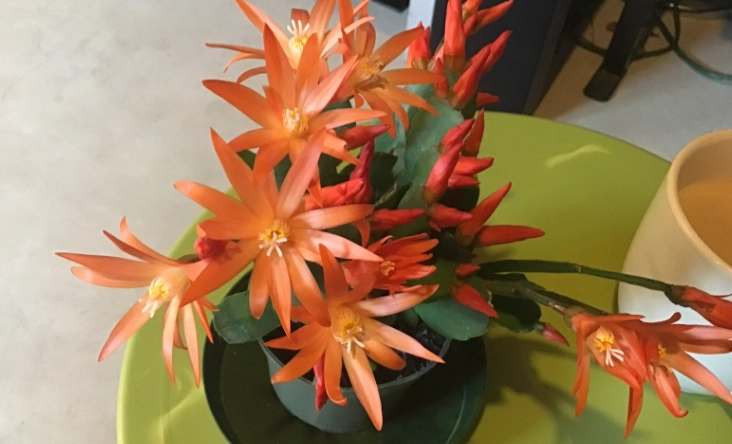
Starting around late September or early October (about 8-12 weeks before you want blooms), you need to do two things:
- Provide Long Nights: The plant needs 12-14 hours of uninterrupted darkness each night. This means no streetlights, no room lamps, no TV glow. A closet is perfect. You can also just put a box over it. I put mine in an unused room. Do this consistently every night.
- Provide Cooler Temperatures: During this period, ideal nighttime temperatures should be between 50-55°F (10-13°C). Cooler temps are the second part of the bud-setting trigger. A cool porch, a basement window, or a spare room where you turn the heat down can work.
During the day, bring it back to its bright, indirect light spot. Keep watering, but less frequently, as mentioned. You should start to see tiny buds forming at the tips of the segments after 6-8 weeks of this treatment. Once the buds are well-formed and about to open (usually late winter), you can stop the dark/cool treatment and bring it back to its normal, warmer spot to enjoy the flowers. Don't move it around too much once buds have formed, as they can drop from shock.
Common Problems and How to Solve Them (The Unhappy Plant Clinic)
Let's troubleshoot. Here are the issues I see most often, and what they usually mean.
Bud Drop
Heartbreaking. You did everything right, got the buds to form, and then they just fall off. The most common culprits are a sudden change in environment (moving the plant, a drastic temperature swing), overwatering, or underwatering once buds have set. The key is consistency once you see those little nubs.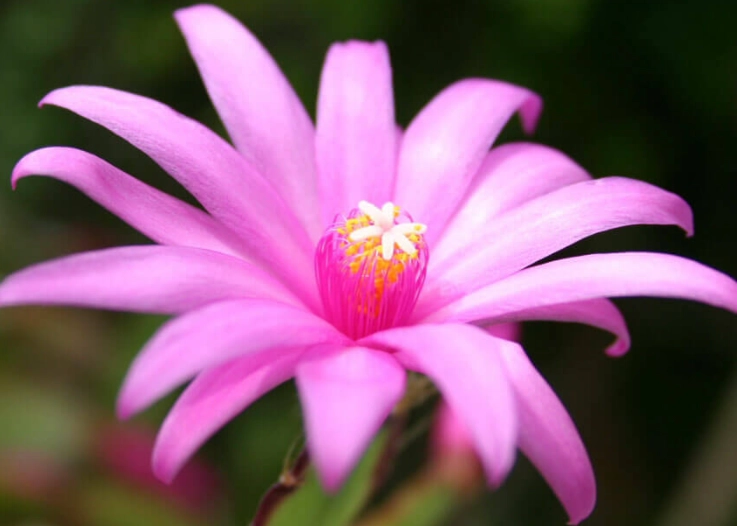
Red or Purple Tinted Segments
This can be two things. A little red tinge, especially along the edges, is often a sign of stress from too much direct sun. Move it to a shadier spot. However, some red/purple coloration can also be a reaction to cool temperatures or even a sign of nutrient deficiency. Assess the light first.
No Growth or Wrinkled Segments
Likely underwatering or extreme root damage from being too dry for too long. Give it a good, thorough soak (let the water run through). If the soil is bone dry, you might even need to bottom-water it by setting the pot in a tray of water for 30 minutes to rehydrate the root ball.
Leggy, Stretched Growth
This is etiolation—the plant is reaching for more light. It needs a brighter location. You can prune these leggy stems back in the spring to encourage bushier growth.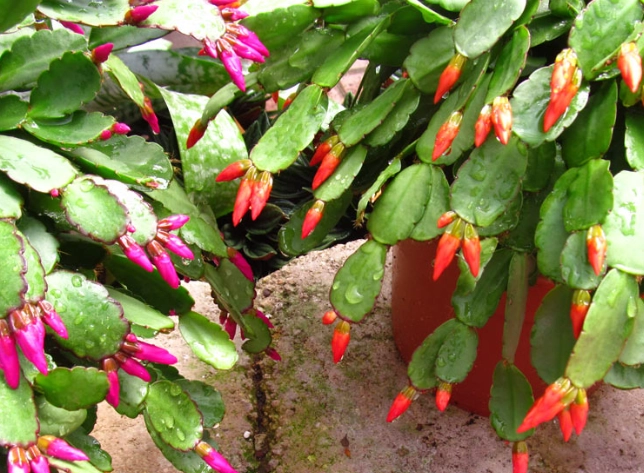
Propagation: Make More for Friends (or Yourself!)
One of the joys of the Easter cactus is how easy it is to propagate. It's a fantastic way to share the plant or create a fuller pot. The best time is late spring or early summer.
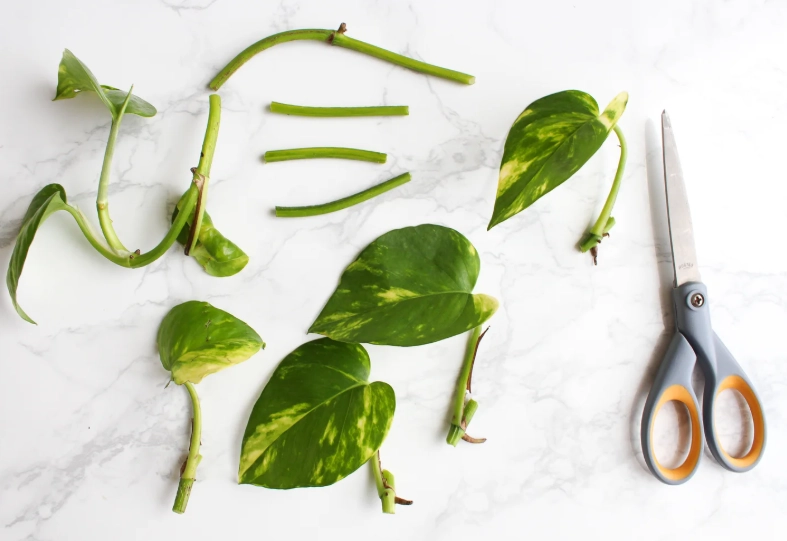
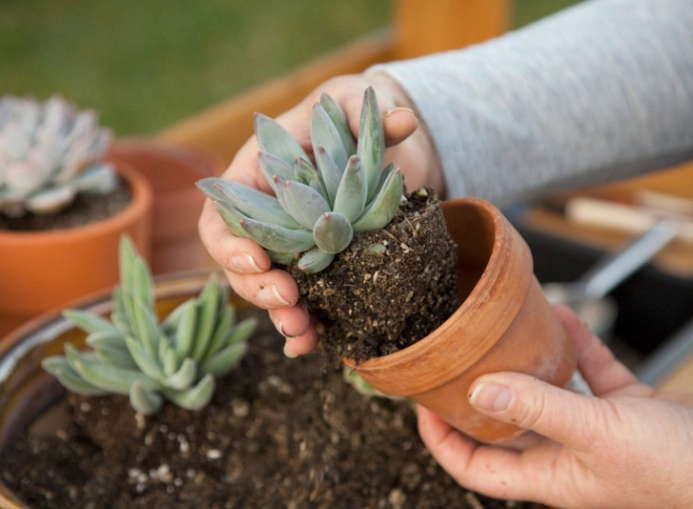
Simply take a healthy segment (or a cutting of 2-3 segments). Twist it off gently at a joint. Let the cut end callus over for a day or two—this is important to prevent rot. Then, stick the callused end about an inch deep into a small pot filled with the same fast-draining mix you use for the mother plant. Water lightly to settle the soil, then keep it just barely moist. Place it in bright, indirect light. In a few weeks, you should feel resistance when you give it a gentle tug, meaning roots have formed. It's that easy.
Fertilizing: A Light Touch
These aren't heavy feeders. I use a balanced, water-soluble fertilizer (like a 10-10-10) diluted to half strength. I feed it once a month during its main growing season (April through August). Do not fertilize during the fall and winter rest period, or when it's in bloom. Fertilizing at the wrong time can encourage leaf growth instead of flowers or even harm the roots.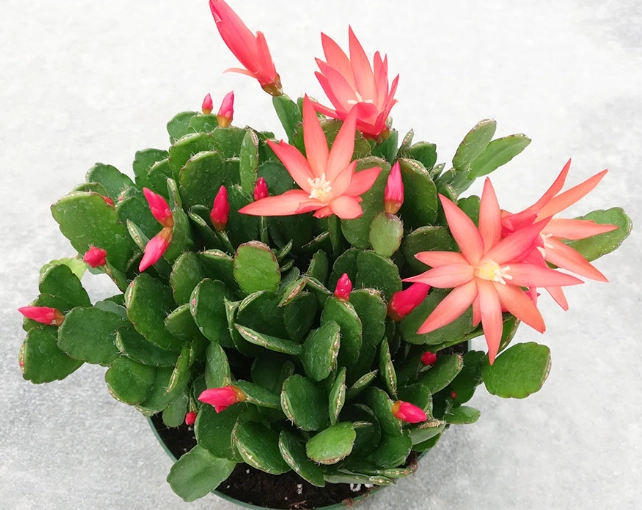
Look, the Easter cactus has a bit of a reputation for being tricky. But once you understand its language—its need for bright but indirect light, its sensitive watering schedule, and its non-negotiable requirement for a cool, dark rest period—it transforms from a finicky houseguest into a reliable spring performer. It’s a plant that teaches you patience and observation. And when those first brilliant buds crack open, after you’ve faithfully shuffled it in and out of a closet for weeks, the reward feels earned. It’s not just a bloom; it’s a little trophy for getting the conditions just right.
Give it what it needs, and it will reward you year after year. Forget the generic care tags. Listen to the plant. Now go check the edges of those segments—are they smooth or pointy?

Comments