In This Guide
Let's talk about jasmine. That intoxicating smell on a summer evening, the way it can transform a bland fence into a living wall of green and white. But here's the thing everyone figures out eventually – jasmine is a climber. It wants to go up. And if you don't give it something good to climb on, it'll find its own way, often with messy results. That's where a proper jasmine plant trellis comes in. It's not just a support; it's the foundation for your plant's entire personality.
I remember my first attempt. I used a flimsy piece of plastic netting stapled to a wall. Big mistake. One season of growth, and the whole thing sagged under the weight, pulling my poor star jasmine into a sad, droopy mess. I learned the hard way that choosing and installing a trellis is as important as watering the plant itself.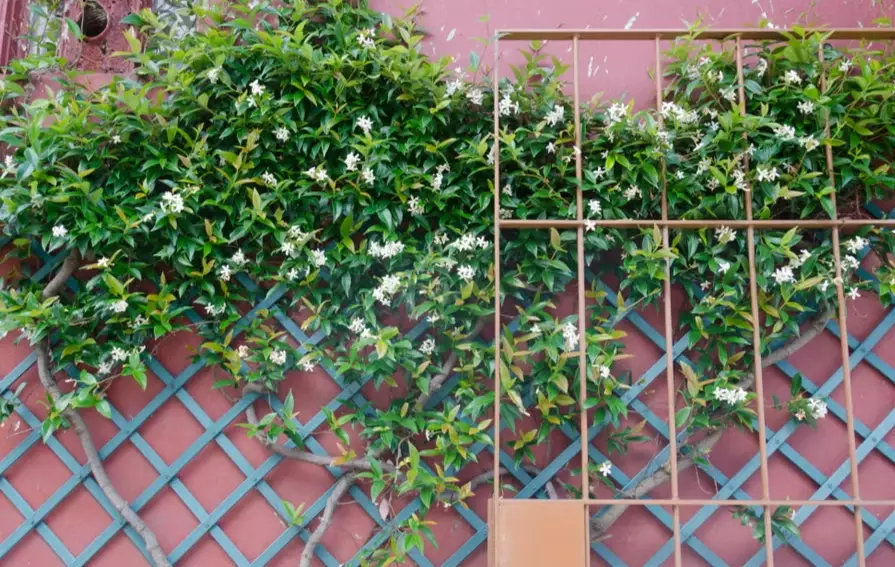
This guide is everything I wish I'd known back then. We're going to move past the basic "buy a trellis" advice and dive into the nitty-gritty. What material won't rot in five years? How do you actually attach it so it holds a mature plant? And how can you make it look like a deliberate part of your garden, not an afterthought? Whether you're training a potted Jasminum polyanthum on a balcony or creating a massive privacy screen with Confederate jasmine, the right structure makes all the difference.
Why Your Jasmine Absolutely Needs a Proper Trellis
You might see a young jasmine plant and think, "It's so small, it'll be fine." Trust me, it won't be. Jasmine is deceptively vigorous. Without guidance, it does one of two frustrating things: it either becomes a dense, ground-hugging mat that's prone to mildew and pests, or it sends out long, searching vines that latch onto anything nearby – your siding, your gutters, other plants. A dedicated jasmine plant trellis gives you control.
It's about health, first and foremost. Good air circulation through a well-trained plant prevents fungal diseases. It allows sunlight to reach more leaves, leading to better flowering. It also makes pruning – a non-negotiable task for keeping jasmine happy – a million times easier. You can actually see what you're cutting.
Then there's the aesthetics. A trellis lets you sculpt the growth. Want a fragrant archway over your garden gate? A lush green wall to hide an ugly fence? A delicate spiral topiary in a container? The trellis is your tool. It turns a plant into garden architecture.
And let's be practical about space. Vertical gardening is a lifesaver for small yards, patios, and balconies. Training jasmine upward frees up precious square footage for other plants or activities. A simple trellis for jasmine against a wall can give you a massive visual impact without eating into your patio space.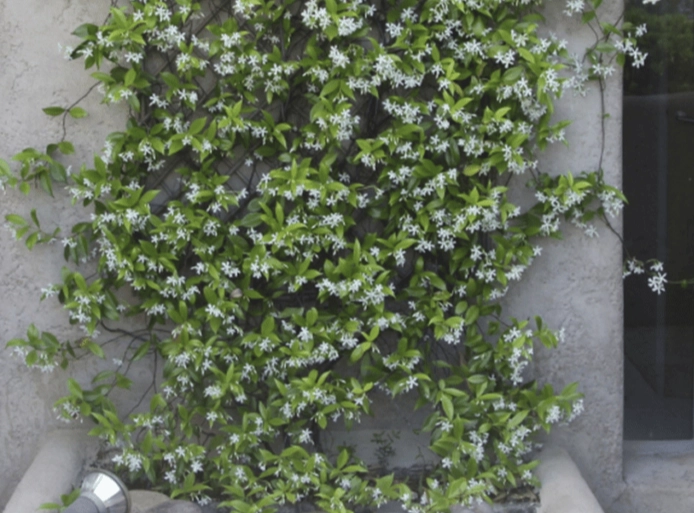
Choosing Your Champion: Materials, Types, and Styles
This is where most people get stuck. Walk into a garden center, and the options are overwhelming. Wood, metal, plastic, vinyl, bamboo... arches, obelisks, fan shapes, panels. How do you pick?
Let's break it down by what matters most: longevity, strength, and looks.
The Material Showdown: What Lasts and What Doesn't
Not all materials are created equal, especially when faced with years of moisture, plant weight, and sun exposure. Here's a real-talk comparison.
| Material | Best For | Pros | Cons & Watch-Outs | My Personal Take |
|---|---|---|---|---|
| Cedar or Redwood | Garden-style looks, natural blending. | Naturally rot-resistant, sturdy, ages to a nice silvery grey. | Can be expensive. Requires occasional sealing for max lifespan. Screws, not nails! | My top pick for durability and classic charm. Worth the investment. |
| Powder-Coated Steel/Iron | Modern designs, arches, heavy-duty applications. | Extremely strong, long-lasting, available in ornate designs. | Heavy, can rust if coating chips. Can get hot in full sun. | Perfect for a statement piece, like an archway. Check coating quality. |
| Vinyl/PVC | Low maintenance, budget-friendly panels. | Never rots, rusts, or needs painting. Lightweight. | Can look cheap. May become brittle in extreme cold. Less structural strength. | Fine for lightweight annuals, but I'm wary for heavy perennial jasmine. |
| Bamboo | Rustic, tropical, or temporary setups. | Inexpensive, natural look, easy to work with. | Short lifespan (2-5 years), rots quickly in soil contact. | Great for a quick fix or container topiary, but plan to replace it. |
| Treated Pine | Budget-conscious large projects. | Strong, affordable, pressure-treated to resist rot. | Contains chemicals (CCA or ACQ). Must not contact edible plants. Green tint fades. | A solid, economical choice for a large fence-covering trellis if you're not growing food nearby. |
See what I mean? That bamboo trellis might look perfect in the store for your potted jasmine, but if it's sitting in damp soil, it'll be mush in a couple of years. For a permanent installation, cedar or metal is the way to go.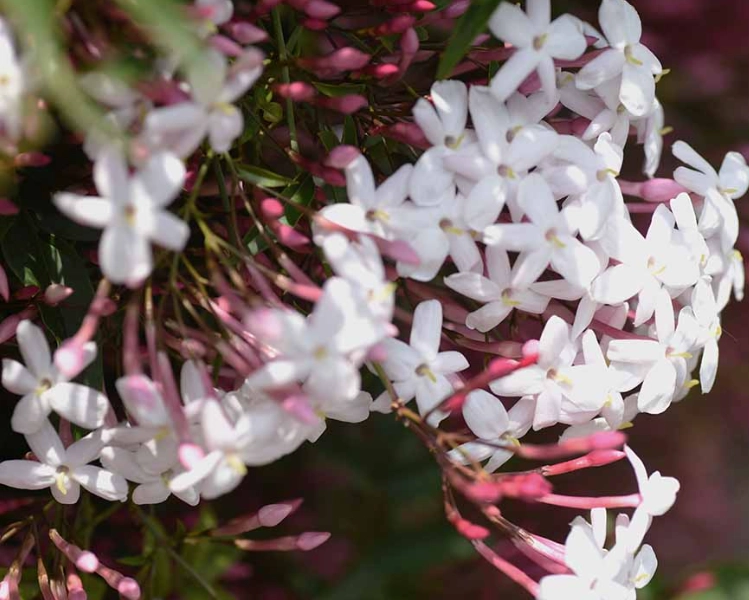
Picking the Right Type of Trellis for Your Goal
The material is half the battle. The shape and design are the other half. Your choice here depends entirely on what you want your jasmine to do.
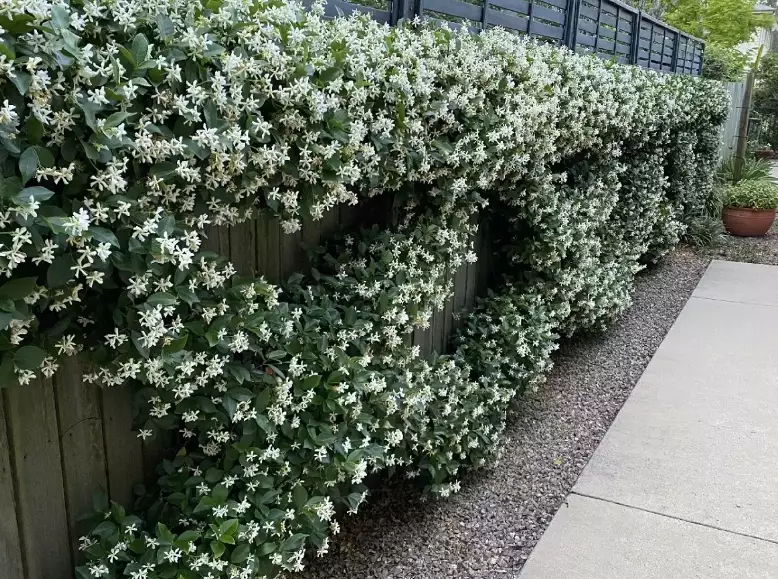
- Wall-Mounted Flat Trellis or Lattice Panel: This is the classic. It's perfect for training jasmine against a house wall, fence, or garage. It creates a flat, green screen. The key is to mount it with spacers (like 1-2 inch blocks) so there's an air gap between the trellis and the wall. This promotes air circulation, prevents moisture damage to your siding, and makes it easier to prune behind the plant.
- Arbors and Archways: Want that dreamy, fragrant entrance to your garden? An arch is your answer. Jasmine (particularly vigorous types like Jasminum officinale) will cover it beautifully. Choose a metal or very sturdy wooden arch, anchored deeply in the ground or in concrete footings. A flimsy one will wobble.
- Obelisks and Tripods: Ideal for container gardening. A metal or wooden obelisk stuck into a large pot gives your jasmine a structure to twine around, creating a magnificent focal point. It's contained, elegant, and manageable.
- Freestanding Trellis Panels: These are like room dividers for your garden. You can use them to create a fragrant privacy screen on a patio, define a space, or hide a compost bin. They need solid posts sunk into the ground for support.
- Fan or Expanding Trellises: These are great for covering a specific, wide area from a single planting point. The plant grows up the center and then fans out along the arms.
So, ask yourself: Am I covering a flat surface, creating an entrance, decorating a pot, or making a freestanding screen? Your answer points directly to the trellis type.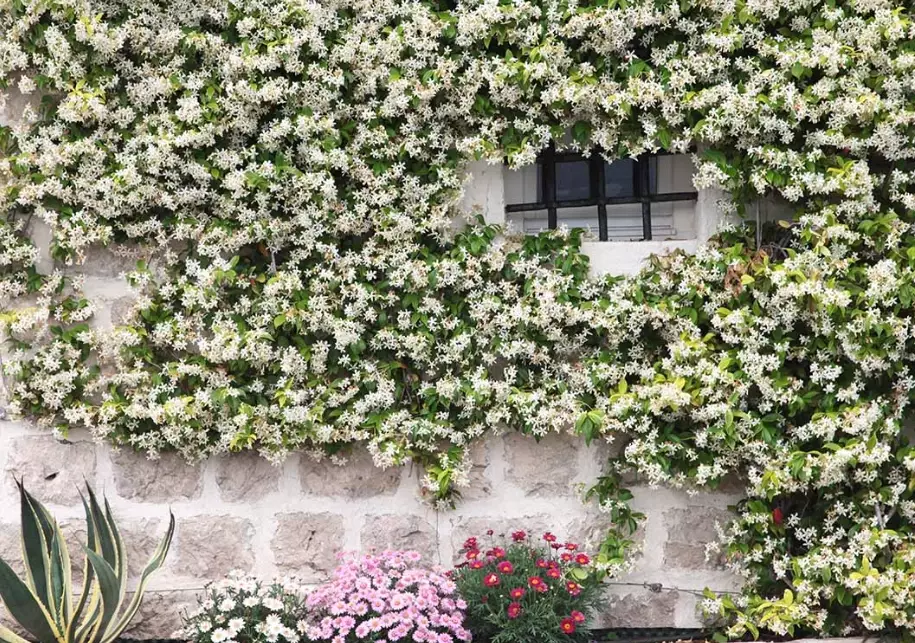
Size and Style Considerations You Might Not Think Of
It's not just about buying a trellis that fits the space today. You need to think about the jasmine plant in 3-5 years.
Size Matters – A Lot. A common mistake is buying a trellis that's too small. Check the mature height and spread of your specific jasmine variety (this info is on the plant tag or a quick search away). Your trellis should be at least as tall as the plant's expected height. If you want a full, lush look, the trellis should cover the area you want filled. It's easier to train a young plant on a large structure than to try and extend a too-small one later.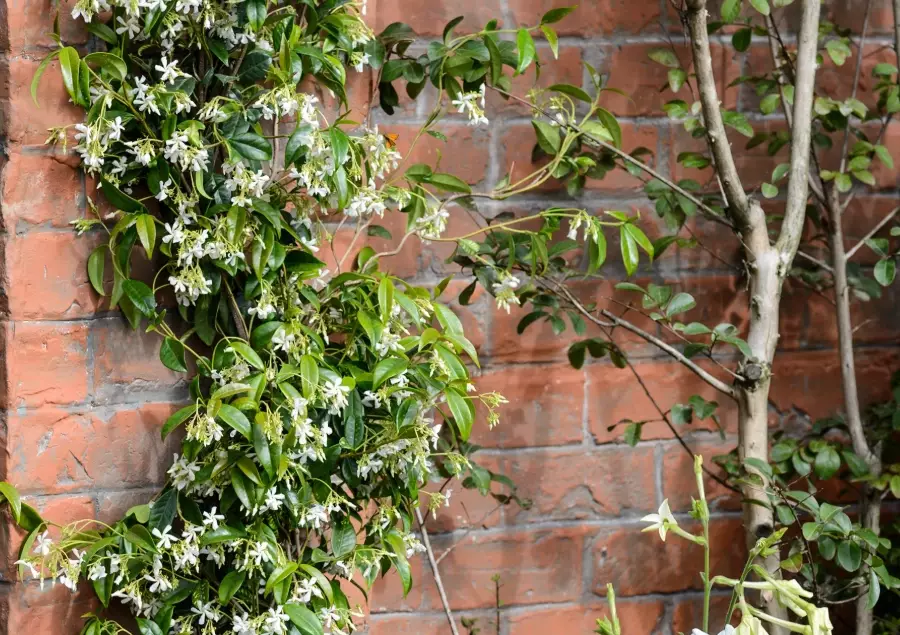
Style Sync. Does your home have a modern, clean-line aesthetic? A simple, black powder-coated steel grid might look best. Is your garden a cottage-style wonderland? A rustic cedar lattice or a white-painted wooden arch will blend in seamlessly. The jasmine plant trellis will be visible, especially in winter after leaf drop, so choose something you like the look of on its own.
Think about the grid pattern too. A trellis with very large openings (more than 6 inches) might not give the young vines enough to grab onto initially. A very small, tight grid can make pruning and training individual stems more fiddly. A medium grid (4x4 or 4x6 inches) is often a good compromise.
The Installation Guide: Making It Stay Put (For Real)
Alright, you've chosen the perfect trellis. Now, how do you make sure it doesn't end up on the ground after a storm or under the weight of a mature plant? This is where DIY projects often fail. Proper anchoring is non-negotiable.
For Wall-Mounted Trellises
Don't just screw it flush to the wall. Here's the right way:
- Find the Studs: Use a stud finder. Attaching your trellis only to siding or plaster is asking for a collapse. You must anchor into the wooden studs behind the wall.
- Use Spacers: Cut blocks of wood (cedar is good) about 1.5 to 2 inches thick. Screw these blocks directly into the wall studs first.
- Attach the Trellis: Now, screw your trellis for jasmine securely to these blocks. This creates that crucial air gap. It looks more professional and is vastly healthier for your plant and your house.
- Hardware: Use exterior-grade screws (deck screws are great) that are long enough to go through the trellis, the spacer, and well into the stud. For a heavy wooden trellis, you might need lag screws or bolts.
For Freestanding or Ground-Based Trellises
Arches, obelisks, and panels need to fight gravity and wind.
- In-Ground Posts: For any substantial structure, the supporting posts should be sunk into the ground at least 2 feet deep, and for taller structures (over 6 ft), consider 3 feet. This prevents wobbly, dangerous tipping.
- Concrete Footings: For permanent, heavy-duty installations (like a large archway), set the posts in concrete. Dig a hole, place the post, pour in quick-set concrete mixed with gravel, and brace the post perfectly upright until it sets. It's a bit more work, but it's forever-sturdy.
- Anchor Kits: For lighter metal arches, you can often buy ground anchor spikes that you drive into the earth and then attach the legs of the arch to. These work well in softer soil.
For an obelisk in a pot, make sure the pot is heavy and wide enough to counterbalance the top-heavy plant. You can also run guy-wires from the top of the obelisk to anchors on the rim of a very large pot for extra stability.
Training Your Jasmine: The First Crucial Season
You have your sturdy, well-installed jasmine plant trellis. Now, don't just let the plant run wild. The first year of training sets the pattern for life.
Gently tie the main, flexible young vines to the trellis using soft plant ties, stretchy garden tape, or even cut-up strips of old t-shirts. Avoid wire or string that can cut into the stems as they thicken. Tie loosely in a figure-eight pattern.
Guide the vines in the direction you want coverage. For a fan shape, train vines outwards diagonally. For a dense cover, encourage them to criss-cross. Don't be afraid to gently weave longer shoots through the openings in the trellis.
Prune any wayward shoots that are determined to grow away from the structure. Your goal is to get the plant to establish its main framework on the trellis. Once it's clinging with its tendrils or twining stems, you can remove many of the temporary ties.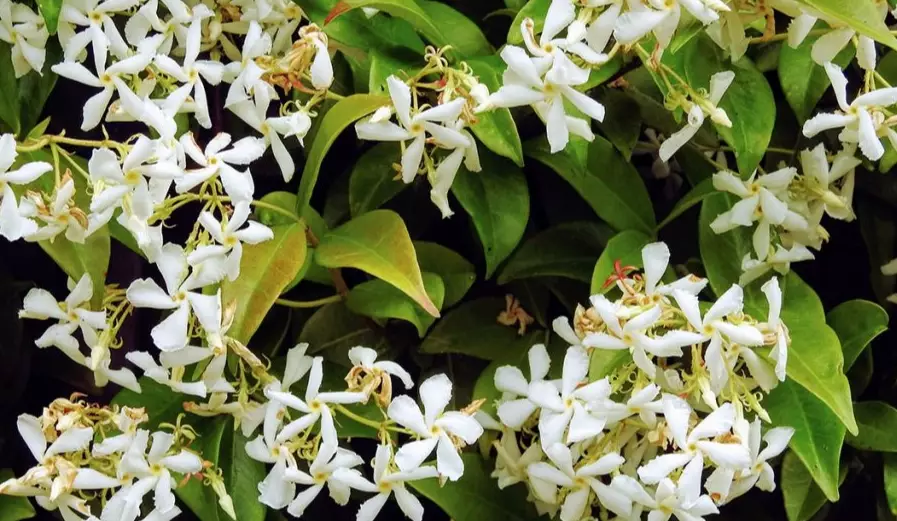
Creative Jasmine Trellis Ideas to Steal
Now for the fun part. Let's move beyond the basic panel on a wall. How can you use a jasmine plant trellis as a design element?
- The Fragrant Entrance: Place two large, matching containers on either side of a front door or garden gate. Plant a jasmine in each and install a tall, narrow obelisk in each pot. Train the jasmine up the obelisks and gently encourage the tops to meet and intertwine over the entrance. Instant elegance and scent.
- Living Wall Art: Use a series of small, square or diamond-shaped trellis panels arranged in a geometric pattern on a blank wall. Plant one jasmine at the base of the center panel and train it to radiate outwards, eventually creating a living, green mandala.
- The Privacy Pergola: If you have a simple pergola over a patio, install wire or a light wooden grid between the rafters. Plant jasmine at the base of the posts. Over a few years, you'll have a fragrant, flowering ceiling that provides dappled shade.
- Window Frame Charm: Find an old, large wooden window frame at a salvage yard. Attach a simple wire grid in the panes and secure the whole frame to a wall or fence. Plant jasmine at the base. It grows up and fills the "window" with greenery and blooms.
- Balcony Column Wrap: For apartment dwellers, a lightweight, flexible vinyl mesh or wire grid can be wrapped around a boring balcony column or railing. Plant jasmine in a long planter box at the base. It transforms a sterile space into a private, fragrant oasis.
Your Jasmine Trellis Questions, Answered
Will jasmine damage my wall or fence through the trellis?
If you use spacers to create an air gap, almost certainly not. Jasmine clings with tendrils or twines, it doesn't have destructive aerial roots like ivy. The danger to walls comes from constant moisture and lack of air circulation, which the spacer prevents. The trellis itself takes the weight and provides the grip.
Can I use a trellis in a pot, and will it tip over?
Absolutely, it's a fantastic look. To prevent tipping: 1) Use a pot that's wider than it is tall (a low bowl planter is more stable than a tall vase). 2) Use a heavy potting mix and consider adding a layer of gravel at the bottom for weight. 3) Choose a trellis size proportional to the pot—a huge obelisk in a tiny pot is doomed. 4) You can secure the trellis legs to the inside of the pot with waterproof adhesive or special pot clips.
My jasmine won't cling to the trellis! What am I doing wrong?
First, identify your jasmine type. True jasmines (Jasminum species) are twiners—they wrap their stems around supports. Confederate/Star Jasmine (Trachelospermum jasminoides) clings with little root-like holdfasts. Twiners need a thin support (like wire or a slender wooden slat) to wrap around. If your trellis grid is too thick, they can't get a grip. For these, you may need to tie them initially or add a layer of thinner mesh or wires over your main trellis for them to latch onto. Star Jasmine will stick to almost any rough surface once it gets going.
How do I prune jasmine on a trellis without making a mess?
Prune immediately after the main flowering flush ends. Your goal is to thin out overcrowded growth, cut back overly long shoots that are going off-script, and remove any dead or weak wood. Always cut back to a healthy bud or side shoot. Work slowly, tying up any long stems you want to keep as you go, so you don't accidentally cut the main framework. For a detailed guide on pruning techniques for plant health, resources from institutions like the Royal Horticultural Society are invaluable.
What's the best jasmine variety for a trellis?
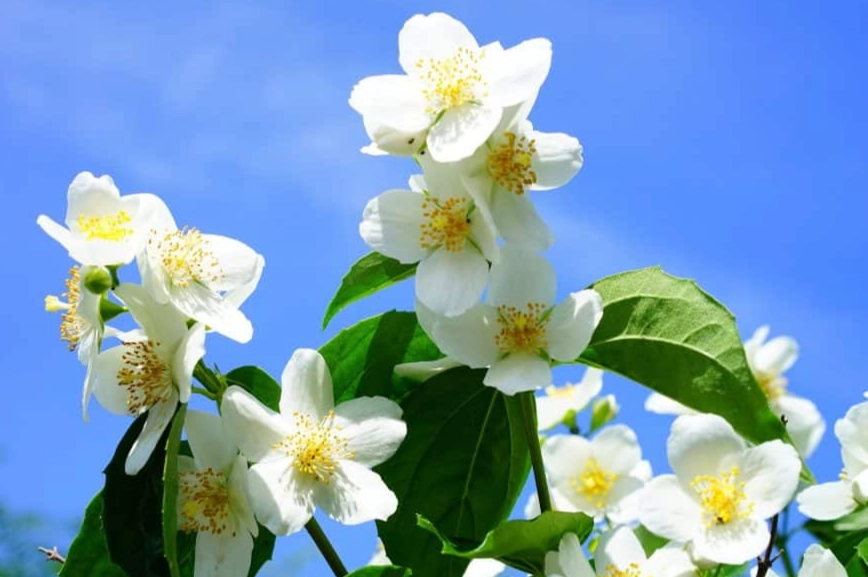
For cold climates (down to USDA zone 6), Jasminum officinale (Common White Jasmine) is a vigorous, hardy twiner. For incredible fragrance and evergreen foliage in warmer zones (7-10), Trachelospermum jasminoides (Star Jasmine) is the superstar—it's not a true jasmine but performs the same role beautifully. For indoor or patio pots, Jasminum polyanthum (Pink Jasmine) is a fast-growing, powerfully fragrant twiner that loves a trellis. The Missouri Botanical Garden's plant database is a terrific resource for checking specific variety needs.
Long-Term Care and Troubleshooting
Your trellis is up, your jasmine is growing. Here's how to keep the partnership thriving for the long haul.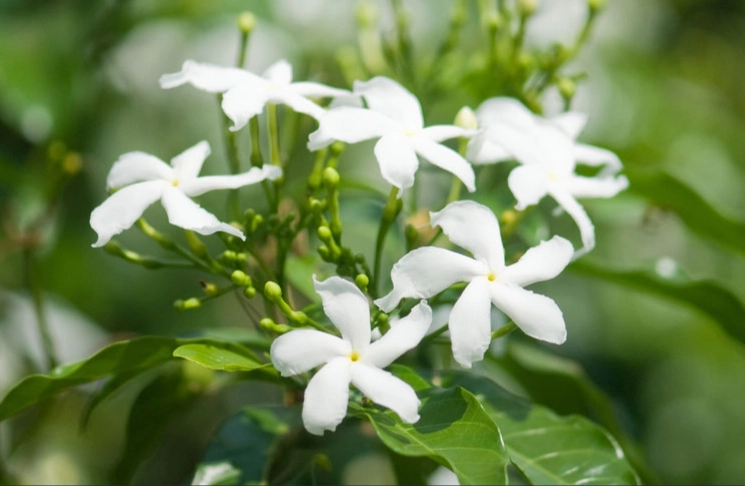
Annual Check-Up: Once a year, give your trellis a good inspection. Tighten any loose screws or bolts. Check wooden trellises for rot, especially at ground contact points. Sand and re-seal or re-stain cedar if it's looking overly weathered. Check metal for rust spots; sand and touch up with paint.
Feeding for Growth: A jasmine covering a large trellis is working hard. Feed it in early spring with a balanced, slow-release fertilizer. A bloom-booster fertilizer (higher in phosphorus) applied as flower buds form can enhance blooming. Good soil health is key; incorporating compost around the base each spring does wonders.
Winter Prep: In colder zones, the trellis itself can help protect the plant. If you have a tender variety, you can loosely wrap burlap around the trellis and plant to create a windbreak. For container jasmine on an obelisk, you might need to move the whole assembly to a sheltered spot or garage.
The Ultimate Test – Stability: Give your mature jasmine plant trellis a firm wiggle test every spring. If there's significant movement, it's time to reinforce the anchoring. It's much easier to add a ground stake or new concrete footing before the plant is in full, heavy leaf.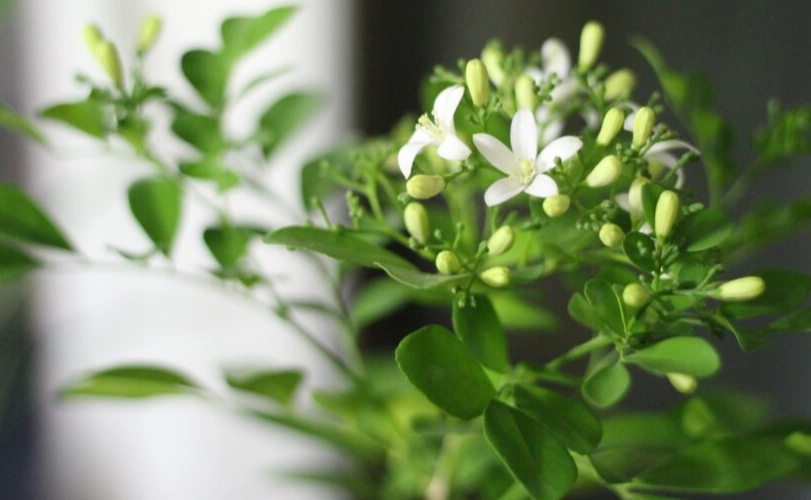
Choosing and installing the right trellis isn't just a gardening task; it's an investment in years of beauty and fragrance. It's the difference between a plant that's a manageable, stunning feature and one that becomes a chaotic, high-maintenance problem. Take your time picking the right one, install it with care, and train your jasmine with a little patience. The reward—a perfectly framed, healthy, and breathtakingly fragrant display—is absolutely worth the effort.
Got a tricky spot or a specific jasmine trellis question I didn't cover? Drop it in the comments below—I love solving these garden puzzles.
Comments