Quick Guide
- Breaking Down the Ingredients: What's in a Great Succulent Mix?
- DIY Succulent Soil Mix Recipes: From Simple to Pro
- Battle of the Bags: Evaluating Commercial Succulent & Cactus Mixes
- Matching the Mix to the Plant: One Size Does Not Fit All
- The Repotting Process: Doing It Right with Your New Mix
- Answering Your Dirt-Centric Questions (FAQ)
- The Bottom Line: Keep It Gritty, Friends
Let's be honest for a second. We've all done it. You bring home a gorgeous, plump little succulent, full of hope, and you plop it into whatever potting soil you have left over from your ferns or your petunias. A few weeks later, you're staring at a mushy, discolored stump wondering what on earth you did wrong. I've been there more times than I care to admit, especially when I first started. The culprit, almost every single time, wasn't the water, the sun, or my (questionable) singing to the plants. It was the soil. The humble, overlooked succulent soil mix.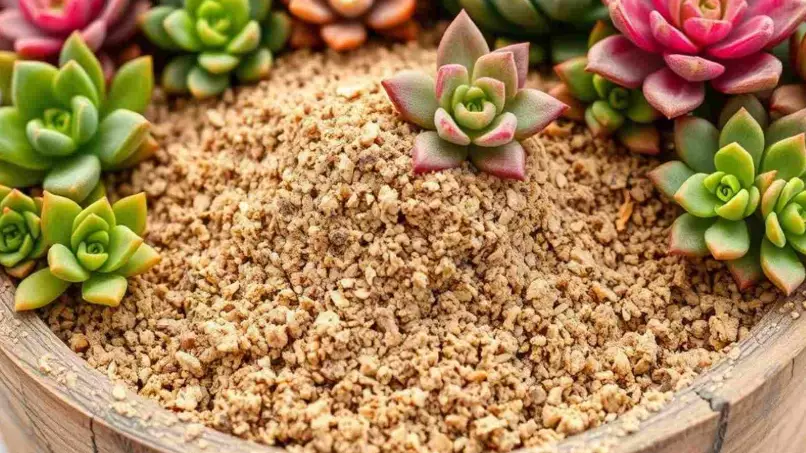
Getting the soil right is the single most important thing you can do for these plants. It's more crucial than finding the perfect sunny spot, more critical than nailing the watering schedule. Why? Because succulents and cacti have evolved in some of the harshest, driest, and most well-drained places on earth. Their roots are simply not built for the moisture-retentive, rich, fluffy soil that most other houseplants crave. Put them in that, and you're essentially giving them wet socks to wear forever. Their roots rot, and the plant collapses from the bottom up. It's a sad, common story.
So, what exactly goes into this magic mix? Is it worth buying a bag off the shelf, or should you get your hands dirty and make your own? And how do you even know which commercial mix is any good? We're going to dig into all of that, layer by layer, grain by gritty grain.
Breaking Down the Ingredients: What's in a Great Succulent Mix?
Forget thinking of soil as just "dirt." A proper succulent and cactus mix is more of a growing medium—a carefully balanced structure. It has two main jobs: to anchor the plant and to manage water and air around the roots with extreme efficiency. To do that, it combines inorganic materials (for drainage and structure) with a small amount of organic material (for minimal nutrients and moisture).
The Drainage Dream Team (Inorganic Components)
This is the backbone of your mix, usually making up 60-80% of the total volume. These materials don't break down, don't hold much water, and create those all-important air pockets.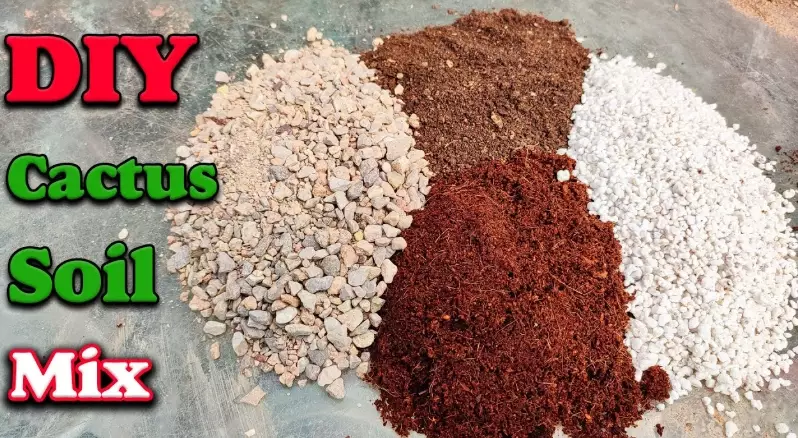
- Perlite: Those little white, popcorn-like bits you see in bagged mixes. It's super lightweight, sterile, and excellent for aeration. My only gripe? It can sometimes float to the top when you water. But it's cheap and effective.
- Pumice: This is my personal favorite. It's a porous volcanic rock that's slightly heavier than perlite, so it doesn't float. It absorbs a tiny bit of water and then releases it, provides fantastic drainage and aeration, and never breaks down. It's a bit pricier but worth it for your prized plants.
- Coarse Sand: Not playground sand or beach sand (which is too fine and can compact). You want horticultural sand or coarse builder's sand. The grains should be like tiny little pebbles. It adds weight and improves drainage dramatically. A must-have for a gritty feel.
- Gravel or Chicken Grit: Small, crushed granite or aquarium gravel (non-calcareous) adds serious drainage and is often used in ultra-gritty mixes, especially for mesembs like Lithops.
- Turface or Bonsai Grit: Fired clay particles that are hard, porous, and angular. They create a stable, long-lasting structure in the soil mix. Popular among serious collectors.
The Organic Element: Less is More
This part provides a tiny bit of water retention and some nutrients. The key word is tiny.
- Potting Soil (the plain, cheap kind): This is the most common base. Don't use moisture-control mixes, garden soil, or super-rich compost. You want a basic, peat or coir-based potting mix with minimal fertilizer. It should only be about 20-40% of your final succulent soil mix.
- Coconut Coir: A sustainable alternative to peat moss. It holds water well but also rewets easily if it dries out completely. It's more pH-neutral than peat.
- Worm Castings: A fantastic, mild organic fertilizer. If you add some to your mix, you might not need to fertilize as often. Just a handful per gallon of mix is plenty.
DIY Succulent Soil Mix Recipes: From Simple to Pro
Okay, let's get mixing. The beauty of DIY is you can tweak it based on your climate (humid vs. dry), your watering habits (frequent forgetter vs. over-lover), and the type of succulent. Here are a few trusted recipes.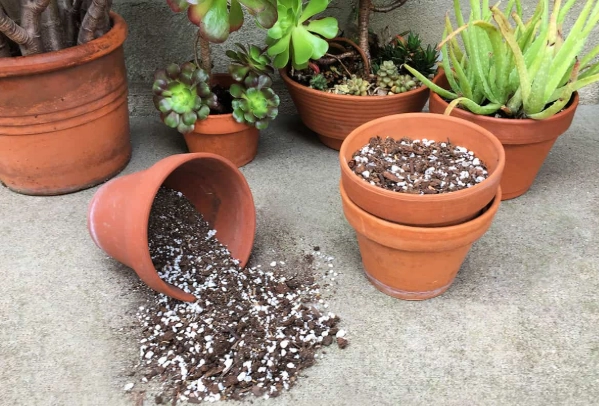
The All-Purpose, Can't-Go-Wrong Starter Mix
This is perfect for Echeverias, Sedums, Haworthias, and most common succulents. It's simple and uses easy-to-find ingredients.
- 2 parts Potting Soil
- 1 part Coarse Sand
- 1 part Perlite or Pumice
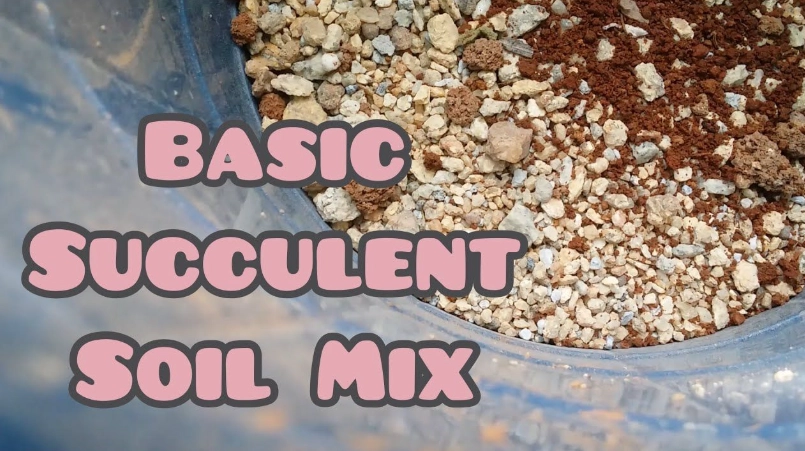
Mix it all up in a bucket or a big tub. You'll immediately feel the difference—gritty, loose, and crumbly. If it feels at all muddy or clumpy, add more perlite or sand. This mix strikes a great balance between drainage and holding just enough moisture for the roots to grab a drink.
The Gritty, Desert-Dweller Mix
For cacti, Agaves, and succulents that truly hate wet feet (or if you live in a very humid apartment). Also ideal for plants you tend to overwater.
- 1 part Potting Soil or Coco Coir
- 1 part Pumice
- 1 part Coarse Sand or Crushed Granite
This is a fast-draining, lean mix. Water will flow through it almost immediately. It forces you to water thoroughly when you do water, but then dries out very quickly. Your plants will grow slower but be incredibly sturdy.
My Personal, Slightly Fussy Favorite Mix
After killing my fair share of plants, this is the blend I've settled on for most of my collection. It's a hybrid of ideas from bonsai and alpine gardening.
- 1 part high-quality Potting Soil (I sift out the finest dust)
- 1 part Pumice
- 1 part Horticultural Sand
- A half-part of Pine Bark Fines (small orchid bark chunks) for extra texture
- A handful of worm castings per gallon of total mix
It drains like a dream but the bark and castings give it a little more biological activity and structure. The pine bark breaks down slowly, adding slight acidity, which many succulents appreciate.
Battle of the Bags: Evaluating Commercial Succulent & Cactus Mixes
Not everyone has the space, time, or desire to mix their own soil. That's fine! But you need to be a savvy shopper. Many bagged "cactus mix" products are still too organic and heavy. They're a starting point, not a finished product. Let's look at some common ones.
| Brand / Product | What's In It (Typically) | The Good | The Not-So-Good | My Verdict & How to Improve It |
|---|---|---|---|---|
| Miracle-Gro Cactus, Palm & Citrus Potting Mix | Forest products, peat, sand, perlite, fertilizer. | Widely available, affordable. | Can be too fine and peat-heavy, leading to compaction. The fertilizer is a bit strong for some sensitive succulents. | A decent base. I'd mix it 1:1 with extra perlite or pumice to improve drainage dramatically. |
| Espoma Organic Cactus Mix | Peat humus, perlite, sand, limestone, earthworm castings. | Organic, includes nice amendments like worm castings. | Still quite organic. Can feel a bit dense straight out of the bag. | Better structure than some. Good for beginners, but still benefits from added grit for fussy plants. |
| Bonsai Jack Gritty Mix (111) | Pine coir, calcined clay, Monto Clay. | Incredibly fast-draining, professional-grade, impossible to overwater with. | Expensive. Dries out VERY fast, requiring more frequent watering in hot climates. | Top-shelf product. Ideal for expert collectors, lithops, and anyone with a heavy watering hand. Not for the forgetful waterer. |
| Superfly Bonsai Succulent & Cactus Mix | Diatomaceous earth, Monto clay, calcined clay, pine bark. | Excellent, consistent particle size. Great aeration and drainage. Popular in online succulent communities. | Another premium, pricey option. Like Bonsai Jack, it requires attentive watering. | A fantastic ready-to-use gritty mix. You pay for the convenience and quality. Your plants will love it. |
The takeaway? Even the best commercial succulent soil mix might need a personal touch. Don't be afraid to open the bag, feel it, and add more inorganic material if it doesn't feel gritty enough. Your plants will thank you.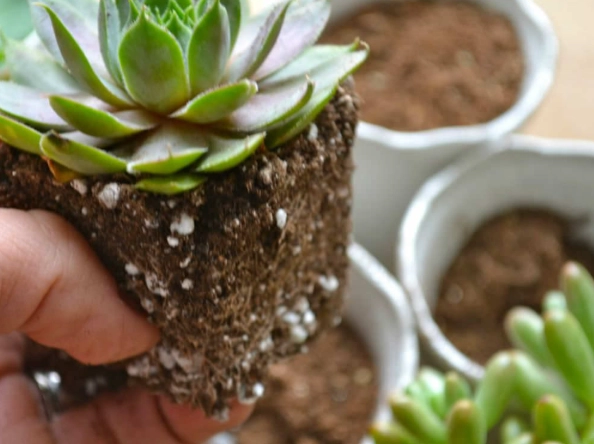
"The ideal soil should dry out completely within 1-3 days of a thorough watering. If it's still damp after 5 days, your mix is too water-retentive." – A rule of thumb from veteran growers.
Matching the Mix to the Plant: One Size Does Not Fit All
Here's where we go beyond the basics. A Jade Plant (Crassula ovata) has different needs than a living stone (Lithops). Let's get specific.
For Lithops, Split Rocks (Mesembs): These are the ultimate desert mimics. They need an almost soil-less mix. Think 80-90% inorganic: pumice, coarse sand, crushed granite. A 10% pinch of potting soil is plenty. Their watering schedule is bizarre and strict, and the right soil is non-negotiable.
For Haworthias and Gasterias: They often have thicker, fleshier roots and appreciate a bit more organic matter than some Echeverias. A 50/50 blend of potting soil and grit works well. They're more forgiving.
For mature, large specimen plants (big Agaves, old Aloes): They need weight and stability. Increase the sand and gravel component. You might even add some topsoil or loam for weight, but balance it heavily with drainage materials.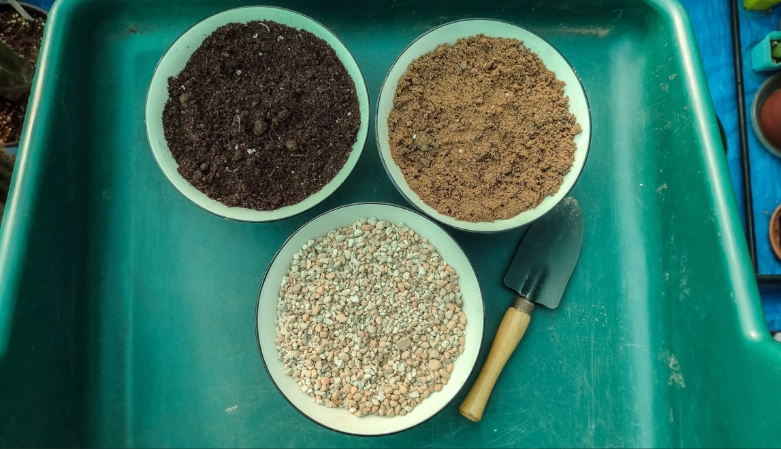
The Repotting Process: Doing It Right with Your New Mix
You've got your perfect succulent soil mix, either homemade or store-bought and amended. Now, how do you get it under your plant without causing trauma?
- Timing is Key: The best time to repot is at the start of the active growing season, usually spring or early summer. Avoid repotting when the plant is dormant (often mid-winter).
- Dry Roots are Happy Roots: Don't water the plant for a week or so before repotting. Dry soil falls away from the roots more easily, and dry roots are less brittle and prone to damage.
- The Gentle Tease: Tip the pot over, support the plant at its base, and gently work it out. Don't yank. Use a chopstick or your fingers to carefully loosen the old soil from the root ball. Shake it out. It's okay if some old soil remains, but try to get most of it, especially if it was poor-quality, dense mix.
- Inspect and Snip: This is your chance to check the roots. Healthy roots are firm and white or tan. Mushy, black, or stringy roots are rotten—snip them off with clean, sharp scissors. Let the plant sit out (bare-root) for a day or two if you made any major cuts to callous over.
- Potting Up: Choose a pot with a drainage hole. Always. Place a piece of mesh or a broken shard over the hole. Add a layer of your new mix. Position the plant so its base is just below the pot's rim. Holding the plant steady, scoop your succulent soil mix around the roots. Tap the pot to settle the mix. Don't press down hard—you want to keep it airy.
- The First Water: Here's a big debate. Some say water immediately to settle the soil. Others say wait a week to let any root injuries heal. My method? If the roots were very healthy and I did little pruning, I'll give a light water to settle the mix. If I did significant root surgery, I wait 4-7 days. When you do water, do it thoroughly until it runs out the bottom.
Answering Your Dirt-Centric Questions (FAQ)
I get a lot of questions about this stuff. Here are the ones that pop up constantly.
The Bottom Line: Keep It Gritty, Friends
After all this, the message is simple but vital. The right succulent soil mix is the foundation of everything. It's the difference between struggling to keep a plant alive and watching it thrive with minimal effort. Investing time in getting this right saves you from the heartache of root rot, the confusion of unexplained leaf drop, and the money spent on replacing plants.
Start with a simple DIY recipe. Get your hands in it. Feel the texture. See how water moves through it. Observe how your plants respond. You'll quickly develop an intuition for what works in your home with your watering habits.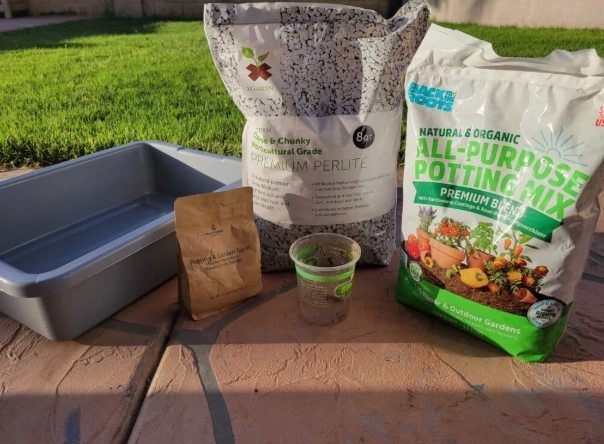
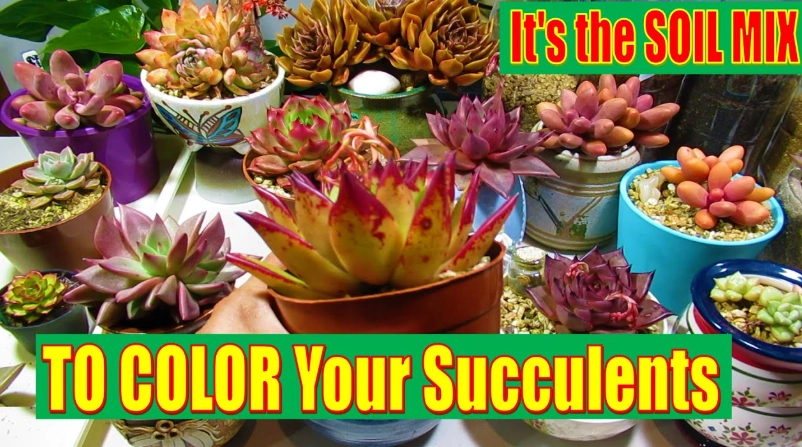
Don't overcomplicate it, but don't ignore it either. That bag of all-purpose potting mix is for your pothos, not your prickly pear. Give your succulents the gritty, airy, fast-draining home they evolved for, and you'll be rewarded with robust growth, brilliant colors, and the sheer satisfaction of a happy plant. For further reading on the science of plant substrates, the Royal Horticultural Society (RHS) offers excellent, research-backed advice on growing mediums that aligns with these principles.
Now go check your plants' soil. I know you want to.

Comments