Quick Navigation
- Why Bother with Lavender Plants in Pots Anyway?
- Picking Your Champion: The Best Lavender for Pots
- The Pot and Soil: Getting the Foundation Right
- The Planting Process: A Step-by-Step Walkthrough
- Daily and Seasonal Care: The Art of Neglect
- Pruning and Harvesting: Keeping It Beautiful
- Overwintering Potted Lavender: The Cold Truth
- Troubleshooting: Solving Common Problems
- Your Lavender in Pots Questions, Answered
Let's be honest. You see those perfect pictures of lavender plants in pots on Instagram or Pinterest, spilling over with purple blooms, and you think—I want that. But then you remember you killed that lavender plant you bought from the grocery store last year. It turned brown, got all woody, and just… gave up.
I've been there. More than once. The first few times I tried growing lavender in containers, it was a disaster. Too much water, wrong soil, pot too small. You name it, I did it wrong.
But here's the thing. Lavender is actually a tough plant. It wants to live. We just need to stop treating it like a needy houseplant and understand what it really craves: neglect, sunshine, and really good drainage. Once you get that, growing lavender in pots becomes almost easy. This guide is everything I wish I knew when I started, packed with the nitty-gritty details that make the difference between a sad, twiggy plant and a fragrant, blooming powerhouse.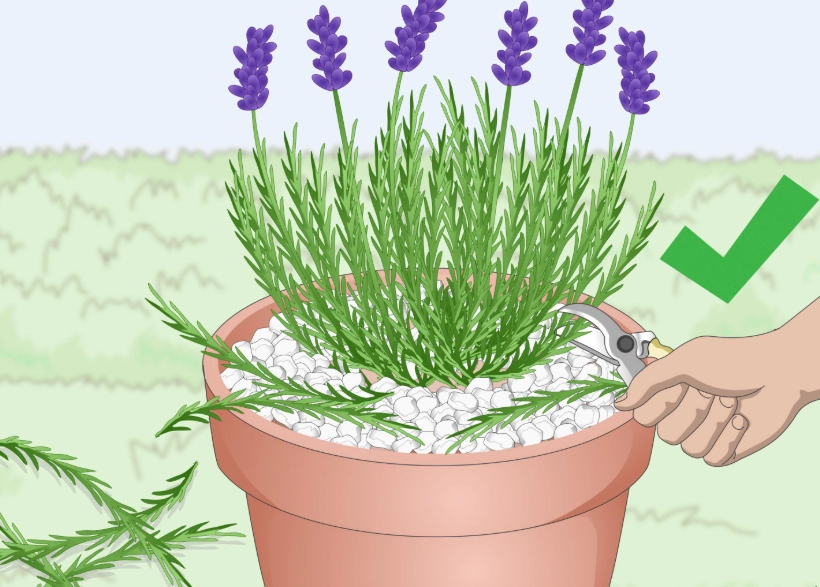
Why Bother with Lavender Plants in Pots Anyway?
Maybe you don't have a big garden. Maybe your soil is heavy clay that lavender would hate. Or maybe you just want that incredible scent right outside your kitchen door. Container gardening with lavender solves all that.
You get total control. Control over the soil (huge for lavender). Control over the water. You can move the pot to chase the sun or tuck it away from harsh winter winds. It's perfect for patios, balconies, decks, or even a sunny windowsill. And let's not forget the obvious—it looks and smells amazing. A few pots of lavender can transform a bland concrete space into a little Mediterranean getaway.
Picking Your Champion: The Best Lavender for Pots
Not all lavender is created equal, especially for container life. Some get huge and woody, while others stay compact and tidy. Choosing the right variety is your first big win.
You'll mainly hear about three types: English, French, and Spanish. For pots, English lavender (Lavandula angustifolia) is the undisputed champion for most climates. It's hardier, more fragrant, and generally more forgiving. French lavender is prettier with its butterfly-like bracts, but it's less cold-tolerant and can be fussier.
Here’s a quick breakdown of the top performers I've had success with: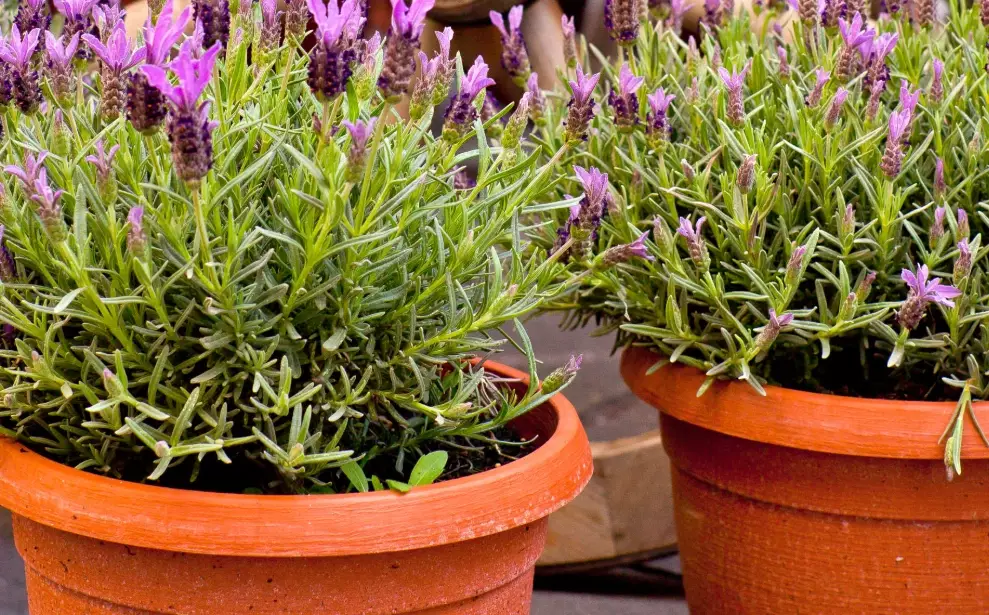
| Variety Name | Type | Why It's Great for Pots | My Notes |
|---|---|---|---|
| 'Hidcote' | English | Super compact, deep purple flowers, intense scent. | My absolute favorite. Stays neat, blooms heavily. A reliable show-off. |
| 'Munstead' | English | Slightly larger than Hidcote, very hardy, classic look. | A workhorse. Less likely to complain if you miss a watering. |
| 'Phenomenal' | English Hybrid | Bred for humidity and disease resistance. | If you live in a muggy area, this is your best bet. It lives up to the name. |
| 'Anouk' | Spanish | Long bloom time, striking purple “ears.” | Not as hardy, but for a summer patio show, it's stunning. Bring it indoors in winter. |
See a pattern? Compact and hardy wins the race for container growing. I made the mistake of planting a 'Grosso' lavender (meant for fields) in a pot once. It looked ridiculous and unhappy within a season. Lesson learned.
The Pot and Soil: Getting the Foundation Right
This is where most people fail. They plop a lavender plant into whatever pot they have lying around, fill it with bagged potting soil, and wonder why it dies.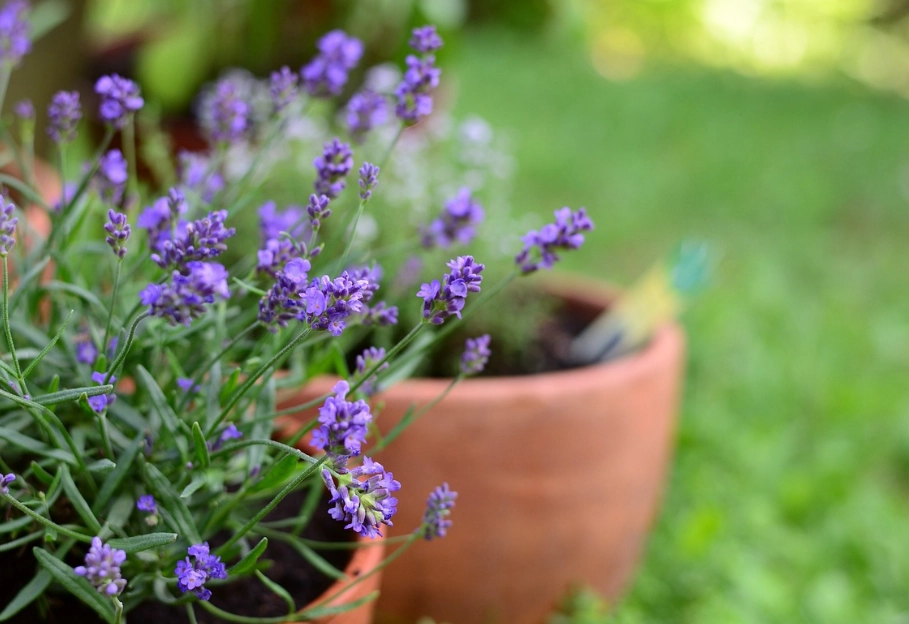
The Perfect Pot
Drainage. Drainage. Drainage. I can't say it enough. Lavender's roots will rot if they sit in wet soil. Your pot must have at least one large drainage hole. Several are better.
Material matters:
- Terra Cotta or Clay: My top pick. They're porous, which allows the soil to dry out from the sides as well as the bottom. This mimics the well-drained conditions lavender loves. The downside? They dry out faster, which in this case is a feature, not a bug.
- Ceramic (Glazed): Looks beautiful but holds moisture longer. Only choose this if it has excellent drainage holes and you're very disciplined with watering.
- Plastic or Resin: Lightweight and cheap, but they retain the most moisture. You have to be extra careful not to overwater. I'd avoid them for lavender unless you're a very experienced, hands-off waterer.
Size is crucial. Don't plant a small lavender start in a huge pot. The excess soil will stay wet too long. Start with a pot that's just 2-3 inches wider than the plant's root ball. You can repot as it grows. A final pot size of 12-16 inches in diameter is usually perfect for a mature specimen.
Crafting the Ultimate Soil Mix
Bagged “all-purpose potting mix” is a death sentence for lavender plants in pots. It's too water-retentive and often too rich.
Lavender needs lean, fast-draining, and slightly alkaline soil. Here's the mix I've used for years with fantastic results. You can tweak it, but the principle is always the same: add grit.
The Basic Lavender Potting Mix Recipe:
- 60% Good Quality Potting Mix: Use a cactus/succulent mix as your base if you can find it. It's already grittier. If using regular potting mix, make sure it's not the moisture-control kind.
- 30% Coarse Sand or Grit: Horticultural sand, poultry grit, or perlite. This is non-negotiable. It creates air pockets and lets water rush through.
- 10% Compost or Worm Castings: Just a handful for a tiny bit of nutrients. Don't overdo it. Lavender isn't a heavy feeder.
- A handful of Garden Lime or Crushed Eggshells: To nudge the pH towards alkaline. Sprinkle it in and mix well.
Mix this all up in a bucket before you plant. It should feel loose and gritty, not dense and clumpy.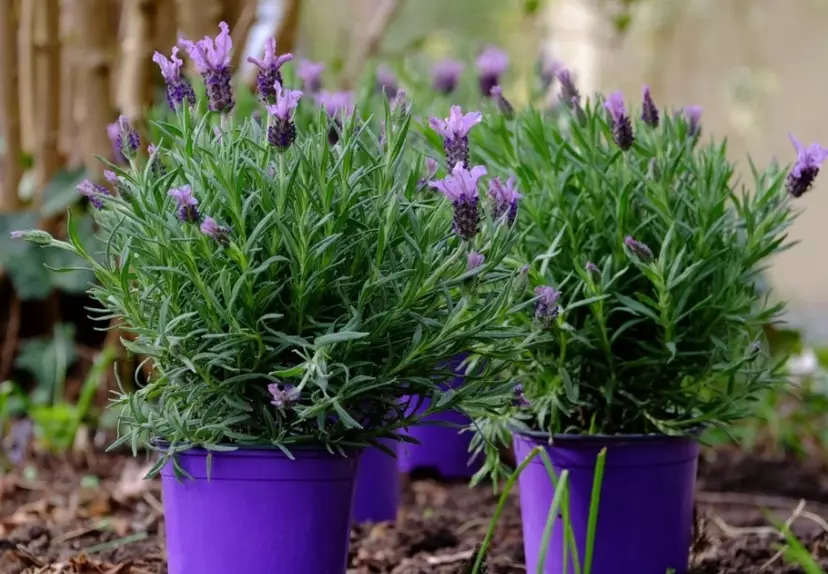
The Planting Process: A Step-by-Step Walkthrough
Okay, you've got your 'Hidcote' plant, a nice terra cotta pot, and your bucket of gritty mix. Time to plant.
- Prep the pot. Cover the drainage hole with a piece of broken pottery or a coffee filter to keep the soil from washing out. Don't layer gravel at the bottom—it actually creates a “perched water table” and makes drainage worse. A myth we need to bust.
- Add a base layer of soil. Fill the pot about one-third full with your mix.
- Tease the roots. Gently loosen the root ball of your lavender. If it's root-bound (a tight mass of circling roots), make a few vertical cuts with a clean knife to encourage roots to grow outward.
- Set the plant. Place it in the pot. The top of the root ball should be about an inch below the rim of the pot. This gives you space to water.
- Fill and firm. Add your soil mix around the sides, firming it gently as you go. Don't pack it down like concrete.
- Water deeply. Give it a really good soak until water runs freely out the bottom. This settles the soil around the roots.
- Find the sunniest spot you have. Lavender needs a minimum of 6-8 hours of direct sun. More is better. Don't even try it in shade.
And that's it. The hard part is over. Now for the care, which is mostly about restraint.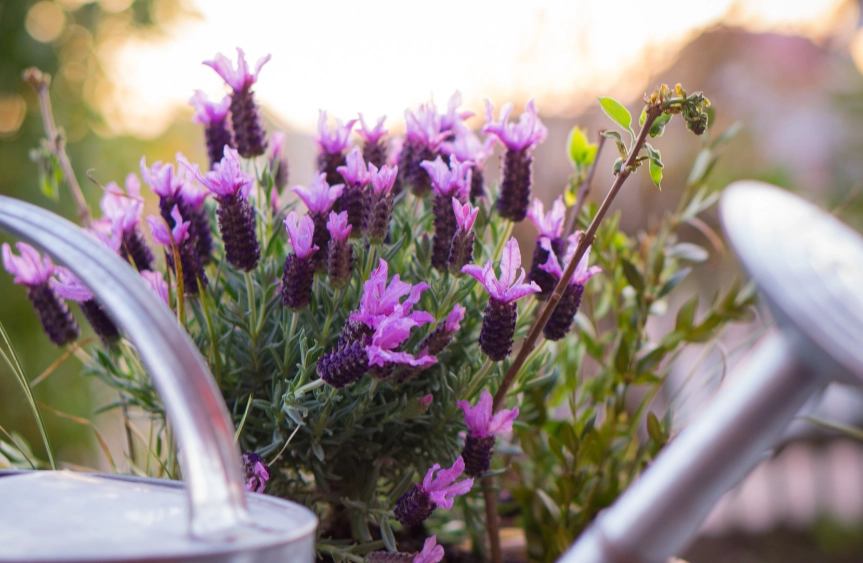
Daily and Seasonal Care: The Art of Neglect
Caring for lavender plants in pots is a lesson in doing less. Here’s what “doing less” actually means.
Watering: The Biggest Make-or-Break
This is where I killed my first plants. Lavender is drought-tolerant. In a pot, it needs water, but on its own terms.
The Golden Rule: Let the soil dry out completely between waterings. I mean completely. Stick your finger into the soil up to the second knuckle. If it feels dry, wait another day. Then water.
In the heat of summer, this might be every 3-5 days. In spring and fall, it could be every 7-10 days. In winter, you might not water at all if it's dormant and the pot is outside.
How to water: When you do water, do it thoroughly. Pour water slowly onto the soil (not over the leaves) until it streams out of the drainage holes. This encourages deep root growth. Then walk away and forget about it until the soil is bone dry again.
Feeding: Less is More
Lavender isn't a hungry plant. In fact, too much fertilizer gives you lots of soft, weak growth and fewer flowers—and makes the plant more susceptible to winter damage.
I feed my potted lavender exactly once a year, in early spring as new growth appears. A light sprinkling of a balanced, slow-release organic fertilizer (like a 5-5-5) scratched into the top inch of soil is plenty. Or use a half-strength dose of liquid seaweed/fish emulsion. That's it. No summer feeding.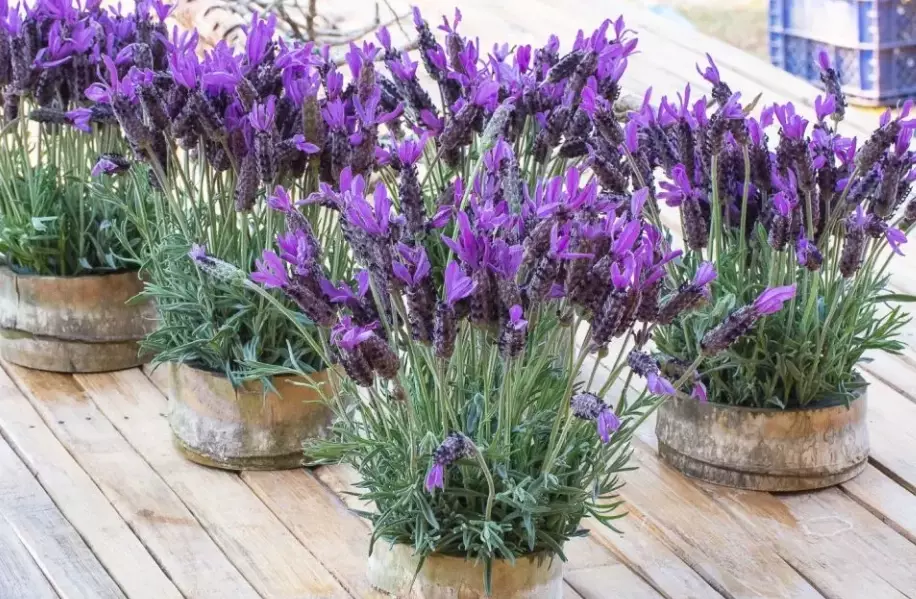
Sun and Air
Sunlight is food. The more sun, the bushier the plant, the stronger the scent, and the more blooms you'll get. A south-facing spot is ideal. Good air circulation is also key. It helps keep the foliage dry and prevents fungal diseases. Don't cram your lavender pot into a crowded corner with other plants.
Pruning and Harvesting: Keeping It Beautiful
If you don't prune lavender, it gets leggy, woody, and splits open in the center. Pruning is essential for a long-lived, attractive plant.
The Two-Prune System:
1. The Harvest Prune (Summer): This is when you cut the flower stems for bouquets or drying. Cut the stems just as the first few flowers on the spike open. Don't cut into the old, woody growth. Cut just above a set of green leaves.
2. The Shape Prune (Late Summer/Early Fall): After the main bloom is done, give the plant a light overall trim. Shape it into a neat mound, again cutting just above green leaves. Never cut back into the bare, brown wood, as it often won't regrow.
The Royal Horticultural Society, a gold-standard authority, has excellent, clear visuals on how to prune lavender correctly. Bookmark it. It'll save you from the heartbreak of over-pruning.
What about harvesting lavender for crafts? Cut the stems on a dry morning after the dew has evaporated. Bundle them with a rubber band and hang them upside down in a dark, dry, well-ventilated spot. In about two weeks, you'll have perfect dried lavender.
Overwintering Potted Lavender: The Cold Truth
This is a major concern for many. Will my lavender in a pot survive the winter? It depends on your zone and the variety.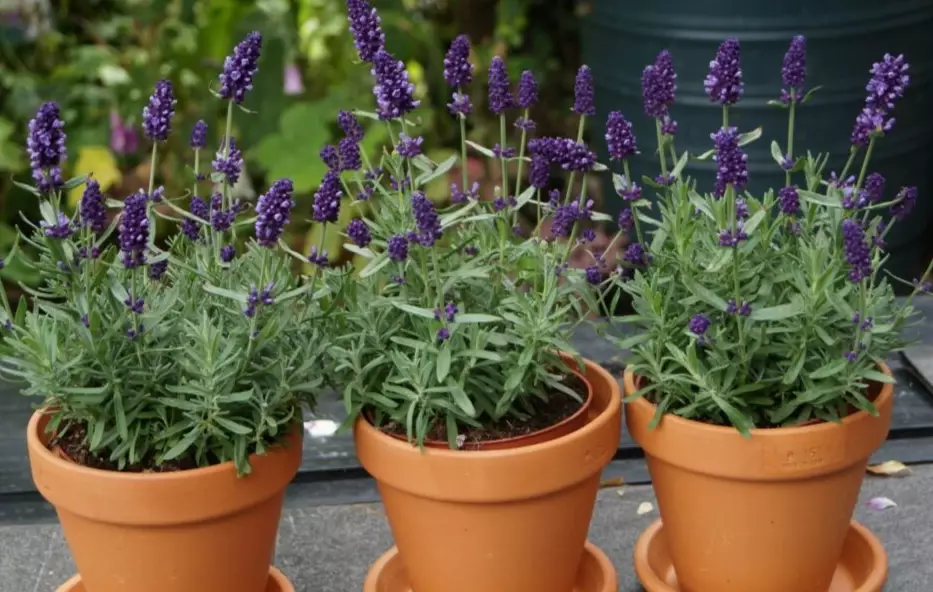
English lavender is hardy, but its roots are more exposed in a pot than in the ground. A pot can freeze solid.
For cold climates (Zones 5-7):
- In late fall, stop fertilizing and reduce watering.
- Move the pot to a sheltered spot against a south-facing wall, which provides radiant heat.
- Insulate the pot. You can bubble-wrap the pot, bury it in a pile of mulch, or place it inside a larger pot and fill the gap with straw or leaves.
- Protect the top with a loose layer of evergreen boughs or straw. Do not smother it with an airtight cover.
For very cold climates (Zone 4 and below): Treat it as a tender plant. Move the pot to an unheated garage, shed, or cold frame where it will stay cold but not subjected to freeze-thaw cycles and harsh winds. Water it very sparingly once a month if the soil is bone dry.
For warmer climates: You might have to protect it from excessive winter rain more than cold. Ensure the pot has perfect drainage and consider moving it under an eave.
You can always check the specific hardiness of your lavender variety on a reliable database like the USDA Plants Database to make an informed decision.
Troubleshooting: Solving Common Problems
Even with the best care, things can go sideways. Here’s a quick-fire list of common issues with lavender plants in pots.
Leggy, sprawling growth: Not enough sun. Move it. Also, you're probably not pruning enough.
Yellowing leaves, especially lower down: Classic overwatering. Let it dry out. Check that the drainage hole isn't blocked.
Brown, dead patches in center: Could be fungal disease from poor air circulation and wet foliage. Improve air flow, water at the soil level, and remove affected parts.
No flowers: Not enough sun, too much nitrogen fertilizer (makes leaves, not flowers), or pruning at the wrong time (e.g., cutting off new growth in spring).
The plant looks woody and open in the center: This is age and lack of pruning. You can try a careful “renovation prune” in spring, cutting back gradually into the woody stems to see if you hit green growth. Sometimes it works, sometimes the plant is too far gone. This is why annual pruning is so important.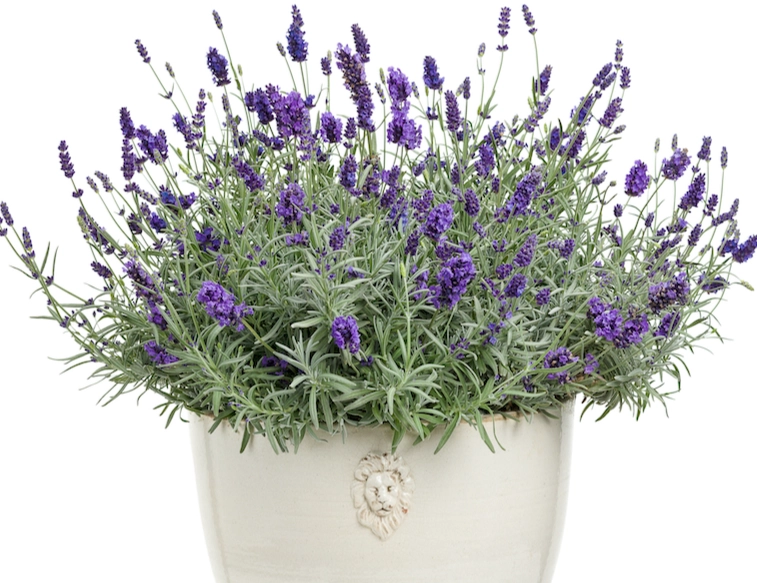
Your Lavender in Pots Questions, Answered
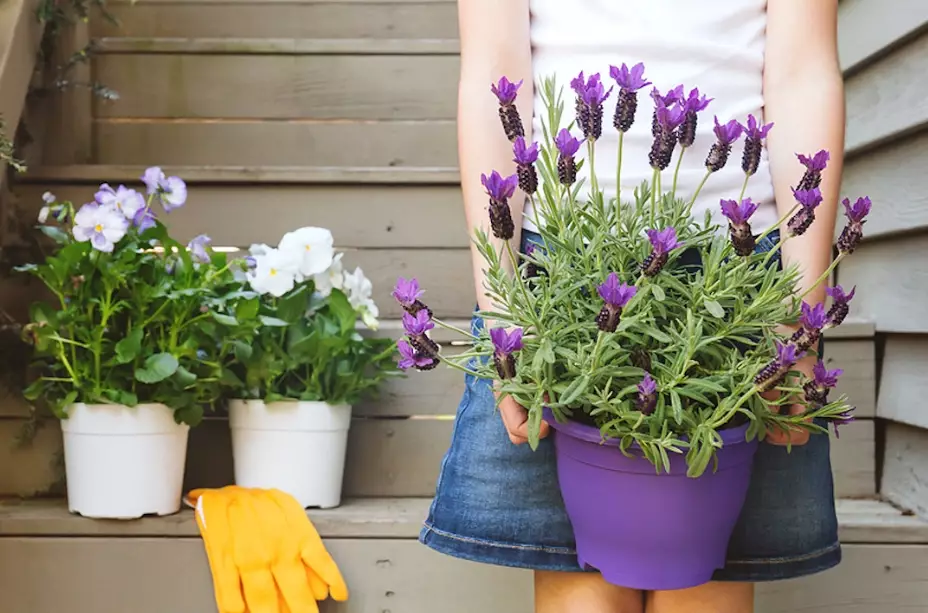
Growing lavender in pots isn't about having a green thumb. It's about understanding a plant that thrives on tough love. Give it sun, grit, and a forgetful watering schedule, and it will reward you with years of beauty and fragrance. It's one of the most satisfying container plants you can grow.
Go find a sunny spot, grab a pot, and give it a try. Start with a 'Munstead' or 'Hidcote'—they're forgiving. And remember, if your first attempt isn't perfect, that's okay. Mine wasn't either. Every gardener has a graveyard of plants that taught them something. Lavender just happens to be a fantastic teacher.

Comments