In This Guide
- More Than Just a Pretty Holder: What a Plant Basket Actually Does
- The Great Material Showdown: Which Basket is Best for Your Plant?
- The Hidden Problem Nobody Talks About: Drainage and Airflow
- Smart Solutions for the Drainage Dilemma
- Getting the Fit Right: Size, Shape, and Proportion
- Styling Your Plant Baskets Like a Pro (Without the Pretension)
- Care and Maintenance: Keeping Your Basket Looking Fresh
- Answers to the Questions You're Actually Searching For
- The Sustainability Angle: Making an Eco-Friendly Choice
- Wrapping It Up: Your Checklist Before You Buy
Let's be honest. You've probably seen those gorgeous pictures on Instagram or Pinterest – a lush, happy fiddle leaf fig or a trailing pothos sitting pretty in a chic basket. It looks effortless. So you think, how hard can it be to pick a basket for a plant? You grab one from the home decor aisle, plop your plant in, and... a few weeks later, you're wondering why your plant looks sad, or worse, why there's a weird smell coming from the basket.
I've been there. I killed a beautiful snake plant that way. Turns out, the cute seagrass basket I used trapped all the moisture and silently rotted the roots. It was a classic case of loving the look more than understanding the function. That experience taught me that choosing a basket for a plant isn't just about aesthetics; it's a crucial part of plant care.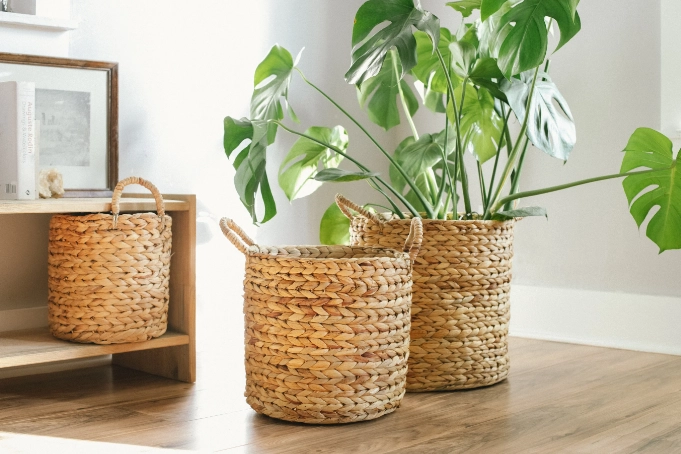
This guide is the one I wish I had. We're going to move beyond the pretty pictures and get into the nitty-gritty. We'll talk materials, sizes, the dreaded drainage problem, and how to actually make your plants and their baskets thrive together. Whether you're a new plant parent or looking to up your styling game, let's figure this out.
More Than Just a Pretty Holder: What a Plant Basket Actually Does
Before we dive into the types, let's reset our thinking. A basket for a plant isn't just a decorative sleeve. When used correctly, it serves a few key roles that your standard plastic nursery pot can't.
First, it's a style engine. It's what transforms a generic plastic container into a cohesive part of your home decor. A good basket can make a $10 plant look like a million bucks. Second, it provides stability. Taller, top-heavy plants (looking at you, monstera) can benefit from the extra weight and sturdiness of a solid basket. Third, it can offer a bit of insulation. Materials like rattan or felt can protect roots from temperature swings if your plant is near a drafty window.
But here's the critical flip side, and where most people mess up: a basket can also be a death trap. It can hide overwatering, restrict air flow, and promote rot if you're not careful. The goal is to maximize the benefits while completely sidestepping the pitfalls.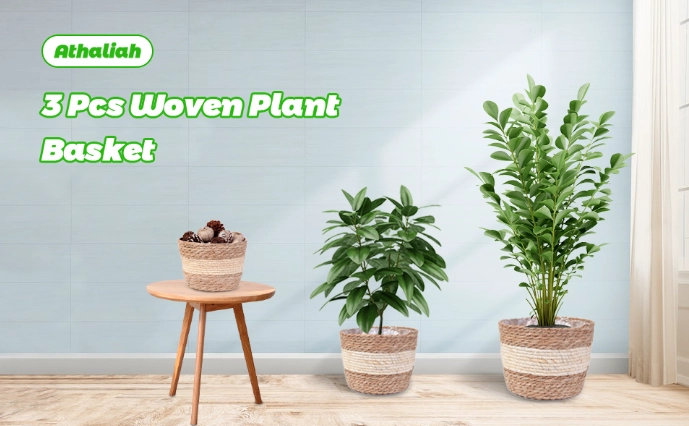
The Great Material Showdown: Which Basket is Best for Your Plant?
This is where the choice gets real. The material of your plant basket dictates almost everything – durability, care requirements, suitability for certain plants, and of course, the look.
| Material | Best For | Pros | Cons & Watch-Outs | My Personal Take |
|---|---|---|---|---|
| Natural Rattan/Wicker | Living rooms, bedrooms, dry climates. Plants that like to dry out between waterings (Snake Plants, ZZ Plants). | Classic, breathable, lightweight, lots of texture. The iconic basket for a plant look. | Can be pricey for good quality. Not water-resistant. May mold or warp if wet. Can snag clothing. | My go-to for a timeless look. Just keep water away from it. The cheaper ones fall apart fast. |
| Seagrass/Rush | Boho, coastal, or rustic styles. Medium-light plants. | Very organic feel, often softer than wicker, sustainably sourced. | Extremely absorbent. My snake plant's murderer. Acts like a sponge against moisture. | Beautiful but dangerous. I only use these as a purely decorative outer layer with a big gap between it and the inner pot. |
| Water-Hyacinth/Bamboo | High-humidity areas like bathrooms or kitchens. Ferns, Calatheas. | More water-resistant than other naturals, very sturdy, unique woven patterns. | Still not waterproof. Can have a stronger natural smell initially. | Underrated! Great for adding texture in a humid kitchen. Holds up better to occasional splashes. |
| Metal (Galvanized, Brass) | Industrial, modern, or farmhouse styles. Any plant, but with caution. | Super durable, easy to clean, won't mold or rot. Creates a cool, modern vibe. | Zero breathability. Can get very hot or cold. Risk of rust if not coated properly. Condensation can be a problem. | Love the look, hate the practice. You must use a plastic liner or saucer inside. Never let the pot sit directly in water inside the metal. |
| Fabric/Felt | Nurseries, home offices, spaces where you want softness. Lightweight plants. | Huge range of colors and patterns, inexpensive, easy to swap out seasonally. | Stains easily, not durable if wet, can look cheap if the fabric is thin. | Perfect for a quick, cheap refresh. I use them for my smaller succulents on a high shelf where they won't get bumped or wet. |
| Recycled/Composite Materials | Eco-conscious styling, modern interiors. | Often waterproof and durable, unique modern aesthetics, sustainable story. | Can be expensive. Styles can be very specific and not to everyone's taste. | A great choice if you find a design you love. They solve the moisture problem intelligently. |
See? It's not just "pick the pretty one."
My personal hierarchy for an everyday, versatile basket for a plant? Quality rattan or water-hyacinth for naturals, or a good composite if I'm worried about moisture. I tend to avoid seagrass for anything that gets watered regularly, and I'm very cautious with metal.
The Hidden Problem Nobody Talks About: Drainage and Airflow
This is the heart of the matter. Your plant's plastic nursery pot has holes. Your beautiful basket almost certainly does not. This mismatch is the source of 90% of basket-related plant failures.
But that creates its own issue: what happens when you water? The water runs out the bottom of the plastic pot and pools in the bottom of the basket. That stagnant water is a recipe for root rot, mold on the basket, and fungus gnats (those tiny annoying flies).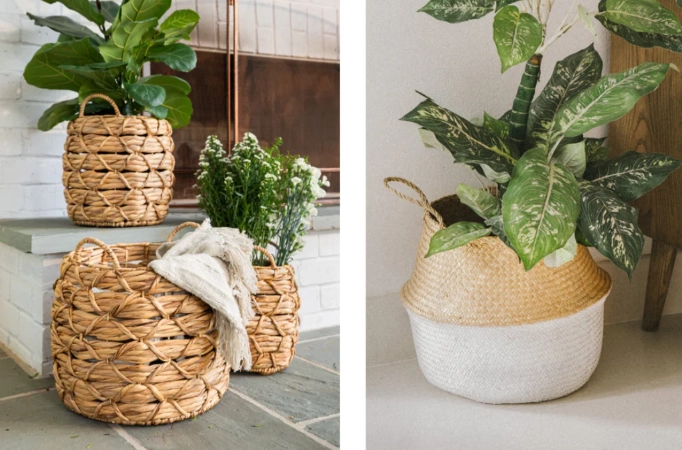
Smart Solutions for the Drainage Dilemma
You have options, and your choice depends on how diligent you are.
- The Saucer Method: Place a plastic saucer (the kind that comes with ceramic pots) inside the basket first. Then put your potted plant on top of the saucer. This catches the water. Pro: Effective. Con: You MUST remember to empty the saucer 20-30 minutes after watering. If you forget, it's just a smaller pool of stagnant water.
- The Elevation Method: Create a false bottom. Put a layer of pebbles, lava rocks, or even plastic bottle caps at the bottom of the basket. Place your pot on top of this layer. The excess water drains into the pebble layer, keeping the pot's base above the waterline. Pro: Provides a buffer for forgetful waterers. Con: You still need to periodically check and tip out any accumulated water. It also adds weight.
- The Liner Method: Use a waterproof plastic liner bag inside the basket. You can buy these or use a simple plastic nursery bag. Poke a few holes in the liner's bottom for very minimal drainage, but its main job is to protect the basket. Then, you can even add a thin layer of decorative moss on top to hide the plastic. Pro: Best protection for precious natural baskets. Con: Can feel a bit less "authentic," and you must ensure the liner doesn't hold too much water.
Getting the Fit Right: Size, Shape, and Proportion
Picking the wrong size is the second most common mistake. A basket that's too small looks unstable and silly. One that's too large swallows the plant and makes it look lost.
The 1-2 Inch Rule: The ideal basket for a plant should be 1 to 2 inches wider in diameter than the grow pot's diameter. This gives you enough room to easily lift the pot in and out for watering and checking, and to add any elevation layer (like pebbles). For height, the basket should ideally be the same height as the pot or just an inch or two taller. You want to see the plant, not just the basket rim.
Shape matters too. A tall, cylindrical basket suits a trailing plant like a philodendron or a tall, spiky snake plant. A wide, shallow bowl-shaped basket is perfect for a cluster of smaller succulents or a spreading plant like a spider plant. Think about the plant's habit. Does it spill over, grow upright, or spread out? Match the basket shape to complement that.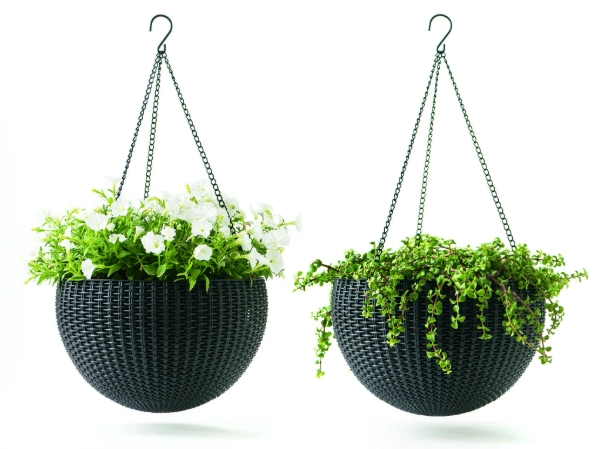
Styling Your Plant Baskets Like a Pro (Without the Pretension)
Okay, we've covered survival. Now let's talk about making it look good. This is the fun part.
Don't feel pressured to match all your baskets. A mix of textures and materials often looks more collected and intentional than a perfectly matched set. Try a wicker basket next to a smooth ceramic pot. The contrast is engaging.
Consider the plant's personality. A delicate maidenhair fern might look overwhelmed in a chunky, dark-stained wood basket. It would sing in a simple, light-colored felt or smooth cement planter. A bold, architectural cactus can handle and even enhance a bold, patterned basket.
Group plants in baskets of varying heights and sizes for a dynamic display. Use a stool, a stack of books, or a small side table to create different levels. This works wonders on a floor in a corner or on a long shelf.
Care and Maintenance: Keeping Your Basket Looking Fresh
Your basket needs care too, especially natural ones.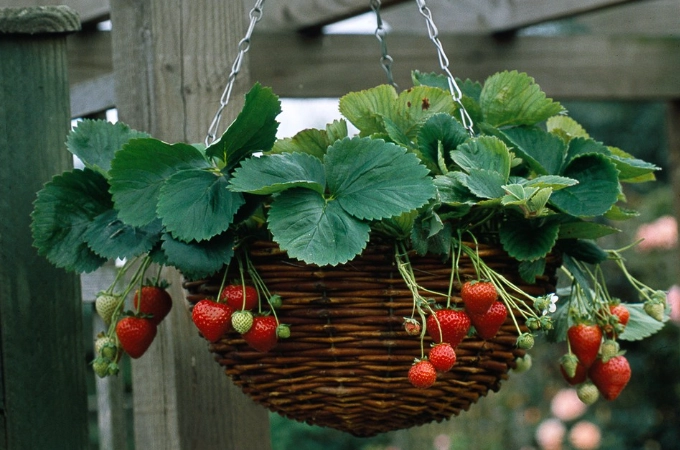
For natural fiber baskets (wicker, seagrass, etc.), dust regularly with a soft brush or the vacuum's brush attachment. If it gets a stain, you can *very lightly* dab it with a barely damp cloth and let it air dry completely, away from direct heat. Never soak them. If a musty smell develops, sprinkle baking soda inside, let it sit for a few hours, and vacuum it out.
Metal baskets are easy – just wipe with a damp cloth. Check for any chips in the coating to prevent rust. Fabric baskets can often be spot-cleaned or, if they're inexpensive, just replaced when they get grubby.
The biggest maintenance task is your weekly plant check. When you're checking your plant's soil, take an extra 10 seconds. Lift the inner pot out of the basket. Check the bottom. Is there standing water? Are there any signs of mold or mildew on the basket interior? Catching this early is everything.
Answers to the Questions You're Actually Searching For
The Sustainability Angle: Making an Eco-Friendly Choice
More of us are thinking about the footprint of our home decor. When choosing a basket for your plant, natural, renewable materials like rattan, bamboo, and seagrass are generally good choices. Look for brands that discuss sustainable harvesting. A well-made natural basket can last for decades with proper care, outliving the plant inside it many times over.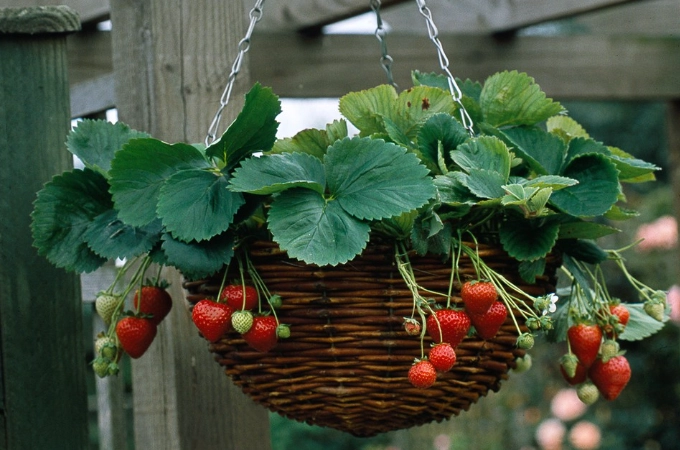
Conversely, cheap plastic or composite baskets that break quickly and end up in landfills are the worst choice. If you go synthetic, invest in a high-quality, durable one. The U.S. Environmental Protection Agency's recycling and reuse tips remind us that durability is a key component of reducing waste. Sometimes, the most sustainable basket is the beautiful vintage one you find at a flea market and give a new life.
It's worth thinking about.
Wrapping It Up: Your Checklist Before You Buy
So, next time you're eyeing a beautiful basket for a new plant (or to refresh an old one), run through this mental list:
- Material Match: Does the basket material suit my plant's watering needs and the room's humidity? (Refer to the table above!).
- Size Check: Is it 1-2 inches wider than my current pot? Is the shape complementary?
- Drainage Plan: What is my concrete plan for dealing with excess water? (Saucer, pebbles, liner?).
- Style Fit: Does it work with my room's vibe and the plant's personality?
- Quality Feel: Is it well-constructed? For natural materials, are the weaves tight? For handles, are they securely attached?
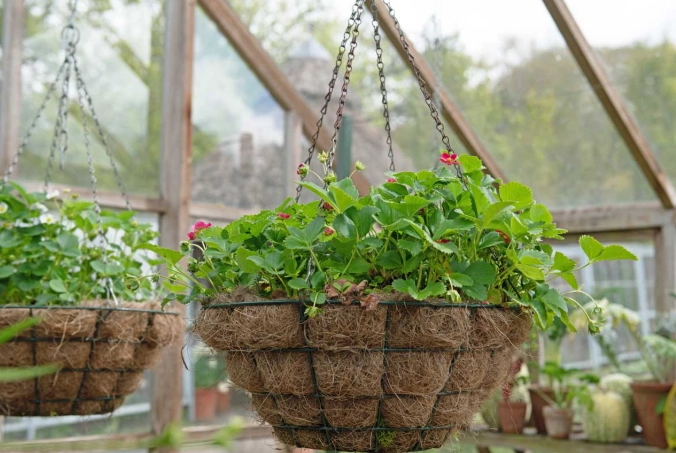
Getting a basket for a plant right is one of those small, satisfying wins in home styling. It bridges the gap between gardening and interior design. It shows you care about the details. And most importantly, it creates a healthier, happier environment for your green friends to thrive in.
Start with one plant. Apply what you've learned here. See the difference it makes. You might just find yourself looking at every basket in a store and thinking, "Hmm, I wonder what plant I could put in you." It's a fun rabbit hole to fall down. Happy planting!

Comments