Quick Navigation
- When is the Absolute Best Time to Prune Butterfly Bushes?
- How to Prune a Butterfly Bush: A Step-by-Step Walkthrough
- The Tools You Need (And How to Keep Them Sharp)
- Common Butterfly Bush Pruning Mistakes to Avoid
- Pruning Different Types of Butterfly Bushes
- What to Do After Pruning Your Butterfly Bush
- Frequently Asked Questions About Pruning Butterfly Bushes
- Troubleshooting: Problems You Might See After Pruning
Let's talk about pruning a butterfly bush. It's one of those gardening tasks that seems simple but, if you get it wrong, you might spend a whole summer wondering where all your butterflies went. I've been there. A few years back, I got a little too scissor-happy in the fall and ended up with a spindly, sad-looking plant the next year. Lesson learned the hard way.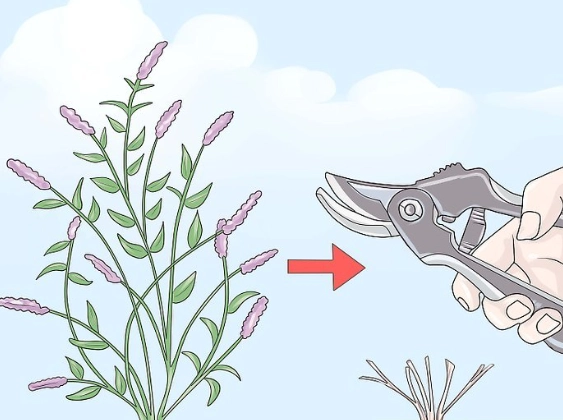
So, why bother pruning at all? A butterfly bush, or Buddleia davidii if you want to be fancy, is a vigorous grower. Left to its own devices, it can become a leggy, woody mess. The flowers form on new wood. That's the key. If you don't cut it back, you're limiting that new growth and, in turn, limiting the spectacular, pollinator-magnet blooms that are the whole point of having one. Proper pruning a butterfly bush isn't just about control; it's about encouraging a healthier, denser, and far more floriferous plant.
I remember my neighbor asking me why her mature butterfly bush looked so "stalky" and only flowered at the very tips. She hadn't pruned it in three years. Once we gave it a good, hard chop in early spring, it came back bushier and fuller than ever. That's the power of a proper cut.
When is the Absolute Best Time to Prune Butterfly Bushes?
This is the question that causes the most confusion. The short answer? Late winter or early spring. But let's break that down because timing really is everything.
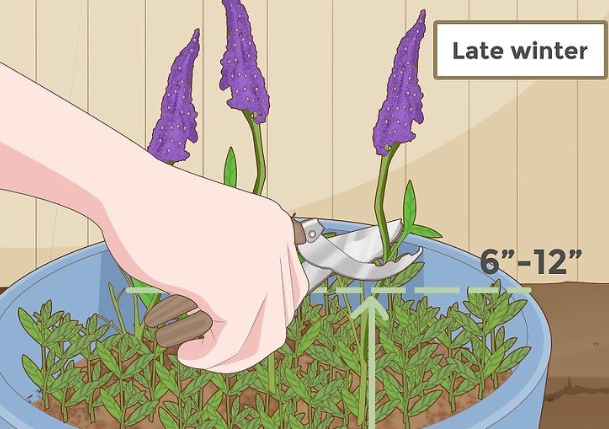
The golden rule for pruning a butterfly bush is to do it when the plant is dormant but the threat of the hardest freeze is passing. For most of us, that's somewhere between late February and mid-April. You're looking for when the buds are just starting to swell but haven't yet leafed out. Why wait so long? Those old stems from last year provide some insulation and protection for the plant's crown during the winter. Cutting them back in autumn can invite moisture and rot into the fresh cuts, potentially harming the plant.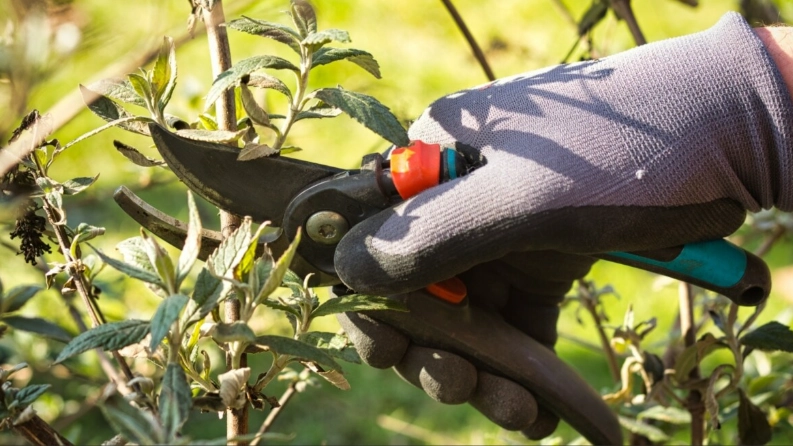
Pro Tip: Don't be in a rush. If you see new green shoots emerging from the base of the plant in spring, that's your visual cue that it's safe to start pruning your butterfly bush. The plant is officially awake and ready to grow.
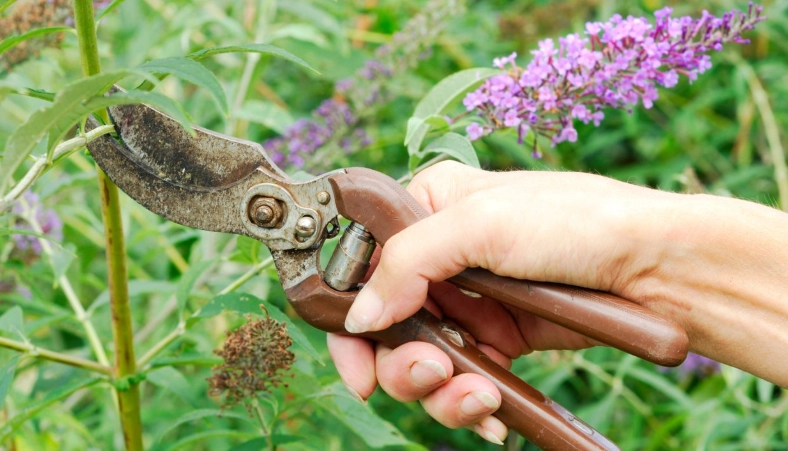
Now, what about a light tidy-up in summer? That's a different story. Deadheading—snipping off the spent flower clusters—throughout the blooming season is highly recommended. It encourages the plant to produce more flowers instead of putting energy into making seeds. Just cut the old flower spike back to a set of fresh leaves or a side shoot. It's a simple task that keeps the show going.
How to Prune a Butterfly Bush: A Step-by-Step Walkthrough
Alright, you've got your timing right. Now for the action. Don't be scared. Butterfly bushes are incredibly resilient. You're almost guaranteed to have success if you follow these steps. You'll need a good pair of sharp bypass pruners for the smaller stems and maybe loppers for any really thick, old wood on a mature plant.
The Basic Hard Prune (For Most Gardeners)
This is the standard method for pruning a butterfly bush that ensures maximum blooms and a good shape.
- Assess the Plant: First, take a good look. Identify any obviously dead, damaged, or diseased stems and remove those first, cutting them back to the base.
- Cut Back Old Growth: Now, take all the remaining stems from last year's growth and cut them down to about 12 to 24 inches from the ground. Yes, that low. It feels drastic. I know. But trust the process. If your plant is young or you're in a colder zone, aim for the taller end of that range. For established plants in milder climates, you can go as low as 12 inches.
- Make Clean Cuts: Always cut just above a set of healthy, outward-facing buds or leaf nodes. This directs the new growth outward, opening up the center of the plant for better air circulation.
- Clean Up: Rake up and dispose of all the cuttings. This helps prevent any overwintering pests or diseases from hanging around.
See? Not so complicated. The goal is to leave a short framework of stems that will explode with new growth once the weather warms up.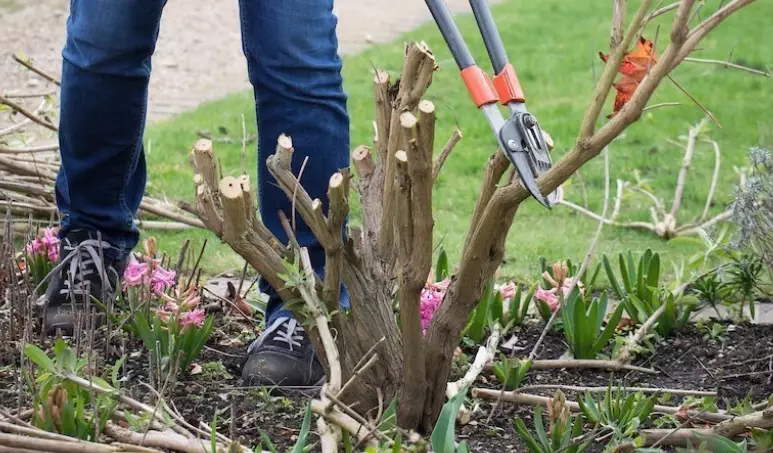
What About Pruning a Butterfly Bush for Shape or Size?
Maybe you have a smaller variety in a container, or you're trying to train it into a tree form (a "standard"). The principles are similar but more nuanced.
- For Size Control: If your bush is getting too wide, you can combine the hard spring prune with selective thinning. After the main cut-back, look for any stems that are crossing or rubbing and remove them at the base. This opens up the plant without necessarily making it taller.
- For a Standard/Tree Form: This takes a few years. You select one strong, central leader stem and stake it upright. Remove all other basal shoots. Each spring, prune the top growth much like you would a shrub, but on a single trunk, to create a rounded "lollipop" head. It's more work, but the effect is stunning.
The Tools You Need (And How to Keep Them Sharp)
This part is boring but critical. Using dull or dirty tools makes pruning a butterfly bush harder on you and worse for the plant. A clean, sharp cut heals faster and is less susceptible to disease.
Your basic kit is simple: a pair of bypass hand pruners (Felco or Corona are great brands) for most of the work. For bushes older than 3-4 years, you might encounter some thick, woody stems where loppers give you more leverage. Keep a sharpening stone handy and a small bottle of rubbing alcohol or a disinfectant spray to wipe down blades between plants, especially if you suspect any disease.
Common Butterfly Bush Pruning Mistakes to Avoid
We all make mistakes. Here are the big ones I see (and have made myself) so you can skip the learning curve.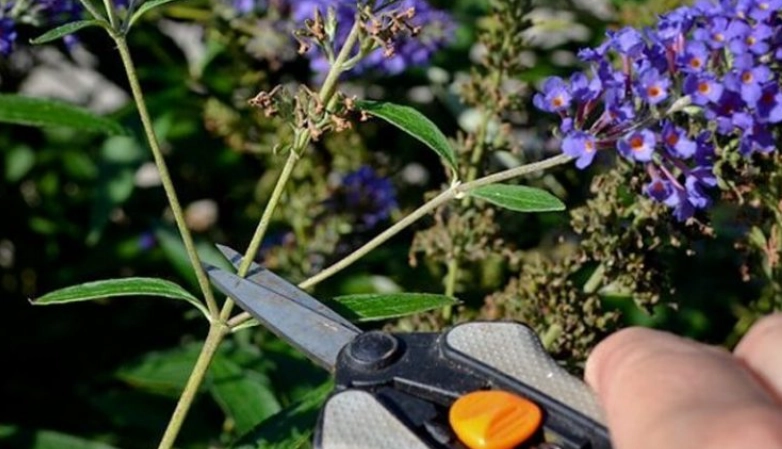
Mistake #1: Pruning at the Wrong Time. Fall pruning is the big no-no. It stimulates tender new growth that gets zapped by frost and can lead to winter die-back.
Mistake #2: Being Too Timid. A light haircut isn't enough. You need to cut back hard to where the stems are still green and alive inside (not brown and pithy). If you only take off the top few inches, you'll get blooms, but they'll be way up high on long, weak stems that might flop over.
Mistake #3: Making Ragged Cuts. Crushing the stem with dull pruners or tearing the bark creates a wound that's an open invitation for pests and rot. Sharp tools are non-negotiable.
Mistake #4: Ignoring the Center. Always prune to an outward-facing bud. If you consistently cut to inward-facing buds, all the new growth will crowd into the center, creating a dense thicket that blocks light and air. This is a perfect environment for powdery mildew.
Pruning Different Types of Butterfly Bushes
Not all Buddleia are created equal. While the classic Buddleia davidii responds well to hard pruning, some newer cultivars and species have slightly different habits.
| Type / Cultivar | Pruning Approach | Notes |
|---|---|---|
| Standard Buddleia davidii (e.g., 'Black Knight', 'Pink Delight') |
Hard prune in late winter/early spring to 12-24". | The classic method. Very forgiving. |
| Dwarf Varieties (e.g., Lo & Behold® series, 'Buzz' series) |
Light to moderate prune. Cut back by 1/3 to 1/2 in spring. | They are naturally more compact. A hard prune isn't always necessary for size. |
| Sterile/Near-Sterile Cultivars (e.g., 'Blue Chip', 'Miss Molly') |
Same as standard types—hard spring prune. | Pruning promotes blooms but doesn't affect seed spread. These are often recommended to reduce invasiveness. |
| Weeping Standard (Tree Form) | Prune the grafted head in spring to shape, removing thin growth. Remove any suckers from the rootstock. | Focus on maintaining the form. The hard prune is done on the canopy, not the trunk. |
See? A little nuance goes a long way. If you're unsure about your specific plant, a quick search for the cultivar name and "pruning" will usually give you a clue.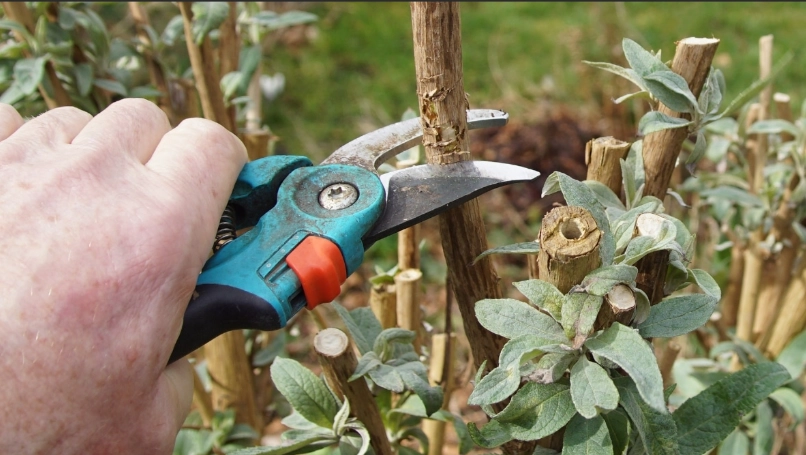
What to Do After Pruning Your Butterfly Bush
Your job isn't quite done when you put the pruners down. A little post-pruning care sets the stage for a fantastic season.
Feed it. After pruning a butterfly bush, it's the perfect time to apply a balanced, slow-release granular fertilizer around the base of the plant (following package instructions). A 10-10-10 or similar formula works well. This gives the plant the nutrients it needs to fuel all that new growth you just encouraged.
Mulch it. Apply a 2-3 inch layer of organic mulch, like shredded bark or compost, around the base. Keep it a few inches away from the main stems to prevent rot. This conserves moisture, suppresses weeds, and regulates soil temperature.
Water it. If your spring is dry, give the plant a good deep watering after pruning and fertilizing. Consistent moisture as it leafs out is important.
Then, just wait. In a few weeks, you'll see those bright green shoots pushing out. It's incredibly satisfying.
Frequently Asked Questions About Pruning Butterfly Bushes
Troubleshooting: Problems You Might See After Pruning
Sometimes, things don't go perfectly. Here's how to diagnose common issues.
- No New Growth: If it's been a month or more into spring and there's no sign of life, scratch a small piece of bark off a stem near the base. If it's green underneath, be patient. If it's brown and dry, the stem may have died back further than you cut. Wait to see if new shoots emerge from the absolute base (the crown) of the plant. It may still recover.
- New Growth Only at the Tips: This usually means you didn't prune hard enough. The plant only pushed growth from the highest buds. Next year, cut lower.
- Floppy Stems: This can happen with over-fertilization (too much nitrogen) or insufficient sun. Ensure the plant gets at least 6-8 hours of direct sun. You can also try a fertilizer with less nitrogen next time.
Remember, gardening is an experiment. One bad year of pruning a butterfly bush isn't the end of the world. These plants want to grow. Observe what happens, adjust your technique, and try again next season. The butterflies will thank you for it.
At the end of the day, pruning a butterfly bush is a simple, rewarding task. It connects you to the cycle of your garden. You're not just cutting back old wood; you're setting the stage for a summer filled with color, life, and the delicate flutter of wings. Grab those sharp pruners, pick a mild late-winter day, and give your bush a fresh start. You've got this.
Comments