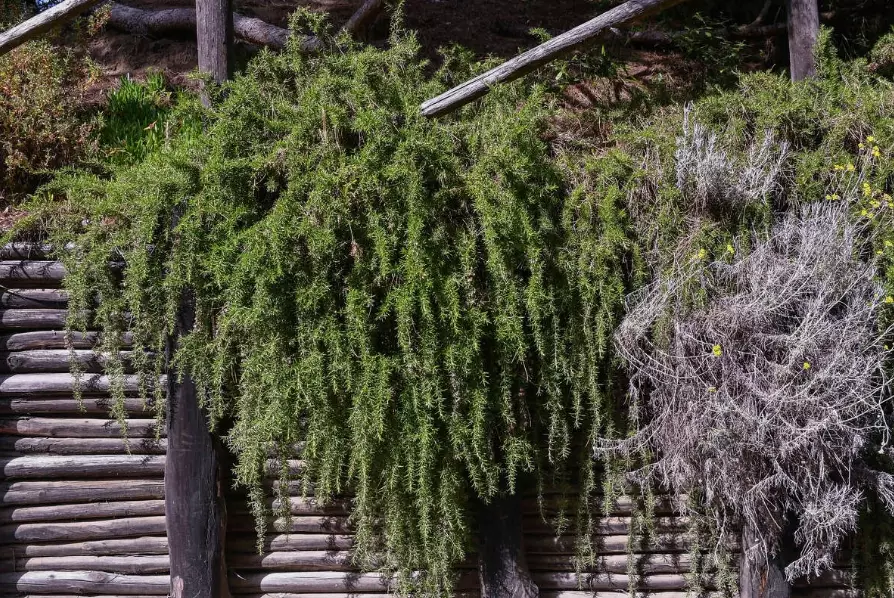
Let's be honest. A lot of classic ground covers are kind of... boring. Ivy, vinca, pachysandra—they get the job done but don't exactly spark joy. Then there's rosemary. Imagine a swath of fragrant, gray-green foliage that spills over walls, carpets hot, dry slopes, and feeds you dinner. Using rosemary as a ground cover isn't just gardening; it's a cheat code for a beautiful, useful, and resilient landscape. I've been pushing prostrate rosemary into places most people reserve for mulch for over a decade, and I've learned the hard way what works and what leads to a sad, woody skeleton.
The secret isn't just any rosemary. You need the right type—the ones bred or discovered to crawl rather than climb. Get that wrong, and you'll be fighting an upright shrub trying to pretend it's a carpet. Get it right, and you unlock a plant that laughs at drought, repels deer, and fills the air with that clean, piney scent every time you brush past it.
What's Inside This Guide?
Picking the Right Rosemary: It's Not All the Same
This is the most common mistake I see. Someone buys an aromatic rosemary from the grocery store herb section, sticks it in the ground, and hopes it will spread. It won't. That's Rosmarinus officinalis (now often classified as Salvia rosmarinus), the upright culinary type. It wants to be a 4-foot-tall bush.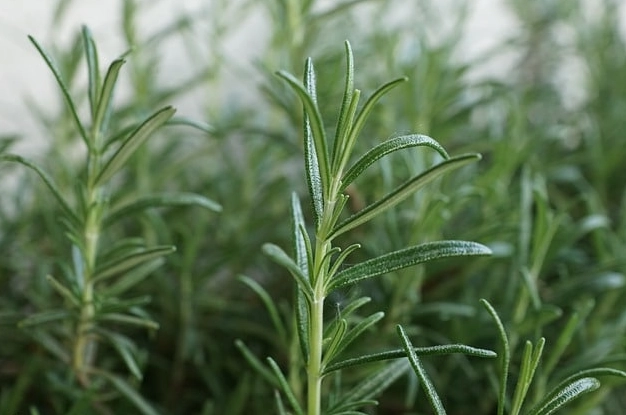
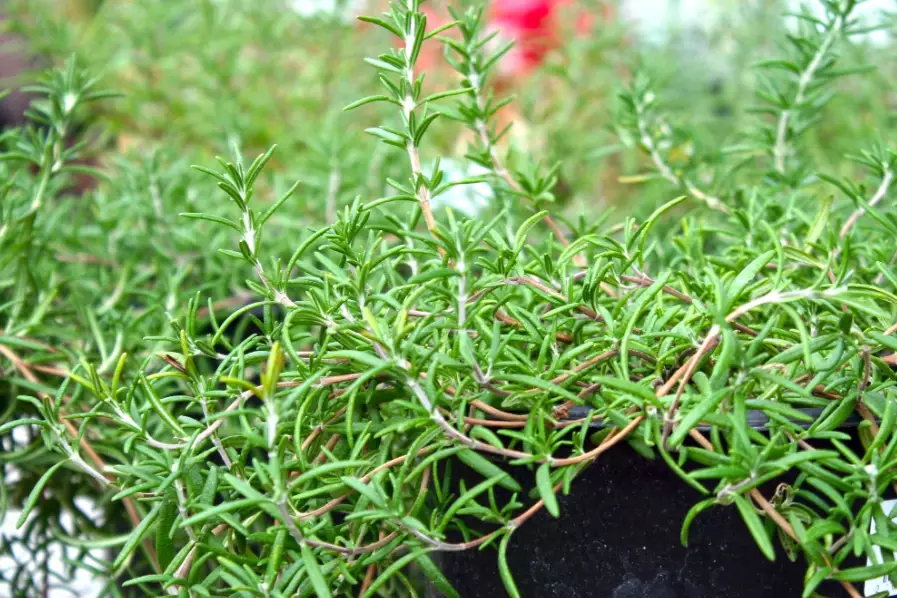
For ground cover, you want the prostrate or trailing cultivars. Their growth habit is fundamentally different—stems grow outward horizontally, rooting where they touch the soil. Here are the champions:
| Variety Name | Key Characteristics | Best For |
|---|---|---|
| 'Prostratus' | The classic. True trailing habit, grows 6-12" tall but can spread 4-8 ft. Deep blue flowers. Very hardy. | Walls, slopes, large area coverage. The most reliable spreader. |
| 'Irene' | A dense, mounding spreader. More vigorous than 'Prostratus', with rich blue flowers. Discovered by the late plantsman Howard Asper. | Quick coverage, hotter climates. My personal favorite for speed and fullness. |
| 'Huntington Carpet' | Extremely low-growing, only 2-4" tall. Forms a very dense, flat mat. Lavender-blue flowers. | Between stepping stones, over low walls, as a true "carpet." Less culinary use. |
| 'Santa Barbara' | Vigorous trailer with bright green foliage and light blue flowers. Tolerates a bit more humidity. | Hanging baskets that spill over, or areas with slightly less perfect drainage. |
A note on sourcing: Don't just trust a label that says "trailing." Look for the specific cultivar name. A good nursery will have them. If you're in a colder zone (below USDA 7), your options narrow. 'Arp' is a very cold-hardy upright variety that can be sheared low, but it's not a true creeper. In Zone 7 and below, treat rosemary ground cover as a spectacular seasonal annual or plan to grow it in containers you can bring in.
How to Plant Rosemary as a Ground Cover (The Right Way)
Planting day sets the stage for years of success or struggle. Rosemary is forgiving of many sins, but it has one non-negotiable enemy: wet soil.
Step 1: The Perfect Spot
Think Mediterranean hillside. Full sun is mandatory—at least 6-8 hours of direct, brutal sun. More is better. This isn't a plant for dappled shade under a tree.
Drainage is the other half of the equation. If your soil is heavy clay, you have two choices: build up or give up. Raised beds or mounds are your friend. I once tried to cheat and plant in a low spot with "improved" clay soil. That patch was dead within 18 months from root rot. A slope, even a gentle one, is ideal.
Step 2: Soil Prep (The Lazy Expert's Method)
You don't need to dig a huge hole and fill it with special mix. That can create a "bathtub" effect where water pools. Instead, amend the entire planting area. Work in a 2-3 inch layer of coarse sand or fine gravel and a similar amount of compost. The goal is to create a gritty, lean, and fast-draining environment. The Royal Horticultural Society recommends a mix of 30% grit to soil for Mediterranean herbs in the ground.
Step 3: The Planting Moment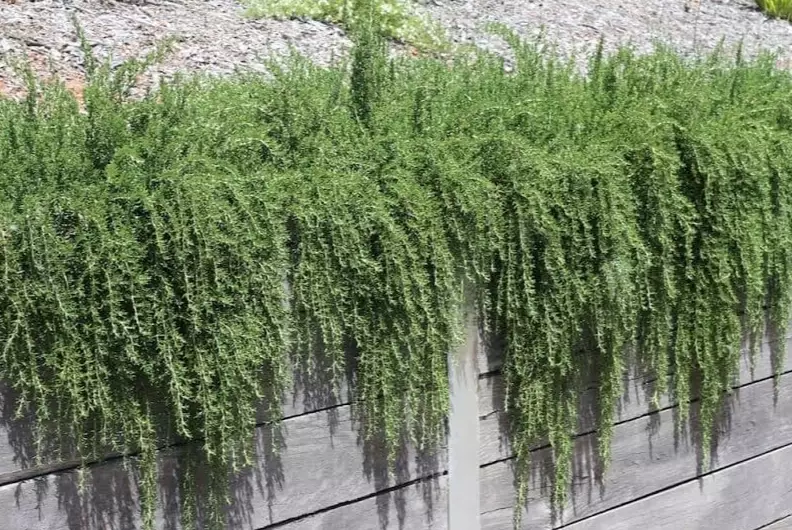
Dig a hole just slightly wider and no deeper than the root ball. Gently tease out any circling roots. Place the plant so the top of the root ball is level with or slightly above the soil surface—never bury the stems. Backfill with your prepared soil, firm gently, and water well to settle.
Now, here's the non-consensus tip: Don't mulch heavily with wood chips. A thin layer of gravel, crushed granite, or even pea stone is better. It keeps the surface dry, reflects heat to the plant, and looks right. Organic mulch holds moisture against the stems, which rosemary hates.
The Minimalist Care Schedule: Water, Food, and Pruning
Once established, rosemary ground cover is famously low-maintenance. "Established" means it's been in the ground for a full growing season.
Watering: Deep but infrequent is the mantra. For the first summer, water once a week if there's no rain. Stick your finger in the soil—if it's damp an inch down, wait. The second year, you might only water during extended droughts. Overwatering is the #1 killer. Yellowing, dropping lower leaves is a classic sign of too much water, not too little.
Fertilizing: Almost never. Seriously. A lean diet promotes stronger fragrance and harder growth. One light application of a balanced organic fertilizer in early spring is plenty. More leads to soft, sappy growth that's prone to cold damage and has less flavor.
Pruning: This is crucial to prevent a woody, leggy center. Don't just shear the tops. You need to encourage growth from the base.
- When: Right after the main flowering flush in spring, or in early summer.
- How: Look for where a trailing stem has rooted. You can cut the stem behind that rooted point to encourage the new plant to bush out. Never cut back into old, bare wood that has no leaves—it often won't resprout.
- Use the cuttings! They're perfect for the kitchen or to propagate new plants.
Solving Problems: Winter, Wet Feet, and Woody Stems
Even with perfect care, challenges pop up.
Winter Die-Back: In zones 7-8, a hard freeze can brown the foliage. Don't panic in January. Wait until new growth starts in spring, then prune out the dead parts. The plant is often alive at the base. Wet winter soil is more dangerous than cold air. Ensure perfect autumn drainage.
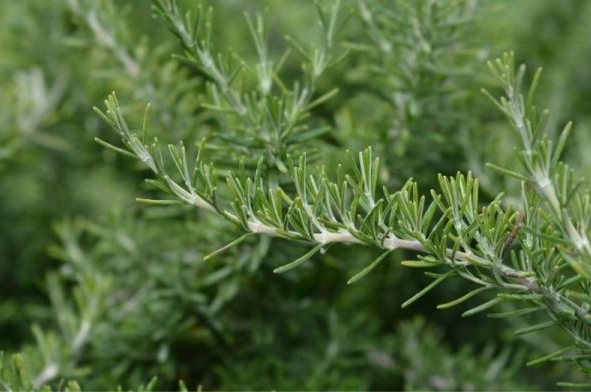
Becoming Woody and Open: This is natural aging. You can slow it with proper pruning, but after 5-7 years, a patch might need rejuvenation. The best method is to layer new plants. In spring, pin a healthy, young trailing stem to the soil in a bare spot (scrape the bark a little first). It will root by autumn. You can then sever it from the mother plant, effectively planting a fresh, young replacement right where you need it.
Pests are rare. Spider mites might appear in dusty, dry conditions—a strong spray of water usually handles them. Deer and rabbits almost always leave it alone.
Your Rosemary Ground Cover Questions, Answered
 Is rosemary ground cover safe for pets?
 So, is rosemary ground cover right for you? If you have a sunny, well-drained spot that's a pain to mow or water, and you want something beautiful, fragrant, and useful, the answer is a resounding yes. Skip the boring ground covers. Plant something you can actually use. Start with a few 'Irene' or 'Prostratus' plants this season, give them the gritty home they crave, and let them do their thing. You might just find it becomes the most talked-about part of your garden.


Comments